Predator and Furbearer Hunting in Wisconsin
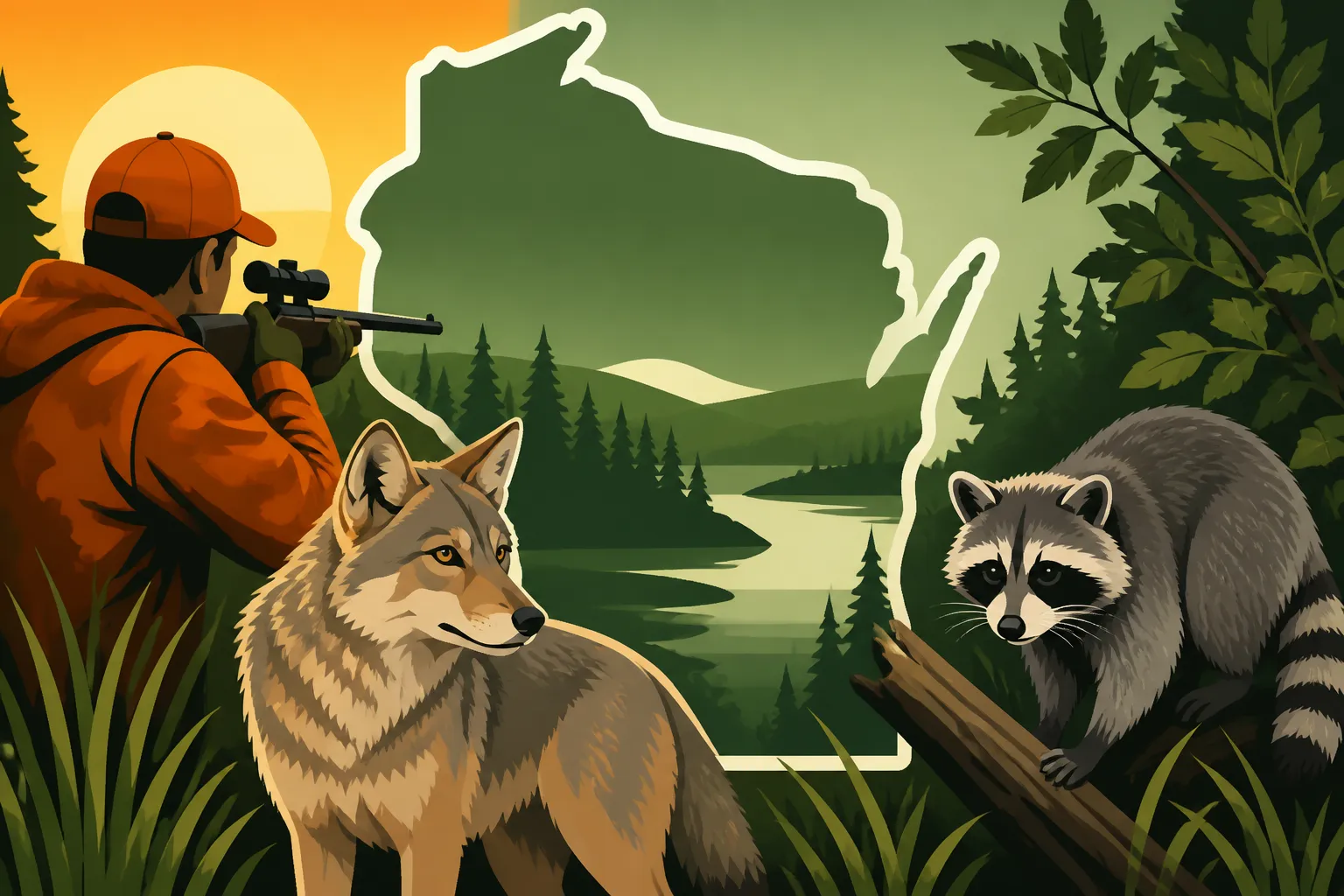
For many of us in Wisconsin, the hunting seasons often revolve around the big game: whitetail deer and wild turkeys. We eagerly await the rut, the gobble, and the chance to fill our freezers. But if you’re overlooking the vast and exciting world of predator and furbearer hunting, you’re truly missing out on some of the most challenging, rewarding, and year-round opportunities Wisconsin has to offer. This guide is dedicated to shedding light on these often-underappreciated pursuits, diving deep into the species, seasons, methods, and essential gear you’ll need to successfully hunt predators and furbearers across our beautiful state.
The World of Wisconsin Predators and Furbearers
Wisconsin is home to a diverse array of predators and furbearers, offering hunters and trappers unique opportunities throughout the year. While some might view these animals solely as nuisances or competitors for deer, understanding their role in the ecosystem and the challenge they present as quarry can open up a whole new dimension of outdoor recreation. It’s not just about removing animals; it’s about honing your skills, understanding wildlife behavior, and embracing the chase.
Key Species and Their Habits
Our state boasts a healthy population of several key predator and furbearer species, each with its own quirks and challenges. The most commonly pursued are coyotes, red foxes, gray foxes, and raccoons, but the list extends to bobcats, opossums, skunks, and various weasel species. Each animal occupies a specific niche, from the adaptable coyote that thrives in nearly every habitat, to the secretive bobcat that prefers dense cover and remote areas. Understanding their typical behaviors – what they eat, where they den, how they travel – is the first step to successful hunting. For instance, coyotes are incredibly opportunistic, feasting on everything from small rodents and deer fawns to carrion, making them present across agricultural fields, deep woods, and even suburban fringes. Foxes, while sharing some habits with coyotes, tend to be more solitary and often stick to specific territories, making them a slightly different challenge.
Navigating Seasons and Regulations
One of the biggest advantages of predator and furbearer hunting is the extended seasons, often stretching through winter when other hunting opportunities are scarce. However, this also means staying incredibly vigilant with regulations, as they can vary by species, weapon choice, and even specific zones or counties. Most coyote and fox seasons are quite generous, often running from mid-October through the following February or March, with some form of year-round hunting possible for coyotes outside of the general gun deer season. Bobcat hunting, on the other hand, is highly regulated, requiring specific permits and falling under a draw system due to their lower population numbers and more elusive nature. Meanwhile, species like raccoons and opossums also have specific seasons, often starting in the fall and extending well into winter, with provisions for night hunting that add another layer of excitement and challenge. Always consult the current Wisconsin DNR hunting regulations pamphlet, which you can find on the "Go Wild" system or via the DNR website, to ensure you're compliant with opening and closing dates, bag limits, and legal hunting methods.
General Hunting and Trapping Overview
The pursuit of predators and furbearers can involve a wide range of methods, from traditional hunting techniques to trapping. For hunters, calling is a primary method for coyotes and foxes, involving mimicry of distress sounds, rabbit squalls, or even coyote howls to draw in curious or territorial animals. Still-hunting, where you slowly stalk through cover, and stand hunting, often from a concealed position overlooking a travel corridor or known denning area, are also effective. Night hunting, particularly for coyotes, foxes, raccoons, and opossums, presents unique challenges and requires special gear like powerful lights and sometimes thermal optics, though it's crucial to be aware of Night Hunting Rules for Wisconsin Coyotes. Trapping, while a distinct skill, is also a highly effective method for harvesting furbearers and often runs concurrently with hunting seasons. It demands an intimate knowledge of animal behavior, trap placement, and ethical handling. Whether you choose to hunt or trap, the common thread is the need for patience, stealth, and a deep understanding of the animal you're pursuing. Many find that mastering these hunts sharpens their skills for deer or turkey season, making them a more well-rounded outdoors person.
Mastering Coyote Hunting in Wisconsin
Coyotes are perhaps the most popular predator to hunt in Wisconsin, and for good reason. They're intelligent, adaptable, and present an exhilarating challenge. Often heard before they're seen, their mournful howls and yips echoing across a winter landscape are a quintessential sound of the Wisconsin wild. Learning to hunt them effectively can be a lifelong pursuit, offering action when other seasons are closed.
Calling Tactics for Wary Coyotes
Calling coyotes is both an art and a science, and it’s arguably the most exciting way to hunt them. The goal is to mimic sounds that trigger a coyote's instinctual responses, primarily hunger or territoriality. Distress calls, such as a rabbit in distress or a bird in trouble, are often the most effective, especially when coyotes are actively searching for food. These calls should generally start soft and build in intensity, lasting about 30-60 seconds, followed by a quiet period of a few minutes, before repeating. Experiment with different calls and volumes. Another potent method is vocalizations, mimicking coyote barks, yips, and howls. These are excellent for locating coyotes, especially early morning or late evening, and can also be used to challenge a territorial pack. Imagine you're in a clearcut in northern Wisconsin, testing the wind, and let out a string of howls; if a coyote answers, you know you're in business, and can then move to a distress call to bring them in. Remember, coyotes are smart; they've learned to associate certain sounds with danger, especially in areas with high hunting pressure. Therefore, varying your call sequence and duration is crucial. For deeper insight, consider diving into tactics like those discussed in Coyote Calling in Wisconsin Winter.
Still-Hunting and Ambush Strategies
While calling is thrilling, it's not the only way to hunt coyotes. Still-hunting involves moving slowly and deliberately through an area, looking for fresh tracks, scat, and other signs of coyote activity. This method is particularly effective in areas with dense cover, along field edges, or in brushy creek bottoms where coyotes might be traveling or hunting small game. You're essentially trying to intercept a coyote going about its daily routine. Ambush hunting, on the other hand, is more about setting up in a strategic location and waiting. This could be overlooking a known travel corridor, a pinch point between two woodlots, or a natural funnel near a deer carcass. Good ambush spots require careful scouting, understanding wind direction, and patience. The key is to be completely concealed, minimizing movement and scent. Utilizing topographical maps, like those available on platforms like GoHunt, can help you identify these key travel routes and set up effective ambushes before you even step foot in the field.
Winter Tracking and Stand Hunting
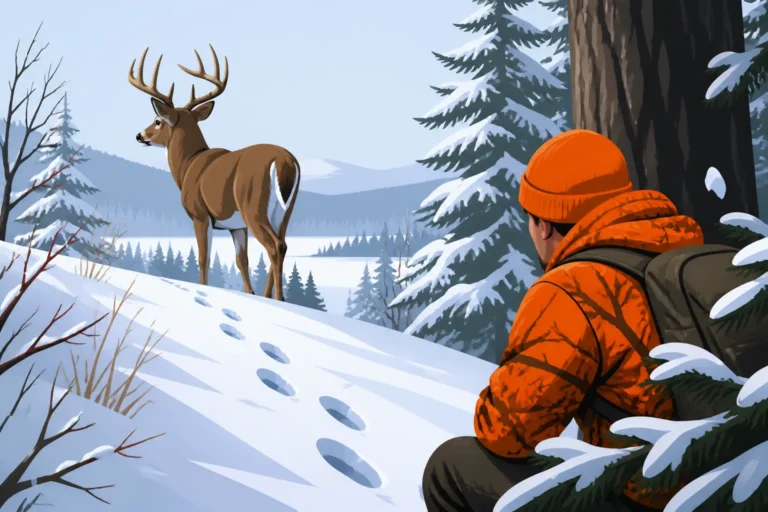
Winter is prime time for coyote hunting in Wisconsin, largely due to the snow. A fresh blanket of snow reveals a world of information, making tracking an incredibly effective method. You can follow tracks to learn where coyotes are traveling, what they're eating, and where they're bedding down. A crucial aspect of tracking is learning to differentiate between fresh and older tracks, and understanding how a coyote's gait changes when it's running, walking, or sneaking. Once you've picked up a fresh track, the chase is on. This often leads to a "jump-shooting" scenario, where you slowly follow the track until you spot the coyote bedded down or on the move. Alternatively, tracking can lead you to prime stand locations. If you find a heavily used trail or an area with abundant scat and tracks, setting up a stand overlooking that spot for a few hours can be highly productive. This combines the information gained from tracking with the patience of stand hunting. Remember, coyotes have incredible senses, especially their sense of smell. Always hunt into the wind, use scent control, and minimize any unnatural movements, especially when you are close to an area you suspect they are present in.
Pursuing Wisconsin's Foxes: Red and Gray
Foxes, both red and gray, are beautiful, cunning creatures that offer a challenging and rewarding hunt in Wisconsin. While they share some similarities with coyotes, their smaller size, different habitat preferences, and often more cautious nature require a slightly adjusted approach. They're often found in closer proximity to human habitation than some might expect, making them accessible to many hunters.
Identifying Fox Habitat and Sign
Red foxes generally prefer a mix of open farmland, pastures, and woodland edges, where they can hunt small rodents and birds, and den in secluded areas. You’ll often find their tracks along the edges of cornfields, hayfields, and brush rows. Their dens might be in old woodchuck holes, under brush piles, or in thickets. Gray foxes, on the other hand, are more associated with dense woodlands, brushy areas, and swamps. They are unique among canids for their ability to climb trees, an adaptation that helps them escape predators and find food. Look for their tracks in deeper woods, along overgrown logging roads, and near rocky outcrops. Fresh scat, often containing hair and bone fragments, and small game remains can indicate a fox’s presence. Understanding these habitat preferences is key. For example, if you're hunting in the heavily forested northern parts of the state, you might focus more on areas known for Where Northern Forest Bucks Bed, as these also offer great cover for gray foxes. Conversely, hunting in agricultural areas like those found when Hunting Wisconsin Farmland Deer would be more suited for red foxes.
Calling and Decoying Strategies
Similar to coyotes, calling is a highly effective method for bringing in foxes. Distress calls, especially those mimicking a mouse, voles, or a wounded bird, work exceptionally well due to the fox's primary diet of small prey. FoxPro and similar electronic calls offer a wide range of realistic sounds, but traditional hand calls can be just as effective with practice. Start with soft, subtle calls, as foxes have excellent hearing and can pinpoint sounds quickly. If no response, gradually increase the volume. It's often best to set up in an elevated position if possible, allowing you to see foxes approaching from a distance. Decoys, especially those that provide subtle motion like a twitching tail or fluttering wings, can be incredibly effective in drawing a fox's attention away from your position and creating a visual to go with the sound. Place your decoy 20-40 yards out, ensuring it's visible but doesn't obstruct your shooting lane. A small, battery-operated rabbit or bird decoy can work wonders in distracting a wary fox just long enough for a shot.
Night Hunting Considerations for Foxes
Night hunting for foxes is a popular and effective method, especially during the colder months when foxes are more active. Wisconsin has specific regulations regarding night hunting, including legal shooting hours, the use of artificial lights, and potentially thermal or night vision devices. It's paramount to know these rules precisely before heading out. Generally, a powerful red or green light mounted on your rifle or helmet is used to scan fields and wood lines for the tell-tale eye shine of a fox. Once spotted, you slowly approach or call, keeping the light on the animal's eyes to "hypnotize" it, though experienced foxes often become wary of this. Thermal optics have revolutionized night hunting, allowing hunters to detect body heat without relying on eye shine, but again, ensure you comply with Thermal and Night Vision Rules in Wisconsin. When night hunting, safety is paramount. Always be absolutely certain of your target and what lies beyond it. Hunting with a partner, where one person operates the light and the other is ready to shoot, can enhance safety and success. Remember, foxes can be quite elusive under the cover of darkness, making patience and quiet movement even more critical.
The Elusive Bobcat Challenge
For many Wisconsin hunters, the bobcat represents the pinnacle of predator hunting. These beautiful, secretive cats are incredibly challenging to pursue, demanding skill, persistence, and often, a bit of luck. With their striking spotted coats and stealthy nature, a successful bobcat hunt is a truly memorable experience, but one that comes with strict regulations.
Understanding Bobcat Permits and Zones
Unlike coyotes and foxes, bobcats in Wisconsin are classified as a furbearer with a regulated harvest season, requiring a special permit obtained through a drawing system. This means you can't just go out and hunt bobcats whenever you please. Hunters need to apply for a bobcat harvest authorization (tag) during a specific application period, and these tags are limited by zone to ensure sustainable populations. The state is divided into several zones for bobcat management, with Zone A generally covering the northern forested regions and Zone B covering more central areas. The number of tags available for each zone, and thus your odds of drawing, varies year to year based on population surveys and management goals. Preference points accrue for unsuccessful applicants, increasing your chances in subsequent years. This system highlights the value and sensitive nature of the bobcat population. It’s crucial to understand Wisconsin Bobcat Permit and Tagging requirements and apply diligently if you wish to pursue these magnificent animals.
Hunting Bobcats with Hounds
Perhaps the most traditional and effective method for hunting bobcats in Wisconsin is with a well-trained pack of hounds. When permitted in designated zones, hound hunting leverages the dogs' superior sense of smell and tracking ability to locate and tree a bobcat. This is a highly specialized pursuit, often involving dedicated hunters who have spent years training their dogs. The chase itself can be exhilarating, covering miles of rugged terrain as the dogs track the bobcat. Hunters follow the dogs, often using GPS collars to monitor their location in real-time. Once the bobcat is treed or bayed, the hunter moves in for a shot. This method requires excellent physical condition, a deep understanding of dog behavior, and meticulous scouting to find fresh bobcat sign. For those interested in this method, reading about Running Hounds for Wisconsin Bobcats can provide invaluable insights into the techniques and challenges involved. It’s a pursuit steeped in tradition and camaraderie, often involving multiple hunters working together.
Tracking and Still-Hunting Methods
While hounds are a popular method, it is possible to hunt bobcats by tracking or still-hunting, although it's significantly more challenging. In snowy conditions, fresh bobcat tracks become a golden opportunity. Bobcats have distinct paw prints, often lacking claw marks, and their stride is usually more deliberate than a coyote or fox. Following a fresh track in deep snow can eventually lead you to a bedded cat or an area where it's actively hunting. This requires immense patience, stealth, and keen observation skills. You must be prepared for long walks and sudden, quick shots. Still-hunting for bobcats involves moving incredibly slowly and silently through known bobcat habitat, such as dense cedar swamps, thickets, or rocky bluffs. Look for areas with abundant rabbit or snowshoe hare sign, as these are primary food sources for bobcats. Using distress calls, similar to fox hunting but perhaps more subtle, can also sometimes entice a curious bobcat to investigate, though they are often much warier than canids. Success with these methods is often a testament to a hunter's dedication and intimate knowledge of the wild.
Raccoon and Opossum: Nighttime Opportunities
Raccoons and opossums might not have the same mystique as a bobcat or the cunning of a coyote, but they offer accessible and often action-packed hunting, especially for those who enjoy the thrill of the chase under the cover of darkness. These species are abundant across Wisconsin and provide excellent opportunities to hone your woodsmanship and dog handling skills.
Hunting Raccoons with Dogs
Hunting raccoons with dogs is a deeply rooted tradition in Wisconsin, particularly in the state’s farmlands and mixed woodlots. It’s a social hunt, often enjoyed with friends and family, and the baying of coonhounds in the night is a sound that resonates with many. The process usually involves turning a pack of trained coonhounds loose in an area known for raccoon activity, often along creek bottoms, near standing timber, or agricultural fields bordering woods. The dogs pick up the raccoon's scent trail, follow it, and eventually "tree" the animal, signaling their find with a chorus of excited barks. Hunters then locate the dogs, shining a powerful light up the tree to spot the raccoon. This method is incredibly engaging, combining the challenge of navigating varied terrain at night with the excitement of working with a skilled canine partner. It's a great way to introduce new hunters to the sport, as the action can be frequent and the pressure less intense than pursuing other predators.
Trapping Techniques for Raccoons and Opossums
Trapping is another highly effective method for harvesting raccoons and opossums, and often where many furbearer enthusiasts begin their journey. Both species are relatively easy to trap, making them excellent targets for beginners to learn the ropes of responsible trapping. Foothold traps, dog-proof traps (DPs), and body-grip traps are commonly used, always with careful consideration for non-target species. DPs, in particular, are favored for raccoons because they are highly selective, catching only animals that reach inside for bait, effectively minimizing catches of other wildlife. Baits like sweet treats (marshmallows, corn, molasses) or oily fish work well for raccoons, while opossums are less picky and will often investigate almost any food-scented lure. Setting traps along waterways, brushy edges, and near culverts or den trees are common strategies. It’s essential to be familiar with Wisconsin Trapping Seasons and Tagging requirements, proper trap placement, and daily checking of traps to ensure animal welfare. Trapping offers a unique way to connect with nature, understand animal movements, and contribute to wildlife management efforts.
Legalities and Best Practices for Night Hunting
When it comes to hunting raccoons and opossums at night, Wisconsin has specific regulations that must be followed. Generally, hunting hours extend from roughly half an hour after sunset to half an hour before sunrise. The use of artificial lights, including spotlights and headlamps, is typically permitted when hunting raccoons and opossums with dogs, which is a key part of the experience. However, laws around suppressors, thermal imaging, and night vision can vary or be restricted, so always double-check the current DNR regulations for specific species and methods. Beyond legalities, best practices for night hunting include always hunting with a clear backdrop to prevent accidental shots, carrying a good first aid kit, having a reliable light source (and backup!), and informing someone of your hunting plans and expected return time. It’s a thrilling experience, but the cover of darkness demands heightened awareness and caution.
Other Wisconsin Furbearers: Opportunistic Pursuits
While coyotes, foxes, bobcats, raccoons, and opossums are the primary targets for many Wisconsin predator and furbearer hunters, the state is also home to several other species that, while less commonly hunted, can still provide opportunities for those interested in a wider range of outdoor pursuits. These often involve specific trapping methods or are taken opportunistically.
Skunks, Weasels, and Other Small Furbearers
Wisconsin's list of furbearers extends to stripe skunks, long-tailed weasels, short-tailed weasels (ermine), and even mink and muskrats, though the latter two are almost exclusively pursued by trappers due to their aquatic nature. Skunks, while known for their potent defense mechanism, are occasionally trapped for their fur or as a nuisance animal. Weasels, especially during winter when their coats turn pure white (ermine), are beautiful and can be quite elusive. They are small, quick predators of mice and voles, often found around rock piles, old buildings, or brushy edges. Hunting these smaller furbearers with firearms is incredibly rare, given their size and the difficulty in spotting them. Instead, trapping is the predominant method for these animals, utilizing small foothold traps or body-grip traps strategically placed near their travel ways or known food sources. Pursuing these species requires a detailed understanding of their tiny habits and precise trap setting.
Trapping as a Primary Method
For many of these less common furbearers – skunks, weasels, mink, and muskrats – trapping isn't just a method; it's the primary method of harvest. These animals are generally too small, too secretive, or too numerous to make hunting them with a firearm a practical or efficient pursuit. Trapping allows for sustained harvest, provides valuable fur resources, and can be a vital tool in managing nuisance wildlife populations. A robust trapping program contributes significantly to the state’s overall wildlife management strategy, helping to maintain ecological balance. For anyone serious about pursuing these species, developing proficient trapping skills is essential. This includes learning about different trap types, lure and bait selections, proper trap maintenance, and most importantly, ethical animal handling. If you're considering setting up a trapline, a thorough read of resources like Running a Trapline in Northern Wisconsin or the DNR's trapping guides is indispensable.
Understanding Local Regulations and Nuisance Rules
Just like with game animals, all furbearers are subject to specific regulations, even if they aren't commonly hunted. Seasons, bag limits, and legal trapping methods can vary. Additionally, nuisance animal rules come into play for species that might be causing damage to property or livestock. For instance, a farmer experiencing coyote depredation might have different options for removing problem animals than a hunter simply pursuing coyotes during the open season. It's crucial to understand these distinctions. While the DNR sets statewide regulations, local ordinances or specific landowner permissions might also affect what you can do. Always verify current regulations and, if dealing with a nuisance animal outside of regular seasons, contact the Wisconsin DNR or a licensed wildlife damage specialist for guidance. Being informed ensures both compliance with the law and responsible wildlife management.
Essential Gear and Advanced Tactics
Success in predator and furbearer hunting often hinges on not just understanding the animals, but also on having the right tools and employing smart, adaptable tactics. From specialized calls to rugged clothing, your gear choices can make a significant difference in your effectiveness and comfort in the field.
Optics, Calls, and Firearms for Predators
When it comes to gear, optics are paramount. A good pair of binoculars, like an 8×42 or 10×42, can help you spot subtle movement or eye shine at a distance, especially during low-light conditions. A rangefinder is also invaluable for quickly determining distances, which is critical for accurate shots, particularly when hunting across open fields or wide-open spaces in the Driftless Area. For firearms, a flat-shooting rifle in a caliber like .223 Remington, .22-250, or .204 Ruger is excellent for coyotes and foxes, offering the velocity and accuracy needed for longer shots. Shotguns loaded with buckshot or heavy upland loads can also be effective in thick cover or for night hunting raccoons. Electronic calls, like those offered by FoxPro or Lucky Duck, provide a vast library of realistic sounds, giving you an edge. Hand calls are also essential, offering versatility and the ability to produce subtle sounds when electric calls might be too loud or too repetitive. Don't forget a reliable headlamp for navigating in the dark, and a powerful spotlight for night hunting pursuits.
Layering and Camouflage for Varied Conditions
Wisconsin weather is famously unpredictable, and predator hunting often takes you out in the coldest, dampest conditions. Therefore, a robust layering system is not just a luxury, it's a necessity. Start with a moisture-wicking base layer to manage sweat, followed by insulating mid-layers like fleece or wool, and topped with a waterproof and windproof outer shell. Wool, in particular, excels in cold, wet conditions, retaining warmth even when damp. For extended sits, especially in winter, insulated boots are a must to prevent cold feet. Camouflage is crucial, especially for calling setups. While full ghillie suits aren't always practical, breaking up your outline with natural patterns that blend with the local vegetation is key. Pay attention to face and hand concealment, as these are often the first parts of your body to move and can give you away. For predator hunting, scent control is also critical; coyotes and foxes have incredible noses, so using scent-eliminating sprays and storing hunting clothes separately can make a difference. Thinking about how your clothing will perform during a long sit in a stand, or a brisk walk while still-hunting, is a key part of preparation. Consider the advice found in articles like Cold Weather Sitting Strategy to truly maximize your comfort and endurance.
Scouting and Accessing Prime Predator Habitat
Effective predator and furbearer hunting begins long before you ever step into the field with a firearm. Scouting is paramount. Utilize topographical maps, aerial imagery (platforms like GoHunt are excellent for this), and even historical weather data to identify potential hot spots. Look for pinch points, funnels, field edges, water sources, and areas with abundant small game sign. Pay attention to public land access points; understanding Hunting Pressure on Wisconsin Public Land can help you find overlooked areas where predators might feel safer. Finding properties enrolled in programs like Managed Forest Law (MFL) that are open to public access can also unlock significant opportunities. Early season scouting, even during shed hunting excursions, can reveal consistent travel routes or den locations. Don't just look for tracks; observe natural food sources, like stands of berry bushes or areas with high rodent populations. Remember, predators go where the food is. Accessing these areas often means walking long distances, so being in good physical shape is a huge advantage. Don't be afraid to put in the miles to find those less-pressured areas where a cunning coyote or elusive bobcat might be more willing to respond.
Responsible Hunting and Conservation
As hunters and trappers, we have a profound responsibility to practice ethical methods, ensure the sustainability of wildlife populations, and contribute positively to conservation efforts. Predator and furbearer hunting, in particular, often draws scrutiny, making it even more important to uphold the highest standards of sportsmanship and respect for the animals.
Ethical Considerations and Fair Chase
Ethical hunting and trapping are non-negotiable. This means always adhering to the principles of fair chase, which dictates that hunters should not take advantage of an animal's vulnerability. For predator hunting, this involves understanding the limitations of calling, not shooting animals while they are penned or in vulnerable positions due to artificial means, and ensuring quick, humane kills. It also means respecting private property, always securing permission before hunting, and leaving no trace behind. For trapping, ethical considerations involve using appropriately sized traps, checking traps frequently (daily is often legally required and always ethically sound), and handling captured animals humanely. If you are unsure about the legality or ethics of a specific situation, always err on the side of caution. Remember, our actions reflect on the entire hunting community, and setting a good example is vital for the future of our sport. Consider how you would explain your hunt to a non-hunter, and always strive to make that explanation one of integrity and respect. If you ever witness an illegal act, remember that Reporting a Poacher in Wisconsin is a crucial part of our ethical duty.
Wildlife Management and Disease Monitoring
Hunting and trapping furbearers are integral components of Wisconsin's wildlife management strategy. Regulated harvest helps maintain healthy population levels, reduces overpopulation that can lead to disease outbreaks or habitat degradation, and minimizes conflicts with human interests, such as livestock depredation or property damage. The data collected from hunter and trapper harvest reports provides crucial information to the DNR, allowing them to make informed decisions about future seasons and quotas. When harvesting an animal, especially a coyote, fox, or bobcat, always be on the lookout for signs of disease, such as mange, unusual behavior, or emaciation. Wildlife Diseases Wisconsin Hunters Watch include various forms of mange in canids and felines, and diseases like rabies. If you suspect an animal is sick, avoid direct contact and report your observations to the DNR. This vigilant reporting helps the state monitor and manage wildlife health, benefiting all species. Your participation isn’t just about the hunt; it’s about contributing to the bigger picture of conservation.
Public Perception and Hunter Education
The public's understanding of predator and furbearer hunting is often limited, sometimes leading to misconceptions. As responsible hunters, we have an opportunity, and perhaps a duty, to educate others about the ecological role of these animals and the conservation benefits of regulated hunting and trapping. Be prepared to explain why you hunt these species, the challenges involved, and the ethical standards you uphold. Emphasize that these animals are not simply "vermin" but valuable parts of our ecosystem. Support and participate in hunter education programs, and encourage new hunters to learn about all aspects of wildlife management. Sharing stories of respectful, challenging hunts, and demonstrating a commitment to fair chase and conservation, can go a long way in shaping a positive public image of hunting. Remember, our license fees contribute directly to wildlife management and habitat restoration, benefitting all species, not just those we pursue.
| Species | Primary Season Dates (Approx.) | Common Hunting Method | Special Regulations/Notes |
|---|---|---|---|
| Coyote | Mid-October to March 1 (some year-round) | Calling, Still-Hunting, Tracking, Night Hunting | No bag limit; electronic calls allowed; often hunted year-round except during gun deer season. Coyote Calling in Wisconsin Winter is a great resource. |
| Red & Gray Fox | Mid-October to March 1 (similar to coyote) | Calling, Still-Hunting, Decoys, Night Hunting | Annual bag limit of 2 per species for hunting; no bag limit for trapping. Check specific county regulations for night hunting. |
| Bobcat | Mid-October to December/January (specific periods by zone) | Hounds, Tracking, Still-Hunting (permit required) | Limited harvest authorizations (tags) issued via drawing; strict zone boundaries. Running Hounds for Wisconsin Bobcats is a key method. |
| Raccoon | Mid-October to February (some year-round) | Hounds (night hunting), Trapping | No bag limit for hunting; often hunted at night with dogs and lights. Trapping is very common. |
| Opossum | Mid-October to February (similar to raccoon) | Hounds (night hunting), Trapping | No bag limit; often taken incidentally while raccoon hunting or trapping. |
| Skunk | No closed season (often nuisance-related) | Trapping, Opportunistic | Often managed as a nuisance species; no bag limit. |
| Weasel (Long-tailed, Short-tailed) | Mid-October to March 15 | Trapping | No bag limit; difficult to hunt due to small size. |
Disclaimer: Hunting and trapping regulations in Wisconsin can change frequently. Always consult the most current Wisconsin Department of Natural Resources (DNR) regulations pamphlet or their official website before heading into the field. This guide is for informational purposes only and should not be considered a substitute for official DNR publications.