How Wisconsin’s Archery and Crossbow Seasons Run
The crisp Wisconsin autumn air, the rustle of fallen leaves underfoot, the thrill of anticipating a whitetail buck moving through the timber—there's nothing quite like it. But for many hunters, especially those new to the Badger State or considering a switch in weaponry, understanding the nuances of Wisconsin's archery and crossbow seasons can feel like deciphering ancient texts. You're not alone if you've scratched your head trying to figure out which license covers what, or what kind of broadhead is legal. This comprehensive guide is here to untangle all that, giving you a clear, realistic picture of how these exciting seasons actually run.
The Foundation of Wisconsin's Archery and Crossbow Seasons
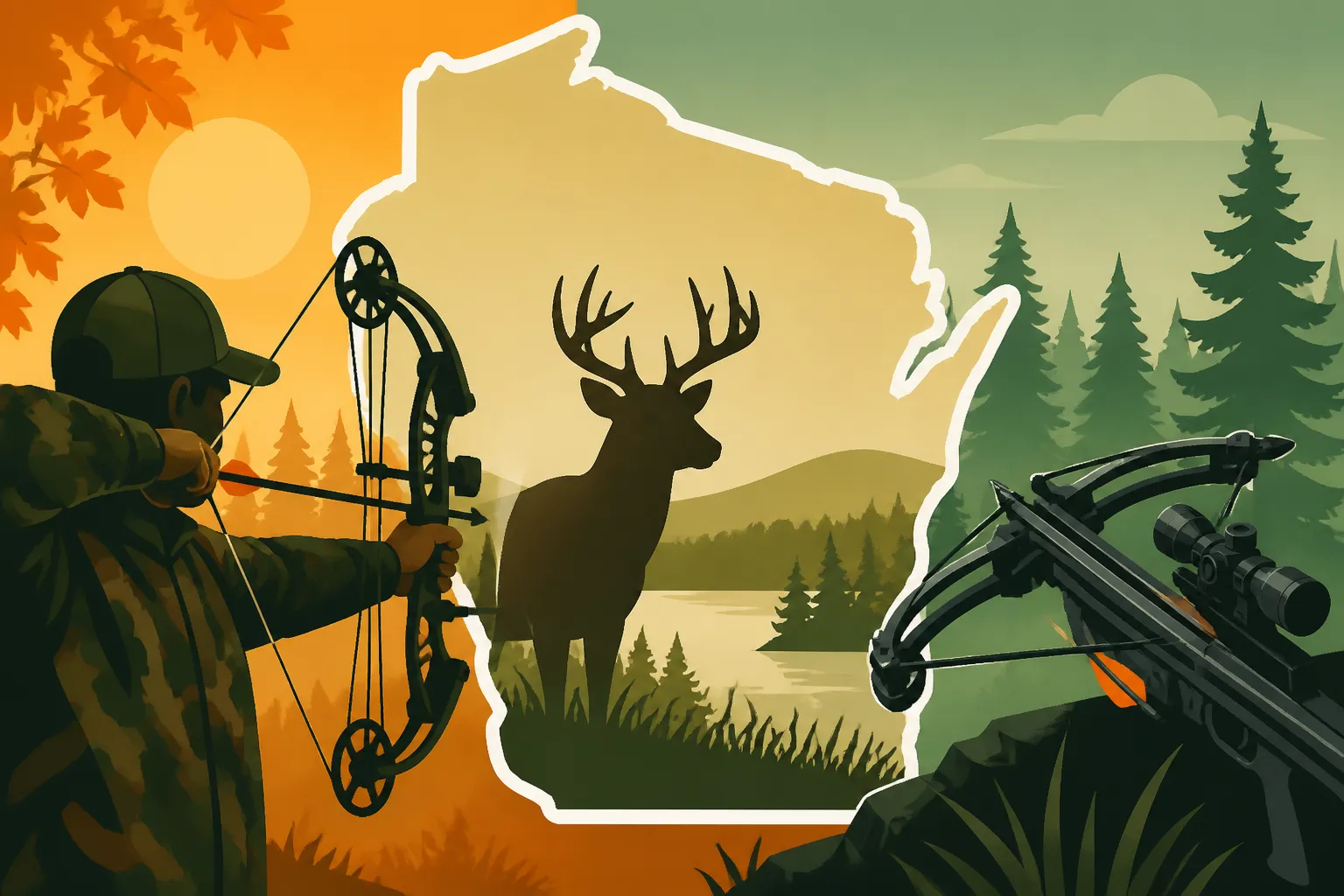
Wisconsin is unique in many ways, and its approach to archery and crossbow hunting is certainly one of them. For decades, the vertical bow reigned supreme, a traditional pursuit revered by many. Crossbows, on the other hand, had a more complex entry into the hunting landscape. Now, however, the seasons are largely unified, offering extensive opportunities for both vertical bow and crossbow enthusiasts alike.
Understanding the Unified Season Dates
The beauty of Wisconsin's archery and crossbow season lies in its incredible length, offering hunters a generous window to pursue deer. Typically, the season kicks off in mid-September, a time when the leaves are just beginning to turn, the air is still relatively mild, and deer patterns are often tied to early fall food sources and summer habits. This initial stretch, often referred to as the early archery season, provides fantastic opportunities to pattern bucks before the intense pressure of the gun season arrives.
What really sets Wisconsin apart is the way this season continues through the entire gun deer season, taking a brief hiatus for the youth gun hunt weekend, and then re-opening for a significant late-season period. The season will often run continuously from September well into January, only pausing for a couple of specific gun seasons where archers must abide by different rules. This extended framework means that whether you prefer the mild days of early fall, the intensity of the rut, or the cold, snowy quiet of post-gun season, there’s a place for you with a bow or crossbow. For many, this long stretch provides ample time to scout, adapt to changing deer behavior, and ultimately, find success. Hunters often eagerly await the specific dates, which can vary slightly year-to-year, but the overall structure remains remarkably consistent, providing a long window for Bowhunting Wisconsin's Long Archery Season.
License Requirements and Authorizations
Navigating the licensing system in Wisconsin is a common point of confusion, but once you understand the basics, it’s quite straightforward. To hunt deer with either a vertical bow or a crossbow, you'll need to purchase an archery license. The good news is that this single license covers both weapon types; you don't need a separate crossbow license anymore, as the laws changed to integrate crossbows fully into the general archery season. This was a welcome change for many, streamlining the process considerably.
When you purchase your archery license, you'll typically receive a "deer authorization" that includes a buck tag and one or more antlerless tags, depending on the zone and county you plan to hunt. These antlerless tags are crucial for managing deer populations and are often allocated based on specific deer management units (DMUs) or zones. Sometimes, you'll get a free antlerless tag with your license for certain areas, and other times you might need to purchase additional "bonus" antlerless tags. It's really important to check the Wisconsin DNR regulations for the specific county or unit you intend to hunt, as antlerless allocations can change annually based on herd health and population goals. Many resident hunters opt for the Wisconsin Conservation Patron Licence which bundles many licenses and stamps into one convenient purchase, including archery privileges. Whether you’re a resident or a non-resident, understanding Wisconsin Hunting Licences and What They Cost is the first step to a legal and enjoyable season.
Navigating Weapon-Specific Regulations
While the seasons for vertical bows and crossbows are unified, there are distinct equipment regulations you absolutely need to be aware of. The DNR has specific rules designed to ensure fair chase, hunter safety, and the proper use of these tools in the field.
Archery Equipment Rules
For traditional archery hunters, Wisconsin maintains clear guidelines on what constitutes legal equipment. When it comes to vertical bows—whether compound, recurve, or longbow—there's no minimum draw weight specified by the DNR. Instead, the regulation states that the bow must be capable of shooting an arrow 100 yards. In practice, this means a bow powerful enough to achieve sufficient kinetic energy for a clean kill shot. Most modern hunting bows easily meet this standard. The intent here is to prevent ethical issues arising from underpowered equipment.
Arrows must be at least 26 inches in length, and broadheads are where a lot of the focus lies. Only broadheads with a minimum cutting width of 7/8 of an inch are legal. This applies to both fixed-blade and mechanical (expandable) broadheads. The key is the actual cutting diameter. So, if you're using a mechanical broadhead, make sure it expands to at least 7/8 of an inch upon impact. You can use certain electronic devices on your bow, like illuminated sights (pin-style), but rangefinding capabilities integrated into the sight itself or devices that cast a visible light beam onto the target are generally prohibited. This distinction is vital for staying on the right side of the law and maintaining fair chase principles.
Crossbow Equipment Rules
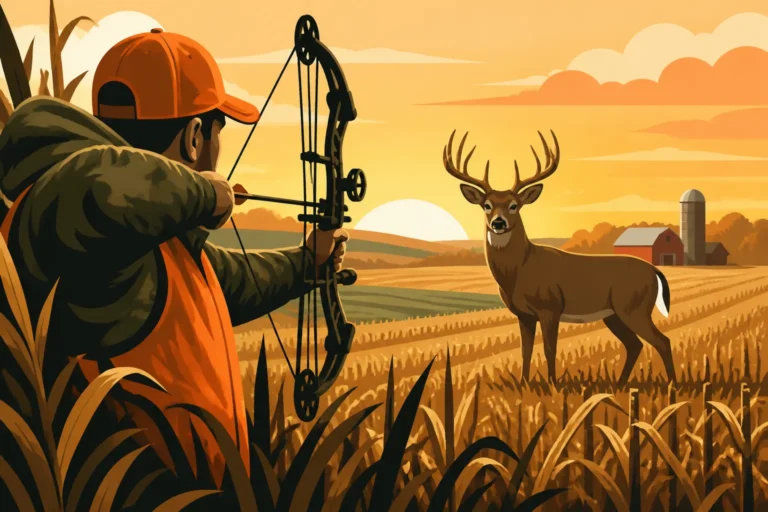
Crossbows have seen a significant shift in Wisconsin regulations over the past decade. What was once primarily an option for hunters with disabilities, crossbows are now fully integrated into the general archery season, available to all hunters without special permits or medical exemptions. This change was largely driven by a desire to introduce more hunters to the woods and offer flexibility for those who might find vertical bows challenging to master. You can get a good overview of the differences in Crossbow Versus Vertical Bow in Wisconsin.
Like vertical bows, crossbows have specific equipment requirements. There's no minimum draw weight, but they must be designed to shoot an arrow or bolt. The bolts used must also be at least 26 inches in length, and like archery, broadheads must have a minimum cutting width of 7/8 of an inch. Again, this applies to both fixed and mechanical broadheads. One key difference with crossbows is that they are inherently designed with safety mechanisms, such as an anti-dry fire feature and a safety button. Always ensure these mechanisms are in good working order before heading into the field. Many crossbows also feature integrated cocking devices, making them easier to load and operate, which are perfectly legal and common. Hunters often appreciate the added stability and ease of aiming that a crossbow provides, especially when sitting for long periods in a treestand.
Overlapping Seasons and Hunter Orange
The lengthy archery and crossbow season means it inevitably overlaps with other hunting seasons, most notably the highly anticipated nine-day gun deer season. This overlap brings with it specific rules, particularly concerning hunter visibility.
Archery/Crossbow During the Gun Deer Season
This is arguably the most critical piece of information for any bow or crossbow hunter in Wisconsin: yes, you can continue to hunt with your bow or crossbow during the gun deer season. However, there's a non-negotiable requirement: you must wear blaze orange or fluorescent pink. And not just a little bit. The rule is that at least 50% of the hunter’s outer clothing above the waist must be blaze orange or fluorescent pink. This includes hats. The reason is simple: safety. With many more hunters in the woods using firearms, visibility becomes paramount. You want to be seen.
Many bowhunters choose to put their archery gear away for the gun season and pick up a rifle, while others, dedicated to the stick and string, embrace the challenge. Just remember that during this period, you’re sharing the woods with firearm hunters, and adherence to blaze orange rules is not just a legal requirement but a fundamental safety measure. Failing to wear the appropriate color is a serious violation and puts both you and others at risk. It’s also important to be extra vigilant, as deer behavior can change dramatically under the increased pressure. Don't be surprised to see deer moving differently, seeking thicker cover, or becoming more nocturnal during the firearm season.
Hunting Without Bait in Wisconsin
Wisconsin has some of the most complex and frequently changing baiting and feeding regulations in the country, largely due to concerns over Chronic Wasting Disease (CWD). Many hunters, especially those in the southern and central parts of the state, grew up relying on bait piles to draw deer in close for a shot. However, as CWD has spread, more counties have implemented permanent or temporary baiting bans. It’s a real frustration for many, suddenly having to rethink long-held traditions and tactics. It's crucial for every hunter to check the DNR’s baiting and feeding ban map every single year before they head out, as rules can change quickly. Understanding Wisconsin Baiting and Feeding Bans is an essential part of responsible hunting.
So, what does this mean for bow and crossbow hunters? It means adapting. If your county is under a ban, you cannot use bait (like corn, apples, or mineral blocks) to attract deer for hunting purposes. This pushes hunters to rely more on scouting natural food sources like acorn flats, standing crops, or food plots. It forces a deeper understanding of deer travel corridors, bedding areas, and natural funnels. While it's an adjustment, many hunters find that it actually makes them better, more observant woodsmen. Instead of bait, focus on scouting and identifying natural browse, mast crops, and transition areas. You might also explore legal alternatives like creating small food plots on private land or focusing on areas of heavy natural browse. For more on this, check out Hunting Deer Without Bait in Wisconsin.
Key Strategies for Bow and Crossbow Hunters
Wisconsin's long archery and crossbow season offers a diverse range of conditions and deer behaviors, making it essential to adapt your strategies throughout the fall and winter. What works in September might not work in November or January.
Early Season Tactics
When the season first opens in mid-September, deer are often still in their late-summer patterns, primarily focused on food and water. Bucks might still be in bachelor groups, and their velvet will have recently shed. This is a fantastic time to pattern deer, as their movements can be quite predictable. Focus your scouting efforts on identifying key food sources – think early acorn drops, lush alfalfa fields, standing soybeans, or even suburban gardens if you’re hunting near developed areas. Deer will often move from bedding areas directly to these food sources in the late afternoon.
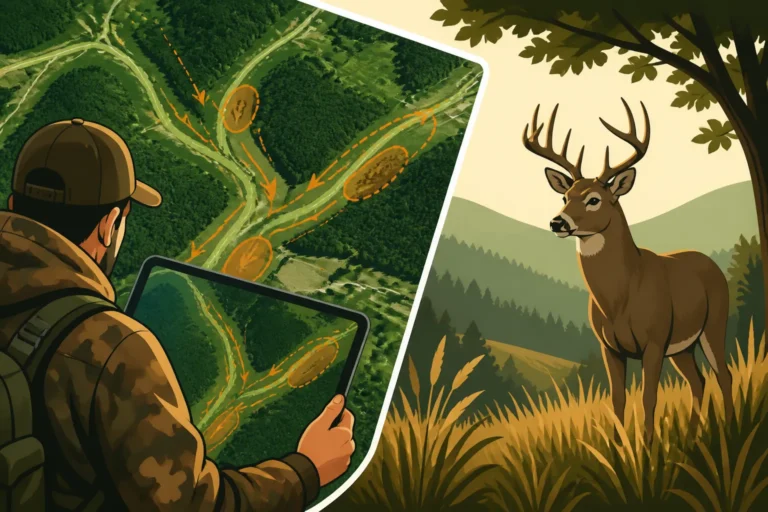
Scent control is absolutely paramount during this time, as deer haven't yet been pressured by hunters and are often less wary. Using scent-elimination sprays, washing hunting clothes in scent-free detergent, and playing the wind become critical. Accessing your stand undetected is just as important. Utilizing apps like GoHunt can be incredibly helpful for pinpointing historical feeding areas, identifying property lines, and planning quiet entry and exit routes to avoid spooking deer. Setting up along travel corridors leading to these food sources, especially near bottlenecks or funnels, can be highly productive. Think about those first few weeks as an opportunity to observe and learn before the chaos of the rut begins.
Hunting the Rut with Archery Gear
Ah, the rut! This is what many deer hunters live for. In Wisconsin, the rut typically kicks into high gear in late October and truly peaks in early to mid-November. During this frenzied period, buck behavior shifts dramatically from predictable feeding patterns to an almost singular focus on finding receptive does. This is when you'll see bucks moving at all times of the day, chasing does, rubbing trees, and making scrapes. It's also when bigger, older bucks become more vulnerable, as they are less cautious in their pursuit of breeding opportunities. You can learn more about Hunting the Wisconsin Rut in November to time your hunts perfectly.
For bow and crossbow hunters, the rut means you might need to leave those food sources and focus more on doe bedding areas, pinch points, and travel corridors that connect various parts of a buck’s home range. Calling strategies, like rattling antlers together to simulate a fight or using grunt calls to attract curious bucks, can be incredibly effective. Don't be afraid to try some aggressive calling during the peak. Setting up in a stand overlooking a scrape line along a logging road, or a natural funnel between two swamps, can put you in the perfect position. Consider using decoys to challenge an approaching buck, but always be aware of your surroundings and other hunters. Patience and persistence are key, as a hot doe can pull a buck past your stand at any moment. For insights into vocalizations, dive into Rattling and Grunting in Wisconsin.
Late Season Opportunities
After the gun season and the peak of the rut have passed, many hunters pack up their gear, but for the dedicated bow and crossbow hunter, the late season (typically December and early January) offers unique and often overlooked opportunities. Deer are exhausted from the rut, and now their primary focus is replenishing energy reserves for the brutal Wisconsin winter. Food, especially high-calorie options, becomes the dominant factor.
This means shifting your focus back to dependable late-season food sources. Standing cornfields, secluded brassica plots, forgotten acorn flats (if any remain), and areas with persistent green browse become magnets for deer. Hunting during bitter cold snaps can be incredibly effective, as deer are forced to move to feed, often in daylight, to maintain their body temperature. They'll also seek out thermal cover, such as thick conifer stands or south-facing slopes, to escape the wind and sun. Accessing these areas quietly, often through snow, is crucial. Dressing in layers, utilizing insulated boots, and bringing hand warmers are essential for enduring long, cold sits. While the deer numbers might be lower and the conditions tougher, the bucks that remain are often the ones that have eluded hunters all season, making a late-season success incredibly rewarding. For more on late season sustenance, check out Late-Season Food Sources for Whitetails.
Public vs. Private Land Considerations
Wisconsin offers a vast amount of public land, but gaining access to private land can dramatically enhance your hunting opportunities, especially for archery and crossbow hunting. Both come with their own set of challenges and rewards.
Public Land Challenges for Bowhunters
Wisconsin boasts millions of acres of public hunting land, including state forests, wildlife areas, national forests like the Chequamegon-Nicolet, and county forests. This is a tremendous resource, especially for those without private land access. However, public land often comes with increased hunting pressure, particularly during the early season and the rut. Finding secluded spots where mature deer feel safe can be a significant challenge. It requires more effort, deeper scouting, and a willingness to hike further than others. Tools like the Wisconsin Public Access Lands Maps or the GoHunt app, with its detailed mapping layers, are invaluable for identifying land ownership, potential bedding areas, and escape routes.
When hunting public land, it's essential to be mindful of specific regulations regarding treestands and ground blinds. Most public lands allow temporary stands, but they often must be removed at the end of the season. Permanent stands are generally prohibited. You also need to be aware of other hunters – safety and courtesy are paramount. Scouting prior to the season, using topographic maps, aerial photos, and walking the terrain, is even more critical on public land. Look for natural funnels, unpressured bedding areas (often in the nastiest, thickest cover), and less accessible parcels that other hunters might overlook. For detailed guidance, see Scouting Wisconsin Public Land Before Season.
Gaining Private Land Access
While public land offers opportunities, many Wisconsin hunters dream of consistent private land access. Private land often means less pressure, more stable deer patterns, and the potential to implement habitat improvements that benefit deer. However, gaining permission to hunt private land can be intimidating, and it requires respect, good communication, and often, a bit of luck.
The most effective way to gain private land access is still the old-fashioned way: knocking on doors. Don't show up in hunting gear the week before the season; instead, visit landowners in the spring or summer, well before hunting season. Be polite, well-dressed, and explain why you’d like to hunt their property. Offer to help with chores, fix fences, or even just check on things. Emphasize your respect for their land and property. Having references can help. Some landowners might be wary due to past negative experiences, so building trust is key. For more tips on this approach, look at Knocking on Doors in Wisconsin Farm Country.
Even if you get verbal permission, it's always a good idea to confirm the details, such as where you can park, which areas are off-limits, and whether you need to check in. Respecting their property, closing gates, picking up any trash (even if it's not yours), and sharing some venison after a successful hunt can go a long way in securing long-term access. Remember, you are a guest, and your actions reflect on all hunters.
| Feature | Vertical Bow (Archery) | Crossbow |
|---|---|---|
| Legal to Use By | All licensed hunters | All licensed hunters |
| Primary Season Dates | Mid-September to Early January (unified) | Mid-September to Early January (unified) |
| Required License | Archery License | Archery License |
| Minimum Broadhead | 7/8 inch cutting width (fixed/mechanical) | 7/8 inch cutting width (fixed/mechanical) |
| Minimum Arrow/Bolt L. | 26 inches | 26 inches |
| Blaze Orange Req. | Yes, during gun deer season overlap | Yes, during gun deer season overlap |
| Electronic Aids | Illuminated pin sights OK, no rangefinding scope | Illuminated scopes OK, no visible light/laser |
Safety, Ethics, and Best Practices
Hunting in Wisconsin, particularly with archery and crossbow equipment, is an incredibly rewarding pursuit. However, it comes with a serious responsibility to prioritize safety and adhere to ethical standards. These aren't just rules; they're the foundation of our hunting heritage.
Essential Safety Practices
Safety should always be the number one priority, whether you're climbing into a treestand or tracking an animal. For bow and crossbow hunters, treestand safety is paramount. Every single time you go into a stand, you should be wearing a full-body safety harness, and it should be attached to the tree from the moment your feet leave the ground until they return to it. Far too many accidents happen from falls, and most are preventable with proper use of a harness and a lifeline. Inspect your stand and straps regularly for wear and tear. When setting up a stand, especially on public land, consider durable and secure options. For guidance on optimal setups, refer to Treestand Setups in Wisconsin Hardwoods.
Beyond treestands, always be aware of your surroundings. Identify your target positively before drawing your bow or cocking your crossbow, and know what lies beyond it. Never take a shot you're not confident in making. In cold weather, ensure your hands and fingers are warm and functional. When retrieving game, particularly after dark, always let someone know where you're going and when you expect to return. Always carry a first-aid kit, a reliable light source, and a charged phone.
Ethical Hunting and Fair Chase
Ethical hunting goes beyond simply following the law; it's about respecting the animal, the land, and the hunting tradition. For bow and crossbow hunters, this means striving for the quickest, most humane kill possible. This requires extensive practice with your equipment to ensure accuracy, understanding deer anatomy for optimal shot placement, and knowing your effective range. Don't take a marginal shot simply because a buck is close; wait for the perfect opportunity.
After taking a shot, give the animal ample time before tracking, especially if it's a marginal hit. Rushing in can push a wounded animal further, making recovery more difficult. If you've shot a deer and it runs, mark the last spot you saw it and the direction it went, then wait. A general rule of thumb is to wait at least 30 minutes for a good lung hit, and several hours (or even overnight) for a suspected gut shot. Be thorough in your tracking, looking for blood, hair, and disturbed ground. If you find yourself in a tricky situation, like trying to follow a faint blood trail after the sun has set, consider using techniques discussed in Blood Trailing After Dark in Wisconsin to aid in recovery. Ethical hunters prioritize recovery and minimize suffering, upholding the integrity of the sport.
Disclaimer
Please remember that hunting regulations, season dates, and specific rules can change. This guide provides general information based on common practices and recent regulations. It is your responsibility to consult the most current Wisconsin Department of Natural Resources (DNR) hunting regulations pamphlet or their official website before heading into the field. Ignorance of the law is not a defense. Stay safe and happy hunting!