Running a Trapline in Northern Wisconsin
Running a trapline in Northern Wisconsin is an endeavor that captures the essence of the wild, but it's far from a walk in the park. The vast forests, brutal winters, and often elusive furbearers present unique challenges that can be incredibly frustrating for even seasoned outdoors enthusiasts. This comprehensive guide aims to demystify the process, offering practical advice and in-depth insights to help you successfully and ethically navigate the demanding world of northern Wisconsin trapping.
Navigating Northern Wisconsin Trapping Regulations and Permits
Before you even think about setting steel, understanding the complex web of regulations in Wisconsin is paramount. The Department of Natural Resources (DNR) sets specific rules that govern everything from license types to trap placement, and these are especially critical in the northern zones where valuable furbearers like bobcat and fisher thrive under stricter management. Disregarding these rules isn't just unethical; it can lead to hefty fines and loss of privileges.
Understanding Wisconsin's Trapping License Requirements
Obtaining the correct license is your first step into the world of trapping. In Wisconsin, all trappers, regardless of age, must possess a valid trapping license. This isn't just a simple hunting license with a trapping add-on; it's a dedicated authorization. If you're new to trapping, you'll also need to complete a trapper education course, which covers ethics, trap types, animal identification, and regulations. This course is invaluable, providing foundational knowledge that goes far beyond what you might read in a pamphlet. Remember, you'll manage your licenses and authorizations through the state's Go Wild system, a centralized platform for all your hunting and fishing needs. When you log in, make sure you're selecting the specific trapping options, as a general hunting license won't cover your trapline activities.
Species-Specific Regulations and Zones
Northern Wisconsin is home to several highly sought-after furbearers, each with its own set of rules. Species like bobcat, fisher, and otter are managed under a quota system, meaning you'll need to apply for a permit and be drawn in a lottery. These permits are typically zone-specific, with the northern zones often having higher allocations due to healthier populations. It’s crucial to know which zone you're applying for and to understand the specific season dates, bag limits, and legal trap types for each animal. For example, trapping bobcat requires a different strategy and possibly different trap sizes than trapping muskrats. Beyond the draw species, you’ll also find opportunities for beaver, muskrat, mink, fox (red and gray), and coyote, which typically have longer, more open seasons but still require adherence to specific trap and location rules. You can find detailed information on these specific seasons and tagging requirements by checking out the guide on Wisconsin Trapping Seasons and Tagging. Always double-check the current year's regulations because they can change annually based on population surveys and management goals.
Carcass Handling and Reporting Procedures
Once you've successfully harvested an animal, your responsibilities don't end there. Wisconsin has strict rules for carcass handling and reporting, especially for quota species like bobcat, fisher, and otter. These animals often require immediate registration and a visit to a DNR station for tagging within a specified timeframe. This tagging process helps the DNR collect vital data for population management and ensures proper harvest quotas are met. For some species, the DNR may also request lymph nodes or tissue samples for disease monitoring, such as CWD, although this is more common for deer. Understanding Carcass Movement Restrictions is also important, especially if you plan to transport your harvest across county lines, as certain areas have specific rules to prevent the spread of disease. Improper registration or tagging can lead to penalties, so always err on the side of caution and follow the guidelines precisely.
Essential Gear and Setting Up Your Northern Trapline
Trapping in Northern Wisconsin isn't just about placing a few traps; it's about being prepared for the environment and having the right tools for the job. The deep snow, bitter cold, and rugged terrain demand specialized gear and setups that can withstand the elements and effectively capture your target furbearers. Without proper preparation, your efforts will likely be met with frozen traps, missed opportunities, and a lot of frustration.
Trap Types and Modifications for Cold Weather
The type of trap you choose needs to match both the species you're targeting and the harsh northern climate. For larger furbearers like bobcat, fox, and coyote, strong, reliable foothold traps are essential. Models like the MB-550, Bridger Brawn, or Duke #1.75 to #3 are popular choices. For fisher and otter, you might opt for body-grip traps such as the Conibear 220 or 330, particularly for water sets or cubby sets. Beavers, of course, necessitate robust body-grip traps, typically the Conibear 330, or specialized snare systems designed for underwater use.
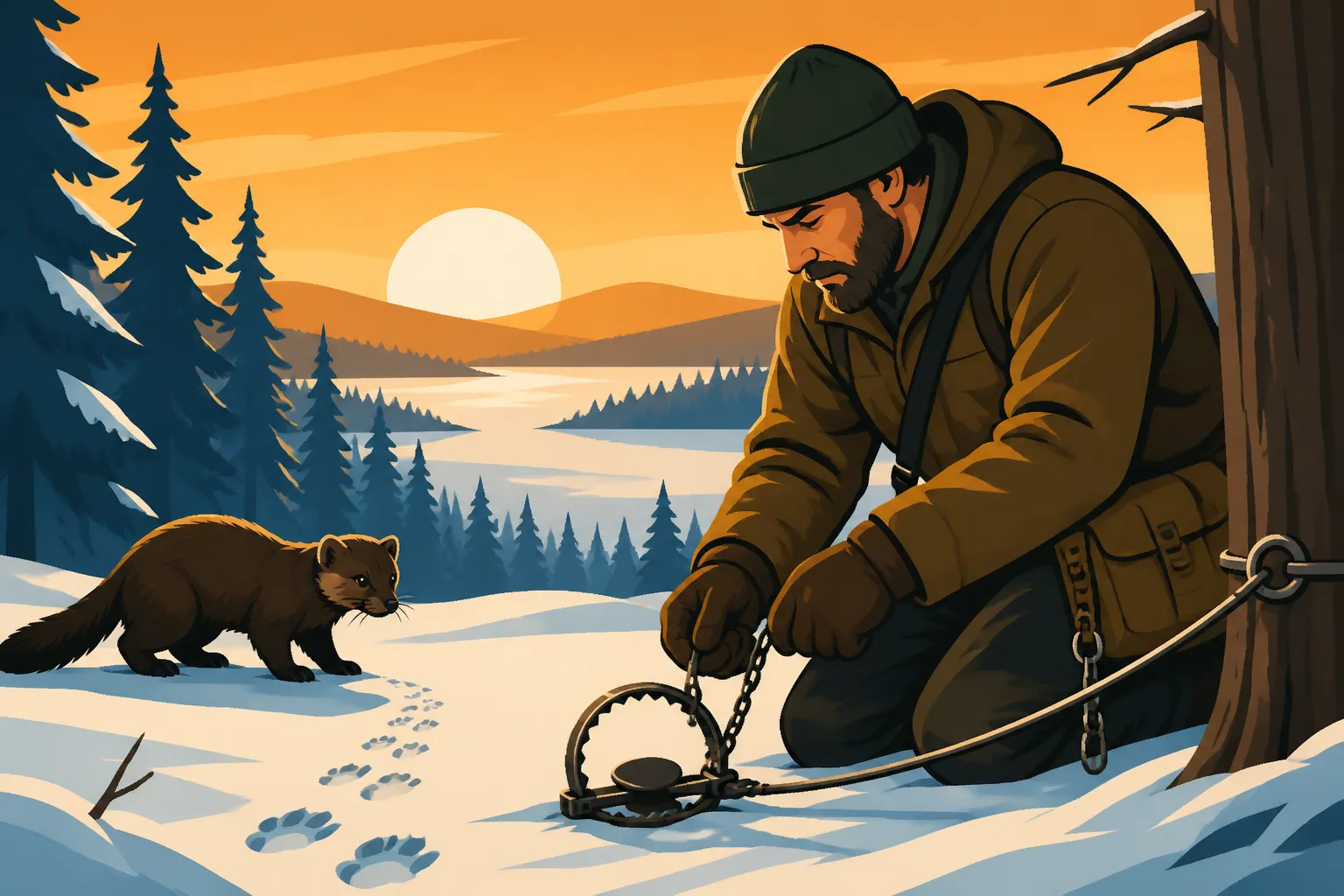
The key in Northern Wisconsin is cold weather modification. Freezing temperatures mean traps can become inoperable quickly. Trappers often wax their traps to prevent rust and help shed ice and snow. Another crucial modification is adding heavy-duty chains and swivels to prevent powerful animals from twisting out or damaging the trap. For deep snow, you'll need to use trap pans with large, solid bases or cover your traps with fine-mesh screen or peat moss to prevent snow from packing under the pan and firing mechanisms. Setting traps on waxed paper or polyfill can also help insulate them from the frozen ground, ensuring they fire smoothly. Remember, the goal is a functioning trap, even when the mercury plummets.
Baits, Lures, and Scents for Northern Furbearers
Effective baits and lures are the calling card for your trapline. In Northern Wisconsin, furbearers are often opportunistic feeders, but specific scents can be incredibly effective. For coyotes and fox, strong, curiosity-based lures with a hint of skunk or glands, combined with a visual attractor like a bit of wool or feather, work well. Fish-based baits, especially those with a strong, lingering odor, are excellent for fisher and bobcat, often placed in cubbies or log sets. Beaver castor is a universally attractive scent, not just for beaver themselves, but also for otter and even some canines.
Consider the prevailing conditions when choosing lures. In extreme cold, some oil-based lures might become too stiff. Opt for those designed to maintain their potency in low temperatures. Many veteran trappers create their own potent concoctions, but there are numerous high-quality commercial lures available from brands like Minnesota Trapline Products (MTP) or F&T Fur Harvester's Trading Post, tailored to northern species. The trick is to apply just enough to draw attention without overdoing it, which can sometimes spook wary animals.
Trapline Tools and Safety Essentials
A well-equipped trapping pack is your best friend in the Northwoods. Beyond your traps and lures, you’ll need a robust set of tools. Trap setters are non-negotiable for safely compressing powerful body-grip traps. A sturdy digging tool, whether a trowel or a small axe, is essential for preparing trap beds in frozen or rocky ground. Heavy-duty gloves protect your hands from cold, sharp trap edges, and potentially aggressive animals. A good hatchet or saw will help you prepare natural cubbies or cut poles for leaning pole sets.
Safety should always be your top priority. Carrying a comprehensive first-aid kit is critical, especially when you're often far from help. A GPS unit or a reliable mapping app like those offered by GoHunt, paired with a physical map and compass, will ensure you don't get disoriented in the vast tracts of public land like the Chequamegon-Nicolet National Forest Hunting areas. A headlamp with extra batteries, a knife, and a fire-starting kit are also basic survival essentials for any time spent in the remote northern wilderness. A long drag chain or rope can be invaluable for removing larger animals from the trap site.
Strategic Trapline Placement and Management in the Northwoods
Placing your traps isn't random; it's a strategic art form built on understanding animal behavior, habitat, and the unique challenges of the northern landscape. A poorly placed trap is a wasted trap, and in the vastness of Northern Wisconsin, you need every advantage you can get.
Reading the Northern Landscape for Furbearer Sign
The key to successful trapping is knowing where your target animals are traveling and concentrating. In the Northwoods, this means learning to interpret subtle signs. For beaver and otter, focus on waterways: dam areas, fresh cuttings, slides where they enter and exit the water, and active lodges. These are obvious hotspots. For bobcats and fishers, look for dense conifer swamps, particularly areas with blowdowns or rock outcroppings, which provide cover and hunting grounds. They often utilize old logging roads, game trails, and natural pinch points between different habitat types as travel corridors. Coyote and fox will also use these roads and trails, but you'll also find them patrolling the edges of clearcuts, open areas, or marshy transitions, particularly where small game like Rabbit and Hare Hunting in Wisconsin is good.
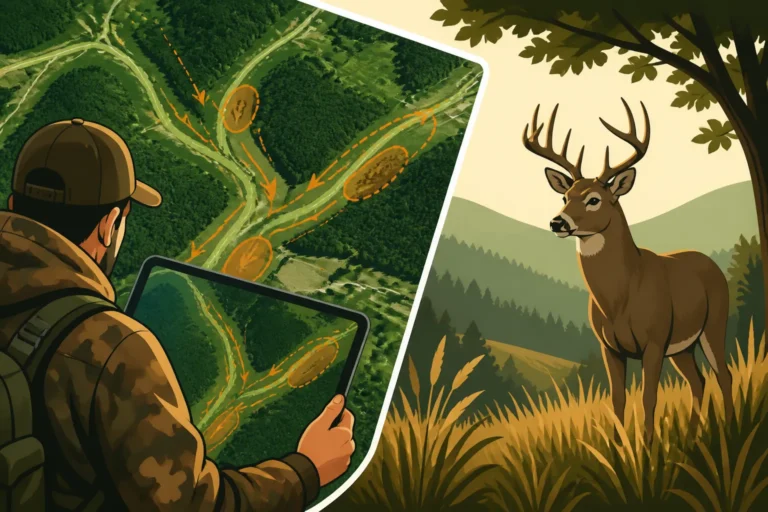
Learning to read aerial photos, perhaps using a detailed app like GoHunt, can help you identify these features from above. Look for changes in vegetation, water features, and contours. Understanding Finding Sign in Big Timber involves looking for tracks, scat, rub marks, or kill sites that indicate activity. Identifying "pinch points"—areas where animals are naturally funneled due to terrain features like narrow strips of land between swamps or steep ridges—is paramount for effective trap placement.
Setting for Specific Northern Wisconsin Species
Once you've identified promising areas, tailor your sets to the specific furbearer.
-
Bobcat and Fisher: These elusive carnivores prefer cover. Cubby sets, made from natural materials like logs or rocks, or purpose-built wooden boxes, are highly effective. Place a foothold trap at the entrance, often with a lure or bait inside. Leaning pole sets, where a body-grip trap is placed on a pole leaning over a trail, are also excellent for fisher, as they are agile climbers. Coniferous swamps are prime habitat, so focus on trails leading into or through these dense areas.
-
Beaver and Otter: Water sets are king here. For beaver, dive into the active channels leading to and from their lodges or dams, placing body-grip traps submerged. Snares can also be deadly in these underwater runways. Otter, being more nomadic, can be caught on slides where they enter the water or at narrow points in streams or rivers with foothold traps. Remember that a lot of public lands offer ideal habitats for both, such as Wisconsin Waterfowl Hunting on Marsh and River areas.
-
Coyote and Fox: Dirt hole sets or post sets are standard. A dirt hole set simulates a cache made by a small animal, using a foothold trap covered near the opening, with lure and bait placed inside. Post sets use a prominent object like a stump or rock as a visual attractor, with lure applied to it and a trap carefully concealed nearby. Focus these sets along field edges, logging roads, or natural funnels between woodlots. Coyote Calling in Wisconsin Winter provides insights into their behavior, which can inform trap placement.
Daily Trapline Checks and Winter Challenges
The Wisconsin DNR mandates specific check times for traps, typically at least once every 24 hours. In the harsh northern winter, this is not just a rule; it's an ethical imperative. Trapping in deep snow and sub-zero temperatures presents unique challenges. Your traps can freeze solid overnight, get buried under fresh snowfall, or be covered in drifting snow. This requires daily vigilance and adaptability.
You'll need to develop a routine for clearing snow from traps, checking for ice, and ensuring the pan tension is still correct. Sometimes a trap will fire but not catch, or an animal may pull out, leaving a sprung trap and valuable sign. Learn to identify these occurrences and adjust your set or relocate your traps if an area proves unproductive or too challenging. The amount of physical effort required to move through deep snow, especially in remote areas, means your trapline must be manageable in length and accessibility. This is where scouting before the season, identifying clear Entry Routes on Steep Driftless Ground (though less prevalent in the north, the concept of efficient travel applies), and having a well-planned route becomes invaluable.
Sustaining a Trapline and Ethical Considerations
Running a trapline in Northern Wisconsin is more than just catching furbearers; it's a commitment to ethical practices, wildlife conservation, and continuous learning. It’s about being a responsible steward of the land and its resources, ensuring the tradition can continue for generations.
Maintaining Equipment and Off-Season Prep
Trapping gear takes a beating, especially in the rugged Northwoods. The off-season is the time for meticulous maintenance. Rust is the enemy of steel traps, so cleaning, dyeing, and waxing your traps is essential for longevity and camouflage. Boiling traps in logwood dye and then dipping them in a wax solution helps protect them from the elements and removes any human scent. Inspect chains, swivels, and springs for wear and tear, replacing any compromised components.
Beyond the traps, your other gear needs attention too. Repair any tears in your pack, sharpen your digging tools, and ensure your boots are waterproofed and ready for the next season. The off-season is also a great time to experiment with new lure recipes or research new trapping techniques. Many trappers enjoy making their own baits and lures, which adds another layer of satisfaction to the craft. This preparation ensures you're ready when the season arrives and minimizes frustrating equipment failures in the field.
Wildlife Conservation and Best Practices
Modern trapping is built on a foundation of responsible wildlife management. Trappers play a crucial role in monitoring furbearer populations and contributing valuable data to state agencies. Ethical trapping involves minimizing non-target catches through careful set selection and trap placement. If a non-target animal is caught, it should be released unharmed if possible. Quick, humane dispatch of captured animals is a cornerstone of ethical trapping, minimizing stress and suffering.
Understanding the ecology of the furbearers you pursue, their reproductive cycles, and their role in the ecosystem helps you make informed decisions about your harvest. This knowledge contributes to sustainable practices, ensuring healthy populations for the future. Supporting organizations that promote science-based wildlife management and trapper education is also part of being a responsible trapper.
Mentorship and Learning Resources
Trapping is a craft best learned through experience, and mentorship is invaluable. Seek out experienced trappers in your area who are willing to share their knowledge. Local trapping associations often hold workshops and field days where you can learn hands-on techniques. The Wisconsin Trappers Association (WTA) is an excellent resource, offering educational programs, promoting ethical standards, and advocating for trappers' rights.
Don't be afraid to start small, perhaps targeting beaver or muskrat before moving on to more challenging species like bobcat. Every day on the trapline is a learning experience. Utilize all available resources, from DNR publications to online forums and detailed mapping tools like those from GoHunt, which can help you identify prime habitat and access points on public lands. By continually honing your skills and respecting the animals and the land, you'll find immense satisfaction in the challenging yet rewarding pursuit of running a trapline in Northern Wisconsin.
Here's a quick reference for common northern Wisconsin furbearers and their associated trapping considerations:
| Furbearer | Primary Trap Types | Typical Habitat | Common Lures/Baits | Notes |
|---|---|---|---|---|
| Bobcat | Foothold (#2-3), Body-grip (220) | Conifer swamps, rocky areas, dense cover | Fish, meat, gland lures | Quota species, requires lottery permit |
| Fisher | Foothold (#1.5-2), Body-grip (220) | Mixed/conifer forests, log piles | Fish, sweet lures, gland | Quota species, requires lottery permit |
| Otter | Foothold (#1.75-2.5), Body-grip (220, 330) | Rivers, lakes, streams, beaver ponds | Fish, beaver castor | Quota species, requires lottery permit |
| Beaver | Body-grip (330), Snare | Rivers, streams, ponds, flowages | Beaver castor, poplar | Abundant, often trapped in water sets |
| Coyote | Foothold (#1.75-3) | Forest edges, clearcuts, open areas | Gland, curiosity lures, urine | Often wary, requires subtle sets |
| Red Fox | Foothold (#1.5-2) | Farmland edges, open woods, brushy areas | Gland, fruit, food lures | Similar to coyote but often less powerful |
| Mink | Foothold (#1.5), Body-grip (110, 160) | Stream banks, marsh edges, ponds | Fish, musk, gland | Aquatic, often caught in blind sets |
Disclaimer
The information provided in this guide is for informational purposes only and is not a substitute for official Wisconsin Department of Natural Resources regulations. Trapping laws and seasons are subject to change. Always consult the current Wisconsin trapping regulations pamphlet and relevant statutes before setting traps. Compliance with all federal, state, and local laws is the sole responsibility of the individual trapper.