Hunting Pressure on Wisconsin Public Land
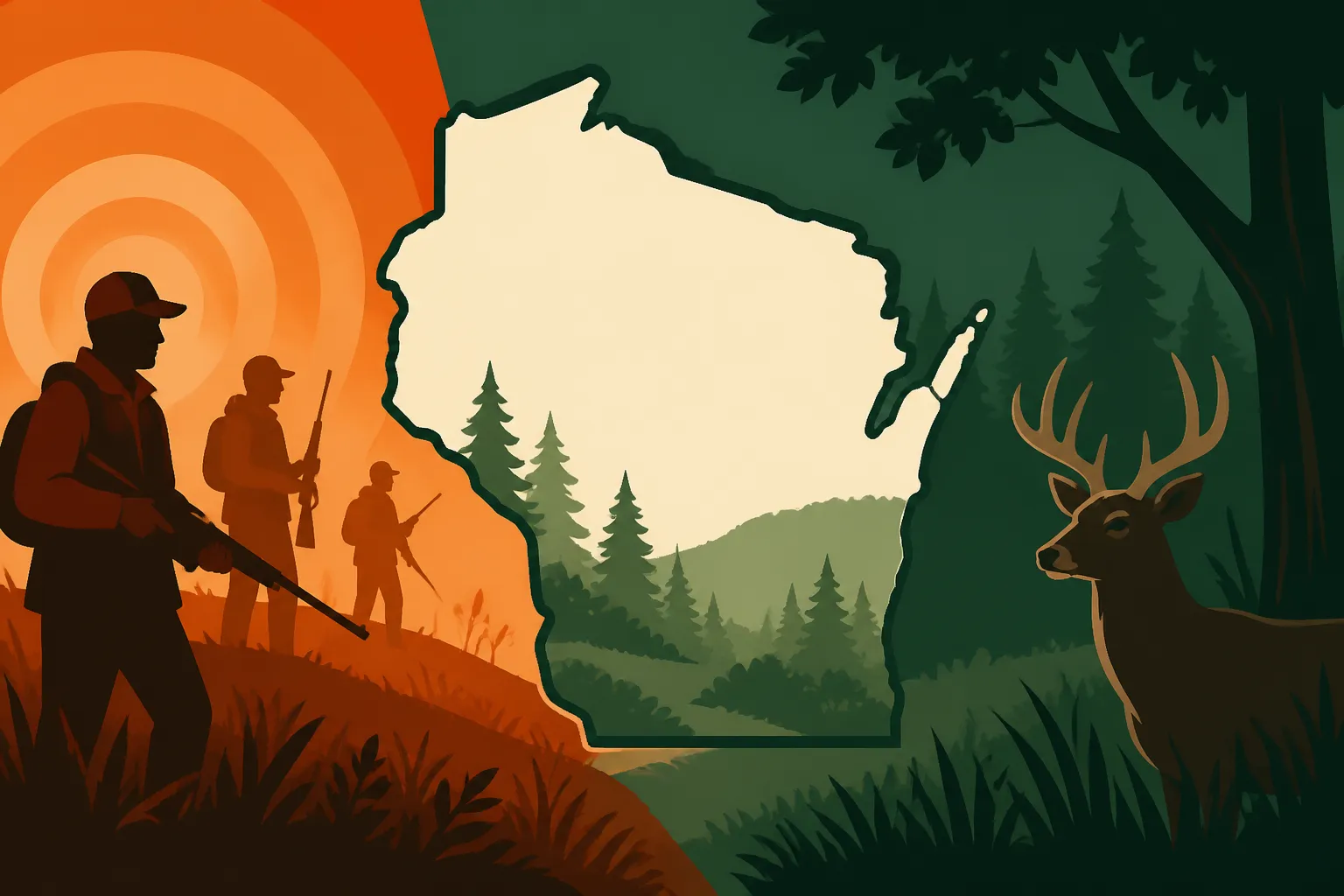
Oh, the age-old dilemma of hunting public land in Wisconsin. We've all been there: you meticulously scout a promising piece of public ground, mark out your perfect stand location, and then opening day arrives, and it feels like the entire county decided to set up shop right next to you. The frustration of navigating crowded woods, dealing with constant foot traffic, and watching deer disappear into the next zip code because of pressure is a real bummer. This guide is all about understanding why public land can feel so congested and, more importantly, how you can still find success by outsmarting the crowds and adapting your strategies.
Understanding the Reality of Public Land Pressure in Wisconsin
Let's face it, public hunting land in Wisconsin is a precious resource, and for many of us, it's our only option. This means it often bears the brunt of a lot of boots on the ground. Understanding why and when this pressure peaks is the first step to figuring out how to deal with it.
Why Public Land Gets Crowded
Wisconsin boasts a rich hunting heritage, and a significant portion of our hunters rely on public lands – from sprawling national forests like the Chequamegon-Nicolet to smaller state wildlife areas and county forests. When you consider the sheer number of licensed hunters in the state, and the limited amount of truly accessible public ground, it’s no surprise that certain areas can feel like a parking lot. Many hunters live in or near urban centers and flock to the closest or most well-known public parcels. Access points are often obvious, leading to a funneling effect where everyone starts their hunt from the same spot, radiating out into the woods. It's a natural consequence of having a vibrant hunting community sharing a finite resource.
Seasonal Fluctuations and Peak Times
The pressure isn't constant; it ebbs and flows throughout the seasons. If you've ever hunted Opening Weekend Tactics in Wisconsin, you know that the first few days of any major season, especially gun deer season, are an absolute circus. Thousands of hunters descend upon public lands, hoping for that initial burst of deer movement. The early archery season, particularly around Labor Day, also sees a spike. Then there's the Hunting the Wisconsin Rut in November, a magical time that draws even more hunters out, convinced that this is their best chance for a trophy buck. Even during the often-overlooked Wisconsin Muzzleloader Season Tactics, you can find pockets of intense pressure. As seasons progress, the pressure tends to taper off, but certain weekends or holidays will always see a resurgence of activity. Knowing these peak times helps you plan your hunts to avoid the worst of the crowds or, conversely, to use the pressure to your advantage.
The Impact of Hunter Density on Deer Behavior
Deer are incredibly adaptable creatures, but they're not dumb. Constant human presence, the smell of boots, the sound of voices, and the general commotion of hunting pressure quickly teach them to become nocturnal or to seek out the thickest, nastiest cover available. In highly pressured areas, deer learn to pattern us. They'll hold tight in swamps or dense thickets during daylight hours, only venturing out to feed under the cover of darkness. They'll also quickly abandon easy-to-access food sources for more remote, secure ones. You'll often find that the biggest bucks, the ones that have survived a few seasons, are the most adept at avoiding hunters. Their behavior shifts from curiosity to extreme caution, making them incredibly challenging to hunt. This is why just "showing up" on public land rarely yields consistent results, especially when others are doing the same.
Strategies to Navigate High-Pressure Areas
While public land pressure is a fact of life, it doesn't mean you're doomed to empty-handed hunts. With some strategic thinking and a willingness to work a little harder, you can still find success.
Early Bird Gets the Worm: Beating the Crowds to the Woods
One of the simplest ways to avoid bumping into other hunters is to be the first one in the woods. This means setting your alarm even earlier, getting to your chosen spot well before legal shooting light, and being settled and quiet before the majority of hunters even hit the parking lot. On Opening Weekend Crowds on Wisconsin Public Land, the woods often come alive with the sound of hunters walking in up until legal shooting time. If you're already in your stand, scent controlled, and absolutely still, you'll witness deer movement that those later arrivals will likely spook. Being early also gives you the psychological edge – you know you're in there first, and that confidence can make a difference. It also ensures you're not walking past other hunters who are already set up, which can be frustrating for everyone involved.
Hunting During Off-Peak Hours and Days
If you have the flexibility, try hunting public land during weekdays rather than weekends. The difference in hunter numbers can be astounding. Mid-week hunts, especially Tuesday through Thursday, often see a dramatic drop in pressure, making for a much more enjoyable and potentially productive experience. Even during weekends, consider hunting during midday. Many hunters come out for the morning or evening prime times, but will head back to camp or home for lunch. Those few hours in the middle of the day can be surprisingly effective, particularly during the rut when bucks are cruising all day long. The deer may be bedded down, but if other hunters have pushed them, they might be on the move through areas you're quietly watching. This strategy also applies to Hunting the Second Week of Gun Season or later periods, when the initial rush has subsided.
Embracing Tough Terrain and Remote Access
This is where the real opportunities on pressured public land often lie. Most hunters will take the path of least resistance. They stick to trails, logging roads, and easy-to-access timber. This means that the nastier, thicker, swampier, or steeper terrain often goes untouched. Areas that require a bit more effort – think Getting a Deer Out of a Wisconsin Swamp, scaling a Driftless Coulee Public Ground wall, or navigating dense cedar swamps – are precisely where pressured deer seek refuge.
Consider this: a deer that has been bumped twice by hunters walking a ridge line will often dive into the deepest, thickest alder swamp it can find. If you're willing to put in the effort to access these hidden pockets, you're much more likely to find deer that haven't been constantly harassed. This might mean investing in good rubber boots, waterproof clothing, and a sturdy pack. It’s not always glamorous, but it’s often the key to consistent success on public ground. Remember, deer want security, and if that security is found in an area most hunters avoid, that's where they'll be.
Finding the Road Less Traveled: Locating Unpressured Zones
Success on public land isn't just about putting in the time; it's about smart planning and using all the tools at your disposal to identify those hidden gems.
Deep Diving into Maps and Aerial Imagery
Before you even set foot in the woods, spend serious time studying detailed maps and aerial imagery. Tools like GoHunt or onX Hunt are invaluable for this. Look for features that scream "hunter avoidance" – dense swamps, steep ravines, creek crossings without bridges, or areas a considerable distance from known trails and parking lots. Identify bottlenecks, pinch points, and natural funnels that deer might use to travel between security cover and food sources, especially those that require navigating challenging terrain.
A prime example might be a finger ridge that extends into a large, dense swamp. Most hunters will walk the easier, higher ground. But deer, especially mature bucks, will often skirt the edge of that swamp, using the finger ridge as a safe travel corridor because they know humans won't venture too far into the muck. Reading Aerial Photos for Coulee Deer or Finding Ground Others Walk Past means looking for those subtle topographical changes or vegetation differences that indicate a hidden sanctuary.
Scouting Smarter, Not Harder
Once you've identified potential low-pressure areas on your maps, it's time for some boots-on-the-ground scouting. But remember, the goal isn't just to find deer sign; it's to confirm that the area is indeed less pressured. Look for signs of other hunters as much as deer sign. Are there fresh boot tracks, old flagging tape, or remnants of makeshift stands? If so, move on.
Focus on finding hidden food sources that aren't obvious from a distance. Maybe there's a small pocket of oaks dropping acorns deep in a cedar swamp, or a remote stand of apples that no one bothered to check. Look for heavy deer trails leading into or out of bedding areas that are tucked away in overlooked thickets. Scouting Wisconsin Public Land Before Season should involve checking these hidden spots for rubs, scrapes, and fresh droppings. If you find heavy sign without evidence of other hunters, you've likely hit the jackpot.
Considering Smaller, Less Obvious Public Parcels
Many hunters gravitate towards the large, well-known public hunting grounds. But don't overlook smaller parcels, such as those designated under Managed Forest Law Land Open to Hunters or the Wisconsin Voluntary Public Access Acreage. These areas, often adjacent to private land, can be overlooked by the masses simply because they're not as expansive or well-advertised. Sometimes, a 40-acre MFL parcel tucked behind a farm field can hold a disproportionate number of deer because it acts as a daytime sanctuary from pressure on surrounding private land or larger public tracts.
It's a bit like finding a hidden treasure. These smaller pieces require more effort to locate and research – often involving a deeper dive into DNR mapping tools or local county plat books – but the payoff can be significant. They often offer a more intimate hunting experience with far less competition. Just make sure you understand What MFL Open Land Allows You to Do before you head out, as rules can vary slightly.
Here's a quick comparison of public land types and their typical pressure levels:
| Public Land Type | Typical Pressure Level | Ideal Hunting Times | Key Strategy |
|---|---|---|---|
| State Wildlife Areas | High | Weekdays, Late Season | Deep dives into dense cover, remote corners |
| County Forests | Moderate to High | Weekdays, Off-trail, Midday | How Far to Walk From a Logging Road, embrace swamps |
| National Forests | Moderate | Remote backcountry, Midweek | Miles from vehicle access, rugged terrain |
| Managed Forest Law (MFL) Open | Low to Moderate | Anytime, especially with scouting | Small pockets, adjacent to private land, specific rules |
| Voluntary Public Access (VPA) | Low | Anytime, with current intel | Often smaller, overlooked, check boundaries carefully |
Leveraging Technology and Timing to Your Advantage
In today's hunting world, technology isn't just for checking the weather. It's a powerful tool to help you find and adapt to pressured deer.
Using Mapping Apps for Deeper Reconnaissance
I mentioned GoHunt earlier, and it, along with other apps like onX Hunt, can be your best friend when trying to navigate public land pressure. These apps offer layers that show public vs. private land, property boundaries, aerial imagery, topographic maps, and even timber harvest data. Use these features to pinpoint areas with dense cover, steep inclines, or water barriers that deter most hunters. The "heat map" feature in some apps can even show you where other hunters have recently been, allowing you to choose a different approach.
For instance, if you're looking at a large tract of national forest, Using the Wisconsin Hunt Wild App or GoHunt can help you identify a clearcut from five years ago that now provides exceptional bedding cover. Most hunters might ignore it, but deer will gravitate there. You can also mark potential bedding areas, travel corridors, and even specific trees for stand setups, all from your couch before you ever step foot in the woods. This level of detail helps you Reading a Ridge Point for Deer Movement or Setting Up on an Aspen Cut Edge with far more precision.
Understanding Deer Movement Patterns Under Pressure
It's crucial to understand how deer move when pressured. They don't just disappear; they adapt. Instead of moving openly, they will slink through the thickest cover, often moving directly away from perceived threats. They become masters of using topography to their advantage, sticking to creek bottoms, brushy draws, and the lee side of ridges. They'll also move during times of less activity. This might mean the first hour after legal shooting light, or the last hour before dark, when most hunters are either still walking in or heading back to their vehicles.
Sometimes, the best strategy is to embrace the pressure. On a public land deer drive, understanding the pushers' lines can tell you where deer are most likely to sneak out. Or, if you know a particular bottleneck or Hunting a Funnel Between Two Swamps tends to get pressured, positioning yourself further downwind or deeper into a thicket can intercept deer that have already been bumped but are still trying to escape undetected.
Adapting Tactics for Pressured Deer
Hunting pressured deer requires a more nuanced approach. Still-hunting, for example, can be incredibly effective. Instead of sitting in a static stand all day, slowly creep through dense cover, pausing frequently to scan for movement. This works well in areas like Still-Hunting Wisconsin Cedar Swamps, where deer are likely to be bedded tight. Use the wind, move slowly, and be prepared for a close-range shot.
Another tactic is to rethink your calling strategy. Aggressive rattling might work on unpressured deer during the rut, but in areas with heavy hunter presence, it might just alert other hunters or send savvy bucks running. Instead, opt for subtle grunt calls or soft doe bleats, just enough to pique a deer's curiosity without giving away your exact location. For Grunt Calls in Mature Timber, a quiet, inquisitive grunt might be all it takes.
Finally, consider your stand setups. Instead of setting up on obvious travel routes, position your stand overlooking dense bedding cover, especially if it's difficult to access. Deer might come out of these sanctuaries later in the day, or move along their edges, feeling safe. Remember, if it's easy for you to get to, it's easy for other hunters too, and pressured deer know that. Always be thinking about how deer would evade a hunter, and then place yourself in their escape path.
Disclaimer
Hunting is an inherently risky activity. Always prioritize safety, adhere to all Wisconsin Department of Natural Resources regulations, and obtain appropriate licenses and tags before heading into the field. The information provided here is for educational purposes and should not replace proper hunter education or personal judgment. Be aware of your surroundings, know your target and what is beyond it, and respect private property boundaries.