Thermal and Night Vision Rules in Wisconsin
It can be incredibly frustrating trying to keep up with all the rules and regulations when it comes to hunting, especially when new technology comes into play. You see all these cool videos online of folks using thermal and night vision gear, and naturally, you wonder if it’s something you can use for your next hunt here in Wisconsin. The truth is, the rules for these advanced optics can be a real head-scratcher, creating a lot of confusion about what's legal and what could land you in hot water. This guide is here to untangle that knot, offering a clear, comprehensive look at Wisconsin's regulations regarding thermal and night vision devices for hunting, so you can hunt smart and stay legal.
Understanding the Legal Landscape: Wisconsin's Regulations
When it comes to hunting in Wisconsin, understanding the rules around equipment like thermal and night vision is paramount. It’s not just about knowing what the gear does, but how the state's statutes interpret its use, particularly concerning the prohibition of artificial light for most game species. This area of law can feel like a minefield, with well-intentioned hunters accidentally crossing lines due to a lack of clear information.
Wisconsin law generally prohibits hunting most wild animals with the aid of artificial light. This is a foundational principle of fair chase and ethical hunting practices here in the state. The spirit of the law is to prevent hunters from gaining an unfair advantage over animals that are naturally less active or visible during nighttime hours. Many people think of "artificial light" as just a flashlight or a spotlight, but the legal definition often extends to technologies that enhance vision in low-light conditions, or even those that detect heat without emitting visible light, like thermal imagers. This broad interpretation is where much of the confusion stems from.
For instance, you might be out scouting some new ground, using your GoHunt app to identify property lines, and think a thermal monocular would be great for checking out deer movement after dark. While pure scouting without a weapon nearby might seem harmless, the lines can quickly blur if you're perceived to be "locating" game for an immediate hunt. It’s a nuanced situation that requires careful attention to the letter of the law.
There are, however, specific exceptions to this general prohibition, which is where things get interesting for thermal and night vision users. These exceptions are typically limited to certain species considered furbearers or unprotected species, often those that cause agricultural damage or are managed as predators. These special cases are critical to understand, as they define the very narrow window where these technologies can be legally employed for hunting purposes in Wisconsin. Ignoring these distinctions can lead to serious penalties, which is something no hunter wants to face.
Key Differences: Thermal, Night Vision, and Artificial Light
To truly understand the rules, it helps to break down the different technologies. It's not a one-size-fits-all regulation, and each type of device has distinct operational principles that can influence its legality for specific hunting scenarios.
What is Night Vision and How Does it Apply?
Night vision devices, often called NVGs, work by taking any available ambient light – starlight, moonlight, faint light from distant sources – and amplifying it to create a visible image. Think of it like a super-powered light intensifier. You're not casting a beam of light onto the landscape, but rather making existing light much brighter for your eyes. This technology has been around for decades, primarily used by military and law enforcement, but has become more accessible to the public.
For hunting purposes in Wisconsin, traditional night vision devices are generally treated similarly to artificial lights when it comes to protected game animals. The argument is that they provide a significant, unnatural advantage by allowing a hunter to see and target animals in conditions where human eyes cannot. If you're using a night vision scope on your rifle to hunt deer, for example, you are absolutely running afoul of the law, even if no visible light is being projected from the device itself. The enhanced vision it provides is considered a form of "aid" that goes against the spirit of hunting during legal Wisconsin Legal Shooting Hours. The intent of the law is to ensure a fair chase, and seeing in near-total darkness is generally not considered "fair."
Thermal Imaging Technology
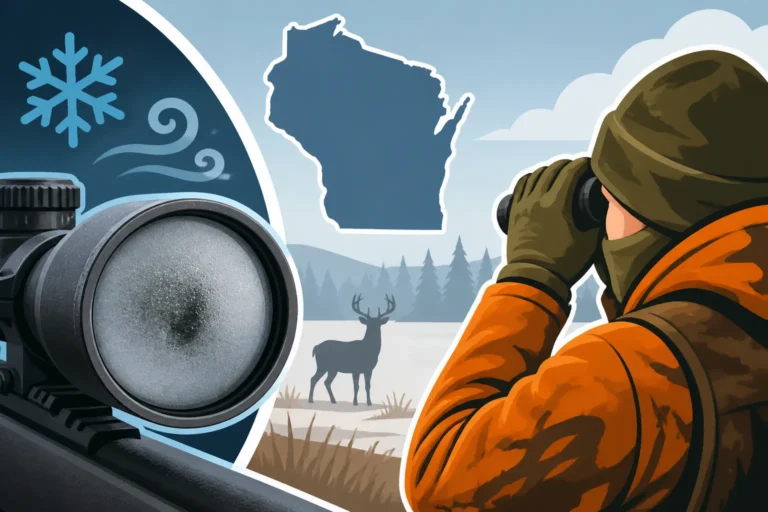
Thermal imaging is a whole different beast. Instead of amplifying ambient light, thermal cameras detect infrared radiation, or heat. Every living thing, including deer, bear, and even a mouse, emits heat. Thermal imagers create an image based on these temperature differences, displaying hotter objects in contrasting colors against cooler backgrounds. So, even in absolute darkness, dense fog, or thick brush, a thermal device can pick up the heat signature of an animal. This is why you often see them used for finding lost pets, search and rescue, or even monitoring livestock.
The legal interpretation for thermal imaging in Wisconsin tends to follow the same restrictive path as night vision when it comes to hunting protected species. While it doesn't emit "light" in the visible spectrum, it still provides an unparalleled advantage in detecting and locating animals in conditions where they would otherwise be safe from human detection. You're essentially seeing the animal's heat signature, even if it's completely hidden by shadows or thick cover.
However, the non-light-emitting aspect of thermal devices can sometimes play a role in the exceptions to the general hunting with artificial light rule. For certain species, like coyotes, where specific nighttime hunting methods are allowed, the use of thermal or night vision might be permissible if it doesn't also project a visible light beam, but this distinction is crucial and often misunderstood. You must always confirm the specific regulations for the species and location you intend to hunt.
The Role of Artificial Light
When we talk about artificial light, we're typically referring to flashlights, headlamps, vehicle lights, and any device that projects a visible beam to illuminate an area. Wisconsin's general rule against hunting with artificial light is primarily aimed at preventing "spotlighting," where hunters use powerful lights to disorient and locate deer or other game. This practice is widely condemned for being unethical and dangerous.
There are specific, very limited instances where artificial light can be used, such as for tracking a wounded animal after legal shooting hours, but even then, there are strict rules about weapons not being present and the primary purpose being recovery, not continued hunting. Some small game hunting, like raccoons, traditionally involves dogs and artificial light, and these are often carve-outs in the regulations, but they are exceptions to the broad rule.
Here’s a simplified breakdown of these technologies and their typical legality for hunting protected game species in Wisconsin:
| Technology | How it Works | Emits Visible Light? | Generally Legal for Protected Game Hunting? | Primary Purpose (Legal Context) |
|---|---|---|---|---|
| Night Vision | Amplifies ambient light | No | No | Surveillance, law enforcement, sometimes predator hunting (check specific rules) |
| Thermal Imaging | Detects heat signatures (infrared radiation) | No | No | Surveillance, search/rescue, sometimes predator hunting (check specific rules) |
| Artificial Light | Projects a visible beam of light | Yes | No | Emergency, tracking wounded game (without weapon), specific small game hunting |
This table is a simplification, and the critical takeaway is that for most beloved Wisconsin game animals like deer, bear, and turkey, these technologies are not permitted for direct hunting.
Practical Applications and Ethical Considerations
While the primary focus is often on what's illegal, it's equally important to understand where thermal and night vision devices can be used legally and ethically in Wisconsin. This often boils down to the specific activity, the species involved, and whether a weapon is present or actively being used for pursuit.
Legal and Permissible Uses
One of the most common legal uses for thermal and night vision is scouting. Imagine you're trying to figure out where deer are bedding or feeding on a piece of public land. You could head out before dawn or after dusk, with your thermal monocular, to observe animal movement without a weapon. This type of reconnaissance, purely for gathering information about animal habits, is generally acceptable. You're not actively hunting, but learning the landscape. Similarly, using a tool like GoHunt with its robust map layers can help you plan your entry and exit routes without disturbing game.
Another crucial legal application is game recovery. Unfortunately, sometimes an animal runs after the shot, and you can't immediately find it, especially as legal shooting hours end and darkness falls. In these stressful situations, Wisconsin law typically allows for the use of artificial light (and by extension, thermal or night vision to assist in locating the animal) to track a wounded animal after legal shooting hours. However, there are strict caveats: no weapon should be carried while actively tracking at night with artificial aids, and the sole purpose must be the recovery of the animal, not the resumption of the hunt. This is a compassionate allowance, recognizing a hunter's ethical responsibility to retrieve wounded game. It's a situation you hope you never encounter, but it's good to know the rules for it.
The most widely recognized hunting exception for these technologies is for predator and furbearer hunting, specifically coyotes. Wisconsin does allow for night hunting of coyotes, often with the aid of artificial light, and by extension, thermal or night vision devices. This is largely due to the management status of coyotes as a species that can be hunted year-round and whose populations often benefit from control efforts. If you're interested in Coyote Calling in Wisconsin Winter, then thermal or night vision could certainly be a tool in your arsenal, allowing you to spot those wary predators in the dark. However, even with coyotes, always double-check the latest regulations, as local ordinances or specific property rules could still apply.
Illegal and Unethical Applications
The list of illegal applications is straightforward for most regulated game species. Using thermal or night vision to locate, track, or shoot deer, bear, turkey, or other protected species during any hunting season is strictly prohibited. This includes:
- Spotting deer on a field edge after dark with your thermal and then returning the next morning to hunt that same spot, if the nighttime activity directly influenced your hunting decision in an illegal manner. The intent matters here.
- Tracking a wounded deer at night with a loaded weapon, even if you have a legal tag. This crosses the line from recovery to an illegal continuation of the hunt.
- Using a thermal scope on your rifle to target any protected game animal, regardless of species.
These prohibitions are not just about compliance; they are deeply rooted in ethical hunting principles. The concept of "fair chase" dictates that hunters should not have an undue advantage over game. Thermal and night vision, when applied to most game animals, fundamentally alter this balance, turning a challenging pursuit into something closer to target practice. The idea is to experience the wild on more even terms, relying on skill, woodcraft, and natural senses. As hunters, we are stewards of the resource, and maintaining the integrity of the hunt is crucial for public perception and the future of our traditions. This is why groups like GoHunt often emphasize responsible and ethical hunting practices in their educational materials.
Staying Compliant and Future Outlook
The world of hunting regulations is always evolving, and technology often advances faster than the laws can keep up. This means that staying informed isn't a one-time check; it's an ongoing responsibility for every hunter.
The Importance of Current Regulations
The single most important piece of advice regarding thermal and night vision rules in Wisconsin is to always consult the absolute latest regulations from the Wisconsin Department of Natural Resources (DNR). My knowledge base has a cutoff, and while I provide general principles, specific wording in the law, new rulings, or emergency changes can occur. The DNR website and their annual hunting regulations pamphlets are your definitive source. Don't rely on hearsay, old forums, or what your buddy did last year. Ignorance of the law is never an excuse.
It's also crucial to remember that regulations can vary by county or specific management zones. For example, some areas might have stricter rules regarding artificial light or specific types of hunting than others. Always check for any special regulations that might apply to the particular piece of land you intend to hunt, whether it's public land or private.
Resources for Hunters
Many hunters find digital tools incredibly helpful for navigating these complexities. Platforms like GoHunt offer resources that often compile regulations and news, though they too will direct you back to the official state sources for the most current legal text. Utilizing these tools, in conjunction with official DNR publications, creates a robust strategy for staying informed. For example, using the Wisconsin Hunt Wild App can give you on-the-ground information about property boundaries and public access, but the specific legal interpretation of equipment use still rests with the DNR's published rules.
The Evolving Landscape of Technology and Law
As thermal and night vision technology becomes more sophisticated and affordable, the debate around its use in hunting will likely continue. Conservation agencies are constantly balancing hunter opportunity, game management objectives, and ethical considerations. There's an ongoing discussion in many states about the role of technology in hunting, especially concerning predator control or managing overabundant species.
For now, the overarching principle in Wisconsin remains clear: for most big game and many small game species, using devices that give you an unnatural advantage in detecting or targeting animals after dark or in very low light is generally prohibited. Stick to your binoculars and your sharp senses during legal shooting hours for most of your hunting pursuits. If you have any doubt whatsoever, err on the side of caution. It's far better to miss an opportunity than to face potential fines, license revocation, or even legal charges for violating hunting regulations. Understanding the rules is part of being a responsible hunter, ensuring that our traditions continue in a way that is ethical, fair, and sustainable for generations to come. Wisconsin Wildlife Violation Penalties can be severe, so it truly pays to be informed.
Disclaimer
This article is for general informational purposes only and does not constitute professional advice. Laws, prices and regulations vary by location and change over time. Consult a qualified professional for guidance on your specific situation.