Running Hounds for Wisconsin Bobcats
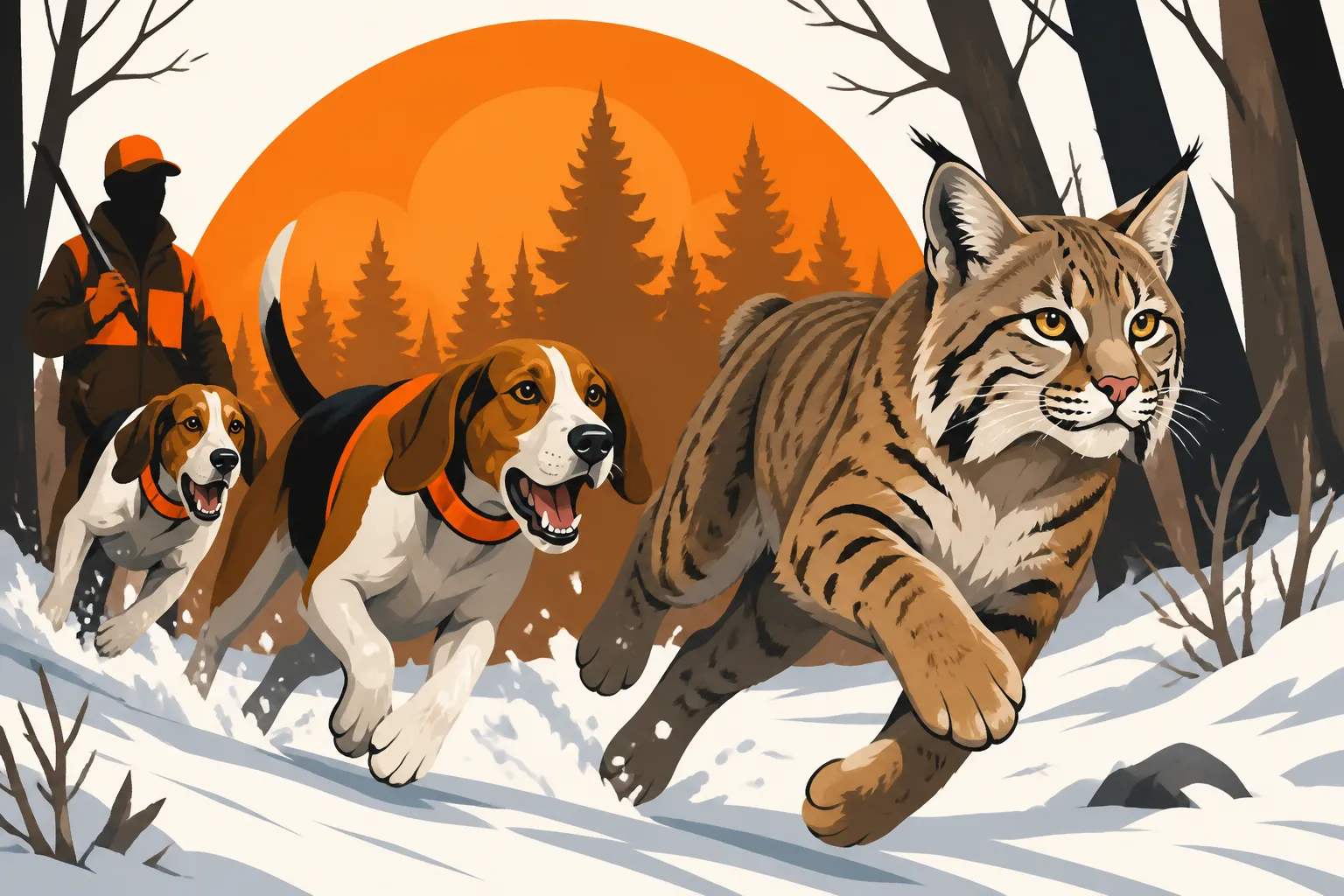
Hunting bobcats with hounds in Wisconsin is arguably one of the most challenging and rewarding pursuits for any furbearer hunter. It's not just about the chase; it's about dedication, resilience in brutal winter conditions, and the deep bond with your hounds as you navigate thick cover in search of a truly elusive quarry. This guide will walk you through the intricate world of bobcat hound hunting, from understanding these fascinating felines to the nitty-gritty of permits, dog training, and ethical considerations specific to our beautiful state.
The Elusive Wisconsin Bobcat: Understanding Your Quarry
Before you even think about putting a hound on the ground, you've got to understand the animal you're after. Bobcats are enigmatic creatures, masters of stealth and survival in Wisconsin's wild landscapes. They’re not like coyotes, which are often more visible and widely distributed. Bobcats prefer solitude and dense cover, making them incredibly difficult to locate, let alone pursue.
Bobcat Distribution and Preferred Habitat
Wisconsin's bobcat population is primarily concentrated in the northern third of the state, though their range has been expanding southward in recent years. This means counties like Douglas, Bayfield, Ashland, Iron, Vilas, Oneida, Forest, Florence, and Marinette are your traditional strongholds. While you might occasionally hear of a bobcat sighting further south, successful hunting opportunities are overwhelmingly concentrated in the vast northern forests. This area is characterized by dense coniferous swamps, mixed hardwood forests, rocky outcroppings, and cedar thickets, all providing the perfect hideouts for these solitary cats.
They thrive in remote, rugged terrain that offers both ample prey and escape cover. Think of areas that are hard for humans to traverse – that's often prime bobcat country. When you're Scouting Wisconsin Public Land Before Season, look for these dense, impenetrable spots, especially near water sources or rocky ledges. The northern parts of the state also typically have deeper snow cover for longer periods, which can sometimes aid in tracking, but also presents significant challenges for both hunters and hounds. Their preference for these difficult habitats is precisely why running hounds is such an effective, albeit arduous, method for pursuing them.
Behavior and Habits of Wisconsin Bobcats
Bobcats are primarily nocturnal and crepuscular, meaning they are most active at dawn and dusk. This adds another layer of complexity to hunting them, as you're often relying heavily on tracking fresh sign from their nighttime movements. Their diet consists mainly of rabbits, hares, grouse, and other small mammals and birds. They are opportunistic predators, and their movements are often dictated by the availability of prey. Unlike a coyote that might traverse open fields, a bobcat will stick to the edges, the brush, and the thickest parts of the timber, using cover to its advantage at all times.
They are incredibly territorial, with individual home ranges that can span several square miles. Understanding these patterns is key. A mature tom (male) bobcat will often have a much larger territory than a female, and they tend to stick to familiar travel corridors, especially during periods of deep snow. Learning to identify these patterns can give you a significant advantage. When you're Finding Sign in Big Timber, remember that bobcat tracks are typically smaller and more rounded than a coyote's, and they lack the claw marks often visible in canine tracks, as their claws are retractable. Look for their scat, which often contains fur and bone fragments, usually deposited in prominent spots to mark their territory.
Essential Preparations for a Wisconsin Bobcat Chase
Running hounds for bobcats isn't something you just decide to do on a whim. It requires meticulous planning, an understanding of complex regulations, and a significant investment of time and resources. The frustrations of drawing a tag or finding accessible, active bobcat country are very real for many hunters.
Securing Your Wisconsin Bobcat Permit
This is often the biggest hurdle for aspiring bobcat hunters. Wisconsin’s bobcat harvest is tightly regulated through a quota system, and permits are allocated via a highly competitive preference point drawing. You can’t just buy a bobcat tag over the counter like you might a deer license. Each year, hunters apply for a limited number of permits in specific zones. The more preference points you accumulate, the better your chances are, but even with many points, it’s far from a guarantee. Many dedicated hunters wait years, sometimes a decade or more, to draw a coveted tag.
The application period is usually in August, and results are typically released in September. You must be diligent about applying every year to build those points, even if you don't plan to hunt that season. For detailed information on the application process and what the permits cost, check out Wisconsin Bobcat Permit and Tagging information on the DNR website. It's a system designed to manage a precious resource, but it certainly tests a hunter's patience. The good news is that if you do draw, the satisfaction of that achievement, before you even hit the woods, is immense.
Scouting and Locating Promising Bobcat Sign
Once you have a permit in hand (or even while you're building points for future years), the real work of scouting begins. This isn't just a casual walk in the woods; it's a dedicated effort to find recent bobcat activity. As mentioned, bobcats prefer thick cover, so you'll be looking for areas with dense undergrowth, cedar swamps, tangled blowdowns, and rocky bluffs. Snow is your best friend here, as it reveals tracks and helps confirm recent activity. Using mapping tools like GoHunt can be invaluable for identifying potential habitat. You can overlay public land boundaries, identify access points, and pinpoint areas with the type of terrain bobcats favor, such as steep ravines or large tracts of unbroken forest.
Start by looking for tracks after a fresh snowfall. A clear bobcat track is unmistakable once you learn what to look for—four toes, no claw marks, and often a smaller, more compact print than a coyote. Pay attention to game trails, frozen creek beds, and logging roads, especially those less traveled. These are natural travel corridors where you might find fresh sign. Don't be afraid to walk miles, crisscrossing different habitat types. You're looking for evidence of a recent kill, scat, or even hair snagged on a branch. Remember, a cold track might be good enough to start your hounds on, but a hot track, ideally less than 12 hours old, offers the best chance for a successful chase. Understanding the Bobcat Range and Harvest in Wisconsin can also guide your scouting efforts to areas historically known for higher populations.
Building Your Bobcat Dream Team: Hounds and Gear
Your hounds are the heart of a bobcat hunt. Their training, dedication, and ability to navigate challenging terrain are paramount. This isn't a task for just any dog; it requires specific breeds and an immense amount of time and effort from the hunter.
Selecting and Training Your Bobcat Hounds
Choosing the right hounds is critical. While some use Plott Hounds, Walkers, or even mixes, what truly matters is a dog with an exceptional nose, relentless drive, good judgment, and the stamina to run for hours, often in deep snow. These dogs need to be "cold-nosed," meaning they can pick up and follow older, fainter scents. They also need to be intelligent enough to work out a complex track that might involve jumping fallen trees, traversing rocky ground, or even crossing open water.
Training bobcat hounds is a long-term commitment. It often begins with training on other furbearers like raccoons, then transitioning to coyotes, which can help them develop their trailing skills and endurance. However, a good bobcat dog needs to learn a subtle difference: bobcats are much quieter and more elusive than coyotes. They'll often double back, climb trees, or try to lose the dogs in thick cover. Your hounds need to be able to "strike" a track quickly, and then methodically work it out, not just run blindly. Many experienced bobcat hunters will train their dogs to run primarily at night, mirroring the bobcat's natural activity patterns, and getting them accustomed to working in the dark and cold. The goal is a dog that's not just fast, but smart, persistent, and can stay on a "cold track" for extended periods without giving up.
Critical Gear for the Wisconsin Bobcat Hunter
Beyond your hounds, you'll need a specific array of gear to tackle Wisconsin's winter wilderness. This is not a fair-weather hunt. Expect cold, snow, ice, and demanding physical exertion.
- GPS Collars: These are non-negotiable. Tracking your hounds in thick timber, especially when they're on a hot track, is impossible without reliable GPS. Brands like Garmin Alpha or Tri-Tronics are popular choices. They allow you to monitor your dogs' location, speed, and track their movements in real-time. This is crucial for safety and for making strategic decisions during the chase. You can mark your truck, points of interest, and the dogs' location, all visible on a device or your smartphone via apps like GoHunt, which can integrate with some GPS collar systems.
- Warm, Layered Clothing: You'll be sitting, walking, and sometimes running. A good layering system, including wool or synthetic base layers, insulating mid-layers, and a waterproof/windproof outer shell, is essential. Think about what you'd wear for Cold Weather Sitting Strategy in late archery or gun season.
- Durable Boots: Waterproof, insulated boots with excellent traction are a must. You'll be slogging through deep snow, slush, and potentially icy conditions.
- Snowshoes or Skis: In many northern Wisconsin areas, particularly after a heavy snowfall, snowshoes are vital for following your dogs into dense, untracked areas. Without them, you'll be post-holing, which is exhausting and slows you down considerably.
- Headlamp: Since bobcats are often active at dawn/dusk and the chase can extend into darkness, a powerful headlamp with extra batteries is critical.
- First-Aid Kits: Both for yourself and your dogs. Hounds can get cut or injured by sharp branches, ice, or encounters with other wildlife.
- Two-Way Radios: For communication with your hunting partners, especially if you split up to cover more ground or block escape routes.
- Firearms: A .22 caliber rifle or handgun is generally used for dispatching a treed bobcat, assuming all local regulations are followed. Ensure it’s sighted in and you’re proficient with it. For specific Legal Firearms for Wisconsin Deer, which may apply to other hunting situations, consult current DNR regulations.
The Thrill of the Chase: Tactics and Execution
The actual hunt is a high-stakes chess match against an incredibly cunning opponent, with your hounds acting as your mobile pieces. It's exhilarating, exhausting, and often doesn't end with a harvest.
Interpreting Tracks and Laying the Hounds On
The hunt begins at first light, or even before, after a fresh snowfall. You'll drive forest roads or walk old logging trails, searching for fresh bobcat tracks. This is where your scouting pays off. Once a promising track is found, the meticulous work of determining its freshness and direction begins. A truly fresh track, perhaps only a few hours old, is what you're hoping for. Too old, and the bobcat could be miles away.
Once you've located a track that looks promising, you'll carefully lead your hounds to it, often one at a time, to confirm they can "strike" the scent. A well-trained bobcat hound will typically show immediate interest, often emitting a distinct "chop" or short bark, indicating they've picked up the trail. This moment, when the dogs hit the track and their baying echoes through the silent, cold woods, is pure adrenaline. Unlike Coyote Calling in Wisconsin Winter, where you might wait for the animal to come to you, here, you are directly pursuing. As the dogs start to work the track, you'll listen intently to their changing barks and monitor their GPS locations to understand the bobcat's movements. Bobcats often try to give the dogs the slip by crossing open areas, jumping on downed logs, or even wading through shallow water to break the scent trail.
The Art of the Pursuit: Following the Dogs
This is where the physical and mental endurance of the hunter is truly tested. Once the hounds are on a hot track, they can cover ground remarkably fast, often leading you through the densest, most difficult terrain imaginable. Your job is to stay as close as possible without pushing them too hard, interpreting their barks (are they working a cold trail? Is the bobcat treed? Is it running hard?), and using your GPS to anticipate the bobcat's movements. You might have to make quick decisions: should you cross a swamp? Should you try to cut them off at a known escape route? GoHunt's mapping capabilities can be extremely helpful here, allowing you to quickly analyze terrain, identify potential escape routes, and strategize with your partners on the fly.
A crucial moment is when the bobcat eventually trees. When this happens, the hounds' barking will typically change from a running bay to a steady, excited "treed" bark. This is your cue to move as quickly and safely as possible to their location. Reaching a treed bobcat can be a monumental task, especially if it's deep in a swamp or up a steep, snowy ridge. It might involve hours of arduous snowshoeing, navigating tangled brush, and crossing difficult terrain. But when you finally arrive, and see that elusive cat perched high in a tree, with your dedicated hounds baying below, it's an experience that makes all the effort worthwhile.
| Feature | Bobcat Hunting with Hounds | Coyote Hunting with Hounds |
|---|---|---|
| Target Species | Elusive, solitary bobcat | Widespread, adaptable coyote |
| Primary Habitat | Dense coniferous swamps, thick timber, rocky areas | Open country, farmland, mixed forests, logging roads |
| Season & Permits | Strict, limited draw, specific zones/quotas | Often open year-round or extended seasons, typically no special permit |
| Hound Training Focus | Scent discrimination, perseverance on cold tracks, quiet work, treing ability | Endurance, speed, aggressive chase, vocal during run |
| Typical Pursuit Time | Can be hours, often 4-8+ hours to tree | Often shorter, high-speed chases, can be longer if track is cold |
| Success Factors | Fresh snow, good cold-nosed hounds, physical stamina, knowledge of bobcat habits | Fresh snow, fast hounds, ability to cut off run, understanding coyote patterns |
| Weather Conditions | Predominantly cold, deep snow, challenging winter conditions | Varies, often winter, but can be done in other seasons with less snow |
| Pace of Chase | Often methodical track work, then hard run to tree | Fast-paced, wide-ranging pursuit across varied terrain |
| Value/Reward | Highly prized, rare trophy, intense personal challenge | Pest control, sport, fur harvesting, more opportunities |
Navigating Regulations and Ethical Responsibilities
Bobcat hunting in Wisconsin is a privilege, and it comes with significant responsibilities. The highly regulated nature of the season ensures the sustainability of the population, but it also means hunters must be acutely aware of and adhere to all rules.
Wisconsin Bobcat Season, Zones, and Quotas
The Wisconsin bobcat season is typically divided into two zones: Zone A (north) and Zone B (south). The vast majority of permits and hunting opportunities are in Zone A, reflecting the bobcat's primary range. The season dates are usually from late October/early November through mid-January, often split into two distinct periods to spread out hunting pressure. It's crucial to consult the current Wisconsin DNR regulations booklet or website for the exact dates and zone boundaries each year, as they can sometimes shift. You must carry your permit and license while hunting.
Understanding the quota is also important. The DNR sets a specific number of bobcats that can be harvested in each zone, which is why permits are so limited. Once the quota is met, the season can close early. It’s imperative to register your bobcat immediately after harvest, as this data contributes directly to tracking the quota. Failure to register can lead to serious consequences, including Wisconsin Wildlife Violation Penalties. Every successful harvest contributes to valuable population data that informs future management decisions, ensuring this incredible resource remains viable for generations to come.
Responsible Hound Hunting Practices and Public Perception
Hound hunting, by its very nature, can be a polarizing topic, and as such, ethical and responsible practices are paramount to maintaining a positive public image and ensuring the sport continues. When Running Hounds for Bobcat in the North (or anywhere), it's critical to minimize disturbance to other wildlife and private property. This means knowing land boundaries – another area where mapping apps like GoHunt excel – and having permission before crossing private lands. Be aware that the pursuit of a bobcat can take hounds miles from your starting point, potentially onto private property or even into areas where other hunters are present.
Avoid hunting too close to residential areas or established recreational trails, especially during other popular hunting seasons. Communication with landowners and other outdoor enthusiasts is key. Always keep your dogs under control and respect property lines. Ensure your hounds are healthy, well-fed, and in peak physical condition to minimize stress and injury during a chase, particularly in harsh winter conditions. Be prepared for any emergency, from lost dogs to injuries. The responsibility of a hound hunter extends beyond the pursuit itself; it includes being an ambassador for the sport, demonstrating respect for the animal, the land, and fellow citizens.
After the Hunt: Care and Contribution
Harvesting a bobcat is a rare and special event. The responsibilities don't end when the cat is treed and dispatched; they continue through careful handling and contributing to wildlife management.
Field Care and Registration Requirements
Once you've successfully harvested a bobcat, proper field care is essential to preserve the hide and meat, if you choose to consume it. Bobcat meat is surprisingly good, often described as mild and white, similar to pork or chicken. Start by field dressing the animal quickly to allow the carcass to cool, especially if temperatures are above freezing. If you plan to have the hide tanned or mounted, be extra careful not to damage it. Skinning should be done meticulously, and the hide should be properly fleshed and stretched for drying or frozen until you can get it to a reputable fur buyer or taxidermist.
Wisconsin law requires that all harvested bobcats be registered immediately after harvest. This can often be done online or via phone. Following registration, the bobcat carcass or hide must be physically presented to a DNR official for tagging and jaw collection within a specified timeframe (typically within five days of harvest). This physical inspection is crucial for the DNR to collect biological data, such as age and sex, which are vital for population assessment. This data directly influences future quota settings and helps the DNR monitor the health of Wisconsin's bobcat population. This process is similar to the requirements for other furbearers, so if you've done any Running a Trapline in Northern Wisconsin, you'll be familiar with the importance of accurate data collection.
Contributing to Wisconsin's Bobcat Management
Every bobcat hunter, through their efforts and compliance with regulations, contributes significantly to the ongoing management of this species. The data collected from your harvest—age, sex, and location—is integrated into the larger body of scientific information the DNR uses. This helps paint a clearer picture of bobcat population trends, reproductive success, and overall health. If the DNR requests additional samples, such as tissue samples, for disease monitoring or genetic studies, participation is highly encouraged. This cooperative effort between hunters and wildlife managers is fundamental to ensuring healthy wildlife populations for future generations.
Furthermore, reporting any unusual observations, such as bobcats in unexpected areas, signs of disease in live animals, or even Wolf Depredation on Wisconsin Hounds if encountered, can provide valuable insights to wildlife biologists. Your eyes and ears in the field are an invaluable resource. By being a diligent and ethical hunter, you're not just pursuing a personal goal; you're actively participating in the conservation story of one of Wisconsin's most elusive and captivating furbearers.
Disclaimer
Please remember that hunting regulations, season dates, and permit requirements can change. Always consult the most current Wisconsin Department of Natural Resources (DNR) official regulations and publications before planning any hunting trip. This guide is for informational purposes only and should not replace official DNR resources.