Wisconsin Waterfowl Hunting on Marsh and River
The distinct challenges of waterfowl hunting in Wisconsin's marshes and winding rivers can feel like trying to solve a complex puzzle, leaving even seasoned hunters scratching their heads about everything from obscure regulations to the best decoy spreads for a particular situation. It's a vast and varied landscape, and getting it right means understanding the nuances. This comprehensive guide aims to unravel those complexities, providing you with the knowledge and tactics needed to confidently pursue ducks and geese across Wisconsin's diverse aquatic habitats.
Understanding Wisconsin's Diverse Waterfowl Landscape
Wisconsin is blessed with an incredible array of wetlands and waterways, each offering unique opportunities and challenges for waterfowl hunters. From the sprawling cattail marshes to the dynamic flow of major rivers, understanding these distinct environments is the first step to a successful hunt. The birds behave differently, the access varies wildly, and your approach needs to adapt accordingly.
The Unique Challenges of Marsh Hunting
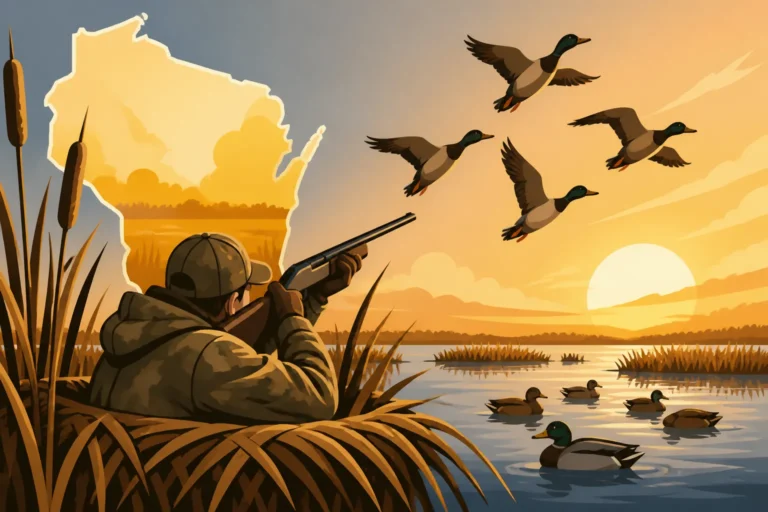
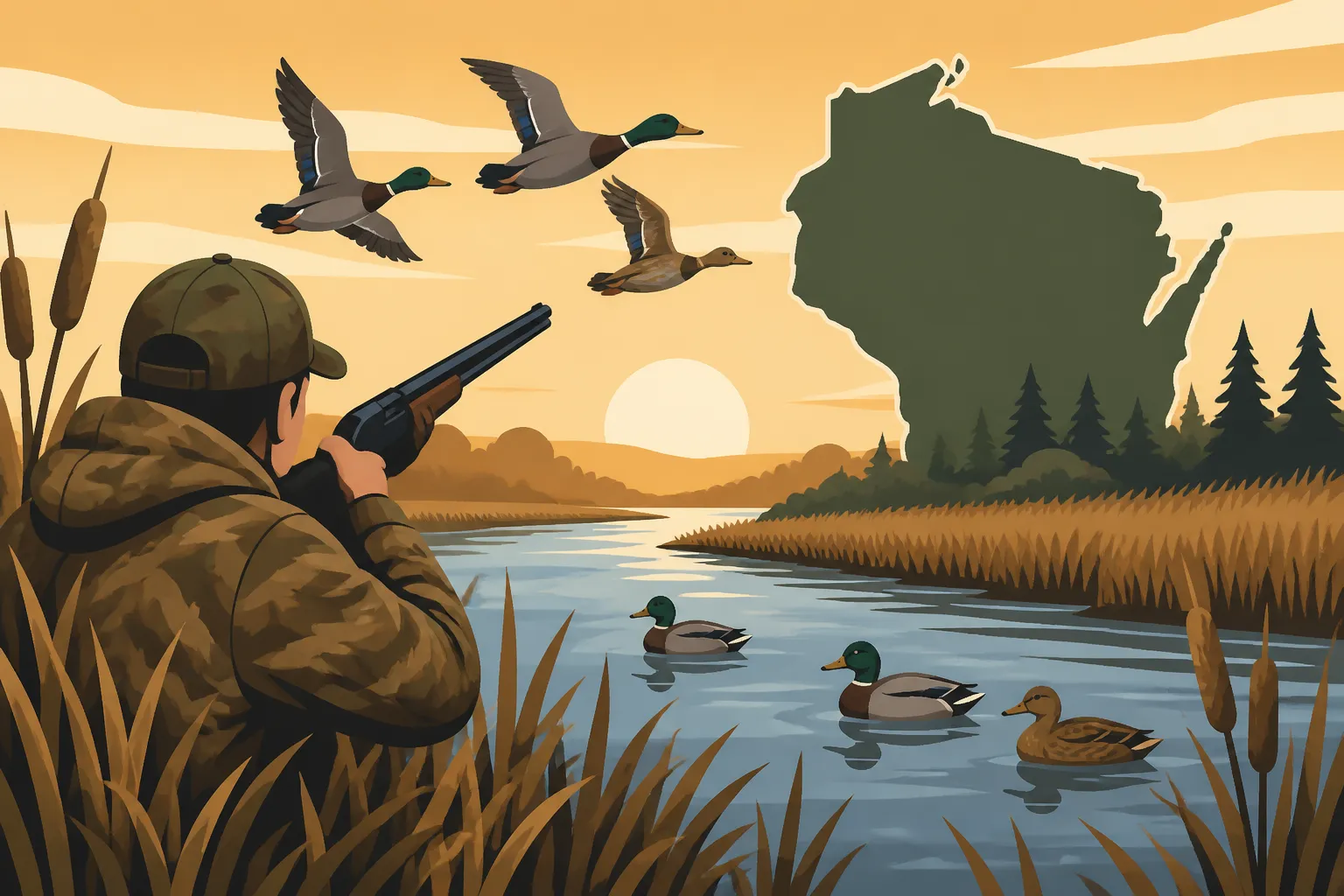
Marsh hunting, for many, is the quintessential Wisconsin waterfowl experience. Picture endless cattails, pockets of open water, and the distant sounds of honking geese and quacking ducks. It's a place of incredible beauty and frustration. Access can be a real pain, often requiring long slogs through thick vegetation, pushing a marsh boat or canoe through shallow water, or even utilizing specialized marsh vehicles like an Airboat or Argosy in truly expansive areas like Horicon Marsh. The sheer density of cover can make spotting incoming birds tricky, and retrieving downed game can be an exhausting endeavor, especially in areas with deep muck or dense reeds. Add to that the unpredictability of water levels, which can change dramatically with rainfall or lack thereof, and you've got a hunt that truly tests your resolve and preparation. But when that flock of mallards banks hard over your decoys, dropping into a small opening you painstakingly created, there’s nothing quite like it.
The Dynamics of River Systems
River hunting presents an entirely different set of dynamics. Wisconsin's numerous rivers, from the mighty Mississippi to the smaller, meandering streams like the Wisconsin River or the Wolf River, offer opportunities ranging from quiet jump shooting to elaborate decoy spreads. The constant current, fluctuating water levels, and ever-changing sandbars and log jams define these hunts. You'll often find yourself contending with stronger winds, navigating tricky channels, and needing a boat that can handle both speed and stability. Birds on rivers tend to fly different patterns, often following the main channel or hugging the banks. Decoy spreads need to account for the current, and concealment is paramount, as river banks often provide less natural cover than a dense marsh. The quick action of jump shooting can be exhilarating, but it requires stealth and precision. Conversely, setting up on a river often involves finding hidden backwaters or quiet eddies where birds might rest, and requires excellent boat control to place decoys effectively without spooking birds.
Key Waterfowl Migration Patterns
Understanding the ebb and flow of waterfowl migration is absolutely critical to consistent success in Wisconsin. It's not just about when the season opens; it's about timing your hunts with the arrival of different species. Early in the season, typically September, you'll be focused on local birds and early migrants like teal and wood ducks. As the weeks progress into October and November, cold fronts push more northern birds down, bringing in waves of mallards, pintails, and various diver ducks. Knowing when to expect these pushes, often heralded by a significant drop in temperature and strong north winds, can make or break your trip. Websites and apps like GoHunt can provide real-time weather data and migration reports, helping you plan your hunts for optimal timing. Factors like food availability in staging areas, hunting pressure further north, and even major storms can all influence these patterns. Keep an eye on weather forecasts for both Wisconsin and points north, like Minnesota and Canada, to predict the next big flight. The best hunts often align with the peak migration windows.
Navigating Wisconsin's Waterfowl Regulations and Zones
Waterfowl hunting in Wisconsin comes with its own specific rulebook, and it's absolutely essential to be well-versed in the regulations before you head out. These rules are designed to manage populations sustainably, and failing to adhere to them can lead to hefty fines and loss of privileges. It's not just about the dates; it's about understanding the specific zones, bag limits, and licensing requirements that make up the framework for a legal and ethical hunt.
Federal and State Stamp Requirements
Before you even think about putting decoys out, you need to make sure your paperwork is in order. Every waterfowl hunter 16 years of age or older in Wisconsin needs both a state waterfowl stamp and a federal migratory bird hunting and conservation stamp. These aren't just bureaucratic hurdles; the funds generated from these stamps go directly towards wetland conservation and habitat acquisition, which benefits the very birds you're pursuing. It's a small investment with a huge impact on the future of waterfowl hunting. You'll also need a regular small game license. These can all be purchased easily through the Wisconsin DNR's Go Wild system, either online or at authorized vendors. Make sure you have proof of purchase on you while hunting, whether it's a physical copy or stored digitally on your phone via the Go Wild app. For more detailed information, check out the guide on Wisconsin Federal Duck Stamp Rules. Additionally, don't forget the Harvest Information Program (HIP) certification, which is mandatory for all migratory bird hunters and helps the U.S. Fish and Wildlife Service gather critical harvest data. This is typically a free add-on when you purchase your license.
Wisconsin's Duck Zones and Their Impact
Wisconsin isn't a "one-size-fits-all" state when it comes to duck seasons. To better manage different duck populations and migration timings, the state is divided into specific duck zones. Currently, there are three primary zones: the Northern Zone, the Southern Zone, and the Mississippi River Zone. Each zone has its own distinct opening and closing dates, as well as specific season lengths and bag limits. This means a hunter in Ashland County (Northern Zone) might have a different season than one in Columbia County (Southern Zone) or a hunter along the Mississippi River. These zones are established based on typical migration patterns and the timing of duck use in those areas. For example, the Northern Zone typically opens earlier but closes earlier, aiming to capture the initial push of migrants before harsh winter conditions set in. Knowing your specific location and which zone it falls into is paramount. You can find detailed maps and specific dates in the official regulations, often easily accessible through the Wisconsin DNR website or by looking up Wisconsin Duck Zone Boundaries. Always double-check the current year's regulations as boundaries or dates can occasionally be adjusted.
Goose Zones and Management Units
Just like ducks, geese in Wisconsin are managed through a system of zones, though these are typically referred to as Goose Zones (e.g., Horicon Zone, Exterior Zone, Mississippi River Zone). The regulations for Canada geese, especially, can be quite complex dueating to varying population levels and management objectives. The Horicon Zone, for instance, often has very specific tag requirements and harvest quotas to manage the high concentration of geese in that renowned area. In contrast, the Exterior Zone encompasses most of the rest of the state, often with more liberal bag limits but still requiring careful attention to specific dates and daily limits. Snow geese, being an overabundant species, often have extended seasons and more generous bag limits across the state. Understanding these zones is crucial, as is knowing if specific permits or tags are required in addition to your regular license. The dates for Wisconsin Goose Zones and Seasons are typically outlined in detail in the annual hunting regulations. Always consult the most current Wisconsin Department of Natural Resources (DNR) waterfowl hunting pamphlet or website to ensure you're compliant with all regulations before heading afield.
Essential Gear and Setup for Marsh and River Hunting
Having the right gear is not just about comfort; it's about safety, effectiveness, and making the most of your time in the field. Waterfowl hunting can be a demanding endeavor, especially when dealing with cold water, mud, and often unpredictable weather. Being properly equipped will drastically improve your chances of success and ensure you have an enjoyable (and safe) experience.
Decoys and Spreads for Different Scenarios
Decoys are your primary tool for luring in waterfowl, and your setup will vary greatly depending on whether you're hunting a wide-open marsh, a narrow river, or a specific species. For marsh hunting, a mix of mallard, pintail, and teal decoys often works well, placed in natural-looking groups with an open landing zone. Motion decoys, like spinning wing or jerk rigs, can add crucial realism on calm days. The key is to create the illusion of a safe, inviting resting or feeding area. For river hunting, you'll need to account for the current. Using keel-weighted decoys or adding extra weight to standard decoys is often necessary to keep them from drifting downstream. Spreads might be more linear along a bank or point, or clustered in an eddy. Dive ducks on large bodies of water, like canvasbacks or bluebills, often require large spreads of specific diver decoys, set in long lines or V-shapes far out from shore to imitate feeding rafts. For geese, larger full-body or shell decoys are common, often deployed in large numbers in loafing or feeding patterns. Learning about Decoy Spreads for Wisconsin Divers can be particularly helpful for big water hunts.
Boats, Blinds, and Concealment
Your mode of transport and concealment are critical, especially on public land where competition can be high. In marshes, a shallow-draft boat like a canoe, kayak, or specialized marsh boat is often essential for reaching remote spots and retrieving birds. For some of Wisconsin's larger marshes, like those found around the Mississippi River backwaters, a small jon boat with a mud motor might be necessary to navigate dense vegetation and shallow water. For river hunting, a more robust boat capable of handling current and open water is often preferred, such as a jon boat or an aluminum v-hull.
Once you're at your spot, concealment is key. On rivers, natural bank cover, strategically placed willow blinds, or portable layout blinds can work wonders. Many hunters utilize natural vegetation to create impromptu blinds, brushing them in with local reeds or branches to blend seamlessly into the environment. In marshes, portable ground blinds, or even simply sitting directly in dense cattails, can be effective. If you’re utilizing a boat for your blind, make sure it’s well-camouflaged with natural vegetation or a quality boat blind cover. It's truly amazing how quickly ducks and geese will spot you if you're not completely hidden. Consider checking out tips on Marsh Boats and Push Poles for maneuvering through thick marshy terrain.
Shotguns, Loads, and Waders
Your choice of shotgun, ammunition, and personal gear like waders can significantly impact your hunting experience. Most waterfowl hunters opt for a 12-gauge shotgun due to its versatility and power, but a 20-gauge can also be highly effective, especially for younger hunters or those sensitive to recoil. Semi-automatics and pump-actions are popular choices for their reliability and capacity. As for ammunition, federal regulations mandate the use of non-toxic shot for all waterfowl hunting. Steel shot is the most common and affordable option, but alternatives like bismuth or tungsten-matrix offer denser patterns and better knockdown power, albeit at a higher cost. Match your shot size to your target species: larger shot (like BB or 2-shot) for geese and larger ducks, and smaller shot (like 3 or 4-shot) for teal and smaller ducks.
Finally, a good pair of waders is non-negotiable for marsh and river hunting. Breathable chest waders are popular for early season comfort, while neoprene waders offer superior insulation for the brutal cold of late-season hunts. Ensure they fit well, are comfortable for walking, and are completely waterproof. Nothing ruins a hunt faster than cold, wet feet. Consider insulated boots for all-day warmth.
| Aspect | Marsh Hunting | River Hunting |
|---|---|---|
| Habitat | Shallow, vegetated, often stagnant water | Moving water, currents, sandbars, channels |
| Access | Wading, push poles, shallow-draft boats | Motorized boats, strong currents, jump shooting |
| Decoys | Mixed species, motion, open pockets, natural groupings | Keel-weighted, linear or eddy spreads, current flow |
| Concealment | Cattails, ground blinds, natural vegetation | Bank blinds, boat blinds, natural riverine cover |
| Primary Challenge | Dense cover, muck, bird retrieval, water levels | Currents, boat handling, identifying resting areas |
| Key Species | Mallards, Teal, Wood Ducks, Geese | Divers (Canvasbacks), Mallards, Geese |
Proven Tactics for Marsh Waterfowl Hunting
Marsh hunting is a game of patience, stealth, and understanding the specific movements of birds within a complex environment. It's often physically demanding, but the rewards of a successful hunt in the thick, wild expanse of a Wisconsin marsh are unmatched.
Hunting Cattail Marshes and Open Ponds
The vast cattail marshes of Wisconsin, like those found within many state wildlife areas or near larger waterways like the Fox River, offer incredible opportunities for ducks and geese. The key here is to find the "pockets" – openings in the dense vegetation where birds feel comfortable landing, resting, or feeding. This often involves extensive scouting, either physically walking the marsh before the season (if permissible) or using aerial maps to identify potential openings and channels. During the hunt, you might employ a "run-and-gun" approach, slowly working your way through the marsh, or set up a stationary blind in a promising pocket. When establishing a blind, it's crucial to cut minimal vegetation and use it to enhance your concealment, ensuring you blend seamlessly into the existing landscape. Pay close attention to wind direction, as birds will almost always land into the wind. Position your blind to give you a clear shot at incoming birds as they commit to your decoys, often directly in front of you. Don't be afraid to get a little dirty; a low-profile setup often works best in these environments.
Decoy Placement for Marsh Ducks
Decoy placement in a marsh is all about creating a sense of security and a clear landing strip. Most marsh hunts focus on dabbling ducks like mallards, pintails, and wood ducks, which prefer shallower water. A popular setup is the "J-hook" or "U-shape" spread, where decoys are placed in a loose pattern, leaving a large open area directly in front of your blind. This open water is where you want the birds to land, putting them within easy shooting range. For optimal realism, use a mix of drakes and hens, and consider adding a few confidence decoys like geese or coots if they are common in your area. Motion decoys, such as jerk cords or spinning wing decoys like those made by Mojo, can be incredibly effective in marshes, especially on calm, overcast days when natural movement is minimal. Place spinning wing decoys a little off-center from your main spread, appearing as if a bird is just landing, drawing attention to your setup. For more specific insights, consider the broader article on Wisconsin Waterfowl Hunting on Marsh and River for general advice.
Calling Strategies for Marsh Environments
Effective calling in a marsh requires nuance and a good understanding of duck behavior. Unlike river hunting where birds might be flying fast, marsh ducks are often loafing, feeding, or slowly moving between pockets. Start with soft, inviting calls – contented clucks and feeding chuckles – to simulate a calm, undisturbed feeding area. If you see birds off in the distance, a series of comeback calls or a greeting call can grab their attention. Once they turn towards your spread, ease off the aggressive calling and revert to softer, contented sounds. Overcalling is a common mistake that can flare birds. Listen to the real birds in the marsh; their cadence and volume will often give you clues on how to call. A good quality duck call, whether it's a single reed or double reed, is a valuable tool, but knowing when and how to use it is far more important than the brand. Many hunters also carry a whistle to imitate pintails or widgeon, adding to the realism of their spread.
Mastering River Duck and Goose Hunting
River hunting demands a different skillset than marsh hunting. The constantly moving water, varied terrain, and typically faster-flying birds require precise planning, execution, and sometimes a dash of daring. It's a dynamic environment that can offer incredible shooting opportunities if you know how to read the water and the birds.
Jump Shooting Wisconsin Rivers
Jump shooting is perhaps the most exciting and physically demanding method of river hunting. It involves slowly floating or walking down a river, surprising ducks and geese that are resting or feeding around bends, log jams, or on sandbars. This method is particularly effective on smaller to medium-sized rivers throughout Wisconsin, and is covered more extensively in Jump Shooting Wisconsin Rivers. Stealth is paramount: approach quietly, stay low, and use the contours of the bank or islands for cover. A canoe, kayak, or small, quiet jon boat is ideal for this. Work with the current, allowing your boat to drift silently. As you round a bend, be prepared for birds to flush quickly. It's fast-paced, instinctual shooting, and often requires quick follow-up shots. Always be aware of your surroundings, especially downstream, to ensure you have a safe backdrop for your shots and can retrieve any downed birds before they drift too far. This method is incredibly rewarding for its active nature and the element of surprise.
Layout Blinds and Shoreline Setups
For a more stationary approach to river hunting, setting up on the shoreline using layout blinds or natural cover can be highly effective, especially for geese and mallards that frequent river edges. Look for key areas such as wide, flat sandbars, quiet eddies just out of the main current, or points of land that offer a natural funnel for flying birds. A layout blind, typically camouflaged to match stubble or sand, allows you to remain completely concealed while lying flat. For these setups, you'll want to deploy a spread of decoys, often larger full-body goose decoys or mixed duck decoys, to draw birds in. Ensure your blind is brushed in meticulously with local vegetation – grass, cattails, or corn stalks – to break up its outline. On riverbanks with natural cover, simply sitting against a bank or tree that offers good concealment can be just as effective, provided you remain absolutely still as birds approach. Remember, water levels on rivers can change rapidly, so always have an exit strategy for your gear and your boat.
Decoying on River Currents
Decoying on a river current requires special attention to detail. Standard duck decoys might quickly drift away or bunch up unnaturally if not properly weighted or anchored. Many river hunters use heavier keel-weighted decoys or add extra weights to their lines to ensure decoys stay in place. A common strategy is to anchor your decoys to a main line that runs across or along the current, allowing them to swing naturally. For ducks, a spread placed in a quiet eddy or along a protected bank where the current is less strong is ideal, creating a realistic resting area. For geese, larger decoys can be set on a sandbar or the bank itself, mimicking birds loafing or preening. Motion is important; even a gentle current can provide natural movement to your decoys, but jerk rigs can enhance this further. When birds are working your spread, they'll often approach from upstream, circling down to land into the current, offering excellent passing shots. Being mindful of these approaches is key to successfully decoying waterfowl on the river. The guide on Hunting Mississippi River Backwaters offers insights into managing currents in extensive river systems.
Scouting and Accessing Prime Waterfowl Locations
Finding good waterfowl hunting spots in Wisconsin is rarely a matter of luck. It's a commitment to diligent scouting, understanding the land, and leveraging modern tools. The best hunters aren't just good shots; they're expert locators.
Utilizing Public Lands and Wildlife Areas
Wisconsin offers a fantastic network of public lands and state wildlife areas that are open to waterfowl hunting, but they often require careful research to maximize success. Horicon Marsh, for example, is renowned for its waterfowl, particularly geese, and offers specific managed hunting opportunities, some requiring special drawings. Other areas like Meadow Valley Wildlife Area, Collins Marsh, or Navarino Wildlife Area are also popular. While these areas offer abundant habitat, they can also see significant hunting pressure, especially on weekends and opening days.
To improve your odds, study maps of these areas – available through the Wisconsin DNR website or via mapping apps. Look for sections that are harder to access, requiring a longer walk or a challenging boat trip. These remote spots often hold more undisturbed birds. Consider scouting during the off-season to identify potential blind locations, water depths, and travel routes. Be mindful of specific rules for each area, as some might have restrictions on boat motors, blind construction, or even hunting hours. For those interested in the famous Horicon Marsh Waterfowl Hunting, be sure to familiarize yourself with its unique regulations and draw opportunities.
Interpreting Waterfowl Sign and Behavior
Learning to read the "sign" of waterfowl is an acquired skill that comes with experience, but it's invaluable for successful scouting. Look for concentrations of droppings, which indicate birds are resting or feeding in a particular area. Fresh tracks in the mud or sand can tell you what species are present and their recent activity. Skim lines on the water or disturbed vegetation can show where birds have been landing and taking off. Pay attention to food sources: ducks and geese will concentrate where they can find acorns, waste grain in cut cornfields, or aquatic vegetation. Observing bird behavior from a distance is also crucial. Do they seem wary or comfortable? What flight paths are they taking to and from feeding areas? Are they using a particular section of the marsh or river as a refuge? This type of observational scouting, especially during the hours just before sunrise and after sunset, can reveal patterns that are invisible during midday.
Digital Scouting Tools and Aerial Imagery
In today's hunting world, digital tools have revolutionized scouting. Mapping applications like GoHunt, onX Hunt, or Google Earth are indispensable for waterfowl hunters. These platforms provide detailed aerial imagery, topographical maps, and often layers showing public land boundaries, wetlands, and even current water levels. Use them to identify potential access points, hidden sloughs, open water pockets in dense marshes, and remote bends in rivers. You can pinpoint specific spots, measure distances, and plan your approach long before you ever set foot in the field.
GoHunt, for instance, often includes layers that show different vegetation types, which can help you identify prime cattail marshes or flooded timber. You can mark potential blind locations, travel routes, and even retrieve points for downed birds. Cross-reference satellite imagery with real-time weather and wind forecasts to predict how birds might use the landscape on a given day. These tools allow you to eliminate unproductive areas from home, saving you valuable time and effort in the field, and helping you focus your efforts where birds are most likely to be.
Species-Specific Strategies and Timing
Wisconsin's waterfowl bag limits are often a mix of different duck species, and recognizing these birds in flight is a fundamental skill. Understanding their preferred habitats, feeding behaviors, and migration timing will make you a much more effective hunter.
Targeting Dabblers: Mallards, Wood Ducks, Teal
Dabbling ducks are the bread and butter for many Wisconsin waterfowl hunters, particularly mallards, wood ducks, and various teal species. These birds typically feed in shallow water, tipping up to reach aquatic vegetation, seeds, and invertebrates.
- Mallards: The iconic greenhead is a favorite. They are adaptable and can be found in marshes, rivers, flooded timber, and even feeding in cut cornfields. They respond well to realistic mallard decoys and a variety of calls, from soft feeding chuckles to aggressive hail calls. Mallards typically migrate through Wisconsin from early October through late November, depending on the cold fronts. Early season often sees local birds, while later in the season brings in northern migrants. You can find more specific information on Wisconsin Mallard and Wood Duck Numbers to understand population trends.
- Wood Ducks: These beautiful ducks are often found in wooded swamps, flooded timber, and smaller streams. They love acorns and other mast crops. Wood ducks are early migrants, so target them in September and early October. They decoy well to specific wood duck decoys, but a few in a mallard spread can also work. Their distinctive high-pitched "woo-eek" call is often a dead giveaway.
- Teal (Blue-winged and Green-winged): Teal are the speed demons of the duck world and are among the earliest migrants. Blue-winged teal typically move through Wisconsin in September, followed by green-wings in late September and October. They prefer shallow, marshy areas. Small teal decoys are effective, and a teal whistle can sometimes bring them in close. Their erratic flight patterns make for challenging but exciting shooting.
Hunting Divers: Canvasbacks, Bluebills, Redheads
Diver ducks, unlike dabblers, feed by diving underwater for vegetation, mollusks, and aquatic insects. They typically prefer larger, deeper bodies of water like big lakes and wide rivers.
- Canvasbacks: Often called the "King of Ducks," canvasbacks are highly prized for their beauty and table fare. They prefer large, open bodies of water and migrate later in the fall, often peaking in late October and November. Large diver decoy spreads, often with specialized canvasback decoys, are key. They fly fast and high, so pass shooting opportunities can be common.
- Bluebills (Scaup): Lesser and Greater Scaup, commonly known as bluebills, are gregarious ducks found on larger lakes and rivers. They often form large rafts on open water. Bluebills migrate through Wisconsin throughout October and November. A large spread of black and white diver decoys is usually needed to attract them.
- Redheads: Similar to canvasbacks in their habitat preferences, redheads are also found on large open waters. They are strong fliers and decoy well to traditional diver spreads.
Hunting divers often requires heavier boats, more decoys, and a willingness to brave open water conditions. Strong winds can make decoy retrieval and boat handling challenging, but the reward of a limit of these fast-flying birds is well worth the effort.
Goose Hunting: Field vs. Water Strategies
Geese, primarily Canada geese in Wisconsin, offer fantastic hunting opportunities, often requiring different strategies than ducks.
- Water Strategies: Geese will use rivers and marshes as roosting areas or safe havens during the day. Setting up on a sandbar, a point of land in a river, or an open water pocket in a marsh with a spread of full-body or shell goose decoys can be very effective. This is particularly good during inclement weather or when fields are frozen. Calling needs to be assertive but realistic, using a mix of clucks, honks, and moans to imitate a contented flock.
- Field Strategies: When conditions are right, geese will fly from their roosts to feed in agricultural fields, especially cut corn or winter wheat. This is where field hunting truly shines. This involves deploying a large spread of full-body goose decoys, often 2-3 dozen or more, in a feeding or loafing pattern. Hunters typically use layout blinds, like those from Avery or Rogers Sporting Goods, carefully brushed in with local stubble to disappear into the field. Access to good fields often requires obtaining permission from landowners or finding public land with agricultural components. This can be one of the most exciting forms of goose hunting, with large flocks committed to your spread. For an in-depth look at this, consult Field Hunting Geese in Southern Wisconsin. Whether you're hunting water or fields, timing your hunt with Waterfowl Migration Timing Through Wisconsin is critical for hitting those peak goose numbers.
Conservation and Ethical Hunting Practices
As waterfowl hunters, we are not just participants in a recreational activity; we are stewards of the resource. Upholding ethical hunting practices and contributing to conservation efforts ensures that future generations can enjoy the same opportunities we do.
Responsible Harvest and Identification
One of the most crucial aspects of ethical waterfowl hunting is accurate bird identification. Wisconsin's daily bag limits often specify a certain number of ducks of a certain species. For example, you might be allowed six ducks total, but only two may be hen mallards, or only one pintail. Misidentifying a bird in flight can easily lead to exceeding your legal limit for a protected species, which carries significant penalties and undermines conservation efforts.
Before the season, spend time studying identification guides, watching videos, and familiarizing yourself with the plumages of different duck and goose species, especially those with similar appearances. Learn to identify birds not just by color, but by flight pattern, size, and distinctive calls. When a bird comes into range, take a moment to confirm its identity before taking a shot. If you're unsure, it's always best to err on the side of caution and pass on the shot. This practice not only keeps you legal but also demonstrates respect for the resource.
Waterfowl ID and Bag Limits
Bag limits are a key component of waterfowl management, set annually based on population surveys and scientific models. These limits dictate how many individual birds of each species, or groups of species, you can legally harvest in a single day. As mentioned previously, the overall "daily bag limit" (e.g., six ducks) is often accompanied by "species-specific limits" (e.g., two hen mallards, one pintail, two redheads). "Possession limits" also exist, which regulate the total number of birds you can have in your possession after multiple days of hunting.
Staying up-to-date with the current year's bag limits is critical, as they can change annually based on waterfowl populations and habitat conditions. The Wisconsin DNR publishes detailed regulations each year, usually available in print or online. Never rely on last year's regulations. Exceeding these limits, even accidentally, is a serious offense. A handy tip is to carry a small laminated card with the daily bag limits for easy reference in the field, especially when hunting with new partners or on multi-day trips.
Dealing with Cripples and Retrieving Game
No hunter wants to cripple a bird, but it can happen. When it does, your ethical responsibility is to make every effort to humanely dispatch and retrieve that bird. A wounded bird left in the marsh or river is a tragic waste of a resource and causes unnecessary suffering.
- Follow-up shots: If a bird is wounded but still flying, try to get a quick follow-up shot to bring it down cleanly.
- Mark the fall: Immediately mark where the bird went down. Use landmarks like trees, islands, or even a GPS marker if you have one.
- Retrieval: Get to the bird as quickly as possible. This is where a good retriever dog truly shines. If you don't have a dog, be prepared to wade, use your boat, or even swim to retrieve the bird. In cold weather, safety is paramount; don't put yourself in danger for a bird. However, within safe limits, persistent effort is expected.
- Dispatch: If you retrieve a bird that is still alive, dispatch it quickly and humanely. A swift blow to the back of the head or neck is typically the most effective method.
The commitment to retrieving every bird you shoot is a hallmark of an ethical waterfowl hunter. It's a testament to your respect for the game and your commitment to responsible hunting.
Disclaimer
The information provided in this guide is for informational purposes only and is not a substitute for official regulations. Hunting laws and regulations in Wisconsin can change, and it is the responsibility of every hunter to consult the most current Wisconsin Department of Natural Resources (DNR) hunting regulations pamphlet or website before going afield. Always prioritize safety and ethical hunting practices.