Wisconsin Turkey Population Trends
It's incredibly frustrating when you head out to your favorite turkey hunting spot, full of anticipation for those booming gobblers, only to be met with silence or sparse sign. Many of us in Wisconsin have felt that sinking feeling, wondering if the wild turkey populations are really holding strong, or if the glory days are behind us. This comprehensive guide is here to unravel the real story behind Wisconsin's wild turkey population trends, diving deep into their history, current status, the challenges they face, and what's being done to ensure their future.
A Rollercoaster Ride: Understanding Wisconsin's Wild Turkey History
The story of wild turkeys in Wisconsin is nothing short of a conservation triumph, a testament to what dedicated efforts can achieve. But like any good story, it has its ups and downs, impacting what we see and hear in the woods today.
From Ghost to Gobbler: The Restoration Success Story
Believe it or not, wild turkeys were completely gone from Wisconsin by the early 1900s. Habitat destruction, unregulated hunting, and harsh winters essentially wiped them off the map. For decades, the only turkeys anyone saw were farm-raised birds. The idea of hearing a wild gobbler thunder across a Wisconsin ridge seemed like a distant dream.
Then came the magic. Starting in the mid-1970s, the Wisconsin Department of Natural Resources (DNR), in partnership with organizations like the National Wild Turkey Federation (NWTF), began a massive reintroduction program. This wasn't just about dumping birds out of a truck; it was a meticulous effort to trap wild turkeys from robust populations in states like Missouri and release them into prime Wisconsin habitats. These initial release sites, often in the southwestern part of the state in areas like the beautiful Driftless region, were carefully chosen for their mix of mature timber and agricultural fields. It's truly inspiring to look back at how this monumental task unfolded and led to the resurgence of these magnificent birds across our state. For a deeper dive into this incredible journey, you can read more about How Turkeys Were Restored to Wisconsin.
Early Boom and Expansion Across the State
The restoration efforts worked beyond anyone's wildest dreams. Those Missouri birds, along with subsequent releases from within Wisconsin, quickly took root. Turkeys are incredibly adaptable creatures, and they found the diverse habitats of Wisconsin to their liking. The population exploded, expanding rapidly from those initial strongholds in the southwestern coulees and ridges.
By the late 1980s and early 1990s, wild turkeys were not just surviving, but thriving, spreading northward and eastward. This rapid expansion led to the establishment of hunting seasons across the state, first in a few zones, then eventually covering almost all of Wisconsin. Hunters flocked to the woods, experiencing for the first time the thrill of calling in a wild gobbler. The initial harvest numbers were phenomenal, reflecting a booming population that seemed limitless. This period was marked by an almost unbelievable rate of growth and the sheer excitement of seeing these birds become a common sight where they had been absent for so long. We started to realize just Where Wisconsin Turkeys Are Densest, and those areas became immediate hotbeds for hunters.
Current Population Trends: Are Numbers Really Down?
This is the burning question on every turkey hunter's mind. After that incredible boom, many of us have noticed a shift, wondering if our observations in the woods align with the broader picture of the state's turkey population.
Recent Declines and Regional Variations
For the last decade or so, there's been a general consensus among many hunters that turkey numbers just aren't what they used to be. While the population isn't "crashing" by any means, most recent data from the Wisconsin DNR does indicate a modest decline from the peak numbers seen in the early 2000s. It's not a uniform drop across the entire state, however; turkey populations are incredibly dynamic and can vary significantly from one region to another.
The Driftless Area, for instance, with its excellent mix of mature timber, steep ridges, and agricultural fields, often maintains a higher density of birds compared to the more heavily forested or agricultural-dominated areas. Conversely, some of the northern counties, which are at the edge of the turkey's primary range and face harsher winters, have seen more pronounced fluctuations, sometimes experiencing significant drops after particularly severe seasons. This regional variability means that while your particular hunting ground might feel sparse, other areas could be holding strong. The latest Wisconsin Turkey Population Estimate offers a detailed look at where the birds are, and where they might be facing more challenges.
Analyzing Spring and Fall Harvest Data
One of the most direct ways the DNR tracks turkey populations and hunter success is through harvest data. Each year, hunters are required to register their birds, providing invaluable insight into the health of the flock. Looking at Wisconsin Turkey Harvest Numbers over time paints a clear picture:
| Year Range | Average Spring Harvest | Average Fall Harvest | Total Annual Harvest (Approx.) |
|---|---|---|---|
| Early 2000s | 55,000 – 65,000 | 12,000 – 18,000 | 67,000 – 83,000 |
| Mid-2010s | 45,000 – 55,000 | 8,000 – 12,000 | 53,000 – 67,000 |
| Recent Years | 40,000 – 50,000 | 6,000 – 10,000 | 46,000 – 60,000 |
(Note: These are approximate ranges based on historical DNR data and current trends. Exact figures vary year to year.)
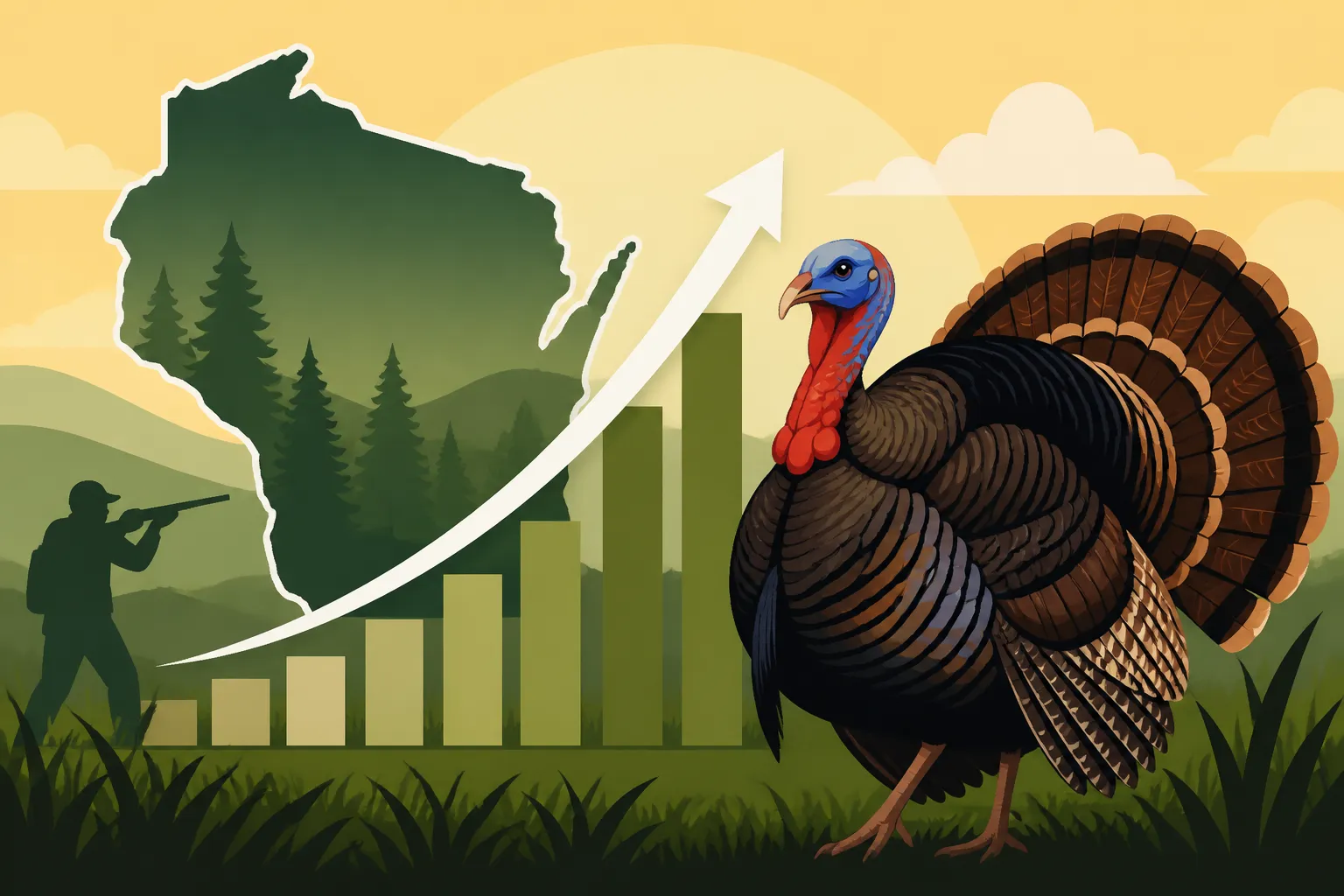
As you can see from the table, both spring and fall harvest numbers have generally trended downward from their peak. The spring hunt, being more focused on gobblers and often coinciding with breeding activity, still accounts for the vast majority of the annual harvest. However, a consistent decline in both seasons often suggests a reduction in overall bird numbers or, at the very least, a shift in hunter success rates due to changes in population distribution or behavior. For those curious about the specifics, delving into the Wisconsin Spring Turkey Harvest Numbers reveals how individual periods and zones perform.
It's important to remember that harvest data isn't just about how many birds were taken; it also reflects hunter effort. If fewer people are hunting, or if success rates drop, the harvest numbers will naturally follow. However, when you combine this data with other indicators like brood surveys and public observations, a clearer picture of population health emerges.
Factors Influencing Wisconsin's Turkey Populations
Understanding why turkey populations fluctuate is key to appreciating the challenges they face and the strategies needed to manage them. It's a complex web of environmental factors, habitat changes, and pressures from other wildlife.
Weather Extremes and Reproduction Success
Wild turkeys, especially their young, are incredibly vulnerable to the whims of Mother Nature. We often hear hunters lamenting a tough spring or a brutal winter, and for good reason. Consecutive harsh winters, especially those with prolonged deep snow, can take a heavy toll on adult turkeys by limiting access to food and increasing energy expenditure. Turkeys, though resilient, need to conserve energy through winter, and deep snow makes foraging incredibly difficult, leading to weaker birds in the spring.
Even more critical is the weather during the nesting and brooding periods. Cold, wet springs are absolute killers for turkey poults (the young turkeys). Poults are highly susceptible to hypothermia, and prolonged periods of rain or cold can decimate an entire hatch. A strong hatch is crucial for sustaining the population; without enough young birds surviving to adulthood, the overall numbers will inevitably decline. This is why researchers pay so much attention to Poult-to-Hen Ratios and What They Mean, as it's a direct indicator of reproductive success and the future health of the flock. If we have a few bad years in a row, the impact can be significant and noticeable for hunters a year or two down the line.
Habitat Changes and Predation Pressure
While turkeys are adaptable, they still require specific habitat features to thrive. The maturation of forests, while beneficial for some species, can reduce the amount of early successional habitat that turkeys rely on for nesting and brood rearing. Turkeys prefer a mosaic of mature woods for roosting and foraging, coupled with dense, brushy areas, old fields, and young forests for nesting and protecting poults from predators. As timber stands age and become more uniform, these critical nesting and brooding grounds can diminish.
Furthermore, changes in agricultural practices can also play a role. While standing cornfields can offer great winter food sources and cover, large monocultures without interspersed woodlands or grassy edges aren't ideal. We also can't ignore the impact of increased predator populations. Coyotes, raccoons, opossums, and even domestic pets can be significant predators of turkey nests and poults. While predation is a natural part of the ecosystem, an imbalance can contribute to lower recruitment rates. This increased pressure certainly contributes to issues like Nest Predation and Turkey Hatches, making it harder for our turkey numbers to rebound after a tough year.
Disease and Other Environmental Challenges
Like all wildlife, turkeys are not immune to disease. While widespread outbreaks haven't been a primary driver of major population declines in Wisconsin, localized instances of diseases like Avian Pox or Lymphoproliferative disease can affect segments of the population. These diseases are naturally occurring and often more prevalent when birds are stressed or living in high densities.
Beyond disease, other environmental challenges include occasional droughts that affect food sources, increased human disturbance in popular hunting or recreational areas, and even significant changes in insect populations, which are a vital food source for young poults. It’s a delicate balance, and any shift in these factors can impact the overall health and resilience of our wild turkey flocks.
Wisconsin DNR's Management Strategies
Recognizing the value and popularity of wild turkeys, the Wisconsin DNR works tirelessly to monitor and manage the population. Their strategies are designed to ensure sustainable hunting opportunities while maintaining a healthy and robust turkey flock for generations to come.
Monitoring, Surveys, and Data Collection
The foundation of any good wildlife management plan is solid data. The DNR employs a variety of methods to keep tabs on turkey numbers. This includes:
- Spring Gobbler Surveys: Hunters are often asked to voluntarily report the number of gobblers they hear or see during the spring, which helps gauge breeding activity and distribution.
- Summer Brood Surveys: This is one of the most critical tools. Biologists and volunteer observers record sightings of hens with poults, meticulously counting the number of young birds per hen. As discussed earlier, these Poult-to-Hen Ratios and What They Mean are a key indicator of reproductive success for that year, giving managers a heads-up on what to expect for future population trends.
- Harvest Registration Data: Every turkey harvested in Wisconsin must be registered, providing precise numbers on hunter success, geographic distribution of harvests, and age/sex ratios of taken birds. This real-time data is invaluable for assessing the impact of hunting seasons.
- Hunter Observations: The DNR also relies heavily on anecdotal reports and observations from dedicated hunters like you. Your insights from the field, when communicated to the DNR, help fill in gaps and validate scientific findings.
These combined efforts help paint a comprehensive picture, allowing managers to make informed decisions.
Season Structures and Permit Allocations
One of the most direct ways the DNR manages turkey populations is through regulating hunting seasons. Wisconsin employs a carefully designed zone and period system for spring turkey hunting, which is quite unique and aims to distribute hunter pressure and opportunities.
- Spring Turkey Zones: The state is divided into The Seven Wisconsin Turkey Zones, each with specific characteristics and turkey densities. This allows for tailored management, allocating more permits to areas with higher turkey numbers and fewer to areas where populations might be more sensitive.
- Hunting Periods: Within each zone, the spring season is further divided into multiple shorter hunting periods (usually one week long). This system helps spread out hunters and reduce crowding, enhancing the quality of the hunting experience and preventing over-harvest in any single timeframe. Hunters apply for a specific zone and period through a drawing, which you can learn more about in the Wisconsin Turkey Period Drawing guide.
- Permit Quotas: The number of permits issued for each zone and period is determined by population estimates and harvest objectives. This controlled approach ensures that the harvest remains sustainable and doesn't negatively impact the breeding population.
- Fall Turkey Season: Wisconsin also offers a fall turkey season, which is generally more liberal, often allowing hunters to purchase multiple Leftover Turkey Authorizations in Wisconsin or over-the-counter tags, depending on the zone. Fall hunting typically targets both gobblers and hens, offering additional opportunities while having less impact on the spring breeding population. The Wisconsin Fall Turkey Seasons tend to be less popular than spring but can be incredibly rewarding.
By carefully adjusting permit numbers and season dates, the DNR can respond to changes in turkey populations. For instance, if brood surveys indicate a couple of poor reproductive years, they might reduce permit numbers in subsequent seasons to allow the population to recover. When planning your hunt, understanding these zones and periods is crucial. Tools like GoHunt can be incredibly helpful for visualizing these zones, checking permit availability, and researching past draw odds to increase your chances of securing a tag for a prime location.
What Hunters Can Do to Help
As hunters, we're often the first to notice changes in wildlife populations. We also have a crucial role to play in conservation. Beyond buying our licenses, there are tangible steps we can take to support Wisconsin's wild turkey populations.
Habitat Improvement on Private Lands
For many of us, our hunting experiences happen on private land, whether it's our own property or land we have permission to hunt. Private landowners are vital partners in turkey conservation because they control so much potential habitat. Simple, yet effective, habitat improvements can make a huge difference:
- Creating Early Successional Habitat: Turkeys need young, brushy cover for nesting and poult rearing. This type of habitat often occurs after logging or disturbance. Consider managing a portion of your woods through selective cutting or creating small clearings to encourage new growth.
- Planting Food Plots: While controversial in some deer management circles, strategically placed food plots with grains like corn, soybeans, or clover can provide crucial winter food sources and attract turkeys during the hunting season. Make sure to check local regulations regarding baiting and feeding, especially concerning CWD zones.
- Maintaining Diverse Forest Stands: Avoid creating monoculture forests. A healthy turkey habitat has a mix of mature hardwoods for roosting, mast-producing trees (oaks, beeches) for food, and younger stands for cover.
- Preserving Riparian Zones: Areas along creeks and rivers often have diverse vegetation and can provide water and insects, critical for poults. Minimizing disturbance in these areas is beneficial.
Even small-scale efforts can create pockets of prime habitat that can help local turkey numbers thrive, creating a haven for birds that might be struggling elsewhere.
Responsible Hunting Practices and Reporting
Our actions in the field not only reflect on the hunting community but also directly impact the resource. Responsible hunting practices are paramount to ensuring healthy turkey populations for the future.
- Ethical Hunting: Adhere to all regulations, practice good sportsmanship, and always strive for clean, humane shots. Understanding Wisconsin Turkey Bag Limit and not exceeding it is fundamental.
- Reporting Observations: The DNR can't be everywhere. If you notice unusual turkey activity, significant declines in your area, or signs of disease, report it to the local wildlife biologist. Your boots-on-the-ground observations are incredibly valuable for management.
- Adhering to Registration Rules: Promptly and accurately registering your harvested bird, as detailed in the Wisconsin Turkey Registration Rules, is not just a legal requirement but a crucial data point for the DNR's population models. Each registration contributes to a clearer picture of the population.
- Mindful Scouting: When scouting, especially during the off-season, be mindful of nesting hens. Minimizing disturbance in prime nesting areas is vital. Utilizing advanced mapping tools, such as those found on GoHunt, can help you scout effectively from a distance, identifying potential roosting areas or feeding grounds without putting unnecessary pressure on the birds. This helps you find the Best Wisconsin Counties for Turkeys while minimizing your footprint. These tools can also help you identify Where Wisconsin Gobblers Roost during different times of the year, allowing for more strategic and less intrusive scouting.
By actively participating in habitat improvement and adhering to responsible hunting ethics, we become true stewards of Wisconsin's wild turkey resource, helping to ensure that the thrill of a spring gobbler hunt remains a cherished tradition.
Disclaimer
Please note: Hunting regulations, season dates, and population data can change frequently. Always consult the most current Wisconsin Department of Natural Resources (DNR) regulations and publications before planning any hunting activities. This guide is for informational purposes only and does not supersede official DNR rules and guidelines.