Wisconsin Turkey Period Drawing
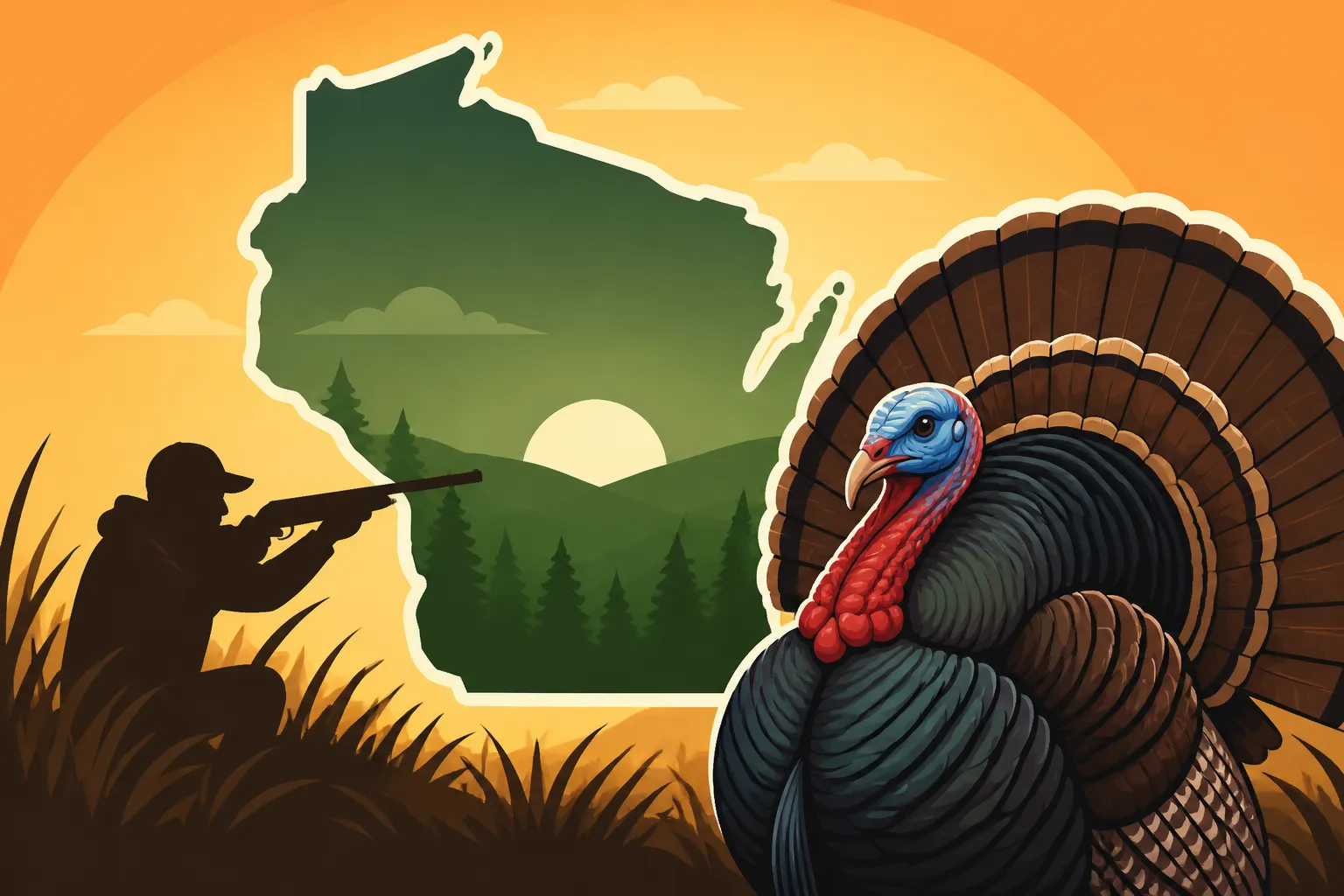
Trying to navigate the Wisconsin spring turkey period drawing can feel like a game of chance, and for many hunters, it's one of the most stressful parts of their annual preparation. The anxiety of waiting to see if you've drawn that coveted tag, especially for a prime zone or period, is a real frustration. This comprehensive guide is here to demystify the entire process, walking you through everything you need to know about applying, understanding the drawing, and maximizing your chances for a successful Wisconsin turkey hunt.
Understanding Wisconsin's Spring Turkey Zones and Periods
Wisconsin's spring turkey season isn't a free-for-all; it's a carefully managed system designed to distribute hunting pressure and ensure healthy turkey populations across the state. This means understanding the distinct zones and hunting periods is the first, crucial step in planning your hunt. Without this knowledge, you're essentially applying blind, and that's not a recipe for success.
The Seven Wisconsin Turkey Zones
The state is divided into seven distinct turkey management zones, each with its own specific characteristics regarding turkey density, habitat, and hunting pressure. These zones aren't just arbitrary lines on a map; they reflect biological data and management goals set by the Wisconsin Department of Natural Resources (DNR). For example, Zone 1, which covers a large portion of the Driftless Area, is renowned for its robust turkey populations and excellent habitat, often making it highly sought after. In contrast, some northern zones might have lower turkey densities due to harsher winters and different habitat types, leading to less competition for tags.
Choosing the right zone is paramount. You'll want to consider where you have access to land, whether it's public or private, and what kind of hunting experience you're looking for. A quick glance at the Wisconsin Turkey Population Trends reveals that some areas consistently hold more birds. Some hunters prefer the challenge of lower-density areas to escape crowds, while others prioritize higher success rates in more populated regions. Each zone presents unique opportunities and challenges, and familiarity with their boundaries and characteristics is essential for making an informed application choice.
The DNR uses these zones to manage harvest quotas and ensure sustainable populations. This means that if a zone has a particularly good hatch year or strong overwinter survival, more tags might be available in subsequent seasons. Conversely, if a zone experiences a decline, the number of available tags might be reduced to allow the population to recover. It's a dynamic system, and paying attention to these zone-specific nuances can greatly influence your drawing odds and hunting experience. You can find detailed maps of The Seven Wisconsin Turkey Zones on the DNR website, which are incredibly helpful for visualizing these areas.
Decoding the Turkey Hunting Periods
Beyond the zones, Wisconsin also divides its spring turkey season into several distinct hunting periods, typically lettered A through F. Each period lasts for several days, usually Wednesday through Sunday, with the entire season stretching from mid-April into late May. This staggered approach helps spread out hunters, reducing crowding and improving the quality of the hunt for everyone involved. It also ensures that various stages of the turkey breeding cycle are covered, offering different hunting dynamics.
The earlier periods (A, B) often coincide with the peak of breeding activity, when gobblers are most vocal and actively seeking hens. This can be a fantastic time for aggressive calling and getting birds to respond readily. However, it can also mean that gobblers are "henned up," making them harder to pull away. As the season progresses into later periods (D, E, F), hens begin to nest, and gobblers might become more solitary and responsive to calling, especially in the mornings. This shift in behavior requires different tactics, perhaps more patience or a "run-and-gun" approach.
Many hunters have a favorite period, often based on their personal experience, preferred hunting style, or when they can take time off work. Understanding the general behavior of turkeys during each of these periods can help you decide which one aligns best with your hunting strategy. For instance, if you love the thrill of an early-morning roost hunt, targeting an earlier period might be your best bet, as gobblers are often still on the roost and vocal before heading down. Familiarize yourself with the Wisconsin Spring Turkey Period Dates to align your application with your availability and preferred hunting conditions.
The Application Process for a Spring Turkey Authorization
Applying for a spring turkey authorization in Wisconsin isn't overly complicated, but it does require attention to detail and understanding how the system works. Missing a deadline or misunderstanding the preference point system can mean missing out on your chance to chase longbeards in the spring.
Navigating the Go Wild System
The entire application process for Wisconsin hunting licenses and permits, including the spring turkey drawing, is managed through the state's "Go Wild" system. It's an online portal that streamlines everything from purchasing your base license to applying for special drawings. To get started, you'll need an active Wisconsin hunting license. Once you have that, you can log into your Go Wild account and navigate to the permit application section. The system is designed to be user-friendly, but like any online portal, it can have its quirks.
When you apply, you'll be asked to select your preferred zone and hunting period. This is where your research on The Seven Wisconsin Turkey Zones and hunting periods really pays off. You'll submit your choices, and your credit card will be charged a small application fee, even if you don't draw a tag. It's crucial to ensure all your information is correct before submission, as mistakes can be difficult to rectify once the application window closes. Many hunters find using tools like GoHunt's mapping features incredibly helpful during this stage to visualize zones and access points. They can help you scout potential hunting areas even before you apply, making your zone and period selection more informed.
The application period for the spring turkey drawing typically runs from early to mid-December, closing in early January. It's a good idea to mark these dates on your calendar and apply well in advance to avoid any last-minute technical glitches or forgetting entirely. The Wisconsin DNR does a good job of publicizing these deadlines, but it’s ultimately the hunter’s responsibility to stay informed.
Understanding Preference Points
Wisconsin uses a preference point system for its spring turkey drawing, which is designed to give applicants who have been unsuccessful in previous years a better chance of drawing a tag. For every year you apply for a spring turkey tag but don't draw your first choice, you accumulate one preference point. These points essentially give you a higher priority in subsequent drawings. The more points you have, the better your odds.
This system can be both a blessing and a curse. It rewards persistence, but it also means that highly desirable zones and periods might require many years of accumulating points before you have a realistic chance of drawing. For example, some prime periods in Zone 1 might take several preference points to draw consistently, while less popular zones or later periods might be drawn with zero or very few points. This is where strategic application comes into play. If you're consistently striking out on your top choice, you might need to adjust your strategy or consider hunting areas with less competition. You can delve deeper into Wisconsin Turkey Preference Point Rules to understand the nuances.
It's important to remember that if you draw your first choice, your preference points reset to zero. If you don't draw your first choice but are offered a second or third choice, your points continue to accumulate. This system encourages hunters to keep applying, even if they don't immediately get their dream tag, knowing that their chances improve with each unsuccessful attempt. GoHunt's data on drawing odds for different zones and periods can be an invaluable resource when deciding where to put your points to best use.
The Drawing: How It Works and What to Expect
Once the application period closes, the anticipation begins. The actual drawing process might seem like a black box, but it's a structured system designed for fairness. Knowing how it works and what to expect can ease some of that pre-draw anxiety.
The Algorithm Behind the Draw
The Wisconsin spring turkey drawing is conducted through a computerized random selection process. It's not simply a first-come, first-served system; instead, it prioritizes applicants based on their accumulated preference points. The system first allocates tags to applicants with the highest number of preference points for their chosen zone and period. If there are more applicants with the same number of points than available tags, a random drawing is conducted among those individuals. This process continues down through the preference point tiers until all available tags for that specific zone and period are allocated.
This means that while preference points significantly increase your odds, they don't guarantee a tag. Even with a high number of points, it's possible (though less likely) to be unsuccessful if there's an unusually high demand or limited quota for your chosen unit. Conversely, sometimes, with very few points, you might get lucky in a less popular period or zone. The system aims for fairness by giving those who have waited longer a better shot, while still maintaining an element of chance to keep things equitable.
The DNR determines the number of available permits for each zone and period based on turkey population surveys, harvest data from previous seasons, and habitat conditions. This ensures that the harvest remains sustainable and doesn't negatively impact the overall turkey population. The timing of When the Wisconsin Turkey Drawing Happens is usually in late January or early February, so you're not left waiting too long after the application deadline.
Checking Your Drawing Results
Once the drawing is complete, the results are typically posted online through the Go Wild system. You'll usually receive an email notification indicating that the results are available, prompting you to log into your account. Upon logging in, you'll be able to see whether you successfully drew your first choice, were offered a second or third choice, or were unsuccessful entirely.
If you drew your first choice, congratulations! Your authorization will be linked to your hunting license, and you're all set to go. If you were offered a second or third choice, you'll have the option to accept or decline that tag. This is where careful consideration comes in: do you want to take a less preferred tag and reset your preference points, or decline it, keep your points, and try for your ideal tag next year? This decision often depends on how many points you have and how badly you want to hunt that specific spring.
If you were unsuccessful in drawing any of your choices, don't despair! This just means you've gained another preference point for next year's drawing. More importantly, it opens the door to exploring leftover tag sales, which we'll discuss next. Regardless of the outcome, checking your results promptly is important so you can plan your next steps, whether that's gearing up for your drawn hunt or strategizing for leftover sales.
Maximizing Your Chances and Alternative Options
Even with a preference point system, drawing a tag for a specific zone and period can be challenging. But there are ways to improve your odds and alternative options if the drawing doesn't go your way.
Strategic Zone and Period Selection
Choosing your zone and period wisely can make a huge difference in your drawing success. As mentioned, some zones, particularly those with strong turkey populations and ample public land like sections of the Driftless Area, tend to be much harder to draw. Similarly, the earliest periods (A and B) are often the most popular due to the perceived peak of gobbler activity. If your goal is simply to hunt turkeys in Wisconsin, rather than a specific hotspot, consider applying for less competitive zones or later periods.
Looking at historical drawing odds, which are often published by the DNR or aggregated by services like GoHunt, can provide valuable insight. This data can show you which zones and periods require more preference points on average, helping you make a more realistic choice. For example, if you have zero points and consistently apply for Period A in Zone 1, your chances are slim. However, applying for Period E or F in Zone 4, which might have lower demand, could significantly increase your likelihood of drawing. It's about balancing your desires with the realities of the draw.
Another strategy, especially if you're hunting with a group, is to coordinate your applications. While each hunter applies individually, knowing everyone's preferences and point totals can help you decide if it's better for some to target high-point units while others aim for easier draws to ensure at least some members of the group get a tag. Flexibility is key here; don't get too locked into one idea of the "perfect hunt" if it means you're constantly striking out.
Leftover Turkey Authorizations and Over-the-Counter Tags
If you're unsuccessful in the initial drawing or simply want to try for an additional tag, Wisconsin offers leftover turkey authorizations. These are tags that weren't claimed in the main drawing or were declined by hunters. They become available for purchase, usually starting in mid-March, on a first-come, first-served basis through the Go Wild system. This is a golden opportunity for hunters who missed the initial application deadline, didn't draw, or are simply looking for a second tag, as turkey tags you can buy can sometimes allow for multiple opportunities.
The sale of leftover tags is typically staggered, with certain zones and periods released at different times to manage demand. It pays to be ready at your computer right when these sales open, as desirable tags can sell out in minutes, sometimes even seconds. Again, GoHunt can be useful here, often providing notifications and direct links when leftover tags become available. This can give you a crucial edge in securing a tag before they're all gone.
Some periods and zones might even have tags available over-the-counter throughout the season, especially the later periods in less-pressured zones. These are truly "leftover of the leftovers" and represent a fantastic opportunity for flexible hunters or those new to the sport. While these might not be for the most sought-after prime-time hunts, they still offer a quality hunting experience. Don't overlook the chance to hunt by picking up Leftover Turkey Authorizations in Wisconsin; it's a great way to still get out in the woods even if the initial drawing didn't favor you.
Important Rules and Considerations for Your Hunt
Once you have your turkey authorization in hand, it's time to shift your focus to the hunt itself. But before you head afield, make sure you're well-versed in the essential rules and regulations to ensure a legal and ethical experience.
Tagging and Registration Requirements
Successfully harvesting a wild turkey is an exciting moment, but the work isn't over when the bird hits the ground. Wisconsin has specific rules for tagging and registration that all hunters must follow. Immediately after dispatching your bird, you must validate your tag by cutting out the specific date and time of kill. This validated tag then needs to be securely attached to the turkey's leg. This step is critical and must be done before moving the bird. This system helps the DNR track harvest numbers and enforce regulations.
After tagging, the next step is registration. All harvested turkeys in Wisconsin must be registered by 5:00 PM the day after the kill. This can be done online through the Go Wild system or by phone. You'll need to provide information such as the unique tag number, the date and time of kill, the zone and period you hunted in, and the county where the bird was harvested. This data is vital for the DNR's turkey management efforts, helping them monitor populations and adjust future quotas. Skipping this step can lead to penalties, so make it a priority. Familiarize yourself with the exact Wisconsin Turkey Registration Rules to avoid any issues.
Remember that Wisconsin's general rule is a one-bird bag limit per authorization. If you are lucky enough to secure a second authorization through leftover sales, then you can harvest a second bird. Understanding the Wisconsin Turkey Bag Limit is paramount to staying legal. Don't forget that a turkey authorization is only valid for a specific zone and period, so make sure you're hunting within those parameters.
Understanding Baiting and Feeding Restrictions
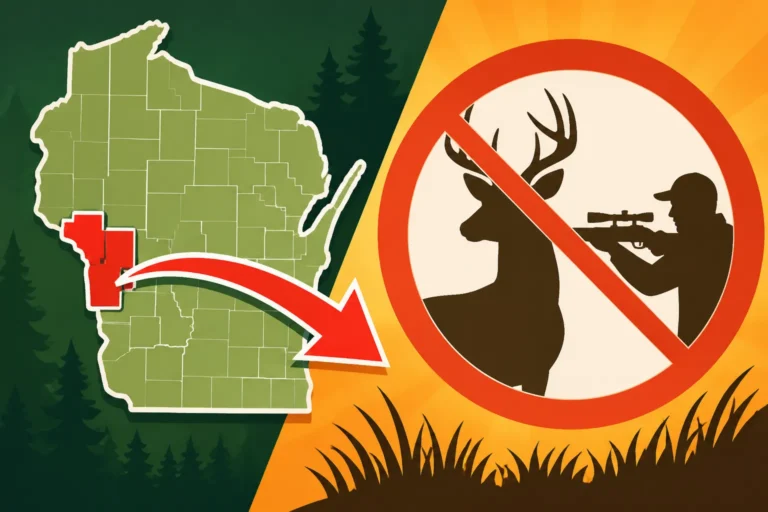
It's crucial for turkey hunters to be aware of Wisconsin's baiting and feeding regulations, especially concerning deer. While these rules primarily target deer hunting, they can affect turkey hunters because baiting and feeding bans often apply year-round and to all wild animals in designated areas. If you are hunting in a county that has a baiting and feeding ban in place due to Chronic Wasting Disease (CWD), you cannot place or use bait or feed for any purpose, including for turkeys, even if you’re not deer hunting.
These bans are implemented to reduce the concentration of deer at artificial feed sites, which can increase the risk of CWD transmission. The rules are strict and often apply to both public and private lands within the affected counties. It’s your responsibility as a hunter to check the current regulations for the specific county you plan to hunt in before you place anything on the ground that could be considered bait or feed. Using a feeder to attract deer, even during turkey season, would be a violation in a banned county.
The intent of baiting and feeding rules is to maintain healthy wildlife populations and prevent disease spread. Therefore, practices like scattering corn or other attractants to bring in turkeys would be illegal in CWD-affected counties. Always consult the latest DNR regulations or use resources like GoHunt to stay informed on specific county-level bans before heading into the field. Adhering to these rules is not just about avoiding a ticket; it's about responsible wildlife management and contributing to the health of Wisconsin's game animals.
Disclaimer
The information provided in this guide is intended for general informational purposes only and may not be exhaustive or entirely up-to-date. Hunting regulations and seasons in Wisconsin are subject to change. It is the hunter's responsibility to consult the most current Wisconsin Department of Natural Resources (DNR) official regulations and publications before participating in any hunting activity. Always confirm specific dates, rules, and zone boundaries with the official DNR resources to ensure compliance.