Wisconsin Turkey Harvest Numbers
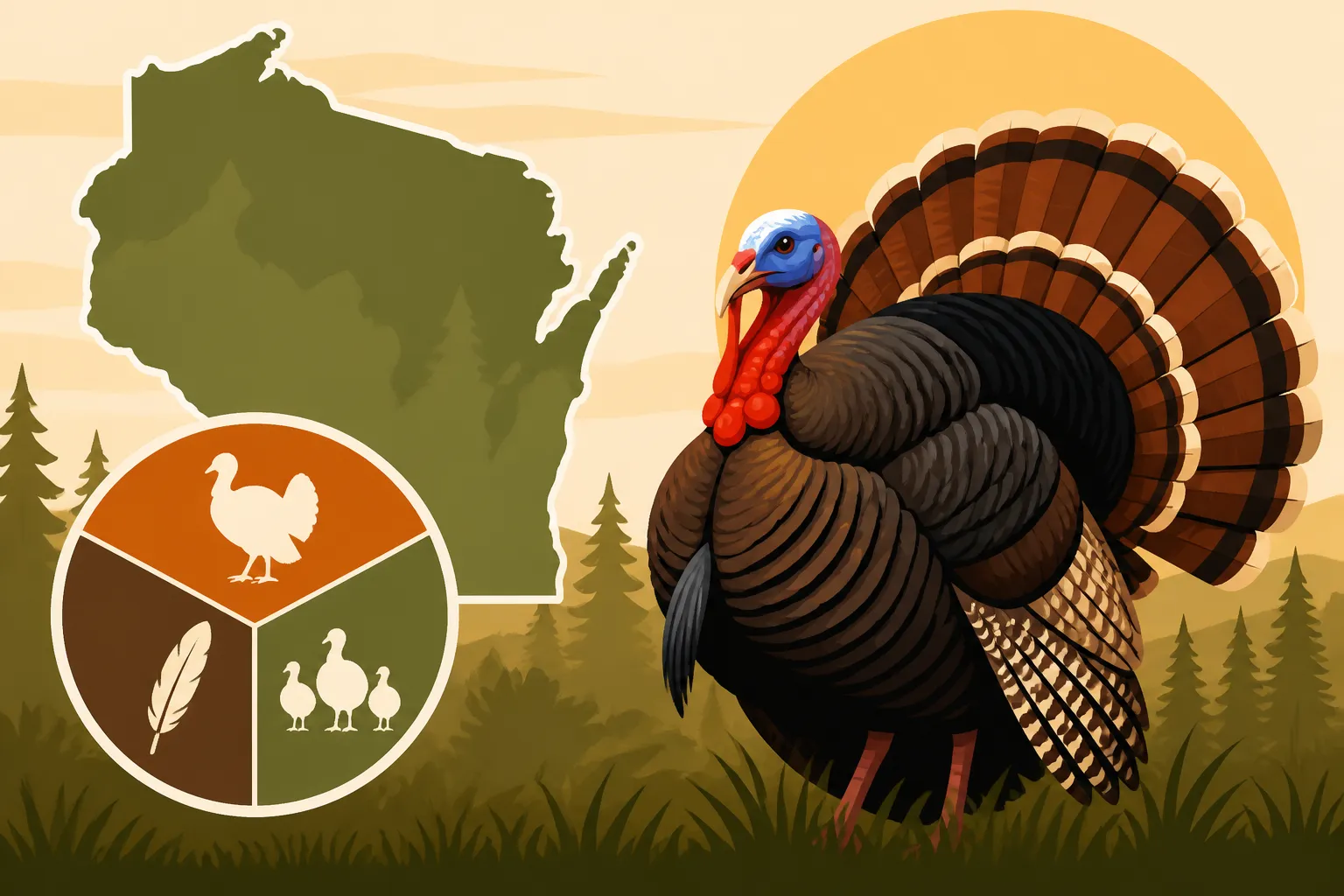
It's incredibly exciting to see wild turkeys thriving in Wisconsin, especially when you consider that not too long ago, these magnificent birds were practically non-existent in our state. For many hunters, understanding the ebb and flow of turkey populations and how successful our seasons have been is more than just a passing curiosity; it’s key to planning future hunts and appreciating the conservation efforts that made it all possible. This guide is going to take a deep dive into Wisconsin's turkey harvest numbers, breaking down what they mean, what influences them, and how you can use this knowledge to become a more informed and successful hunter.
Understanding Wisconsin's Wild Turkey Comeback Story
When you're sitting in the spring woods, listening to gobblers sound off, it's easy to forget that this wasn't always the case. Wisconsin's wild turkey population is a true conservation success story, and understanding its journey helps put those harvest numbers into perspective.
From Near Extinction to Abundance: A Conservation Success
Back in the early 20th century, wild turkeys had vanished from Wisconsin due to unregulated hunting and extensive habitat loss. It’s a somber thought to imagine our forests and fields without their iconic calls. Thankfully, dedicated conservationists and the Wisconsin DNR began an ambitious reintroduction program in the 1970s. This wasn't just about releasing a few birds; it was a carefully planned effort involving trap-and-transfer operations, bringing wild turkeys from other states with healthy populations, like Missouri, and releasing them into suitable habitats here in Wisconsin. The success was astounding. You can learn more about exactly how these efforts brought the birds back in our detailed post, "How Turkeys Were Restored to Wisconsin". Over the decades, these initial stockings flourished, expanding their range across nearly every county in the state. Today, we have a robust and self-sustaining population that provides incredible hunting opportunities and a chance to experience one of nature's most thrilling vocalizations firsthand.
These reintroduction efforts weren't without their challenges, but the dedication of wildlife managers and the support of hunters through license fees truly made the difference. What began with a handful of birds in carefully selected release sites has blossomed into hundreds of thousands of turkeys roaming our woodlands, prairies, and agricultural fringes. This widespread distribution means that no matter where you live in Wisconsin, you likely have turkeys within a reasonable drive, a testament to what focused conservation can achieve.
How the DNR Monitors Turkey Populations
To ensure the long-term health of our turkey population and to manage hunting opportunities sustainably, the Wisconsin DNR employs several methods to monitor turkey numbers. It's not just about counting birds; it's about understanding trends, reproductive success, and overall health.
One crucial tool is the annual summer wild turkey brood survey, where volunteers and DNR staff record observations of hens and poults (young turkeys) from July through August. This data provides invaluable insights into annual reproductive success, which directly impacts the number of birds available for hunting in future seasons. A tough, wet spring can mean lower poult-to-hen ratios, which might signal a dip in future populations. You can dive deeper into these vital statistics by reading our article on "Poult-to-Hen Ratios and What They Mean". Additionally, mandatory harvest registration, whether online, by phone, or at a designated station, provides precise data on how many birds are taken each season, where they are harvested, and the method used. This detailed information allows the DNR to track harvest trends against population estimates and adjust season structures or quotas as needed to maintain healthy turkey numbers across all of Wisconsin's turkey management zones.
Beyond formal surveys and registration, hunter feedback also plays a vital role. Hunters are often the first to notice changes in local turkey activity, breeding behavior, or the presence of disease. This on-the-ground intelligence, combined with scientific data, helps paint a comprehensive picture of the state's turkey population health. It's a collaborative effort between wildlife professionals and the hunting community, all working towards ensuring strong turkey hunting traditions for generations to come.
Deciphering Wisconsin's Turkey Harvest Data
Looking at raw numbers can sometimes feel like staring at a complex spreadsheet, but when you break down Wisconsin's turkey harvest data, it tells a compelling story about our seasons, hunter success, and the factors at play each year.
Key Metrics: Spring vs. Fall Harvests
Wisconsin offers both a spring and a fall turkey hunting season, and the harvest data for each tells a distinct story. The spring season, which runs from mid-April through late May across six different time periods, is by far the most popular and productive. Hunters in the spring are primarily pursuing gobblers (males) as they respond to calls during the breeding season, offering those thrilling, up-close encounters. Because of this focused effort on responsive males and the intense passion for spring gobbler hunting, the spring harvest numbers are consistently much higher than the fall.
In contrast, the fall turkey season, which typically runs from mid-September through early January, allows hunters to harvest any turkey, whether it's a tom, hen, or jake. Fall hunting is often a different game, focusing more on breaking up flocks and calling birds back together, or still-hunting through cover. While it offers a unique challenge and a chance to fill the freezer, fewer hunters participate, and the birds are generally less vocal, leading to significantly lower overall harvest numbers compared to spring. Understanding these fundamental differences is crucial when you look at annual harvest reports; comparing spring to fall numbers directly isn't an apples-to-apples comparison, but rather two distinct hunting experiences. Our guide on "Wisconsin Spring Turkey Zones and Periods", alongside our article on "Wisconsin Fall Turkey Seasons", provides even more detail on these distinct opportunities.
Understanding Harvest Trends and Fluctuations
Turkey harvest numbers aren't static; they fluctuate from year to year, influenced by a variety of environmental and biological factors. A particularly harsh winter, for example, can impact overwinter survival, especially for hens and poults, which in turn can affect the following spring's breeding success.
Weather during nesting and brooding periods is a huge factor. Cold, wet springs can decimate young poults, leading to fewer birds recruited into the fall and subsequent spring populations. On the flip side, mild winters and ideal nesting conditions can lead to bumper crops of turkeys, resulting in higher harvest numbers a year or two later. Hunting pressure also plays a role. While Wisconsin's turkey population is robust, localized high pressure in easily accessible areas might temporarily depress success rates. Disease, though less common as a widespread major impact, can also cause localized die-offs. The Wisconsin DNR closely tracks these factors, and savvy hunters can use this information, often found on resources like the GoHunt app or website, to anticipate good years and challenging ones. It’s all part of the fascinating dance between wildlife, weather, and hunter effort.
The Role of Hunter Participation
It's a simple truth that if fewer people are out hunting, the harvest numbers will naturally be lower, even if the turkey population itself is healthy. Hunter participation is a significant variable that directly influences annual harvest totals.
Wisconsin boasts a passionate and dedicated turkey hunting community. Each spring, thousands of hunters take to the woods, applying for specific time periods and zones, eager to call in a gobbler. The number of applications and permits issued directly correlates with the potential for harvest. For instance, if a particular zone experiences a surge in popularity, leading to more permits being issued, it might see a higher harvest number that year, assuming the birds are there. Conversely, a decrease in overall hunter numbers, perhaps due to economic factors or changing demographics, could lead to a dip in harvest totals, even if the wild turkey population itself remains strong. Platforms like GoHunt can give you insights into application trends and success rates, helping you choose the best time period or zone for your application. This interplay between available birds and human effort is a constant consideration for wildlife managers striving to balance opportunity with conservation.
Geographic Breakdown: Where Turkeys Are Harvested Most
Wisconsin is a diverse state, from the northern forests to the central plains and the southwestern Driftless Area. This geographical variety means turkey populations aren't uniform, and neither are the harvest numbers.
Zone by Zone: Analyzing Harvest Hotspots
Wisconsin is divided into several turkey management zones, and historically, certain areas consistently produce higher harvest numbers. The southwestern portion of the state, particularly the Driftless Area (Zones 1 and 2), with its mix of hardwoods, steep ridges, and agricultural fields, has long been a powerhouse for wild turkeys. Counties like Richland, Crawford, Vernon, and Grant often lead the state in overall harvest. These areas offer ideal habitat, plenty of food sources, and varied terrain that turkeys thrive in. The rolling hills and river bottoms create excellent roosting and strutting areas, and the agricultural lands provide abundant grain and insects.
While the Driftless Area might dominate the top spots, other zones across the state also provide excellent hunting. The central agricultural zones (like Zone 3) can be very productive, offering vast food sources, though public access might be more limited. Even the northern forest zones (Zone 6) have seen tremendous growth in turkey numbers, providing more challenging but equally rewarding hunts. As turkey populations continue to expand and adapt, hunters are finding success in areas that might not have been traditional hotspots just a couple of decades ago. This geographic spread highlights the incredible adaptability of the wild turkey and the success of the reintroduction programs across the entire state. For a deeper look at the population dynamics across the state, check out "Wisconsin Turkey Population Trends".
Public vs. Private Land Impact
When we talk about harvest numbers, the distinction between public and private land is significant. Many of Wisconsin's highest harvest totals come from private land, simply because there's more of it, and often, it receives less hunting pressure from the broader public.
Private landowners with suitable habitat can manage their properties specifically for turkeys, creating food plots, maintaining ideal timber stands, and providing secure roosting sites. This often leads to dense, healthy local populations that can contribute significantly to county-level harvest data. However, that's not to say public lands don't offer fantastic opportunities. State forests, wildlife areas, and national forests provide millions of acres for hunters, and while they might see more pressure, they hold a strong contingent of birds. Successful public land hunting often involves more intensive scouting to find less-pressured areas. Sometimes, the overall harvest from public lands might be lower per acre, but the total contribution is still immense, and for many hunters, the challenge and reward of harvesting a bird on public ground is unmatched. The trick is often finding those hidden pockets, as discussed in our post on "Run-and-Gun Turkey Tactics on Public Land".
The Influence of Habitat and Land Use
The type of habitat and how land is used across Wisconsin are foundational to understanding turkey harvest numbers. Turkeys are adaptable, but they thrive in specific environments.
Ideal turkey habitat typically features a mosaic of mature hardwood forests (especially oaks for acorns), interspersed with open fields or clearings for strutting, feeding, and nesting. The edges where these different habitat types meet are often prime turkey territory. Agricultural areas, particularly those with corn and soybean fields, provide critical food sources, especially during colder months. The Driftless Area's success is largely due to this perfect blend of timbered hills and productive farm fields. Conversely, extensive monoculture farming with very little timber, or dense, unbroken coniferous forests, tend to support fewer turkeys and thus lower harvest numbers. Factors like "Nest Predation and Turkey Hatches", which are heavily influenced by habitat quality, also play a crucial role in overall population health and, subsequently, harvest success. As land use changes – whether through development, changing agricultural practices, or forest management – it directly impacts the carrying capacity for turkeys and, consequently, the number of birds available for hunters.
Factors Influencing Future Turkey Harvests
Looking ahead, several key factors will continue to shape Wisconsin's turkey harvest numbers. These aren't just abstract ideas; they're real-world elements that influence where and when you might hear a gobbler.
Weather Patterns and Reproduction Success
Perhaps the most significant external factor influencing turkey populations and future harvests is the weather, especially during critical nesting and brooding periods. Wild turkeys are fairly resilient, but their young, called poults, are particularly vulnerable.
A cold, wet spring can be devastating for poult survival. Young poults are susceptible to hypothermia and are more easily predated when conditions are damp and chilly. When we experience a spring with prolonged periods of rain and low temperatures in May and June, it often translates to a lower recruitment of young birds into the population. This reduction in the cohort of juvenile birds eventually means fewer jakes and two-year-old gobblers in subsequent hunting seasons, which can directly lead to a dip in harvest numbers a year or two down the line. Conversely, a mild winter followed by a warm, dry spring often sets the stage for a banner year for poult survival, leading to a noticeable increase in turkey numbers and improved hunting prospects in the seasons that follow. Keeping an eye on these weather trends can give you a pretty good idea of what to expect from the turkey population in your favorite hunting spots.
Habitat Changes and Their Effect on Turkey Numbers
While turkeys have shown incredible adaptability, significant changes in habitat can still have profound effects on their populations and, by extension, harvest numbers. The balance of timber, agriculture, and open space is crucial.
For instance, continued development and urban sprawl, particularly in southern Wisconsin, can fragment and reduce prime turkey habitat. When large tracts of woodland are broken up by housing or commercial areas, it limits the available space for roosting, nesting, and feeding, and can increase pressure from predators. On the other hand, certain forest management practices, such as selective logging or prescribed burns, can actually improve turkey habitat by creating diverse undergrowth for foraging and opening up areas for strutting. Similarly, changes in agricultural practices, like the shift to different crops or different harvesting timelines, can affect food availability. Hunters using mapping tools like those found on GoHunt can often spot these habitat changes from aerial imagery and adjust their hunting strategies accordingly. Understanding these dynamics is key to anticipating where turkeys might thrive or decline in the years to come.
Disease and Predation Concerns
While the Wisconsin turkey population is generally healthy, disease and predation are ever-present factors that can influence local and regional numbers. It’s a natural part of any wildlife ecosystem, but it's something the DNR monitors closely.
Diseases such as Avian Pox or Lymphoproliferative disease can occur in wild turkeys, though widespread, population-decimating outbreaks are relatively uncommon in Wisconsin. However, localized instances can impact turkey health and hunter success in specific areas. Hunters are often encouraged to report any sick or deceased birds they encounter to the DNR, as this helps monitor potential disease spread. Predation by coyotes, bobcats, foxes, raccoons, and even raptors is also a constant pressure, especially on eggs and young poults. While healthy adult turkeys are generally robust enough to withstand typical predation levels, intense localized predation combined with other stressors (like a tough winter or poor nesting season) can sometimes contribute to declines in specific areas. Balancing these natural pressures is a complex task for wildlife management, and it’s why understanding Wisconsin Turkey Harvest Numbers is so important.
Practical Takeaways for Wisconsin Turkey Hunters
Understanding the harvest numbers isn't just for wildlife biologists; it holds real value for you, the hunter, in planning your seasons and maximizing your enjoyment afield.
Using Data to Inform Your Hunt Planning
Armed with knowledge about past turkey harvest numbers, current population trends, and environmental factors, you can make more informed decisions about your next hunt. This is where tools like the GoHunt platform truly shine.
By reviewing the harvest reports, you can identify which zones and even which specific counties consistently produce higher turkey harvests. This doesn't guarantee success, but it gives you a statistical advantage in selecting a zone to apply for or focus your scouting efforts. For example, if you see that certain zones had a particularly low harvest due to poor poult survival two years prior, you might anticipate fewer two-year-old gobblers (jakes) in the current season and adjust your expectations or even your strategy. Likewise, if you're looking for areas with perhaps less hunting pressure, you might investigate zones with lower overall harvest but still respectable success rates, indicating healthy but less concentrated populations. Utilizing features that overlay harvest data with public land maps can also help you pinpoint areas that combine high success with accessible ground, giving you a serious edge in your pre-season planning.
Maximizing Your Chances: Beyond the Numbers
While harvest data provides a valuable framework, actual hunting success comes down to more than just statistics. It's about skill, preparation, and adaptability. Even in a banner year for turkey numbers, you still need to put in the work.
Thorough pre-season scouting is paramount. This means getting out into the woods, locating roosting areas, finding strut zones, and identifying travel corridors. Even in areas with good turkey numbers, finding where the turkeys are actively using is crucial. Mastering various calling techniques – from soft clucks and purrs to aggressive yelps and cutts – is also essential. Knowing when to be aggressive and when to be subtle, and being able to read a gobbler's mood, can make all the difference. Our posts like "Calling a Wisconsin Gobbler Off the Roost" and "Turkey Tactics for Driftless Farm Edges" offer great insights into these methods. Finally, staying mobile and adapting to conditions, especially on public land, can transform a slow hunt into a successful one. A solid understanding of the numbers helps you pick the right general area, but your woodsmanship and hunting prowess will ultimately seal the deal.
The Importance of Ethical Hunting and Data Submission
As hunters, we play a critical role not only in the harvest itself but also in the ongoing management and conservation of wild turkeys. Ethical hunting practices and accurate data submission are cornerstones of this responsibility.
First and foremost, ethical hunting ensures the continued health and public perception of our sport. This includes respecting wildlife, following all regulations, and ensuring clean, quick harvests. Beyond the hunt itself, accurately registering your turkey, whether it's a gobbler in spring or any bird in fall, is incredibly important. These "Wisconsin Turkey Registration Rules" are not just bureaucratic hurdles; they are the primary means by which the DNR collects the vital data discussed throughout this guide. Without accurate harvest numbers, wildlife managers can't make informed decisions about future season structures, population estimates, or conservation efforts. Every registered bird contributes to a clearer picture, helping to ensure that future generations of hunters will have the same, if not better, opportunities to experience the thrill of a Wisconsin turkey hunt. And once you've successfully brought one home, you'll want to check out our advice on preparing the "Best-Eating Game in Wisconsin".
| Year | Spring Harvest (Gobblers) | Fall Harvest (Any Turkey) | Total Harvest |
|---|---|---|---|
| 2023 | 47,025 | 7,208 | 54,233 |
| 2022 | 45,183 | 7,723 | 52,906 |
| 2021 | 46,071 | 8,014 | 54,085 |
| 2020 | 45,042 | 10,757 | 55,799 |
| 2019 | 45,984 | 7,867 | 53,851 |
Note: Data represents state-wide totals and is subject to change based on final DNR reports. Consult the official Wisconsin DNR website for the most current and detailed harvest statistics.
Disclaimer
The information provided in this guide is for general informational purposes only and is not intended as legal advice. Hunting regulations, seasons, and licensing requirements can change, so always consult the official Wisconsin Department of Natural Resources (DNR) website and current hunting regulations before participating in any hunting activity. Adherence to all local, state, and federal laws is the hunter's responsibility.