Aspen Management and Wisconsin Grouse
It can be incredibly frustrating to hit the woods, expecting those explosive flushes of a ruffed grouse, only to walk for hours through seemingly good cover with nothing to show for it. Many of us have felt that disappointment, wondering if the grouse numbers are just that low. But often, the secret lies not just in finding grouse, but in understanding the specific habitat they need to thrive – and in Wisconsin, that habitat is inextricably linked to proper aspen management. This guide will walk you through why aspen is so vital, how it’s managed, and how you can use this knowledge to become a more successful grouse hunter.
The Unmistakable Link Between Aspen and Ruffed Grouse
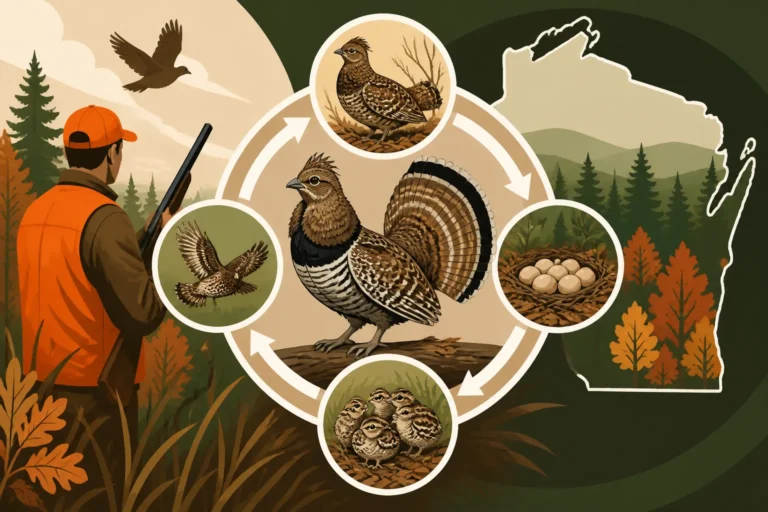
When we talk about ruffed grouse in Wisconsin, we really ought to be talking about aspen. It's not just a tree; it's the cornerstone of grouse survival. Think of it as their grocery store, their nursery, and their fortress, all rolled into one. Many hunters have walked through beautiful, mature hardwood forests, thinking "this looks like good grouse cover," only to be met with silence. That's because, while mature timber has its place, it doesn't offer the dense, life-sustaining elements that young aspen provides. Understanding this fundamental connection is the first step to unlocking consistent grouse encounters.
Why Young Aspen is the Gold Standard
If you want to find grouse, you need to find young aspen, specifically stands that are somewhere between 5 and 25 years old. This isn't just an arbitrary number; it's based on the biology and behavior of these birds. When aspen regenerates after a disturbance, like a timber harvest or a fire, it sprouts incredibly densely from its root system. This creates a thicket of small trees, often tens of thousands per acre, that is almost impenetrable to larger predators and provides the perfect hideout for grouse. The sheer volume of stems offers visual and physical barriers that keep hawks, owls, and foxes from easily spotting or pursuing a grouse.
Beyond just the density, the age of these stands is crucial. Very young sprouts (1-4 years) might offer some cover but lack the food resources. Once they get too old (over 25-30 years), the understory starts to open up, the canopy closes, and the dense network of stems thins out significantly. This makes it much easier for predators to hunt, reducing the stand's value as secure cover. It’s that sweet spot, the vibrant, energetic growth of young aspen, that truly defines prime grouse territory.
Shelter from the Storm: Protecting Grouse from Predators
One of the primary reasons grouse gravitate towards young aspen is for predator avoidance. A ruffed grouse is a master of camouflage, but even the best camouflage is useless without proper concealment. The tightly packed stems of a young aspen stand create a fortress against aerial predators like goshawks and great horned owls, breaking up their line of sight and hindering their ability to dive. Imagine trying to fly through a dense brush pile; that's what a young aspen stand is like for a raptor.
Ground predators, such as coyotes, foxes, and bobcats, also struggle in these thickets. The dense growth makes it difficult for them to move silently, reducing their ability to surprise a bird. It also gives the grouse an extra second to flush, bursting out of the cover and often leaving the predator bewildered. This constant, pervasive cover is essential for grouse survival, allowing them to feed, rest, and raise their young without being constantly exposed to danger. In areas lacking this critical cover, grouse populations simply cannot sustain themselves.
A Year-Round Buffet: Aspen as a Food Source
It's not just shelter that draws grouse to aspen; it's also a vital food source throughout the year. While many hunters might focus on finding wild berries or acorns in the fall, aspen buds are a crucial, year-round staple. In late fall and winter, when other food sources are scarce or buried under snow, grouse rely heavily on the catkins and vegetative buds of aspen, particularly male aspen trees. These buds are packed with nutrients and energy, allowing the birds to survive the harsh Wisconsin winters.
Come spring, the new leaves and catkins provide an early burst of protein, essential for hens preparing for nesting and for newly hatched chicks. The insects attracted to the aspen also offer a rich protein source for growing grouse broods. Even in summer and early fall, when a variety of foods are available, aspen remains a consistent and accessible part of their diet. This dual role of providing both impenetrable cover and a reliable food source truly makes young aspen indispensable to Ruffed Grouse and Woodcock in Wisconsin.
Decoding the Aspen Lifecycle for Optimal Grouse Habitat
Understanding the lifecycle of an aspen stand is key to truly grasping grouse habitat. It’s not a static environment; forests are constantly growing, maturing, and regenerating. For grouse, this dynamic process dictates where they can live, feed, and reproduce. As hunters, if we can learn to "read" the forest through the lens of aspen age, we gain a massive advantage in finding these elusive birds. It’s about recognizing the stages of a forest and knowing which stage is most productive for a flush.
The Vitality of Early Successional Aspen
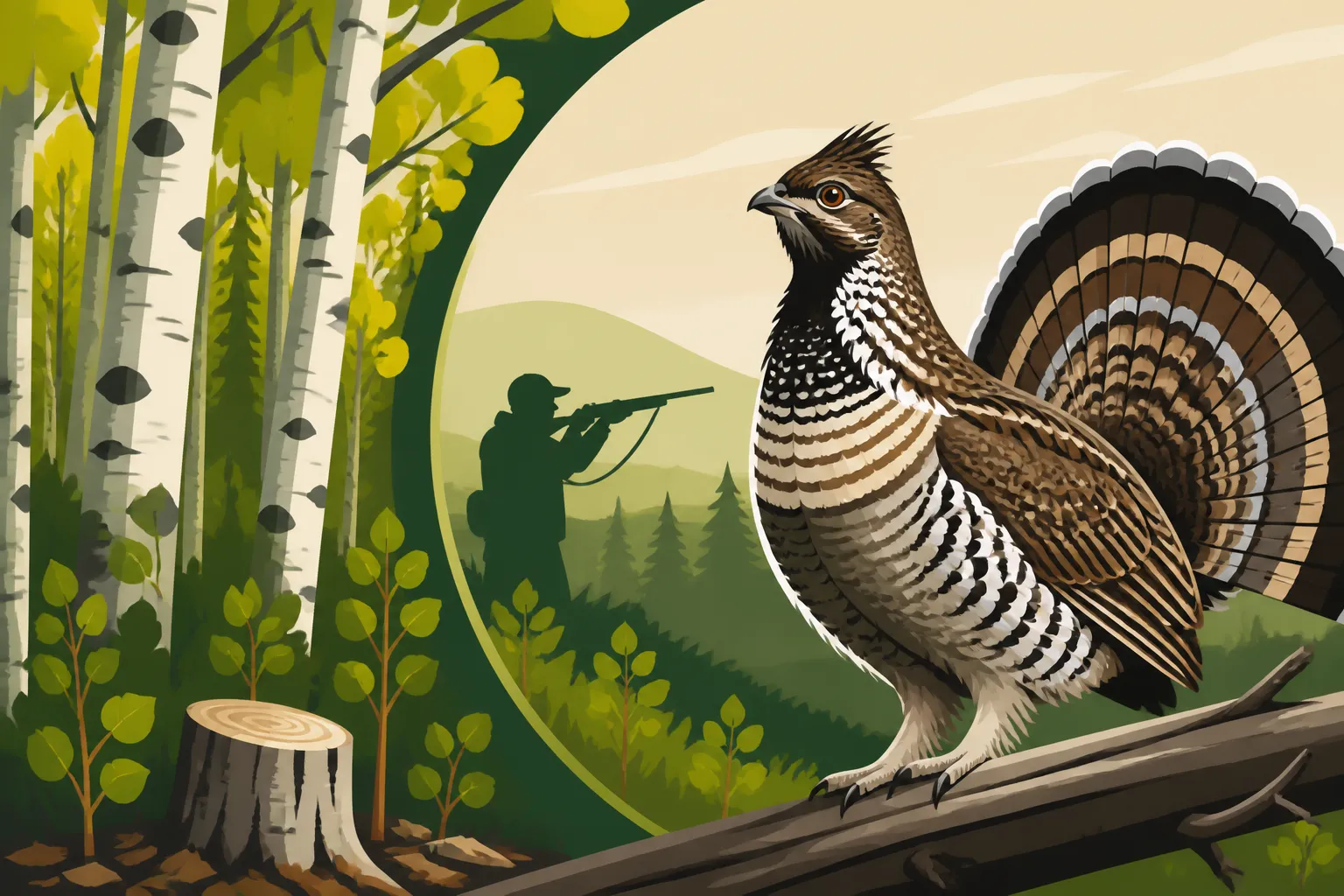
The term "early successional habitat" is a fancy way of describing forests that are young and rapidly growing, often after a major disturbance. For ruffed grouse, this is the sweet spot. Think of clear-cut areas that are 5-15 years old, maybe even up to 20 or 25 years in some cases. These are typically the absolute best places to find grouse. After a harvest, the sunlight hits the forest floor, stimulating thousands of new aspen sprouts from the root system. This explosion of growth creates an incredibly dense, vertical cover.
When you're walking through these areas, you'll notice it's tough going. Branches will grab at your clothing, and visibility might only be 10 or 15 feet. This is exactly what a grouse wants. It’s a dense, protective fortress. They can move through it unseen, and predators struggle to penetrate it. This stage also offers a bounty of food, from the buds themselves to the insects and other ground-level vegetation that thrives in the newfound sunlight. This is where you’ll consistently find birds throughout the hunting season, from early fall right through the snow. Many veteran hunters will focus solely on Hunting Wisconsin Clearcuts and Aspen Cuts because of this undeniable productivity.
When Aspen Stands Start to Decline for Grouse
As an aspen stand matures, typically past 25-30 years, its value to ruffed grouse begins to diminish significantly. The trees grow taller, their crowns close, and less sunlight reaches the forest floor. This suppresses the dense understory growth that grouse depend on for cover. The "stem density" — the number of tree trunks per acre — decreases dramatically as individual trees grow larger and less successful sprouts die off. What was once a thick, impenetrable fortress gradually becomes an open, park-like forest.
While older aspen stands still provide some food (buds and catkins), they no longer offer the crucial horizontal and vertical cover that protects grouse from predators. A mature aspen forest might be beautiful to walk through, with clear sight lines and easy going, but that ease of movement applies to predators just as much as it does to hunters. Without that dense, protective layer of young stems, grouse become highly vulnerable. This is why you often hear experienced grouse hunters lamenting the loss of young aspen; as stands age without new disturbance, the habitat simply isn't there. This explains a lot about Wisconsin Ruffed Grouse Cycles and local population fluctuations.
The Renewal Cycle: Planning for Future Flushes
The key to sustaining grouse populations is to ensure a continuous supply of early successional aspen habitat. Since aspen is a relatively short-lived species (compared to oaks or maples), it needs disturbance to regenerate. Left untouched, an aspen stand will eventually be outcompeted by longer-lived species or simply decline, creating less valuable habitat. This means that active forest management, specifically timber harvesting, is absolutely critical for grouse. Without it, grouse populations will inevitably dwindle.
Forest managers, including the Wisconsin Department of Natural Resources (DNR) and county forest departments, understand this. They aim to create a mosaic of aspen stands of various ages across the landscape. This "age class diversity" ensures that there's always some young, prime habitat available, while other areas are maturing or being prepared for future regeneration. This approach isn't just good for grouse; it also supports many other wildlife species that rely on young forest habitat, like snowshoe hares and deer. It’s a long-term strategy, and it's why understanding forest management plans can give you a significant edge in finding future honey holes.
Practical Aspen Management: Creating Grouse Havens
Aspen management isn't just a theoretical concept; it's a very real, hands-on process that directly impacts where grouse can be found. For many, the idea of "cutting down trees" might seem counterintuitive to conservation, but for aspen and the species that depend on it, it's absolutely essential. This process involves specific techniques designed to trigger the vigorous regeneration of aspen, ensuring a continuous supply of that critical young growth. Knowing these methods and where they are applied can help you pinpoint the best hunting grounds.
The Power of Clear-Cutting: A Necessity, Not a Detriment
The most effective and widely used method for regenerating aspen is clear-cutting. This might sound drastic – and indeed, it can look quite stark immediately after the harvest – but it's precisely what aspen needs. Aspen trees reproduce primarily through suckering: when the parent tree is cut down, its root system responds by sending up thousands of new sprouts. For this to happen successfully, the new sprouts need abundant sunlight. Clear-cutting removes the entire tree canopy, allowing maximum light to reach the forest floor.
Without clear-cutting, aspen struggles to regenerate, as it's not very shade-tolerant. The old notion of selective logging or thinning, while beneficial for some tree species, simply doesn't work for aspen regeneration. The result of a successful clear-cut is a dense thicket of young aspen that provides ideal grouse cover within a few years. It's truly a testament to nature's resilience that what appears to be destruction quickly becomes a vibrant new forest, perfectly suited for wildlife. This is why hunters specifically look for areas that have had recent How Old a Cut Should Be for Grouse activity.
Strategic Timber Sales and Forest Stewardship
Aspen management is often implemented through timber sales, where logging companies bid on the right to harvest trees from public or private land. These sales are planned years in advance by foresters, who analyze stand health, age, and wildlife habitat needs. It's not random; these are strategic decisions aimed at meeting a variety of objectives, including timber production, wildlife habitat improvement, and forest health. For grouse habitat, these sales are designed to create new patches of young aspen on a rotating basis.
Landowners, whether private individuals or large timber companies, can also engage in forest stewardship plans that prioritize wildlife. For instance, a private landowner might work with a forester to plan a clear-cut specifically to enhance grouse habitat, even if it means a slightly different timber yield. This proactive management is what sustains healthy grouse populations. The best part for hunters? These timber sales often occur on public lands, making them accessible. Tools like the Wisconsin DNR's public access maps or even commercial apps like GoHunt can sometimes show recent timber sale activity or future management plans, helping you identify potential hot spots years in advance.
Public Land Efforts and How Hunters Can Engage
Wisconsin's public lands, including County Forests, State Forests, and the Chequamegon-Nicolet National Forest, are vital for grouse habitat. These lands are actively managed by professional foresters who understand the importance of early successional forests. They create long-term management plans that incorporate timber harvests to regenerate aspen and create diverse age classes of timber. This commitment to active forest management is one of the reasons Wisconsin continues to be a top state for grouse hunting. You can find out more about these opportunities by looking into How Many Acres of Public Land Wisconsin Has.
Hunters can engage with these efforts in several ways. Attending County Deer Advisory Council (CDAC) meetings or contacting local foresters can provide insights into upcoming timber sales or habitat projects. Simply being aware of the ongoing management efforts helps you understand the landscape better. Many DNR wildlife areas also have specific management goals that include creating and maintaining grouse habitat, often involving a combination of clear-cutting and prescribed burns. These sustained efforts on public lands are truly the backbone of Grouse and Woodcock Hunting in Wisconsin.
Hunting the Aspen: Finding and Navigating Managed Cover
Now that we've covered the why and how of aspen management, let's get into the practical side: finding and hunting these productive areas. Walking through dense aspen can be challenging, but the reward of a hard-flushing grouse is worth every step. It's about knowing what to look for on a map, what signals the woods are giving you, and how to approach these thickets effectively. This isn't passive hunting; it requires effort, but it pays off.
Leveraging Tools to Locate Prime Aspen Habitats
In today's world, there's no excuse for blindly wandering the woods. Technology has given us incredible tools to scout from afar. Start with online mapping resources like the Wisconsin DNR's public access mapping tool or satellite imagery services. Look for areas with a patchwork appearance, where you can see distinct blocks of varying tree heights and textures. These are often indicators of different-aged timber stands, including clear-cuts. Recent cuts will appear very light-colored or like open ground, while those 5-20 years old will show as dense, uniform green, often distinctly different from surrounding mature timber.
Many dedicated hunting apps, such as GoHunt, also offer layers that can show timber harvest data, forest type, and even property boundaries. These tools are invaluable for identifying promising areas before you ever set foot in the woods. Pay close attention to logging roads or trails leading into these areas; they can provide easier access into the heart of dense cover. Cross-referencing these maps with current aerial photos can confirm if a seemingly "young" stand from an old map is still in its prime for grouse or if it has matured. Consider using the Scouting With the Wisconsin Hunt Wild App to make this process even smoother.
Reading the Woods: Identifying Productive Aspen Cuts
Once you’re on the ground, your eyes and ears become your most important scouting tools. Look for the telltale signs of young aspen: dense, slender stems, often too thick to comfortably walk through. The trees will be relatively small, typically less than 6-8 inches in diameter. You might see evidence of old logging activity, like stumps, skid trails, or slash piles that are now decomposing. The forest floor in these areas will likely be well-lit, allowing for the growth of ferns, grasses, and other low-lying vegetation.
Another key indicator is edge habitat. Grouse love edges – where two different habitat types meet. Look for the transition zone between a young aspen cut and an older forest, a swamp, or a field. These edges offer easy access to different food sources and escape cover. Listen for drumming in the spring (a male grouse's territorial display) which confirms bird presence. In the fall, keep an eye out for fresh grouse droppings, often found near dusting bowls or drumming logs. These signs indicate active use and are strong indicators that you're in a productive Best Wisconsin Counties for Grouse area.
Effective Hunting Tactics for Aspen Thickets
Hunting aspen can be physically demanding, but a thoughtful approach can greatly increase your success. The most common tactic is still-hunting or slow-walking through the cover. Move deliberately, pausing frequently to scan for movement or listen for flushes. Grouse are masters of holding tight, so you need to give them a chance to flush rather than walking past them. A good bird dog can be invaluable here, but many successful hunters also specialize in Flushing Grouse Without a Dog. If you're hunting without a dog, focus on walking parallel to cover changes or along old logging roads within the cut.
Pay attention to where the sun hits the ground, especially on colder days, as grouse may use sunny patches to warm up. In areas with mixed aspen and conifers, grouse will often hold near the evergreens for added thermal cover. A lightweight shotgun, typically a 20 gauge or 28 gauge, with open chokes (like improved cylinder or skeet) is often preferred for the fast, close-range shots presented in dense aspen. Remember, shots will be quick and often through a maze of branches, so focus on quick swings and instincts. When considering your gear, check out Shotgun Gauge Choice for Wisconsin Grouse for more tailored advice. And don't forget a sturdy Upland Vests With Water Capacity to carry your birds, shells, and water for those long walks.
Beyond Just Aspen: Diverse Habitats for a Thriving Grouse Population
While aspen is undoubtedly king for ruffed grouse in Wisconsin, a truly robust grouse population benefits from a mosaic of habitat types. No single tree species can provide everything a grouse needs throughout its life cycle and across all seasons. A diverse landscape, featuring a mix of forest types and age classes, creates resilience and ensures resources are available even when specific conditions, like a harsh winter or a poor berry crop, affect one habitat type. Understanding these complementary habitats can further refine your hunting strategy and help you appreciate the broader ecological needs of these magnificent birds.
Mixing It Up: Conifers, Hardwoods, and Edges
While young aspen provides unparalleled cover, grouse don't live in a pure aspen monoculture. They often seek out mixed stands, particularly those that incorporate conifers like pines, spruces, or firs. These evergreens offer crucial thermal cover during harsh winter weather, protecting birds from biting winds and heavy snow. In areas where aspen transitions into a conifer swamp, you'll often find grouse using the dense evergreens as bedding cover, especially on frigid nights, and then moving into the aspen to feed during the day.
Hardwoods, like oak and maple, also play a role, particularly in the fall when acorns and other mast crops provide additional food sources. The key is the mix and the edges. Where young aspen meets mature hardwoods, or where a conifer stand borders an open field, these transition zones create diverse food and cover options. A single stand of perfectly managed aspen is good, but a landscape with a variety of forest types, all within a grouse's typical home range, is even better. This ecological diversity is what allows grouse to thrive across different parts of the state, from the northern forests to the central plains.
The Woodcock Connection: Alders and Wet Areas
It's common for grouse hunters to encounter American woodcock, especially in areas with moist soil and dense cover. Woodcock often share habitat with grouse, particularly in alder thickets, willow clumps, and other wet, shrubby areas found near water sources or along stream bottoms. These damp, rich soils are home to earthworms, the woodcock's primary food source. While not directly aspen, these habitats are often adjacent to or interspersed with aspen stands, especially in northern Wisconsin.
Hunting these alder runs can be incredibly productive, not just for woodcock but also for grouse that might be feeding on berries or seeking refuge in the dense undergrowth. Many hunters will deliberately target these mixed-cover areas, knowing they have a good chance of flushing both species. The migratory nature of woodcock means they are typically present from early fall until the first hard freezes, offering a bonus opportunity during the early grouse season. Understanding this overlap enriches the overall upland hunting experience and requires similar hunting tactics for Grouse Hunting Wisconsin Aspen Cover.
The Future of Grouse: Sustaining Habitat Initiatives
The long-term health of Wisconsin's ruffed grouse population hinges on continued, proactive habitat management. As forests mature, and without human intervention, prime grouse habitat naturally declines. This is a continuous battle that requires ongoing commitment from the DNR, county foresters, private landowners, and conservation organizations like the Ruffed Grouse Society. These groups work tirelessly to promote and fund aspen regeneration projects, ensuring that new cuts are coming online as older ones phase out.
As hunters and conservationists, our role extends beyond just finding birds in the current cover. It means supporting these management efforts, understanding their necessity, and even advocating for policies that promote early successional habitat. The future of the drumming grouse depends on it. Knowing these efforts are in place, and where to look for their results, makes every flush not just an exciting moment, but a testament to the hard work that goes into preserving Wisconsin Small Game and Furbearer Seasons for generations to come.
Aspen Stand Age and Grouse Habitat Value
Understanding the relationship between aspen stand age and its value for ruffed grouse can help hunters target the most productive areas.
| Aspen Stand Age (Years) | Description | Primary Value for Grouse | Hunting Potential |
|---|---|---|---|
| 0-4 | Recent clear-cut, dense saplings, open ground. | Early food source, some low cover. | Low; too young for consistent cover. |
| 5-15 | Very dense, waist-to-head high thickets. | Optimal cover and food source. | High; prime drumming, nesting, and feeding cover. |
| 15-25 | Still dense, trees maturing, understory still good. | Excellent cover, abundant buds. | High; slightly more open but still very productive. |
| 25-40 | Maturing stand, canopy closing, understory thinning. | Decreasing cover, food still available. | Moderate; grouse may use if better cover is nearby. |
| 40+ | Mature stand, open understory, sparse ground cover. | Low; minimal cover, limited food access. | Low; grouse typically absent or only passing through. |
Disclaimer
The information provided in this guide is for informational purposes only and is not intended as legal advice. Hunting regulations, seasons, and land access rules in Wisconsin are subject to change. Always consult the most current Wisconsin Department of Natural Resources (DNR) regulations and local ordinances before engaging in any hunting activities. Ensure you have all necessary licenses and permits. Safety should always be your top priority when hunting.