Elk Viewing in Wisconsin
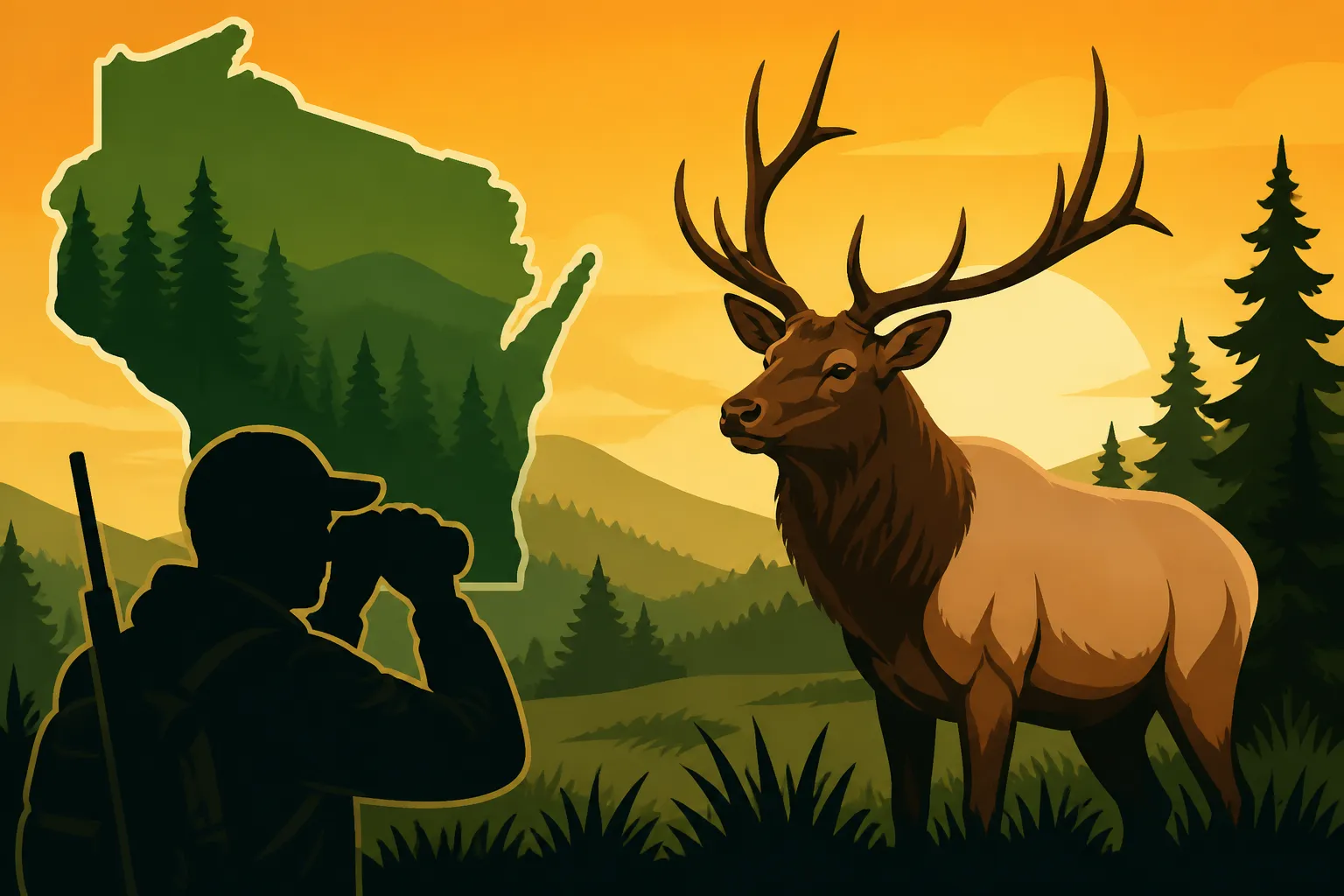
There's nothing quite like the majestic sight of an elk in the wild, but if you've ever tried to spot these magnificent animals in Wisconsin, you know it can feel like searching for a needle in a haystack. Many folks spend hours driving back roads, binoculars at the ready, only to come up empty-handed. This guide is here to change that, offering you the insider scoop on where to go, when to visit, and how to maximize your chances of a truly unforgettable elk viewing experience right here in our beautiful state.
Understanding Wisconsin's Elk Revival
For generations, the idea of seeing a wild elk in Wisconsin was nothing more than a historical footnote, a story of animals long gone from our landscapes. But thanks to dedicated conservation efforts, those stories are now becoming reality for more and more people. It's a true success story, but understanding how we got here helps us appreciate these animals even more.
A Look Back at Reintroduction Efforts
The journey to bring elk back to Wisconsin has been a long and intentional one, starting with a vision to restore a vital piece of our state's natural heritage. The last native elk in Wisconsin was believed to have been killed in the 1880s, driven out by unregulated hunting and habitat loss. For over a century, our forests were silent of their bugle. The modern reintroduction efforts began in 1995 when 25 elk were brought from Michigan to northern Wisconsin, specifically to the Clam Lake area within the Chequamegon-Nicolet National Forest. This initial release was a carefully planned endeavor, with the animals spending time in an acclimatization pen before being set free to roam.
This first wave of elk faced significant challenges, from adapting to a new environment to navigating potential conflicts with local diseases and predators. Wildlife biologists and volunteers worked tirelessly, monitoring the herd's health and movement. This dedicated work laid the groundwork for future success, proving that elk could indeed thrive once again in the Badger State. It really highlights the commitment our state has to restoring wildlife populations, and it's something every Wisconsinite can be proud of. To truly understand this amazing feat, you might want to delve into how Wisconsin's Northern and Central Elk Herds came to be.
The Two Distinct Herds
Today, Wisconsin is home to two thriving elk herds, each with its own unique story and geographic range. The original reintroduction created the Northern Elk Herd, centered around the Clam Lake region. This herd has grown steadily over the decades, expanding its footprint across Sawyer, Ashland, Bayfield, and Price counties. Its habitat is characterized by a mix of dense northern hardwoods, aspen stands, and sprawling conifer swamps, offering both food and cover for these large animals.
More recently, a second reintroduction effort began in 2015, establishing the Central Elk Herd in Jackson County, near Black River Falls. These elk were also sourced from Kentucky, bringing new genetics to the state. This herd inhabits a different type of landscape, largely characterized by the sprawling Black River State Forest, with its pine barrens, oak forests, and extensive wetlands. The existence of these two distinct herds means more opportunities for elk viewing across different parts of the state, each offering a slightly different ecological backdrop to your experience. Learning about how many elk Wisconsin has and how they've grown truly puts into perspective the scale of this conservation achievement.
Best Times of Year for Elk Viewing
Timing is everything when it comes to wildlife viewing, and elk are no exception. Their behavior changes dramatically with the seasons, influencing when and where you're most likely to catch a glimpse. Knowing these patterns can significantly boost your chances of a successful outing.
The Thrill of the Rut in Autumn
Without a doubt, autumn, particularly from late September through October, is the most electrifying time for elk viewing in Wisconsin. This is the period of the rut, the elk breeding season, when bulls are at their most active and vocal. The forests come alive with the haunting sound of their bugles—a series of deep bellows that transition into high-pitched whistles, often ending with a grunt. Hearing a bull elk bugle at dawn or dusk is an experience that will send chills down your spine and stay with you forever. During this time, the bulls are less cautious, more focused on gathering and defending their harems of cows, making them more visible.
You'll often find them in open meadows, forest edges, or along logging roads as they chase cows, challenge rival bulls, and display their impressive antlers. It's a spectacle of power and primal instinct. The crisp fall air, combined with the vibrant colors of the changing leaves, creates an absolutely stunning backdrop for these encounters. If you're planning a trip specifically to witness the rut, aim for the last week of September into the first two weeks of October for peak activity. This is truly when Wisconsin elk bugle, and it's a sound you won't forget.
Springtime Calving and Renewed Activity
While not as dramatic as the rut, spring offers its own unique viewing opportunities, particularly in late May and early June. This is when elk cows give birth to their calves, typically in secluded, thick cover to protect the vulnerable newborns from predators. While spotting a tiny calf can be challenging due to their camouflage and the cow's protective nature, the cows themselves become more active as they graze to regain strength and produce milk.
As the weather warms, elk tend to move out of dense wintering areas and spread across their range, often favoring fresh green growth in clearings, open forest areas, and food plots. The forest floor comes alive with new vegetation, and the elk are often seen browsing and feeding. You might not hear the powerful bugle, but you'll witness the gentle rhythm of a herd waking up after winter, and if you're lucky, you might even see a cow leading her new calf across a field. It’s a quieter, more serene viewing experience, highlighting the delicate cycle of life in the wild.
Summer Grazing and Winter Toughness
Summer, from June through August, offers consistent viewing opportunities, though perhaps without the intense drama of the rut. Elk spend their summers grazing extensively to build up fat reserves for the coming winter. They often seek out lush, nutritious grasses and forbs in open areas, food plots, and agricultural fields (where available within their range). Early mornings and late evenings are generally the best times to see them as they escape the heat of midday.
During these months, bulls are growing their impressive new antlers, often still in velvet, making them a sight to behold. You might find them in bachelor groups, feeding peacefully together. Winter, on the other hand, presents challenges for both elk and viewers. Deep snow and bitter cold force elk to conserve energy, often concentrating them in sheltered areas with access to browse, like cedar swamps or protected valleys. While they can be easier to locate in winter due to their tracks in the snow and their tendency to yard up, accessing these areas can be difficult for viewers. Road conditions can be treacherous, and disturbing elk in winter can cause them undue stress when their energy reserves are critical. Therefore, while possible, winter viewing requires extra caution and respect for the animals' survival needs.
Prime Locations for Elk Sightings
Knowing where to focus your efforts is paramount for a successful elk viewing adventure. Wisconsin's two primary elk herds inhabit distinct regions, each offering unique landscapes and access points.
Exploring the Clam Lake Elk Range
The Clam Lake Elk Range is the cradle of Wisconsin's elk reintroduction and remains one of the most reliable places to spot these magnificent creatures. Located deep within the Chequamegon-Nicolet National Forest in northern Wisconsin, this area spans parts of Sawyer, Ashland, and Price counties. The landscape here is classic Northwoods: vast tracts of mixed hardwood and conifer forests, interspersed with small clearings, wetlands, and logging roads. The key to success here is patience and knowing where to look.
Many of the main forest roads, like State Highway 77, traverse good elk habitat. However, venturing onto quieter county roads and national forest service roads often increases your chances. Look for areas with recent timber harvests, as the regrowth provides excellent forage. Dedicated elk viewing routes, often marked with interpretive signs, have been established by the Wisconsin Department of Natural Resources (DNR) and the U.S. Forest Service. One such popular spot is the Clam Lake Elk Viewing Area off of F.D. 203, which includes an accessible viewing platform. Another highly recommended strategy is to drive or walk quieter roads at dawn and dusk, paying close attention to power line clearings, old logging landings, and the edges of swamps. The area around Clam Lake itself, and the surrounding federal and county forests, are excellent places to try. Remember that the Chequamegon-Nicolet National Forest Hunting grounds offer a vast expanse, but focus your viewing on designated or well-known elk travel corridors.
Discovering the Black River Falls Elk Range
The Central Elk Herd, based near Black River Falls in Jackson County, offers a different viewing experience due to its unique habitat within the Black River State Forest. This area is characterized by vast expanses of pine barrens, interspersed with oak forests, savannas, and extensive wetlands and flowages. While newer, this herd is growing, and viewing opportunities are increasing. Access to this region is generally good, with a network of state forest roads and county highways.
Elk in this area are often seen utilizing the open pine barrens and oak savannas, especially in the early morning and late evening. They also frequent managed food plots within the state forest, which are specifically designed to provide forage for wildlife. The DNR office in Black River Falls can be a good resource for current elk activity and potential viewing hotspots. Areas around the Castle Mound Campground and along the numerous state forest roads that wind through the barrens are good places to start. Much like the northern herd, seeking out edges where different habitat types meet, or open areas where elk can graze, will yield the best results.
Lesser-Known Viewing Opportunities
Beyond the established core ranges, elk can sometimes venture into adjacent counties or utilize corridors that connect larger habitat blocks. While less consistent, these areas can offer surprising encounters for the persistent viewer. For instance, in the north, as the herd expands, elk might occasionally be seen further afield in counties like Rusk or even parts of Oneida or Vilas. Similarly, the Central Elk Herd is slowly expanding its range beyond the immediate Jackson County borders.
These "fringe" areas might not have dedicated viewing platforms, but they offer the thrill of a more unexpected sighting. Always check recent DNR updates or local news for reports of elk activity outside the main ranges. Hunters often share observations on forums or social media about where they've encountered game, which can sometimes include elk. Utilizing online mapping tools can also help identify potential travel corridors or untouched forest patches where elk might seek refuge. While GoHunt is primarily known for hunting applications, its robust mapping features for public land access and topographical analysis could be useful for identifying secluded forest service roads or clearings in any part of Wisconsin's outdoors, including potential elk habitat. It's about being observant and understanding that wild animals don't always stick to the brochures.
Essential Elk Viewing Etiquette and Safety
Encountering wild elk is an incredible privilege, and it's our responsibility as viewers to ensure these interactions are positive for both ourselves and the animals. Following proper etiquette and prioritizing safety helps protect the elk and preserves the wild experience for everyone.
Respecting Wildlife and Their Habitat
The golden rule of wildlife viewing is to observe from a respectful distance. Elk are wild animals, and like all wild animals, they can be unpredictable. Never approach elk, especially cows with calves, or bulls during the rut. A good rule of thumb is if the animal changes its behavior because of your presence, you're too close. Use binoculars or a spotting scope to get a closer look without disturbing them. Telephoto lenses on cameras are invaluable for capturing images without intrusion.
Stay on designated trails or roads whenever possible to avoid trampling sensitive vegetation or disturbing nesting birds and other wildlife. Keep noise to a minimum; loud talking, slamming car doors, or blaring music can scare elk away or cause unnecessary stress. Never feed wild elk. Feeding can habituate animals to humans, leading to aggressive behavior, increased disease transmission, and reliance on unnatural food sources. It's also often illegal. Their natural diet is what keeps them healthy and truly wild. Leaving no trace, packing out everything you pack in, and being mindful of your impact are fundamental principles that ensure the long-term health of their habitat.
Staying Safe in Elk Country
While elk are generally not aggressive towards humans, caution is always warranted. During the rut, bull elk can be highly territorial and may charge if they feel threatened. Cows with calves are also extremely protective. Always maintain a safe distance and have an escape route in mind if an animal appears agitated. Never get between a cow and her calf or a bull and his harem. If an elk appears to be staring at you, has its ears laid back, or begins to paw the ground, it's signaling distress or aggression – back away slowly and calmly.
Being aware of your surroundings is crucial, not just for elk but for other wildlife. Bears are also present in northern Wisconsin's elk country, and hikers should carry bear spray and know how to use it. Be mindful of hunting seasons, especially during fall. If you're out viewing during gun deer season or bear hunting with bait and dogs in Wisconsin, wear blaze orange or pink for your own safety, even if just viewing. Cell service can be spotty in remote areas, so inform someone of your plans, carry a map and compass or a reliable GPS device, and pack plenty of water and snacks.
Legalities and Land Access for Viewers
Most elk viewing happens on public lands, such as the Chequamegon-Nicolet National Forest and the Black River State Forest. These lands are generally open for public access, but it's important to understand specific rules and regulations. Some areas might have seasonal closures or restrictions, particularly during sensitive wildlife periods or timber operations. Always check with the local DNR office or Forest Service station for current conditions and rules before you go.
For instance, certain roads might be closed seasonally or be designated as non-motorized. Respect all posted signs. If you find yourself near private property, be absolutely certain of property lines and never trespass. While much of Wisconsin's elk range is public, there are often private parcels interspersed. The Wisconsin Hunt Wild App can be an excellent tool for identifying land ownership boundaries, helping you ensure you're always on public land or have explicit permission to be elsewhere. Remember, a good viewing experience respects the law and the landowners, ensuring these precious areas remain accessible and protected for everyone.
Gear and Tools for Successful Elk Viewing
You don't need a safari budget to enjoy elk viewing, but having the right gear can significantly enhance your experience, allowing you to observe these animals effectively without disturbing them.
Optics for Distant Observations
The most crucial piece of gear for elk viewing is a good set of optics. Because maintaining a respectful distance is key, binoculars and spotting scopes become your best friends.
- Binoculars: A pair of 8×42 or 10×42 binoculars offers a good balance of magnification, field of view, and brightness, making them ideal for scanning forest edges, clearings, and distant fields. They're lightweight enough to carry comfortably for extended periods. Brands like Vortex, Leupold, and Nikon offer excellent options across various price points. Don't skimp here; clear, bright optics will make all the difference in low-light conditions at dawn and dusk when elk are most active.
- Spotting Scope: For truly detailed observations of a distant bull or a cow with calves, a spotting scope (typically 15-60x magnification) mounted on a sturdy tripod is invaluable. This allows you to study their behavior, antler characteristics, or even identify specific individuals without ever having to move closer. While bulkier, a spotting scope can transform a distant speck into a detailed portrait.
- Camera with Telephoto Lens: If photography is part of your viewing goal, a DSLR or mirrorless camera with a telephoto lens (200mm to 600mm or more) will be essential. This allows you to capture stunning images from a distance, preserving the moment without stressing the animals.
Navigational Aids and Planning Resources
Getting lost in vast public forests like the Chequamegon-Nicolet can quickly turn an exciting trip into a stressful one. Having reliable navigational tools is paramount.
- Maps and GPS Apps: A detailed paper map (like those from the Forest Service or a county plat book) combined with a GPS unit or a smartphone app like
onX Huntor theWisconsin Hunt Wild Appis highly recommended. These apps provide satellite imagery, topo maps, and crucially, public land boundaries, which are invaluable for navigating complex areas and ensuring you stay on accessible land. Download maps for offline use, as cell service is often nonexistent in remote elk country. - DNR Resources: The Wisconsin DNR website is a treasure trove of information. Look for current elk population updates, viewing guides, and any special advisories. They often publish maps of elk ranges and sometimes even "elk activity zones" during peak times. The DNR offices in Black River Falls and Clam Lake can also provide localized, up-to-date information.
- Seasonal Guides: Understanding when Wisconsin's Archery and Crossbow Seasons Run, or when other hunting seasons occur, is helpful even for viewers, as it impacts what clothing you should wear for safety and the general level of human activity in the woods.
Dressing for Success in the Northwoods
Wisconsin weather is famously unpredictable, especially in the northern reaches. Proper clothing isn't just about comfort; it's about safety and extending your time in the field.
- Layering: The key to Wisconsin outdoor comfort is layering. Start with a moisture-wicking base layer, add insulating middle layers (fleece or wool), and finish with a waterproof and windproof outer shell. This allows you to adjust to changing temperatures throughout the day.
- Footwear: Comfortable, waterproof hiking boots are a must. You'll likely be doing a fair amount of walking on uneven, potentially wet terrain. Consider boots with good ankle support.
- Blaze Orange/Pink: If you're viewing during any firearm hunting season, especially the Wisconsin's Nine-Day Gun Deer Season or other fall hunts, wearing blaze orange or fluorescent pink is not just a good idea, it's often legally required on public lands. Even outside of hunting seasons, a bright hat or vest can increase your visibility to other outdoor users.
- Other Essentials: Don't forget bug spray (especially in spring and summer), a headlamp for dawn/dusk excursions, a small first-aid kit, plenty of water, and snacks. A comfortable, portable chair or cushion can also be a game-changer if you plan to sit and wait for extended periods.
Beyond Just Seeing Elk: Understanding Their Behavior
Spotting an elk is thrilling, but truly understanding their behavior and the role they play in the ecosystem adds another layer of appreciation to the experience. It's about more than just a fleeting glimpse; it's about connecting with nature.
Reading Elk Sign and Movement Patterns
Elk leave behind a myriad of "sign" that can tell you a story, even if you don't see the animals themselves. Learning to read these clues can help you predict their movements and increase your chances of a direct encounter.
- Tracks and Droppings: Large, cloven hoof prints are an obvious sign. Fresh tracks indicate recent activity. Elk droppings (pellets) are also a clear indicator. Look for these signs along game trails, logging roads, and near water sources.
- Rub Marks: During the rut, bull elk will rub their antlers against small trees and saplings, stripping the bark. These "rubs" are often found along travel corridors and in bedding areas and are a definitive sign of bull activity.
- Wallows: Bulls will also create wallows—muddy depressions where they roll to coat themselves in mud, which helps deter insects and displays their dominance. These are often found near water sources or in damp areas and indicate recent presence.
- Browsing and Grazing: Look for signs of elk feeding. They are primarily grazers but will browse on shrubs and saplings. Freshly broken branches or stripped leaves at elk height can indicate a feeding area. Understanding these subtle clues can help you predict where deer go on opening weekend, and similarly, where elk might be moving within their range.
The Daily Rhythms of a Wild Elk
Elk have a predictable daily routine, largely driven by their need to feed, rest, and avoid predators.
- Dawn and Dusk Activity: Like many large herbivores, elk are most active during the crepuscular hours – dawn and dusk. This is when they move from bedding areas to feeding grounds and vice-versa. These are prime viewing times.
- Midday Bedding: During the middle of the day, especially in warmer months, elk typically seek refuge in thick cover to chew their cud and rest. This makes them much harder to spot during the brightest parts of the day.
- Weather Influence: Elk behavior is also influenced by weather. On hot days, they might seek shade or even wallow in water to cool off. During cold, windy, or rainy conditions, they might seek denser cover for shelter, making them less visible. Pay attention to the wind direction as well; elk have an excellent sense of smell and will often bed or feed into the wind to detect potential threats.
The Role of Conservation in Elk Health
The presence of wild elk in Wisconsin is a testament to the power of dedicated conservation efforts, but the work is ongoing. Public support, responsible viewing, and careful management are all critical to ensuring the continued health and growth of these herds.
- Habitat Management: The DNR and Forest Service actively manage elk habitat through timber harvests, prescribed burns, and the creation of food plots. These efforts ensure a diverse landscape that provides necessary food, cover, and breeding grounds. The healthy aspen cover created by these practices benefits not only elk but also other species like ruffed grouse, making these areas multi-species havens.
- Disease Monitoring: Monitoring for diseases, particularly Chronic Wasting Disease (CWD), is a continuous effort. While Wisconsin's elk herds have remained CWD-free, ongoing surveillance is crucial to prevent the spread of this devastating neurological disease. This also ties into the importance of not feeding elk, as concentrated feeding sites can facilitate disease transmission.
- Public Awareness and Funding: Programs like Wisconsin's Conservation Patron Licence help fund these critical conservation initiatives. Your interest and respect for these animals directly contribute to their future. By engaging in responsible viewing, you become an ambassador for conservation, educating others and fostering an appreciation for Wisconsin's wild places and the creatures that inhabit them. Understanding why Wisconsin elk numbers hit a record is a great way to appreciate the investment and care put into these animals.
Disclaimer
Please be aware that wildlife behavior can be unpredictable, and sightings are never guaranteed. Always prioritize your safety and the well-being of the animals. Follow all local, state, and federal regulations regarding land access and wildlife interaction. The information provided in this guide is for informational purposes only, and conditions can change.