Wisconsin Turkey Bag Limit
One of the most common headaches for Wisconsin turkey hunters, especially those new to the game or making the switch from deer hunting, is figuring out the exact bag limit. It's not always as straightforward as "one deer per tag." Between spring and fall seasons, different zones, and the possibility of obtaining multiple authorizations, it's easy to get confused about how many birds you can actually take home. This guide will walk you through the ins and outs of Wisconsin's turkey bag limits, ensuring you hit the woods with confidence and compliance.
Understanding Wisconsin's Turkey Bag Limits
The Wisconsin Department of Natural Resources (DNR) has a system that, while effective, can seem a bit convoluted at first glance. The key to understanding your bag limit lies in differentiating between the spring and fall seasons, and then understanding how authorizations work for each. It's not just about what you can shoot, but what you are authorized to shoot with each specific tag.
Spring Turkey Season Limits
For the spring turkey season in Wisconsin, the bag limit is quite specific: one gobbler per harvest authorization. This means that each individual tag you possess for the spring season allows you to harvest one bearded turkey. It's crucial to remember that this "bearded turkey" rule applies uniformly across all periods and zones during the spring hunt. You can't just take any turkey; it must be a gobbler with a visible beard.
The system for obtaining these authorizations is based on a drawing for specific zones and time periods. For instance, if you apply and draw a tag for Zone 1, Period A, that single authorization allows you to harvest one bearded turkey within that specific zone and period. If you decide to go out during that period and are successful, that authorization is now filled. You cannot simply use that same tag again to try for another bird.
Now, it is possible to hold more than one spring turkey authorization. After the initial drawing, the DNR typically offers "leftover" authorizations for sale. These are tags for zones and periods that didn't fill up during the primary drawing. If you're fortunate enough to secure a leftover tag for a different zone or period (or even the same zone but a later period), then you effectively increase your potential bag limit by one bearded turkey per additional authorization. However, there's a critical caveat: if you've already harvested a bird using a gun authorization, you cannot then take a second bird with a bow, even if you hold a separate archery-specific authorization. The rule is strictly one bird per authorization, and that second bird cannot be taken by a method already used to fill a prior tag in the same season. It's designed to prevent someone from getting a gun tag, filling it, and then switching to archery to try for another in the same period. Always double-check the specifics regarding Wisconsin Spring Turkey Zones and Periods before applying or purchasing additional tags.
Fall Turkey Season Limits
The fall turkey season operates under a much more liberal bag limit structure compared to spring. During the fall season, the bag limit is one turkey of either sex per harvest authorization. This means you can harvest a hen or a gobbler, as long as it's a wild turkey. This flexibility is a significant difference from the spring's bearded-only rule and opens up different hunting strategies.
Another key distinction is the availability of authorizations. While spring is primarily a drawing, fall authorizations are generally available over-the-counter and are not typically limited by a drawing system, although specific quotas can be set per zone. Most hunters can purchase multiple fall authorizations without much trouble, allowing for a much higher potential bag limit if they choose to pursue it. It's not uncommon for dedicated fall hunters to hold several tags, aiming to fill them throughout the longer Wisconsin Fall Turkey Seasons. This ease of access encourages participation and allows hunters to manage local turkey populations more effectively, especially in areas with robust numbers. You might even find yourself able to acquire multiple tags for the same zone if available, significantly increasing your opportunity for success.
Zone and Period Specifics
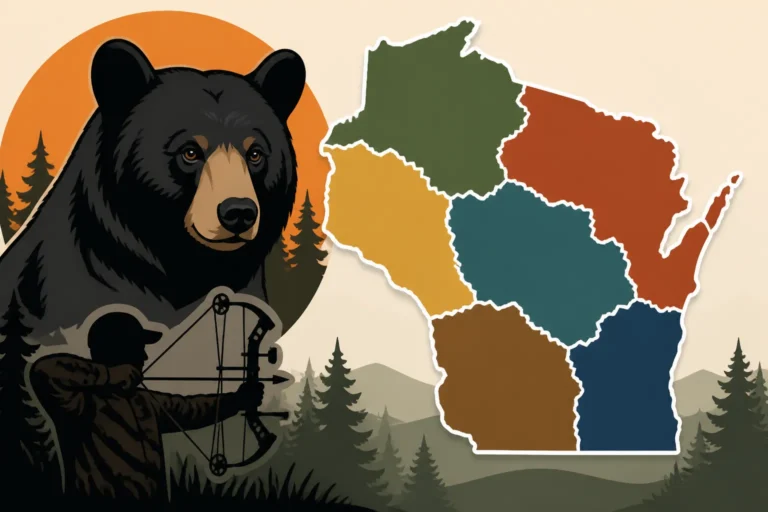
Understanding the zone and period system is absolutely fundamental to knowing your actual bag limit. Wisconsin is divided into a series of turkey zones, historically The Seven Wisconsin Turkey Zones, though boundaries can shift. Each zone has multiple hunting periods during the spring season. When you apply for a spring turkey authorization through the Wisconsin Turkey Period Drawing, you select a specific zone and a specific period. That authorization is only valid for that combination. If you were to draw a tag for Zone 1, Period A, and another for Zone 2, Period B, you would theoretically have a bag limit of two bearded turkeys – one in Zone 1 during Period A, and one in Zone 2 during Period B.
The crucial point here is that your bag limit isn't a blanket number for the entire state or season; it's tied directly to the number and type of authorizations you legally possess, and the specific parameters (zone, period, sex/beard) of each authorization. While leftover tags for spring become available after the initial drawing, these are often for less popular zones or later periods. Securing multiple tags means you must manage your hunting efforts within the boundaries and dates specified on each. Hunters often use platforms like GoHunt's mapping system to visualize these zones and plan their hunts effectively, ensuring they're always in compliance with their current authorization. This detailed planning ensures that when you're out Calling a Wisconsin Gobbler Off the Roost, you know exactly what you're allowed to harvest.
Navigating the Authorization System and Tagging Your Bird
Getting your tags and understanding what to do after a successful hunt are just as important as knowing the bag limit itself. The DNR has specific procedures in place to ensure proper management and data collection.
Obtaining Your Turkey Authorizations
For the spring turkey season, the primary method for obtaining authorizations is through the annual application drawing. Hunters submit their applications, usually in December, specifying their preferred zone and period. Residents and non-residents alike apply for a chance to draw a tag. If successful, you receive one authorization. If you're not successful in the drawing, or if you simply want more opportunities, you then have the chance to purchase Leftover Turkey Authorizations in Wisconsin. These typically go on sale in stages, often starting in late March, with different periods and zones becoming available at various times. It's a scramble, and knowing exactly when these sales open can make all the difference in expanding your spring bag limit. Many hunters check online resources regularly or use mapping tools like GoHunt to keep track of available tags and potential hunting grounds.
For the fall turkey season, the process is far simpler. Fall authorizations are generally available for direct purchase over-the-counter or online via the Go Wild system, usually starting in mid-August. There's no drawing, and often no limit to how many you can purchase, within reason, provided there are tags available for the zone you want. This makes it much easier to plan for a higher bag limit if you're looking to stock your freezer with wild turkey meat. Just ensure you purchase your tags before heading afield.
The Importance of Immediate Tagging and Registration
Once you've harvested a turkey, the clock starts ticking, and the rules become very strict. Wisconsin law requires that you immediately validate your harvest authorization by cutting or otherwise marking the date and time of the kill. This tag must then be attached to the bird. "Immediately" means before you move the bird, or even step away from it for more than a few moments. This process prevents someone from tagging multiple birds with a single authorization or sharing an authorization among hunters.
After tagging, the next critical step is registration. All harvested turkeys in Wisconsin must be registered. You have several options for this, including online registration through the Go Wild system, by phone, or at an authorized registration station. The deadline for registration is typically 5:00 PM on the day after the harvest. For example, if you shoot a turkey on a Saturday morning, it must be registered by 5:00 PM on Sunday. This system ensures the DNR collects vital harvest data, which is used to manage turkey populations and set future quotas. Failing to tag or register your bird correctly and on time can result in fines and other penalties. It’s a straightforward but absolutely essential part of responsible hunting in Wisconsin, and you can find all the specifics in the Wisconsin Turkey Registration Rules.
Understanding Unused Authorizations
What happens if you don't fill your turkey tag? It depends on the season and whether you applied for preference points. For spring turkey, if you apply in the drawing and are unsuccessful, you automatically receive a preference point for the next year's drawing. This increases your odds of drawing a tag in the future. However, if you do draw a tag but simply don't harvest a bird, you typically lose any preference point you used for that drawing, and you won't gain a new one for that specific season's application. The point system is designed to reward those who haven't drawn a tag, not those who drew one and didn't fill it.
For fall turkey authorizations, since they are generally purchased over-the-counter without a drawing, there are typically no preference points associated with them. If you purchase a fall authorization and don't harvest a bird, that authorization simply expires at the end of the season, and there's no carry-over or penalty to your future hunting opportunities. So, if you're Roost Hunting Wisconsin Gobblers in the spring or late-season birds in the fall, always be aware of what your unused tag means for your preference points.
Practical Scenarios and Common Questions
The rules around turkey bag limits can sometimes lead to practical questions in the field. Let's explore a few common scenarios.
Hunting Multiple Zones or Periods
Imagine you're an avid spring turkey hunter. You applied for and drew a tag for Zone 1, Period A. You had a successful hunt on the first morning, filling your tag. Later, during the leftover sales, you managed to snag a tag for Zone 2, Period C, which starts a couple of weeks later. Your current bag limit would effectively be two birds: one harvested in Zone 1 during Period A, and now you have the opportunity to harvest one more bearded turkey in Zone 2 during Period C. This is perfectly legal and a common strategy for hunters looking to extend their spring season or explore different hunting grounds.
However, you cannot use your Zone 1, Period A tag to hunt in Zone 2, nor can you hunt Zone 1 after Period A has ended with that specific tag. Each authorization is a distinct permission slip for a specific time and place. This is why tools like GoHunt are so valuable; they help you keep track of your active authorizations and the specific rules for each. When you're considering Run-and-Gun Turkey Tactics on Public Land, knowing your active zone and period is paramount.
Mentored Hunting and Youth Seasons
Wisconsin offers a fantastic mentored hunting program, which allows individuals of any age to hunt without first completing hunter education, as long as they are accompanied by a licensed mentor. For turkey hunting, the bag limit rules apply slightly differently. If a mentored hunter harvests a turkey, that bird typically counts towards the mentor's valid harvest authorization, if the mentor is carrying one. This means if you, as a mentor, have one spring authorization, and your mentee harvests a bird under your guidance, your authorization is considered filled. The youth-specific hunting opportunities, such as the special youth deer hunt weekend, have their own sets of rules that might differ, but generally, for turkeys, the bird counts against an available adult authorization.
It's absolutely critical for mentors to understand these rules. If you're mentoring a young hunter and they get a shot at a bird, you need to ensure you have an available authorization that can be used for their harvest. This often means buying an extra tag in the fall, or carefully planning spring draws. These programs are wonderful for introducing new hunters to the sport, but require careful adherence to all regulations, including the bag limits and tagging requirements.
What to Do After the Kill
So you've successfully harvested your Wisconsin turkey! Congratulations! Now comes the immediate aftermath. As mentioned, the first step is always to immediately validate and attach your tag. But what about field dressing? You are generally allowed to field dress your turkey before registering it, as long as the validated tag remains securely attached to the bird, or to the largest portion of the carcass. This is important for cooling the meat, especially on warmer spring or fall days. Make sure the tag isn't going to get lost or fall off during transport.
When transporting your bird, whether it's in the back of your truck or in a game bag, the tag must remain attached until it reaches its final destination for processing or storage. You should also ensure you have proof of your hunting license and authorization on your person, either physically or digitally through the Go Wild app. Once home, you can then proceed with processing your bird. If you're looking for some culinary inspiration, there's nothing quite like learning Cooking a Wild Turkey Breast to celebrate your successful hunt.
Remember, the goal of these regulations isn't to make hunting difficult, but to ensure sustainable turkey populations for future generations of hunters. By understanding and adhering to the bag limits, tagging, and registration rules, you're contributing to the conservation efforts that make Wisconsin a premier hunting destination.
| Season | Authorized Bird | Typical Number of Authorizations | Method of Obtaining Authorizations | Tagging Requirement |
|---|---|---|---|---|
| Spring | Bearded Turkey | One guaranteed per drawing, more available via leftover sales | Drawing; Leftover Sales | Immediate validation and attachment to bird |
| Fall | Either Sex Turkey | Multiple authorizations generally available | Over-the-counter/Online purchase | Immediate validation and attachment to bird |
Disclaimer
Please remember that hunting regulations can change. Always consult the most current Wisconsin Department of Natural Resources (DNR) hunting regulations pamphlet or their official website before heading into the field. This guide is intended for informational purposes only and should not be considered a substitute for official DNR publications.