Wisconsin Turkey Registration Rules
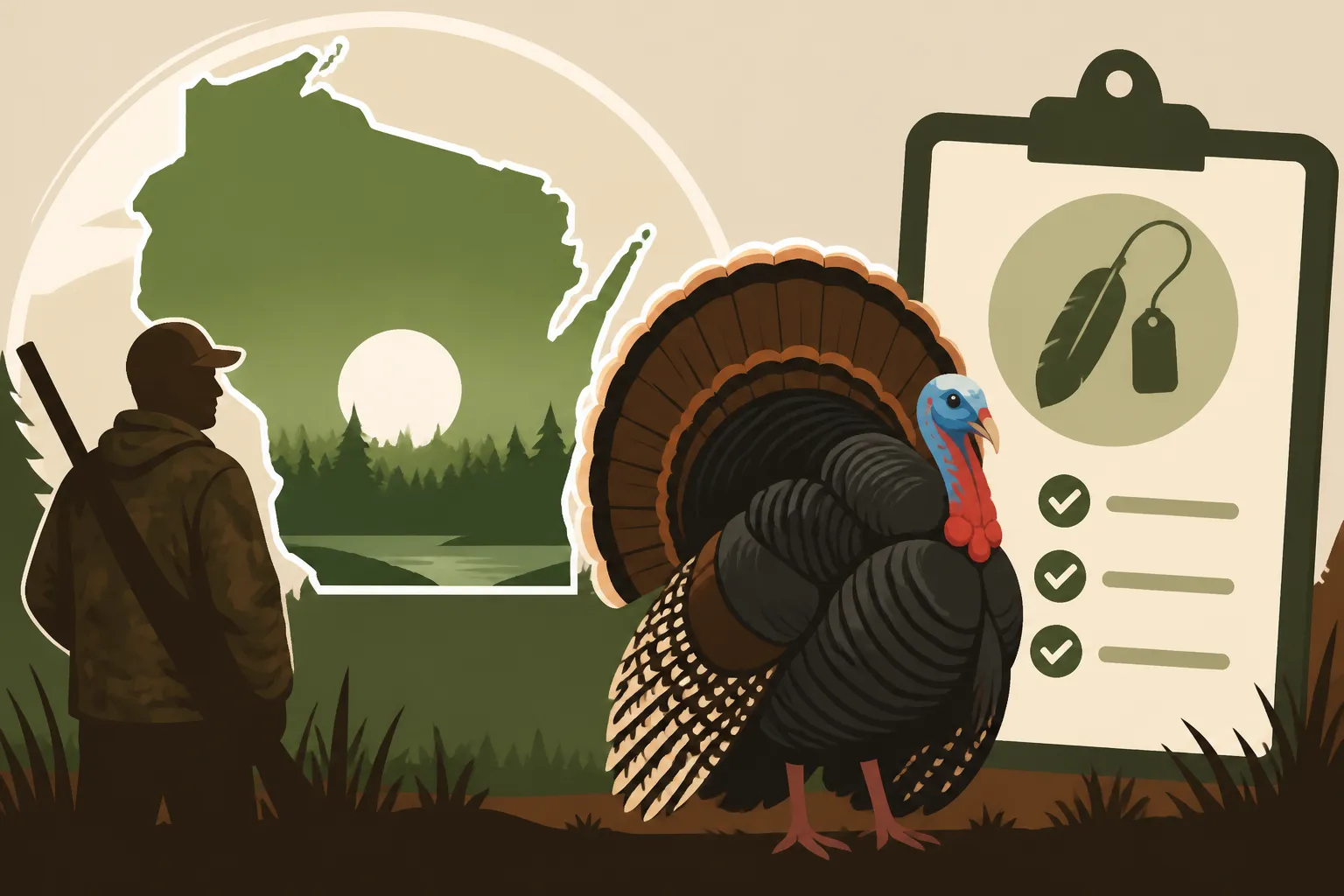
Harvesting a wild turkey in Wisconsin is an exhilarating experience, a true testament to your patience, scouting, and calling skills. But amidst the adrenaline of a successful hunt, there's a crucial step that often causes a little head-scratching or even anxiety: registering your bird. Whether you're a seasoned turkey hunter or tagging your first gobbler, understanding the Wisconsin turkey registration rules is absolutely essential for legal compliance and responsible hunting. This guide will walk you through everything you need to know, dispelling confusion and ensuring your harvest is properly reported.
Why Turkey Registration Matters for Every Hunter
Let's be honest, after the excitement of the shot, the field dressing, and the triumphant walk back to the truck, the last thing many hunters want to think about is paperwork. But turkey registration isn't just a bureaucratic hoop to jump through; it's a fundamental part of wildlife management and conservation in Wisconsin.
Legal Compliance and DNR Data Collection
First and foremost, registering your turkey is a legal requirement. The Wisconsin Department of Natural Resources (DNR) mandates that every harvested turkey be registered, and there are specific deadlines to adhere to. Failure to register your bird can result in fines and other penalties, which can certainly put a damper on your hunting season. It's not worth the risk.
Beyond the legal aspect, your registration data is incredibly valuable to the DNR. Think of it as your contribution to the big picture of wildlife science. Each piece of information you provide – the date, county, zone, weapon, and sex of the bird – helps the DNR gather critical data on Wisconsin Turkey Population Trends. This data allows biologists to:
- Track Harvest Numbers: How many birds are being taken each season? Are certain areas seeing higher or lower success rates?
- Monitor Population Health: By looking at harvest data alongside other surveys, the DNR can assess the health and stability of turkey populations across the state.
- Inform Future Regulations: If harvest numbers are too high or too low in a particular zone, it can inform decisions about future season dates, bag limits, or the allocation of Wisconsin Spring Turkey Zones and Periods.
Without accurate registration data from hunters like you, the DNR would be essentially flying blind, making it much harder to manage this incredible resource effectively for future generations.
Ethical Hunting and Personal Responsibility
Registering your turkey is also a mark of an ethical and responsible hunter. It demonstrates your commitment to fair chase and conservation. Every hunter shares the responsibility of ensuring wildlife populations remain healthy and abundant. By meticulously following registration rules, you're not just avoiding a ticket; you're actively participating in the stewardship of Wisconsin's wild places and its game animals.
It’s also about completing the entire hunting cycle. The hunt itself is just one part of the journey. The processing, the sharing of meat, and the proper registration all contribute to the full experience. It’s a moment to pause and appreciate the animal, ensuring its place in the state’s managed wildlife history.
The Wisconsin Turkey Registration Process
Gone are the days of punching out physical tags and finding a registration station. Wisconsin has moved almost entirely to an electronic registration system, primarily through the Go Wild online platform. It's designed to be convenient, but knowing the exact steps and what information you'll need can make the process smooth and stress-free.
Key Information You'll Need at Your Fingertips
Before you even log on or pick up the phone, make sure you have the following details ready. This will save you a lot of backtracking and frustration.
- Your Wisconsin Customer ID: This is a unique number assigned to you when you first bought a license through The Wisconsin Go Wild Licence System. It's usually found on your hunting license or in your Go Wild account.
- Turkey Authorization Number: This is the specific authorization number linked to the turkey tag you used for the harvest. Each turkey authorization has its own unique identifier.
- Date and Time of Harvest: Be as accurate as possible.
- County of Harvest: The specific county where you harvested the bird.
- Turkey Zone and Period: For spring, you'll need the zone (e.g., Zone 1, Zone 2) and period (e.g., Period A, B, C, D, E, F) corresponding to your authorization. For fall, it's just the zone.
- Land Type: Was the bird harvested on public or private land? This is an important distinction for data collection.
- Weapon Used: Rifle, shotgun, bow, or crossbow.
- Sex of the Bird: For spring seasons, it will almost always be a gobbler (male turkey). For fall seasons, you might harvest a hen (female turkey) or a gobbler, so be sure to accurately identify it.
- Spur Length and Beard Length (Spring Only): While not always strictly required for registration itself, the DNR often asks for this data for spring gobblers. Having a tape measure on hand for these measurements can be helpful for their biological surveys.
Having all this information written down or easily accessible will ensure a quick and accurate registration.
Step-by-Step Online Registration via Go Wild
The easiest and most common way to register your turkey is online through the Wisconsin DNR's Go Wild system. Many hunters also find that using a hunting app like GoHunt can make recording details in the field and subsequently entering them into Go Wild much easier, as it helps you keep track of your information.
- Access the Go Wild Website: Open your web browser and navigate to the Wisconsin DNR's Go Wild portal.
- Log In to Your Account: Enter your Wisconsin Customer ID and password. If you're using a public computer or a shared device, always remember to log out afterward.
- Navigate to the "Register Game" Section: Once logged in, look for a prominent link or button that says "Register Game," "Harvest Registration," or something similar.
- Select "Turkey" as the Game Species: The system will likely ask you to specify what you're registering.
- Enter Your Authorization Number: This is crucial. Type in the authorization number from your turkey tag that you used for the successful harvest.
- Input Harvest Details: The system will then prompt you for all the key information we discussed earlier: date, time, county, zone/period, land type, weapon, and sex of the bird. Some fields might auto-populate if the system can link them to your license purchases.
- Review and Confirm: Before submitting, carefully review all the information you've entered. Mistakes can happen, so a quick double-check can prevent headaches later.
- Receive Your Confirmation Number: Once submitted, the system will generate a unique confirmation number. This number is your official proof of registration. Write it down, screenshot it, or better yet, make sure you save the email confirmation you'll likely receive. Having this number is just as important as the physical tag used to be.
The process is generally intuitive, and apps like GoHunt can even store some of this information beforehand, making the final online submission a breeze once you're back in service.
Registration via Phone: The Alternative Method
While online registration is strongly encouraged and often the quickest route, the DNR does provide a phone-in option for those without internet access or who prefer to speak with someone.
To register by phone, you'll typically call a dedicated DNR hotline. You'll need all the same key information mentioned above. The operator will guide you through the process, verbally collecting the details and providing you with a confirmation number at the end of the call. Keep in mind that wait times can vary, especially during peak hunting hours or busy periods, so plan accordingly.
It's a good backup, especially if you're Hunting a Late Wisconsin Turkey Period in a remote area without reliable internet or cell service. Just ensure you still call before the deadline.
Common Registration Hurdles and Solutions
Even with a straightforward process, sometimes things don't go exactly as planned. Preparing for potential issues can save you a lot of stress.
Internet Access and Technical Glitches
Imagine you've just taken a magnificent gobbler, driven out of the woods, and settled down to register, only to find you have no internet service, or the Go Wild website is experiencing technical difficulties. This happens!
- Solution 1: Register Immediately Upon Return to Service: If you're hunting in a remote area, the best practice is to complete field dressing and then drive to the nearest location with reliable internet or cell service (a gas station, local diner, or home) and register your bird as soon as possible. Don't procrastinate.
- Solution 2: Use an Offline-Capable App: Some hunting apps, like GoHunt, allow you to record harvest details offline. You can then sync and officially register through the Go Wild website when you regain service. This ensures you capture all the necessary data while it's fresh in your mind, even if you can't submit it instantly.
- Solution 3: Phone Registration: As discussed, the phone option is your next best bet if online methods fail due to technical issues or lack of access.
The key is to prioritize registration and make it a part of your post-harvest routine, just like cleaning your shotgun after a successful hunt.
Missing or Incorrect Information
It's easy to get excited and forget a detail, or misremember the exact zone you were in. Submitting incorrect information can complicate things later.
- Solution 1: Double-Check Everything: Before clicking "submit" online or hanging up the phone, meticulously review all the data you've provided. Does the county match? Is the authorization number correct? Is the date accurate?
- Solution 2: Keep Records Handy: Carry a small notebook or use your hunting app to jot down key details immediately after the harvest. This helps prevent memory lapses. For example, knowing if you were Run-and-Gun Turkey Tactics on Public Land versus a private parcel is critical for the land type distinction.
- Solution 3: Contact the DNR if You Make a Mistake: If you realize you've submitted incorrect information, don't just hope it goes away. Contact the Wisconsin DNR directly as soon as possible. They can guide you on how to correct the entry. It's much better to be proactive than to have issues arise later during a compliance check.
The Deadline Dilemma
Wisconsin has a clear deadline for turkey registration: 5:00 PM Central Time on the day after the harvest. This deadline is firm and applies to all harvested turkeys, whether spring or fall.
- Why the Deadline? This deadline is in place to ensure timely data collection. The DNR uses this information to get a real-time snapshot of harvest trends, which can influence in-season management decisions, especially for leftover tag sales or understanding harvest pressure.
- Consequences of Missing It: Missing the registration deadline is a violation and can lead to penalties. Do not risk it. Even if you harvest a bird late in the evening, you still have until 5 PM the next day. Plan your registration accordingly. If you're planning a trip that keeps you out of service for more than 24 hours post-harvest, you'll need a solid plan for getting that bird registered within the window.
After Registration: What's Next for Your Bird
Once you have that precious confirmation number, you’re officially in the clear regarding registration. But what about the bird itself? There are still some important things to know regarding carcass handling and what that confirmation number truly represents.
Proof of Registration and Tagging
As mentioned, your confirmation number is your proof. Wisconsin no longer requires you to physically attach a paper tag to the turkey carcass. This is a significant change from past years and differs from deer hunting rules where a physical tag is still required in many cases.
- Always Have Your Confirmation Number: While you don't tag the bird, you must be able to provide that registration confirmation number if asked by a law enforcement officer, such as a DNR warden. This could be a screenshot on your phone, a printout, or simply being able to recall the number. It's similar to how you can carry your Wisconsin Hunting Licences and What They Cost proof on your phone.
- No Physical Tagging: This is important for new hunters or those accustomed to older regulations. Don't worry about finding a place on the bird to tie a tag; just focus on having that confirmation number.
Carcass Transport and Processing
The rules around transporting your turkey after harvest are also important to understand.
- Whole Carcass Rule (Generally): For turkeys, the general rule is that the bird must remain mostly intact until it is registered. This means you shouldn't fully breast out the bird or completely butcher it in the field before registration. You can field dress it (remove entrails) to cool it down, but the legs, wings, and head should remain attached.
- Why Intact? Keeping the bird largely intact until registration allows for accurate identification of the sex and species if a warden needs to verify your harvest. It also helps with data integrity if specific biological samples were ever needed (though this is less common for turkeys than deer).
- After Registration: Once registered, you can transport your bird in any legal manner and process it as you wish. Many hunters prefer to breast out their turkeys and save the legs, while others utilize the entire bird. If you're processing at home, make sure you know how to handle wild game safely and hygienically.
Contributing to Conservation Data
Every time you register a turkey, you’re doing more than just complying with the law; you’re directly contributing to the rich tapestry of Wisconsin’s wildlife management. This collective data helps the DNR make informed decisions that directly impact the quality of hunting seasons for everyone.
For instance, the number of successful harvests in certain zones helps determine the availability of Leftover Turkey Authorizations in Wisconsin for future seasons. If you're a fan of Calling a Wisconsin Gobbler Off the Roost or perfecting your Setting Up Against a Big Oak strategy, then contributing to accurate data helps ensure there will always be gobblers to pursue in Wisconsin’s beautiful landscapes.
By understanding and adhering to Wisconsin's turkey registration rules, you ensure that your hunting adventure is not only successful but also responsible, ethical, and supportive of the state's vibrant wildlife heritage.
Disclaimer
Please note that hunting regulations, seasons, and requirements can change. While this guide provides comprehensive and current information, it is always your responsibility as a hunter to consult the most recent official Wisconsin DNR hunting regulations pamphlet or their website before heading afield. This content is for informational purposes only and should not be considered legal advice.