Bears Moving Into Southern Wisconsin
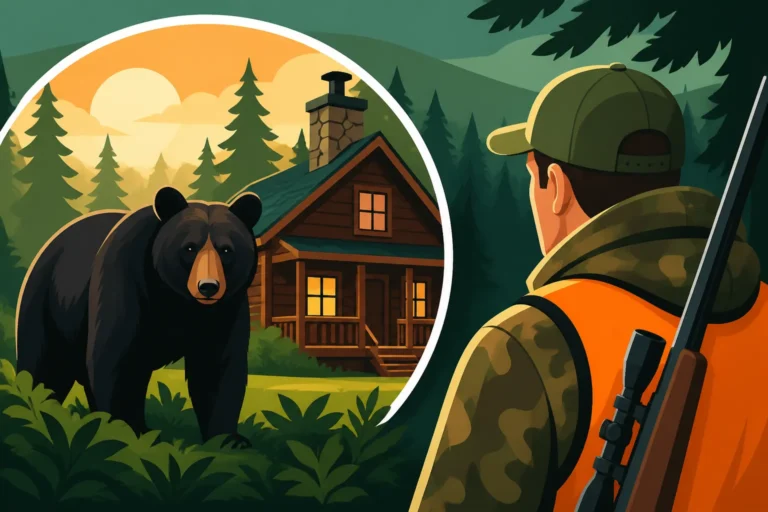
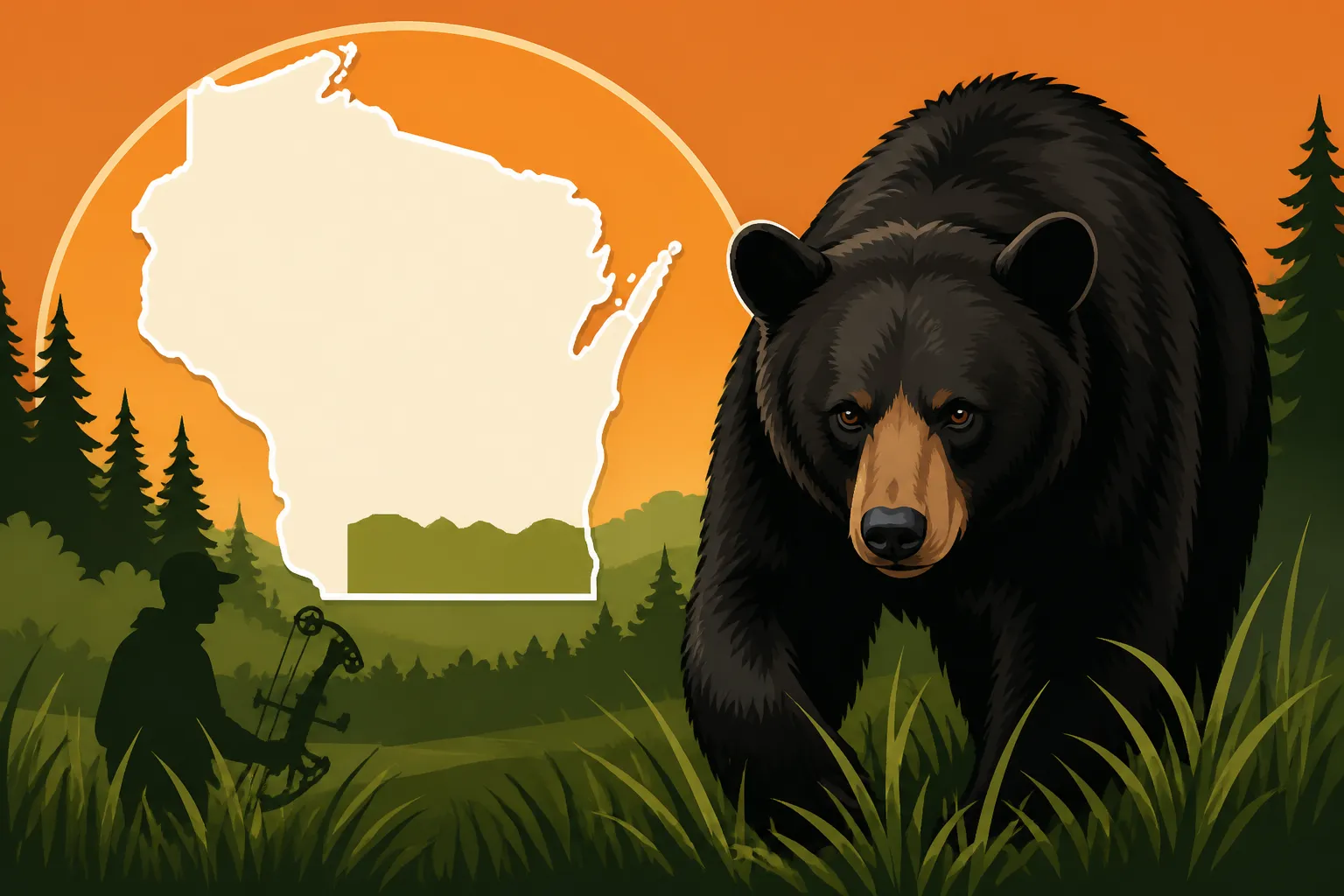
For many years, the thought of seeing a black bear in Wisconsin was pretty much reserved for those venturing up into the Northwoods. But lately, residents across the southern part of the state are having surprising encounters with these magnificent animals, stirring up a mix of excitement, curiosity, and sometimes, a little apprehension. This guide is here to shed some light on why Wisconsin's black bears are extending their range, what it means for folks living in these new territories, and how we can all learn to coexist safely with these returning neighbors.
The Shifting Landscape: Why Bears Are Venturing South
It's truly a marvel of modern wildlife management and conservation efforts that Wisconsin's black bear population isn't just stable, but actually thriving. For decades, many of us, myself included, always pictured bears deep in the vast forests of Bayfield or Vilas counties. That was their traditional stronghold, the place where you expected to see a bear while Bear Hunting With Bait and Dogs in Wisconsin or simply camping. But that perception is quickly changing as their numbers have grown significantly, leading to a natural expansion beyond these historical boundaries.
This population growth isn't just about more bears; it's about the dynamics of a healthy ecosystem. As the prime northern habitats reach their carrying capacity – meaning they simply can't support many more bears comfortably – younger, often male, bears are compelled to strike out on their own. They're looking for new territories, new food sources, and less competition. This natural dispersal is what drives them southward, pushing the boundaries of what we've historically considered "bear country." It's a clear indicator that the overall population of How Many Black Bears Wisconsin Has is robust and healthy, adapting and expanding into available niches.
This phenomenon challenges the deeply ingrained idea that bears only belong "up north." It forces us to reconsider our understanding of bear habitat and acknowledge that these intelligent and adaptable creatures can thrive in areas with a mix of woodlands, river corridors, and even agricultural lands. It's a gradual but undeniable shift, and understanding the "why" behind it is the first step in learning to live alongside them. This expansion is a testament to the success of conservation, but also presents new considerations for wildlife managers and residents alike in counties where a bear sighting used to be front-page news.
Wisconsin's southern landscape, while often characterized by expansive farmland, isn't a barren wasteland for wildlife. It boasts numerous forested tracts, especially along river systems like the Wisconsin River, the Kickapoo, or even smaller creeks that weave through rolling hills. These natural corridors act like highways for dispersing wildlife, offering cover, water, and pathways to new areas. When a young bear sets out, these linear features provide safe passage through otherwise open landscapes.
More importantly, these southern areas offer surprisingly abundant food sources. Bears are omnivores, and they are incredibly opportunistic eaters. While up north they might rely heavily on berries, acorns, and grubs, down south they find similar natural foods supplemented by agricultural crops. Think about vast fields of corn, which provide both shelter and a high-energy food source. Oats, apples from forgotten orchards, and even wild berries found along fence rows or wood edges all contribute to a bear's diet. These readily available calories, particularly in late summer and fall, are powerful attractants, drawing bears further away from their traditional haunts.
The combination of available cover and plentiful food is the primary driver for this southern movement. A young bear, driven by instinct to find its own territory, will follow these food corridors as long as the resources hold out. While a transient bear might move through an area quickly, a consistent food supply, especially easy pickings like an unsecured garbage can or a bird feeder, can encourage a bear to linger. This is why understanding the shape of these habitats and food sources is crucial, even when Scouting Wisconsin Public Land Before Season in areas you thought were only for deer.
Coexisting with New Neighbors: What Southern Residents Need to Know
The sight of a bear can be thrilling, but it's important to approach these encounters with respect and an understanding of bear behavior to ensure safety for both humans and wildlife. Most bears are naturally shy and will do their best to avoid people. Problems typically arise when bears lose their natural fear of humans, often due to easy access to human-provided food sources. This is where vigilance and proactive measures from residents in southern counties become incredibly important.
The most effective way to prevent conflicts is to eliminate attractants around your home. This means securing your garbage in bear-resistant containers or keeping it inside until collection day. Bird feeders, especially those with high-calorie seeds, are huge magnets for bears; it's best to remove them entirely from spring through late fall when bears are active. Grills should be cleaned thoroughly after use, and pet food bowls should be brought inside, especially overnight. Even compost piles can be enticing, so consider using enclosed composting methods. Simple steps like these can make a huge difference in deterring a curious bear from becoming a nuisance bear.
If you do encounter a bear, the key is to remain calm and never run. Running can trigger a chase response. Instead, make yourself look as large as possible by waving your arms, make loud noises, and slowly back away. Give the bear an escape route. Most bears are just as surprised to see you as you are to see them and will quickly retreat if given the chance. Knowing how to react calmly and responsibly is crucial, whether you're out Reading Aerial Photos for Coulee Deer or just checking your mailbox. This proactive approach ensures that both people and bears can continue to share the landscape without unnecessary tension.
While the primary focus of Wisconsin's regulated bear hunting seasons remains in the northern zones, the increasing presence of bears in southern counties subtly changes the landscape for all hunters. For instance, deer hunters targeting Hunting Wisconsin Farmland Deer in counties like Grant or Lafayette might now need to be aware of potential bear activity, even if they aren't carrying a Wisconsin Bear Licence Cost. This means recognizing bear sign, like scat or tracks, and understanding that their presence might alter deer movement patterns or add another layer of safety consideration to their hunt.
Wildlife agencies are keenly aware of this range expansion and are actively monitoring the situation. While it's unlikely to see a full-fledged bear hunting season open in highly populated southern counties anytime soon, these sightings contribute to important data for wildlife managers. This data helps them understand dispersal routes, habitat use, and potential areas where human-bear conflicts might increase. Public education initiatives are vital, teaching southern residents the "bear basics" that northern residents have lived by for generations.
This ongoing adaptation to a changing wildlife map requires everyone's cooperation. Hunters, even those focused on Wisconsin Spring Turkey Zones and Periods or small game, can provide valuable sighting information to the DNR. And for landowners, tools like GoHunt can provide detailed topographical maps and public land overlays, which can be useful for understanding how bears might be using the landscape around their property or hunting grounds, even if they're not explicitly focused on bear hunting. It's about being prepared and informed for the evolving reality of Wisconsin's wildlife.
Dispelling Myths and Embracing the Future
When a new animal appears in an area where it hasn't been seen regularly, it's natural for myths and anxieties to arise. It's important to remember that black bears are generally not aggressive towards humans. The vast majority of reported incidents involve bears that have become habituated to human food sources, often due to unsecured garbage or bird feeders, leading them to associate people with an easy meal. They aren't seeking out confrontation; they're looking for calories. Dispelling the myth of the "man-eating monster" is crucial for fostering coexistence.
A single bear sighting in a southern county, while exciting and certainly newsworthy, doesn't mean your neighborhood is about to be overrun. Often, these are young, transient males exploring new territory. They might pass through quickly, never to be seen again, especially if they don't find readily available food sources. It's not an "infestation," but rather a natural process of a healthy population spreading out. Understanding this helps manage expectations and reduces unnecessary fear.
The core message remains consistent: living responsibly with wildlife, regardless of the species, means respecting their space and not providing them with unintended sustenance. If a bear doesn't find food around human dwellings, it's far more likely to continue moving through or to seek natural food sources elsewhere. This simple principle is the most powerful tool we have for mitigating potential conflicts and ensuring that these impressive animals can continue to thrive in our shared landscape.
This southern movement of black bears isn't just about the bears themselves; it's a powerful indicator of Wisconsin's broader ecological health. The fact that a large predator, once primarily confined to the northern reaches, is now successfully expanding its range speaks volumes about the quality and resilience of habitats across the state. It underscores the success of decades of conservation efforts, not just for bears, but for the entire ecosystem. It's a testament to the diverse and vibrant natural resources that Wisconsin still holds, from the deep forests to the productive farmlands that Hunting the Wisconsin Youth Deer Hunt often target.
This evolving landscape presents a unique opportunity for all of us – hunters, hikers, birdwatchers, and homeowners – to deepen our appreciation for Wisconsin's wildlife. While it requires a new level of awareness and responsible practices, it also offers the chance to witness these iconic animals closer to home. Imagine the thrill of seeing a bear track while Hunting the Wisconsin Rut in November in a southern coulee. It reminds us that wilderness isn't just a distant concept; it's right here, adapting and thriving alongside us.
To help wildlife managers track these changes, residents are encouraged to report bear sightings to the Wisconsin DNR. This data is invaluable for monitoring population trends, understanding dispersal patterns, and proactively addressing potential conflict areas. By participating in this citizen science, we all contribute to the long-term health and management of Wisconsin's black bear population. It's a reminder that our actions, both individually and collectively, shape the future of our state's wild heritage.
Here's a quick look at some differences and commonalities when it comes to bear encounters in Wisconsin:
| Feature | Traditional Northern Wisconsin Bear Habitat | Expanding Southern Wisconsin Bear Habitat |
|---|---|---|
| Typical Habitat | Dense boreal forests, vast wilderness areas, large swamps | Mixed agricultural and forested lands, river corridors, small woodlots, suburban edges |
| Primary Food Sources | Berries, acorns, grubs, carrion, some small mammals | Agricultural crops (corn, oats), acorns, wild berries, human attractants (garbage, bird feeders) |
| Encounter Likelihood | Higher, expected by residents and hunters | Increasing, often surprising to residents, less expected by hunters |
| Management Focus | Regulated hunting, population control, habitat management | Public education, conflict prevention, monitoring dispersal |
| Common Concerns | Bait site interaction, denning near cabins | Residential property damage, unsecured garbage, pet food |
| Hunting Opportunity | Dedicated bear season, significant harvest | No hunting season, incidental encounters during other hunts |
| Scouting Importance | Critical for finding sign and trails for bear hunting | Important for awareness during other hunts, identifying potential attractants |
Disclaimer
This article is for general informational purposes only and does not constitute professional advice. Laws, prices and regulations vary by location and change over time. Consult a qualified professional for guidance on your specific situation.