When Elk Were Reintroduced at Clam Lake
For generations, the majestic elk was a ghost in Wisconsin's forests, a whispered legend of a bygone era. Their absence left a void, a stark reminder of lost wilderness. But thanks to dedicated conservation efforts and the pioneering spirit of wildlife managers, these incredible animals were brought back, beginning with a monumental reintroduction project at Clam Lake in 1995. This guide will take you through the incredible journey of how and when elk returned to Wisconsin, detailing the vision, challenges, and ultimate triumphs that have shaped their renewed presence in our landscape.
The Historical Shadow: Why Elk Vanished from Wisconsin's Landscape
It’s hard to imagine Wisconsin without the call of a bull elk echoing through the autumn woods, but for over a century, that was the reality. Our state was once home to robust populations of elk, but a perfect storm of factors led to their complete disappearance. Understanding this history is crucial to appreciating the monumental effort involved in bringing them back.
A Land Once Roaming with Giants
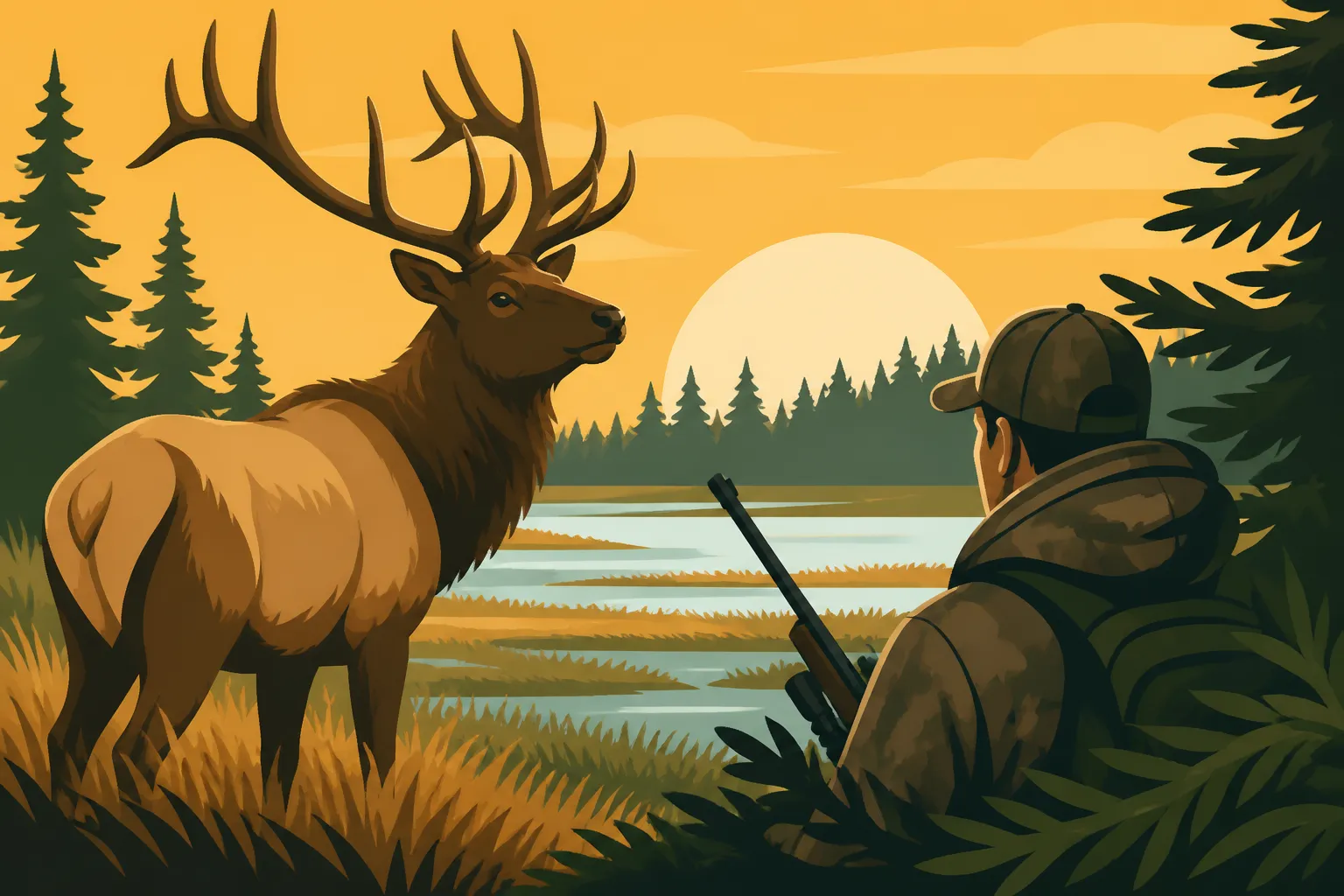
Before European settlement transformed the landscape, Wisconsin was a vibrant ecosystem supporting a rich diversity of wildlife, including healthy populations of elk. These magnificent animals, larger than any deer, roamed across vast stretches of the state's forests and prairies. They were an integral part of the ecosystem, their grazing and browsing habits shaping the plant communities, and their presence adding a profound sense of wildness to the land. Imagine the sight of an elk herd moving through a mixed pine and hardwood forest, their antlers silhouetted against the setting sun. It was a common occurrence, not just a distant dream, and their calls were as much a part of the soundscape as the whisper of the wind through the pines. They were not merely a game animal; they were a cornerstone of the natural heritage here.
The Impact of European Settlement and Overhunting
The arrival of European settlers brought dramatic and swift changes. As settlement expanded, so did the demand for meat, hides, and trophies. Unlike today, there were no regulated hunting seasons, no bag limits, and certainly no thought given to conservation or sustainability. Elk were simply viewed as an inexhaustible resource. Market hunting, where animals were killed purely for commercial sale, flourished. Settlers also hunted for subsistence, but the sheer scale of unregulated killing, coupled with the efficiency of new firearms, quickly decimated elk populations. The "abundance fallacy"—the belief that wildlife was so plentiful it could never run out—led to a relentless pursuit. By the late 1880s, the last native elk in Wisconsin was gone, a tragic testament to unchecked exploitation and a lack of foresight. It was a rapid and heartbreaking loss that left a significant void in the state's natural history.
Habitat Transformation and Forest Clearing
While overhunting delivered the final blow, widespread habitat destruction was a powerful contributing factor to the elk's extirpation. The vast, unbroken forests that once covered much of Wisconsin were aggressively logged, with massive clear-cutting operations transforming entire regions. This wasn't just selective timber harvesting; it was often a wholesale removal of trees, followed by widespread fires. In the southern and western parts of the state, prairies and woodlands were converted to agricultural land. Elk need extensive, diverse habitat – a mix of dense forest for cover and open clearings or meadows for foraging. These massive landscape changes fragmented what remained of their suitable range, making it harder for scattered populations to find food, shelter, and escape from human pressure. Even if some elk had managed to evade hunters, they would have struggled immensely to find the resources they needed in the rapidly changing, shrinking wilderness. The transformation of the land left them with nowhere to go.
The Dawn of a Dream: Initiating the Clam Lake Reintroduction
The idea of bringing elk back to Wisconsin wasn't a sudden whim; it was the culmination of decades of conservation thinking and a deep desire to restore a missing piece of the state's natural heritage. The effort required immense planning, dedication, and collaboration, leading to the pivotal first release at Clam Lake.
Laying the Groundwork for a Comeback
The dream of seeing elk roam Wisconsin again simmered for a long time among conservationists and wildlife enthusiasts. It wasn't until the latter half of the 20th century that serious discussions and feasibility studies began. Wildlife biologists and managers from the Wisconsin Department of Natural Resources (DNR), along with various partner organizations and universities, poured over historical data, ecological surveys, and sociological considerations. They needed to determine if there was enough suitable habitat, if the public would support the reintroduction, and if potential conflicts with landowners or existing land uses could be mitigated.
The Chequamegon-Nicolet National Forest, particularly the area surrounding Clam Lake in Sawyer County, emerged as the prime candidate. This region offered vast tracts of public land, a mosaic of forest types, wetlands, and openings, providing ideal forage and cover for elk. It also had a relatively low human population density, which was critical for minimizing human-wildlife conflicts. The foresight in choosing this remote, expansive area was a cornerstone of the project's eventual success. Organizations like the Rocky Mountain Elk Foundation also played a crucial role, providing funding, expertise, and public outreach to build support for the ambitious project. These early champions understood that bringing back such a large, charismatic species would take more than just a good plan; it would require community buy-in and sustained effort.
The First Chapter: Elk from Kentucky Arrive in 1995
The moment conservationists had been working towards finally arrived in the spring of 1995. This was the seminal "when" for Wisconsin's elk restoration. Twenty-five wild elk, carefully captured from a healthy, thriving population in Kentucky, made the long journey north to the Clam Lake area. This wasn't a simple release; the animals were first held in large acclimation pens for several weeks. This critical period allowed them to adjust to their new environment, recover from the stress of transport, and become accustomed to local food sources. Wildlife staff monitored their health closely, ensuring they were free of disease and fit for release into the wild.
The day these magnificent animals were finally set free into the sprawling wilderness of the Chequamegon-Nicolet National Forest was a historic occasion, marked by quiet optimism and a profound sense of achievement. The choice of Clam Lake was strategic, leveraging the extensive public lands available. The success of this initial release laid the foundation for what would become Wisconsin's Northern and Central Elk Herds, demonstrating that with careful planning and dedicated effort, a species could indeed be brought back from extirpation. For those interested in tracking these majestic animals today, modern mapping tools, like those offered by GoHunt, can provide valuable insights into potential habitat areas and help enthusiasts understand the landscape where these reintroductions took place.
Early Challenges and Adaptation
The excitement of the 1995 release was tempered by the understanding that the hard work had just begun. The first few years were a delicate period, fraught with challenges. Wildlife biologists meticulously tracked the newly released elk, monitoring their movements, health, and calf survival rates. One of the primary concerns was dispersal; would the elk stay in the intended release area, or would they wander too far, potentially encountering agricultural areas or heavily populated regions? Poaching was another ever-present threat, as was the risk of disease transmission.
The elk themselves faced the challenge of adapting to a new ecosystem, different forage, and the Wisconsin winters. The DNR, with help from volunteers and conservation groups, worked tirelessly. They studied the animals' behavior, addressed landowner concerns, and continued to educate the public about the importance of the elk project. There was a steep learning curve involved in managing a reintroduced species, especially one as large and ecologically significant as elk. Despite these hurdles, the Clam Lake herd slowly began to establish itself, producing calves and demonstrating a remarkable ability to adapt to their new home. This perseverance during these initial years was critical to the long-term success of How Elk Returned to Wisconsin.
Nurturing the Herd: Growth, Management, and Expansion
The success of the initial Clam Lake reintroduction was just the beginning. The efforts of dedicated wildlife professionals and conservationists continued to nurture the fledgling herd, leading to its growth and eventually inspiring the expansion of elk populations to another region of Wisconsin.
From Release to Sustainable Population
Following the initial 1995 release, the Clam Lake herd slowly but steadily grew. Subsequent releases in 1999 and other years augmented the initial population, injecting new genetics and bolstering numbers. This continuous effort was vital to building a self-sustaining herd. Biologists diligently monitored the population through aerial surveys, ground observations, and remote cameras, tracking calf survival, adult mortality, and overall herd health. Each year, data was collected on births, deaths, and movements, providing crucial information for adaptive management strategies.
Factors contributing to their success included abundant, well-managed habitat within the Chequamegon-Nicolet National Forest, a relatively low incidence of disease, and strong public support for the project. These efforts ensured that the elk not only survived but began to thrive, a testament to the long-term commitment needed beyond the initial fanfare of a release. The growth of this herd confirmed that Wisconsin could once again be home to these majestic animals.
The Black River Falls Expansion: A Testament to Success
The undeniable success of the Clam Lake herd eventually paved the way for an even more ambitious undertaking: the reintroduction of elk to central Wisconsin. In 2015, approximately 70 wild elk, again sourced from Kentucky, were released into the Black River Falls area, primarily within the Jackson County Forest and Black River State Forest. This second reintroduction marked a significant milestone, demonstrating the broader vision for elk restoration across the state.
The rationale for establishing a second herd was multi-faceted: it increased the overall population of elk in Wisconsin, provided a buffer against potential localized disease outbreaks or catastrophic events, and expanded the geographical range of elk within the state. The lessons learned from Clam Lake—regarding capture, transport, acclimation, and post-release monitoring—were invaluable in making the Black River Falls project a smooth and efficient operation. Additional releases in subsequent years further strengthened this central Wisconsin herd. This expansion highlights the long-term vision for restoring these magnificent animals, ultimately creating The Clam Lake and Black River Elk Herds as distinct but equally vital populations.
Ongoing Management and Habitat Stewardship
Maintaining healthy, thriving elk populations is an ongoing commitment that extends far beyond the initial releases. The Wisconsin DNR, in partnership with federal agencies like the U.S. Forest Service, tribal nations, and numerous conservation organizations, continues to implement robust management and habitat stewardship programs. These efforts include active forest management practices such as prescribed burns and timber thinnings, which create the mosaic of open areas and dense cover that elk prefer. Disease monitoring, particularly for concerns like Chronic Wasting Disease (CWD), remains a critical component, even if elk are not currently known to be affected, it's a constant vigilance across all deer species.
Conflict resolution with landowners, especially in agricultural areas adjacent to elk range, is also a vital part of management. This might involve deterrents or compensation programs to address potential crop damage. Researchers use a variety of tools, including GPS collars and advanced mapping technology, to track elk movements and understand population dynamics. For modern hunters and outdoor enthusiasts, resources like GoHunt's detailed maps and data analytics can be incredibly useful for understanding Wisconsin Elk Hunt Zone Boundaries and the general movement patterns of these animals, whether for scouting or simply appreciating their presence. This proactive management ensures that Wisconsin's elk herds continue to flourish for generations to come.
The Resurgent Giants: Wisconsin's Elk Today and Tomorrow
Today, Wisconsin's elk are more than just a conservation success story; they are a vibrant, growing presence in the state's natural landscape, contributing to both ecological health and human recreation. Their journey from extirpation to resurgence is a powerful testament to what dedicated conservation efforts can achieve.
A Symbol of Conservation Triumph
From a mere 25 animals released in 1995, Wisconsin's elk herds have grown significantly, now numbering in the hundreds across both the northern Clam Lake and central Black River Falls ranges. Their return is a resounding success story, symbolizing the power of thoughtful wildlife management and public-private partnerships. These majestic creatures have reclaimed their place in the ecosystem, impacting the forest landscape and providing a tangible connection to Wisconsin's wild past. Their bugling calls in the autumn are a sound that truly resonates with the wild spirit of the state, drawing both local and out-of-state visitors. The sight of a herd grazing in a forest clearing or crossing a remote logging road is an awe-inspiring experience that was unimaginable just a few decades ago. It reminds us of the importance of preserving and restoring natural habitats. For precise population figures and updates, looking into How Many Elk Wisconsin Has offers current details on their thriving numbers.
Limited but Coveted Hunting Opportunities
One of the most significant indicators of the elk reintroduction's success came in 2017 with the re-establishment of a highly limited, highly coveted elk hunting season in Wisconsin, the first in over a century. This was not about population control, but rather about providing a unique, once-in-a-lifetime opportunity for residents to participate in the management of this restored species, while also generating funds for ongoing conservation efforts.
Licenses for Wisconsin elk are allocated through an extremely competitive draw system, which often involves accumulating preference points over many years. The odds are long, making winning an elk tag one of the most sought-after hunting opportunities in the state. Hunters from around Wisconsin eagerly apply, hoping for the chance to pursue one of these magnificent animals in their restored home. If you're considering applying, it's essential to understand the rules and deadlines; resources like Wisconsin Elk Application Rules and Wisconsin Elk Application Dates are crucial for planning your application, while Wisconsin Elk Draw Odds can give you a realistic perspective on the competition.
Living Alongside Wisconsin's Elk
While the return of elk has been overwhelmingly positive, coexisting with a large, wild ungulate species like elk does come with its unique set of challenges and opportunities. On the challenge side, there can be localized issues with crop damage for landowners whose property borders elk range, and the potential for vehicle collisions, particularly during periods of increased elk movement. The presence of predators, such as wolves, also plays a role in elk population dynamics, as detailed in discussions around Wolves and Wisconsin Elk Calves.
However, the opportunities far outweigh the challenges. Elk have become a major draw for wildlife enthusiasts, photographers, and tourists, contributing to local economies in areas like Clam Lake and Black River Falls. The chance to observe these animals in their natural habitat provides invaluable educational experiences and fosters a deeper appreciation for conservation. Elk Viewing in Wisconsin has become a popular activity, especially during the fall bugling season, offering incredible chances to connect with nature. The ongoing management and public engagement ensure that these magnificent creatures remain a cherished part of Wisconsin's wildlife for generations to come, a true legacy of conservation vision.
Disclaimer
This article is for general informational purposes only and does not constitute professional advice. Laws, prices and regulations vary by location and change over time. Consult a qualified professional for guidance on your specific situation.