Ammunition Availability Before Opening Day
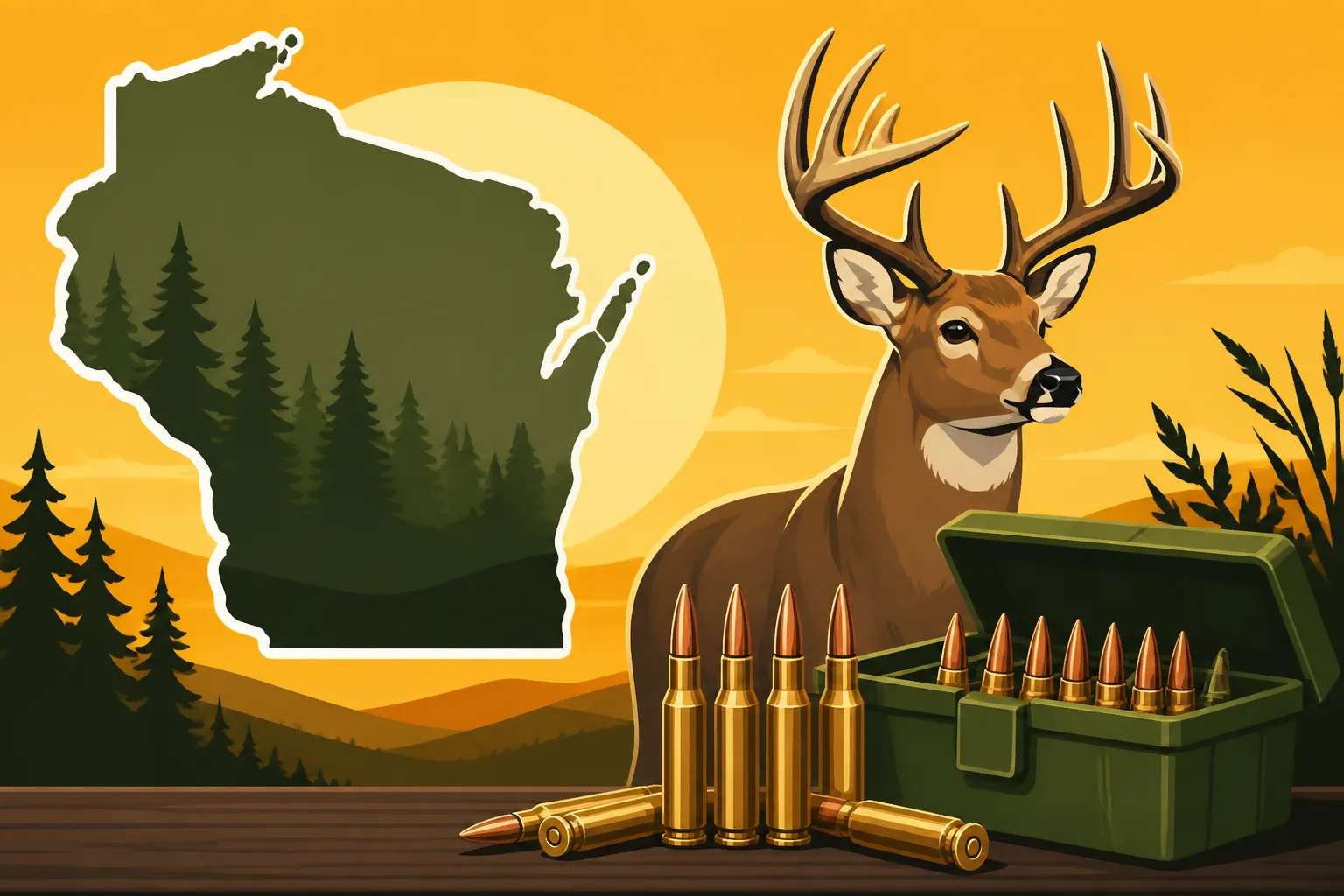
The anxiety that creeps in as opening day approaches, only to realize your ammo stash is critically low, is a feeling many Wisconsin hunters know all too well. It's a last-minute scramble, often leading to frustration and compromise. This guide dives deep into the realities of ammunition availability, offering seasoned strategies to ensure you're always well-prepared and never left empty-handed when the season kicks off.
The Pre-Season Ammo Scramble: Why It Happens Every Year
Every hunting season, without fail, a familiar pattern emerges: hunters find themselves scrambling for ammunition. It's not just bad luck; there are very real, often predictable, reasons why those shelves might look bare right when you need them most. Understanding these underlying dynamics is the first step toward beating the rush.
Supply and Demand Dynamics in Hunting Seasons
Imagine thousands of hunters across Wisconsin, all needing that specific box of .30-06, .270, or 12-gauge slugs for deer season. The sheer volume of demand concentrated within a few weeks before Wisconsin's Nine-Day Gun Deer Season or Bowhunting Wisconsin's Long Archery Season is immense. Manufacturers operate on production cycles that don't always align perfectly with peak hunting demand. They produce a certain amount throughout the year, but that stock gets depleted rapidly as hunters prepare. Think about it: if a factory makes 100,000 rounds of a popular deer caliber each month, but 300,000 rounds are suddenly needed in October, there's an immediate deficit. Retailers try to anticipate this, but stocking every variation for every caliber in sufficient quantities is a monumental task, especially when popular choices fly off the shelves. This often leads to situations where you might find specialty rounds but be out of luck for the most common deer loads, leaving you wondering if you should try a new load or even a different rifle altogether.
Furthermore, popular calibers like the .30-06 Springfield, .308 Winchester, and 6.5 Creedmoor are in high demand not just for deer hunting, but for a variety of other shooting sports and general firearm ownership. When all these segments converge on the same products, the pressure on the supply chain becomes immense. It's not just about deer season; it's about the entire ecosystem of shooting sports contributing to the constant ebb and flow of availability. Even shotshells for Wisconsin Waterfowl Hunting on Marsh and River or upland birds disappear quickly as those seasons approach, leading to a similar scramble for specific shot sizes and non-toxic options.
The Impact of Unexpected Events and Global Factors
It’s easy to blame the local sporting goods store, but often, the problem extends far beyond their control. We've seen firsthand how unexpected events, from economic downturns to global health crises or even political discussions around firearms, can send shockwaves through the ammunition supply chain. These events often trigger panic buying, where individuals purchase far more than they immediately need, emptying shelves and creating artificial shortages that can take months, if not years, to stabilize.
Consider a scenario where a significant natural disaster impacts a key manufacturing hub. Production slows or halts, creating a ripple effect that delays shipments across the country. Or imagine new tariffs on imported components, driving up costs and making certain types of ammunition harder to produce profitably. These larger forces, largely invisible to the average consumer, play a massive role in whether that box of .22LR for squirrel hunting or the specific turkey load for Spring Turkey Hunting in Wisconsin is on the shelf or not. It validates that frustrating feeling when you see an empty peg at the store, knowing it’s not just you, but a complex web of factors at play. This isn't just a Wisconsin problem; it's a nationwide, sometimes worldwide, challenge that hunters learn to navigate with increasing vigilance.
Strategic Stocking: Planning Ahead for Your Wisconsin Hunt
Given the unpredictable nature of ammunition availability, a reactive approach is a recipe for disappointment. The most reliable way to ensure you have the rounds you need is through proactive, strategic stocking. It's about thinking ahead, anticipating your needs, and acting long before the leaves start to turn or the first snow falls.
Identifying Your Essential Ammunition Needs
Before you can stock up, you need to know exactly what you need. This might sound obvious, but many hunters overlook the specifics until the last minute. Start by listing every firearm you plan to use for the upcoming seasons in Wisconsin. For deer, are you relying on your trusted .30-06 bolt action, a .44 Magnum handgun, or perhaps a slug gun if you're hunting in a shotgun-only zone? For turkeys, what gauge and shot size does your shotgun perform best with? Don't forget small game calibers like .22LR for rabbits and squirrels, or specific non-toxic shot for waterfowl, as required in many areas. Where Nontoxic Shot Is Required in Wisconsin is a crucial detail many hunters overlook until the last minute.
Make a master list, detailing the caliber or gauge, the specific bullet weight or shot size, and even the brand or type of ammunition you prefer. Remember that different firearms can perform differently with various brands or bullet types, so sticking to what you've patterned or sighted in with is usually best. A good rule of thumb is to have at least three boxes for each primary hunting firearm: one for sighting in and practice, one for the primary hunt, and a backup. This ensures you're not caught short if you need to re-zero or if the hunting goes longer than expected. Consider the cost of Wisconsin Hunting Licences and What They Cost and factor in a budget for ammunition, which can be a significant expense.
When and Where to Purchase Your Ammunition
The golden rule for ammunition purchasing is simple: buy early. As in, months early. Ideally, you should be replenishing your stock immediately after the previous season ends, or at least in the spring or early summer, long before the fall hunting frenzy begins. This is when demand is typically at its lowest, and shelves are most likely to be well-stocked.
When it comes to where to buy, you have several options, each with its pros and cons:
- Local Sporting Goods Stores: These are often your best bet for immediate needs and for supporting local businesses. Building relationships with staff can also yield tips on incoming shipments. The downside is they might be the first to sell out during peak season.
- Big Box Retailers: Stores like Cabela's, Bass Pro Shops, or even general merchandise stores often carry a decent selection, sometimes at competitive prices. However, their stock can be inconsistent.
- Online Retailers: Websites dedicated to firearms and ammunition often have the widest selection and can be a great source for harder-to-find calibers or specific loads. Be aware of shipping costs and lead times, and always understand your local and state laws regarding ammunition delivery. A service like what GoHunt provides for Western hunting draws emphasizes meticulous planning, and that same rigorous approach should apply to researching online ammo retailers and their shipping policies to Wisconsin.
- Gun Shows: These can be treasure troves for unique finds or bulk purchases, but prices can vary wildly, and it's essential to know what you're looking for to avoid overpaying.
- Specialty Gun Shops: Smaller, independent gun shops might have niche inventory or be able to order specific items for you. Their prices might be slightly higher, but the personalized service and expertise can be invaluable.
Always check store policies regarding ammunition sales, especially for online purchases, as age restrictions and shipping regulations apply. Make sure you also understand Wisconsin Hunter Safety and Mentored Hunting requirements, as these can influence your overall preparation.
| Ammunition Acquisition Strategy | Pros | Cons | Best For |
|---|---|---|---|
| Buy Early (Spring/Summer) | Best availability, less stress, better prices | Requires foresight, ties up funds earlier | All hunters, especially for popular calibers |
| Local Sporting Goods Store | Immediate access, support local, expert advice | Limited stock during peak season, potentially higher prices | Last-minute needs, unique requests |
| Online Retailers | Wide selection, competitive prices | Shipping costs, potential delays, age verification | Hard-to-find calibers, bulk buys |
| Gun Shows | Potential deals, varied inventory | Variable prices, travel required, sometimes chaotic | Collectors, specific rare finds |
| Reloading (DIY) | Complete control, cost-effective long-term | High initial investment, time-consuming, learning curve | High-volume shooters, niche calibers |
Navigating Shortages: Tips for Finding Ammo When It's Scarce
Even with the best intentions and meticulous planning, sometimes you hit a wall. Whether it's an unexpected mid-season need or a sudden, widespread shortage, finding ammunition when shelves are empty can feel like a daunting task. But don't despair; there are strategies you can employ to increase your chances.
Leveraging Local Resources and Community Networks
When the big box stores are out, it's time to go hyper-local. Start with the smaller, independent gun shops in your area. These establishments often have different supply chains or cater to a more local clientele, meaning they might have a hidden gem or two that the larger stores don't. Build a relationship with the owner or manager; they're often fellow hunters and can give you a heads-up when a shipment arrives or even hold a box for you. These folks are invaluable resources, offering insights into Legal Firearms for Wisconsin Deer or even where to find less pressured hunting spots.
Don't overlook unexpected places like bait shops in rural areas, smaller hardware stores, or even farm co-ops. Many of these places, especially in communities like those found in the Driftless Area Deer Hunting in Wisconsin or the Hunting the Wisconsin Northern Forest for Deer, still carry a limited selection of common hunting ammunition. They often cater to local needs and might have a small, overlooked stash.
Community networks are also incredibly powerful. Join local hunting forums, Facebook groups, or simply talk to fellow hunters at the range or around the campfire. Someone might have an extra box they're willing to part with, or know of a lesser-known shop that just received a shipment. Remember, hunters generally want to help each other out, especially when times are tough. This kind of shared knowledge can be the key to finding those elusive rounds for Wisconsin Small Game and Furbearer Seasons or even Predator and Furbearer Hunting in Wisconsin.
Online Strategies and Alert Systems
When local options are exhausted, the internet becomes your next frontier. Many large online retailers offer "in-stock" notification systems. Sign up for alerts for every caliber and load you need. Be prepared to act immediately when you receive an email, as popular items can sell out again within minutes. It's a bit of a game, but persistence often pays off.
Beyond the major players, explore smaller online retailers or specialized ammunition dealers. Sometimes, a lesser-known website will have inventory when the big names don't. A comprehensive hunting resource like what GoHunt provides for specific hunting details and planning might not track ammo directly, but it fosters a mindset of diligent research and utilizing all available tools – a mindset crucial for finding scarce ammunition online.
However, a word of caution: be wary of exorbitant prices from unknown sellers, especially on auction sites or unregulated marketplaces. There are unfortunately opportunists who prey on desperation during shortages. Stick to reputable dealers. Also, always double-check the legalities of shipping ammunition to your specific address in Wisconsin. Some carriers or states have restrictions. Be patient, be persistent, and be ready to click "buy" the moment you see what you need. Remember to also check for specific regulations like Wisconsin Baiting and Feeding Bans which can impact your hunting strategy and therefore your overall gear needs.
Alternative Approaches and Preparedness
While finding factory ammunition is ideal, sometimes the supply chain forces hunters to consider other long-term solutions or refine their preparedness habits. These alternatives not only ensure a consistent supply but can also enhance your overall hunting experience and self-sufficiency.
Reloading as a Long-Term Solution
For many seasoned hunters, reloading their own ammunition isn't just a hobby; it's a strategic necessity, especially during periods of scarcity. The initial investment in reloading equipment—a press, dies, powder, primers, bullets, and cases—can be substantial, and there's a definite learning curve to mastering the process. However, the long-term benefits are significant:
- Consistent Supply: You're no longer dependent on factory availability. As long as you can source components (which can also face shortages, but often less acutely than loaded ammo), you can make your own.
- Cost Savings: Over time, reloading can be significantly cheaper than buying factory ammunition, especially for popular calibers or high-volume shooting.
- Customization: This is where reloading truly shines for hunters. You can tailor loads precisely to your firearm, optimizing for accuracy, velocity, and terminal performance for specific game animals like white-tailed deer White-Tailed Deer Across Wisconsin or Wisconsin's Black Bear Population. Imagine developing a load that delivers sub-MOA accuracy with your rifle, something factory ammo might never achieve.
- Understanding Your Ammunition: The process of reloading gives you an intimate understanding of how ammunition works, which can make you a more informed and confident shooter.
Reloading isn't for everyone. It requires dedication, attention to detail, and a commitment to safety. But if you have the time and interest, it's an unparalleled way to secure your ammunition supply and elevate your shooting performance. For hunters who spend a lot of time on the range practicing for the season, Rifle Setups for Wisconsin Deer will benefit greatly from consistent, custom-tuned ammunition.
Responsible Inventory Management and Storage
Whether you reload or rely on factory ammo, responsible inventory management is crucial. This isn't about hoarding; it's about being prepared and knowing what you have.
- Regular Inventory Checks: Don't wait until a week before opening day to check your ammo box. Make it a habit to audit your ammunition stock a couple of times a year, perhaps after deer season closes and again in mid-summer. Note what you have, what you've used, and what you'll need for the upcoming seasons.
- Purchase Consistently: Instead of buying a huge batch once a year, consider buying a box or two every couple of months, even if you don't immediately need it. This smooths out demand and helps you build a buffer without depleting local store stock all at once.
- Proper Storage: Ammunition needs to be stored in a cool, dry place, away from extreme temperatures and humidity. An airtight container can help protect it from moisture. Store it securely to prevent unauthorized access, especially if you have children in the home. Many hunters use dedicated ammo cans or safes. Proper storage ensures your ammunition remains reliable and safe for years.
- Don't Forget Practice Ammo: It's not just about hunting rounds. Make sure you have enough cheaper practice ammunition to stay proficient. A solid Wisconsin Hunter Safety and Mentored Hunting course emphasizes practice, and that means you need more than just a single box of premium hunting rounds.
By treating your ammunition like any other critical piece of gear—like your Optics for Wisconsin Timber and Coulees or your Clothing for a Wisconsin November—and managing it proactively, you'll avoid that last-minute panic. Being organized and forward-thinking, much like meticulously planning your Western hunts with a tool like GoHunt, is the ultimate way to stay ready for whatever the Wisconsin hunting season throws your way.
Disclaimer
This article is for general informational purposes only and does not constitute professional advice. Laws, prices and regulations vary by location and change over time. Consult a qualified professional for guidance on your specific situation.