Clothing for a Wisconsin November
Oh, Wisconsin in November. Just uttering those words can send shivers down a seasoned hunter's spine, not always from excitement, but often from the sheer memory of bone-chilling cold, unexpected downpours, or snow squalls that seem to come out of nowhere. It's the month when deer season really kicks into high gear, but it's also the month that will absolutely test your resolve and, more importantly, your clothing system. You’ve shivered on stand, felt your fingers go numb, or sweated through your layers only to get cold later, right? This guide is here to help you conquer the notorious unpredictability of Wisconsin's November weather and dress for success, comfort, and safety in the deer woods.
Understanding Wisconsin's November Weather
Let's be real, Wisconsin weather in November is like a grumpy toddler – utterly unpredictable and capable of throwing a tantrum at any moment. One day you might be shedding layers, thinking it's an Indian Summer, and the next, you're looking at a whiteout. This isn't just a minor inconvenience; it's a critical factor that can make or break your hunt, your comfort, and even your safety.
From Indian Summer to Arctic Blasts
I've seen it all in November. I've hunted opening day of gun season in a light jacket, marveling at the unseasonably warm temperatures, and I've also shivered uncontrollably on stand with every layer I own piled on, praying for the sun to peek out. The first week of November can often bring those deceptive "Indian Summer" days, where the leaves are mostly down, but the air still holds a hint of autumn warmth. You might start your morning with frost on the ground, but by midday, you're sweating walking to your stand. Then, almost overnight, a cold front rolls through, dropping temperatures by 20, 30, or even 40 degrees, ushering in the truly brutal cold we associate with late fall. This rapid fluctuation is why a static clothing choice simply won't cut it. You need versatility, not just warmth.
The Impact of Wind Chill
Temperature alone doesn't tell the whole story, especially when you're sitting still in a treestand or still-hunting through open timber. The wind, my friends, is a silent killer of warmth. A 30-degree day with no wind might feel manageable, but add a 15 mph breeze, and suddenly that "feels like" temperature drops well into the teens. Factor in damp clothing from sweat or precipitation, and you're entering hypothermia territory faster than you might think. This isn't just about comfort; it's about survival. You need to consider how your outer layers will block that incessant Wisconsin wind, which can whip through the woods with surprising ferocity, especially on ridge tops or near open fields. Many a hunter has been driven out of the woods early, not by freezing temps, but by the relentless bite of the wind.
Dealing with Wet Snow and Rain
Ah, the quintessential Wisconsin November precipitation. It's rarely a gentle snowfall; more often, it's a wet, heavy snow that clings to everything, or a miserable, cold rain that seems to soak through even the most "waterproof" gear. When you're dealing with wet conditions, the game changes entirely. Water conducts heat away from your body much faster than air, meaning damp clothing can lead to a dangerously rapid loss of core temperature. Even if you're waterproof on the outside, internal moisture from sweat can compromise your system. This is where high-quality gear, and knowing how to use it, becomes non-negotiable. Don't underestimate a persistent drizzle; it can be just as debilitating as a heavy downpour if your layers aren't up to snuff.
The Layering System: Your Best Defense
If there's one golden rule for dressing for Wisconsin in November, it's layering. Forget that heavy, single-layer hunting coat you might have worn in milder climates. That's a recipe for either sweating profusely or freezing your backside off, often within the same hunt. A well-thought-out layering system is your absolute best friend against the elements, allowing you to adapt to changing temperatures, activity levels, and weather conditions.
Why Layers Work: Trapping Air and Managing Moisture
The magic of layering isn't just about piling on clothes; it's about creating multiple air pockets. Air is an excellent insulator, and each layer traps a bit of it, slowing down heat transfer away from your body. But it's also about managing moisture. When you're hiking into your spot or dragging a deer, you'll sweat. That sweat, if not wicked away, will cool you down rapidly once you stop moving. A proper layering system helps move that moisture away from your skin, out through your clothing, allowing it to evaporate before it makes you cold. Think of it as a breathable, dynamic insulation system that you can fine-tune.
The Three Essential Layers Explained
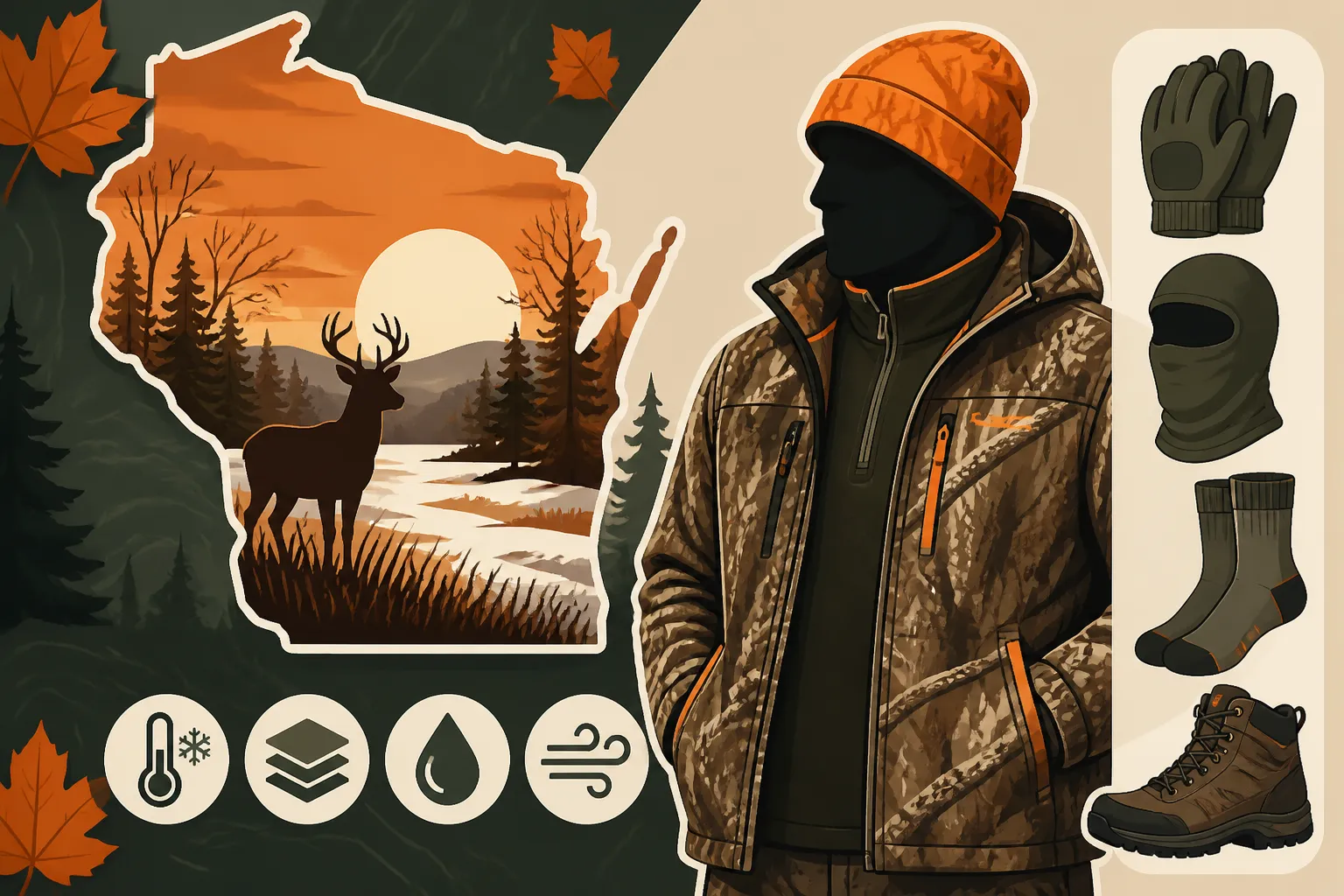
At its core, a good hunting layering system consists of three main components, each with a distinct job:
- The Base Layer: This is your "second skin." Its primary job is to wick moisture away from your body. It should fit snugly against your skin to be most effective. Materials like merino wool or synthetic fabrics are excellent choices here because they excel at moisture transfer. You can read more about the differences in Wool Versus Synthetics in Wet Snow.
- The Mid Layer: This is your insulation powerhouse. Its job is to trap warm air and provide the bulk of your warmth. Fleece, down, or synthetic puffy jackets are common mid-layer materials. The thickness and number of mid-layers will depend entirely on the temperature and your activity level.
- The Outer Layer: This is your shield against the external elements. It needs to be windproof, water-resistant (or fully waterproof), and durable. Its job is to keep wind, rain, and snow out while allowing internal moisture (vapor) to escape. Stealth is also a factor, so quiet fabrics are often preferred.
By understanding these roles, you can mix and match to create the perfect setup for any given November day.
Adapting Your Layers to Activity Levels
This is where many hunters go wrong. They dress for the sit, then get overheated on the walk-in, soaking their base layers in sweat. Or they dress for the hike, then freeze when they stop moving. The key is to think about your activity. If you're walking a mile into a remote stand, carrying your gear, you'll generate a lot of body heat. Consider starting with fewer layers, perhaps even carrying your mid and outer layers in your pack until you get close to your spot. Once you're nearing your stand, or after you've climbed up, then put on your insulating and protective layers. The reverse is true if you're doing a Deer Drives With Three or Four Hunters; you might shed layers for the active pushing, then quickly put them back on if you're standing on a cold post. Constantly adjusting is the mark of an experienced, comfortable hunter.
Base Layers: The Foundation of Warmth
Your base layer is arguably the most critical part of your cold-weather clothing system. It's the layer right against your skin, and its performance directly impacts your comfort and safety. Skimping here is a rookie mistake that can lead to a miserable hunt.
Moisture-Wicking Marvels: Synthetics vs. Merino Wool
When it comes to base layers, you've got two main contenders: synthetics (like polyester) and merino wool. Both are fantastic at their primary job of wicking moisture away from your skin, but they have different characteristics.
- Synthetics: These are often quicker drying, generally more durable, and usually less expensive. They're great for high-output activities where you expect to sweat a lot, as they pull moisture rapidly off the skin and push it to the next layer. The downside is that they can develop odors more quickly, though many brands now incorporate antimicrobial treatments.
- Merino Wool: Ah, merino. It's a favorite for a reason. Merino wool excels at warmth-to-weight ratio, is incredibly soft (not itchy like traditional wool), and perhaps its best quality for hunters: it's naturally odor-resistant. You can wear merino for days, even weeks, without it smelling offensive, which is a huge advantage on longer hunting trips or when laundry facilities are scarce. It also retains a lot of its insulating properties even when damp, which is a huge bonus if you get caught in a drizzle or sweat a bit. The trade-off is often a higher price point and slightly longer drying time compared to synthetics.
For Wisconsin November hunting, I personally lean towards merino wool for its warmth, comfort, and odor control. However, a good quality synthetic is still a strong performer. I might even use a combination, perhaps a synthetic top for super-high activity, and merino bottoms. You can explore a variety of options for Base Layers for a Wisconsin November to find what suits your needs.
Fit and Function: Snug But Not Restrictive
Your base layer needs to fit snugly against your skin to be effective. This isn't about looking good; it's about maximizing surface area contact to wick away moisture. If it's too loose, there will be air gaps between the fabric and your skin, reducing its wicking efficiency. However, "snug" doesn't mean "constricting." You should still have a full range of motion without feeling like you're being squeezed. For example, when you raise your arms, the top shouldn't pull out from your pants. A good fit ensures the fabric can do its job without bunching up uncomfortably under subsequent layers. Remember, the goal is to keep your skin dry, and a proper fit is essential for that.
Managing Odor and Hygiene in the Field
Let's face it, we all get a little ripe after a few days in the woods, especially if we're working hard. For hunters, odor control isn't just about being polite; it's about not spooking game. As mentioned, merino wool is a champion in this department, naturally resisting bacterial growth that causes odor. Synthetics, even with treatments, often benefit from a quick airing out at camp. If you're on a multi-day hunt, consider bringing two sets of base layers so you can alternate and let one air out each night. Proper hygiene, even just wiping down with scent-free wipes, can also make a big difference in both your comfort and your ability to remain undetected by a wary buck.
Mid Layers: Insulation and Versatility
Once your base layer is taking care of moisture, your mid layers step up to provide the crucial insulation that keeps you warm. This is where you really start to dial in your warmth for the specific conditions of a Wisconsin November day.
Fleece and Down: Your Warmth Core
Mid layers come in various forms, but fleece and down (or synthetic down alternatives) are the most popular and effective.
- Fleece: Lightweight, breathable, and relatively inexpensive, fleece is a fantastic mid-layer choice. It comes in different weights (100, 200, 300-weight) to offer varying degrees of warmth. Fleece performs well even when slightly damp, making it a reliable choice for active hunting. Its open structure makes it breathable, which is good for moisture management, but it's not windproof, so it always needs an outer shell in breezy conditions.
- Down and Synthetic Puffy Jackets: These offer the best warmth-to-weight ratio. Down is incredibly warm, compressible, and lightweight, but its insulating properties are severely compromised when wet. Synthetic puffy jackets (filled with synthetic insulation like Primaloft or Thinsulate) are a great alternative; they still provide excellent warmth and compressibility but retain their insulating power even if they get damp. This resilience in wet conditions makes synthetic insulation a very popular choice for serious hunters in a place like Wisconsin.
Many hunters use a combination: a lighter fleece over their base layer for moderate activity, and then add a puffy vest or jacket on top of that when they get to their stand and the temperatures drop. This allows for excellent thermal regulation.
Layering for Different Temperatures
The beauty of mid layers is their adaptability. On a milder November day, a single 100 or 200-weight fleece jacket might be all you need over your base layer before your outer shell. As temperatures plummet, you might add a thicker fleece or a synthetic puffy jacket. For extreme cold, you might even wear multiple mid-layers – a thin fleece, then a puffy vest, then a thicker puffy jacket.
Consider the temperature ranges:
- 30s-40s F (mild for November): Light base, 100-200 weight fleece.
- 20s-30s F: Medium weight base, 200-300 weight fleece, or a light synthetic puffy.
- Teens-20s F (and colder): Heavy base, 300-weight fleece, and a synthetic puffy jacket, possibly even a vest.
This modular approach ensures you can always find the right level of warmth without overheating or being underdressed. Using a resource like GoHunt's gear guides can help you compare different insulation types and brands for your specific needs.
Insulated Vests for Core Warmth
Don't overlook the humble vest! An insulated vest, either fleece, down, or synthetic, is a fantastic mid-layer tool, especially for active hunters. It keeps your core warm without adding bulk to your arms, which can restrict movement for shooting or hiking. It's also an easy layer to add or remove quickly if you're transitioning from walking to sitting. I often carry a lightweight puffy vest in my pack and throw it on as soon as I settle into my stand. It provides an instant boost of warmth to my torso, which is vital for maintaining overall body temperature. Plus, it's great for adding warmth over an outer shell if you're just sitting and it gets unexpectedly cold, without having to completely rearrange your entire layering system.
Outer Layers: Protection Against the Elements
Your outer layer is your first and last line of defense against Wisconsin's challenging November weather. It needs to be tough, protective, and functional, especially when you're facing wind, rain, or snow.
Waterproof and Windproof Shells
This is where your investment really pays off. A good outer layer must be:
- Windproof: Even if it's not raining, a relentless wind will strip your body heat away. A good outer shell creates a barrier, trapping the warm air within your mid-layers.
- Waterproof/Water-Resistant: For those wet snows and cold rains, you absolutely need a shell that can shed water. Look for jackets and pants with DWR (Durable Water Repellent) finishes and waterproof membranes (like Gore-Tex or similar proprietary technologies). Remember, "water-resistant" is not the same as "waterproof." If you anticipate heavy, prolonged precipitation, go for full waterproof.
Many modern hunting outer layers are designed with "soft shell" technology, offering a good balance of wind resistance, water resistance, and breathability, often with a fleece lining for a bit of insulation. For truly foul weather, a "hard shell" made of robust waterproof-breathable material is essential. These materials are also vital for keeping you dry if you end up Tracking a Deer in Wisconsin Snow for an extended period.
Quiet Fabrics for Close Encounters
Here's the rub for hunters: many highly waterproof and durable fabrics tend to be noisy. Think about trying to draw your bow or raise your rifle when your jacket sounds like crinkling potato chips. Modern hunting apparel companies have made huge strides in creating outer layers that are both protective and quiet. Look for fabrics that are brushed, fleece-lined, or specially treated to reduce noise. Soft shell materials tend to be quieter than hard shells. When you're making your selection, don't just feel the fabric; try moving in it, raising your arms, and simulating a shooting motion in a quiet environment. This will give you a real sense of how much noise it makes. Especially in dense Wisconsin timber, quiet movement is paramount.
Strategic Ventilation for Active Hunting
Even with the best moisture-wicking base layers and breathable mid-layers, you can still overheat inside a robust outer shell, especially during a strenuous hike or when the sun pops out. This is where strategic ventilation becomes key. Look for outer jackets and pants with:
- Pit Zips: Zippered openings under the armpits allow you to dump heat quickly without fully opening your jacket to the elements.
- Leg Zips: Zippers on the side of the pants allow for ventilation and make it easier to put on or take off layers over boots.
- Adjustable Cuffs and Hems: These allow you to fine-tune airflow. Loosening cuffs can help vent heat, while cinching them down traps warmth.
These small features make a huge difference in regulating your body temperature and preventing that clammy feeling that leads to being cold later on. For example, if you're taking advantage of the Opening Weekend Tactics in Wisconsin which often involves more movement, good ventilation is a must.
Head, Hands, and Feet: Critical Extremities
Many hunters focus so much on their core that they forget about their extremities. This is a huge mistake. Your head, hands, and feet are crucial for comfort, performance, and preventing conditions like frostbite. They also shed a disproportionate amount of heat if not properly covered.
Headwear: Protecting Your Biggest Heat Loser
It's an old adage, but a true one: you lose a significant amount of heat through your head. A good hat is absolutely essential for November hunting.
- Beanie/Stocking Cap: For milder cold, a warm wool or fleece beanie is usually sufficient. It should cover your ears entirely.
- Balaclava: When the wind bites and temperatures plummet, a balaclava provides full head and neck coverage, leaving only your eyes exposed. This is critical for protecting exposed skin from windburn and frostbite. Some are thin enough to wear under a thicker hat.
- Hats with Ear Flaps: These offer extra protection for your ears, which are very susceptible to cold.
Choose headwear that's warm, quiet, and fits well under any hoods on your outer layers. And of course, don't forget the blaze orange or pink requirements for visibility!
Hand Protection: Dexterity vs. Warmth
This is often the trickiest part of cold-weather hunting. You need to keep your hands warm, but you also need dexterity to operate your firearm, bow, calls, and other gear.
- Layering for Hands: Many hunters use a thin, close-fitting liner glove (like merino wool or thin synthetic) for dexterity, which they can wear when manipulating gear. Over this, they wear a thicker, warmer glove or a convertible mitten (mitten with a flap that exposes fingers).
- Muff/Hand Warmer: For sitting stationary on stand, a hand muff with chemical hand warmers inside is a game-changer. You can slip your hands in and out, keeping them toasty warm while allowing you to wear lighter gloves for better dexterity when needed. This is particularly effective during a Cold Weather Sitting Strategy.
- Material Choice: Look for waterproof/windproof outer gloves, and insulated inner layers. Again, wool or fleece liners are excellent.
It’s a balancing act, and you might need different solutions depending on whether you're actively moving or sitting for hours.
Footwear: Keeping Your Soles Warm and Dry
Cold, wet feet are a fast track to misery and can end a hunt prematurely. Your boots and socks are paramount.
- Insulated, Waterproof Boots: This is non-negotiable for Wisconsin in November. Look for boots with at least 400-800 grams of insulation for stand hunting, and ensure they are genuinely waterproof. For extreme cold, 1000g+ might be necessary, especially if you have poor circulation in your feet. Proper fit is crucial; too tight, and circulation is restricted, making your feet colder. Too loose, and you get blisters. For navigating swamps and wet areas, good quality rubber boots like those discussed in Boots for Wisconsin Swamps and Snow are often a go-to.
- Socks: Just like base layers, proper socks wick moisture. Merino wool socks are highly recommended, as they offer warmth, cushioning, and moisture management, even when damp. Avoid cotton socks at all costs – once wet, they lose all insulating properties and take ages to dry, leading to cold, clammy feet. Many hunters use a thin liner sock under a thicker wool sock to further enhance wicking and reduce friction.
- Boot Warmers/Footbeds: Chemical foot warmers or battery-heated socks/insoles can provide an extra boost of warmth for long, cold sits, allowing you to endure those brutally cold November days. Paired with Insulated Boots for All-Day Sits, you can greatly extend your time in the field.
Blaze Orange and Pink: Safety and Compliance
Beyond warmth and dryness, visibility is a critical component of your November hunting clothing, mandated by Wisconsin law for safety. Ignoring these rules is not only illegal but dangerous.
Wisconsin's Legal Requirements
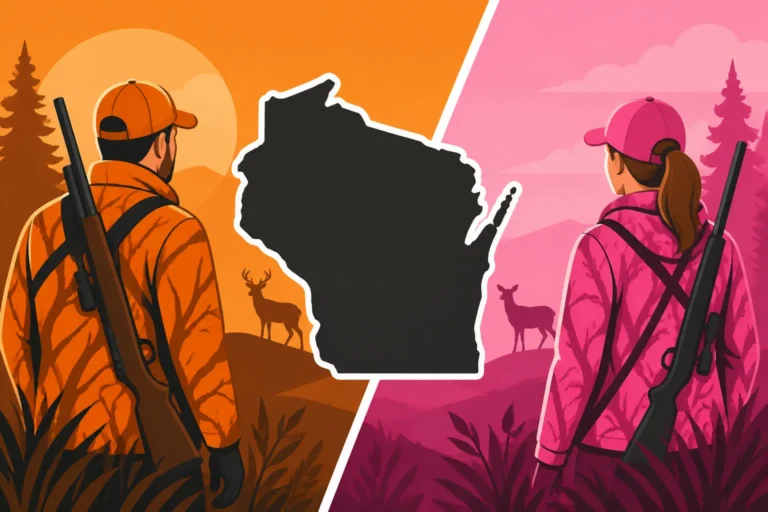
Wisconsin has clear regulations regarding blaze orange or fluorescent pink clothing during specific hunting seasons, primarily during any gun deer season. Generally, during the Wisconsin's Nine-Day Gun Deer Season, hunters are required to wear at least 50% blaze orange or fluorescent pink on their outer clothing above the waist. This includes a hat, but also often means a vest or jacket. The purpose is simple: to make hunters highly visible to other hunters, reducing the risk of accidental shootings. Always check the current regulations published by the Wisconsin DNR, as rules can sometimes be updated. Even outside of mandatory periods, wearing some high-visibility color is a smart safety practice.
Choosing High-Visibility Gear
Blaze orange is the traditional choice, but fluorescent pink is also legal in Wisconsin and gaining popularity, particularly among women hunters. Both colors are incredibly effective at standing out against natural backgrounds.
- Vests and Jackets: Many hunters opt for a blaze orange or pink vest that can be worn over their regular hunting jacket, providing flexibility. Others choose outer jackets that incorporate the required high-visibility color directly into the design.
- Hats: A blaze orange or pink hat is an easy way to meet part of the requirement and is essential for head safety.
When choosing gear, ensure the color is vibrant and clean; faded or dirty orange/pink is less effective. Some hunters find that solid panels of orange/pink are more visible than camouflage patterns with small orange/pink accents. Prioritize being seen by other hunters.
Practical Tips for Staying Visible
While meeting the minimum requirements is important, thinking about how you are perceived by others in the field can go even further.
- Front and Back Coverage: Ensure your high-visibility clothing is visible from all angles. A vest is often excellent for this.
- Consider Your Position: If you're sitting in a ground blind, ensure enough of your orange or pink is visible from outside the blind. Similarly, in a treestand, make sure branches aren't completely obscuring your high-visibility clothing.
- Don't Obscure Yourself: Avoid wearing other gear (like a large backpack or carrying a treestand) that completely covers your required blaze orange or pink.
- Fluorescent Pink: For those interested in alternatives, Blaze Pink Gear and Where to Find It provides more details on this increasingly popular choice.
Remember, the goal is to prevent accidents. Make yourself as obvious as possible to other humans while still minimizing your detection by game animals (who see color differently than humans do anyway).
Specialized Gear and Accessories
While the core layering system covers the basics, a few specialized items and accessories can significantly enhance your comfort, safety, and effectiveness during a Wisconsin November hunt.
Cold Weather Sitting Strategy
Sitting still for hours in freezing temperatures is perhaps the biggest clothing challenge. Your body generates almost no heat, and you're at the mercy of the elements.
- Insulated Outer Shells: For pure sitting, a heavily insulated, windproof, and waterproof outer jacket and bibs/pants are often preferred over a lightweight shell with multiple mid-layers. The extra loft provides superior warmth.
- Heated Vests/Pads: Battery-heated vests, seat pads, or hand muffs can provide critical warmth when you're stationary. They're an investment, but many swear by them for extending their time on stand.
- Extra Insulating Layers for the Pack: Always carry an extra puffy jacket or a pair of insulated pants in your pack. If you get cold, or if conditions worsen, you have a bailout layer. This is part of a good Cold Weather Sitting Strategy.
- Wind Blocking: Setting up your stand or blind to block prevailing winds can make a huge difference, even with the best clothing.
Packs for Day Hunts and Gear Management
Your pack isn't just for carrying snacks; it's an integral part of your clothing strategy.
- Proper Sizing: For a day hunt, a 20-40 liter pack is usually sufficient to carry extra layers, water, snacks, and essential gear. A pack that is too large is cumbersome; too small, and you'll be stuffing things.
- Accessibility: Choose a pack with easily accessible pockets for layers you might want to shed or add quickly.
- Comfort: A comfortable pack ensures you can carry your layers without fatigue. Look for good shoulder straps, a padded back panel, and a waist belt.
- Compression Straps: These are useful for cinching down unused layers so they don't bounce around or take up too much space. You can find more advice on selecting Packs for a Day on Public Land.
Remember, the ability to shed and add layers efficiently from your pack is key to regulating your temperature throughout the hunt.
Emergency Essentials for Deep Woods
No matter how well you dress, things can go wrong. A sprained ankle, an unexpected overnight stay, or a sudden change in weather can turn a hunt dangerous. Always carry emergency essentials, even for a "short" hunt.
- Fire Starting Kit: Waterproof matches, a lighter, or a ferro rod.
- Shelter: A lightweight emergency bivy or space blanket.
- Navigation: A reliable GPS (like a GoHunt app on your phone with downloaded maps, or a dedicated GPS unit) and a physical compass with a map. Cell service can be spotty in many Wisconsin hunting areas, especially in the northern forests or deep coulees.
- First Aid Kit: For minor injuries.
- Signaling Device: A whistle to alert others.
- Extra Warmth: A space blanket or hand warmers.
These items, along with a charged phone and knowing how to use them, are crucial for your safety, especially when you're exploring Where Northern Forest Bucks Bed or traversing steep Entry Routes on Steep Driftless Ground far from the nearest road. Always tell someone where you're going and when you expect to return.
Summary Table: Layering for Wisconsin November
To help visualize a typical layering strategy, here's a general guide for varying November conditions. Remember, individual comfort levels vary!
| Layer Type | Milder November Day (35-50°F) | Cold November Day (20-35°F) | Brutal November Day (Below 20°F + Wind) |
|---|---|---|---|
| Base Layer | Lightweight Merino/Synthetic (150-200g) | Midweight Merino/Synthetic (250-300g) | Heavyweight Merino/Synthetic (300g+) |
| Mid Layer 1 | Light Fleece (100-weight) | Mid-weight Fleece (200-weight) or Light Puffy Jacket | Heavy Fleece (300-weight) or Medium Puffy Jacket |
| Mid Layer 2 | (Optional) Puffy Vest for sitting | (Optional) Puffy Vest/Jacket for stationary periods | Heavy Puffy Jacket (Down/Synthetic) for deep cold |
| Outer Layer | Wind/Water Resistant Soft Shell Jacket & Pants | Insulated, Windproof/Waterproof Soft or Hard Shell | Heavily Insulated, Windproof/Waterproof Hard Shell |
| Headwear | Beanie | Warm Beanie / Light Balaclava | Thick Balaclava + Insulated Hat |
| Handwear | Liner Gloves or light shooting gloves | Liner Gloves + Insulated Gloves/Convertible Mittens | Thick Insulated Mittens + Hand Muff w/ warmers |
| Footwear | Insulated (400g) Waterproof Boots + Wool Socks | Insulated (800g+) Waterproof Boots + Thick Wool Socks | Heavily Insulated (1000g+) Boots + Heated Socks/Insoles |
This article is for general informational purposes only and does not constitute professional advice. Laws, prices and regulations vary by location and change over time. Consult a qualified professional for guidance on your specific situation.