Brush Pants for Wisconsin Alder
Pushing through dense Wisconsin cover can feel like a wrestling match with nature. From the tangled, thorny grasp of alder thickets to the relentless snags of briar patches and young aspen regeneration, your everyday hunting pants simply don't stand a chance. This comprehensive guide will walk you through why specialized brush pants are a non-negotiable piece of gear for any serious Wisconsin hunter, detailing the features that matter, how to choose the right pair, and how to integrate them into your hunting system to stay comfortable, protected, and effective in the field.
The Wisconsin Alder Challenge
If you've ever spent a chilly autumn morning trying to push through a thick alder swamp in pursuit of grouse or woodcock, you know the unique misery it brings. Your regular hunting pants, no matter how tough you thought they were, quickly become a tattered mess of rips, snags, and soaking wet fabric. This isn't just about minor discomfort; it's about ruined hunts, scraped legs, and the frustration of equipment failure when you should be focused on the game.
Why Alder is So Tough on Gear
The dense, intricate network of alder branches isn't just a physical barrier; it's an abrasive gauntlet designed to tear apart anything less than purpose-built gear. These thickets, often found along waterways and in low-lying areas, hold moisture, meaning you're frequently pushing through wet, cold vegetation. The smaller branches act like tiny, relentless claws, constantly snagging fabric, while the thicker stems create points of intense friction that quickly wear down even durable outdoor pants. Add in the occasional hidden thorn bush or a patch of wild raspberry canes, and you have a recipe for destruction.
Normal pants, even those marketed as "durable," are simply not constructed to handle this level of continuous abuse. A single season, or even a few hard hunts, can leave them riddled with tears, especially around the knees and shins, which bear the brunt of the abuse. Beyond the physical damage, the constant wetness from dew, frost, or light rain saturates lighter fabrics, chilling you to the bone and sapping your energy. The primary goal of specialized brush pants is to create a shield against this onslaught, keeping you drier, warmer, and intact.
This constant battle with the brush applies whether you're stalking whitetails moving quietly through escape cover, or more commonly, Grouse Hunting Wisconsin Aspen Cover or Woodcock Hunting Wisconsin Alder Runs. When you're pushing dense cover for upland birds, especially without a dog, you're constantly on the move, forcing your way through the thickest parts of the habitat. The repeated impact and abrasion demand pants that are designed from the ground up to endure, protecting your legs from scrapes and allowing you to focus on the flush, not your shredded trousers.
The psychological toll of fighting your gear all day is also significant. Instead of maintaining stealth and awareness, you're constantly untangling yourself, avoiding branches, or feeling the sting of a briar. True brush pants eliminate this distraction, allowing you to move more confidently and aggressively through prime hunting areas. They are an investment in both your comfort and your hunting effectiveness, turning a miserable slog into a productive pursuit.
Beyond Alder: Other Wisconsin Cover Types
While alder thickets are notorious, they are far from the only challenging vegetation you'll encounter in Wisconsin's diverse hunting landscapes. Consider the aggressive briar patches that often grow along field edges in farm country or within the rolling hills of the Driftless Area Deer Hunting in Wisconsin. These thorny fortresses can rip through denim or canvas like tissue paper, leaving painful scratches and drawing blood. Multiflora rose, an invasive species, creates impenetrable tangles that are equally, if not more, destructive to clothing. Pushing through these requires the same level of protection that alder demands.
Then there are the dense conifer swamps and young conifer plantations, especially prevalent in the northern and central parts of the state. These areas are often a preferred bedding and escape cover for deer, but navigating the tightly packed, stiff pine and spruce branches is a constant battle against snags and pokes. The needles, while not as sharp as thorns, can be irritating and accumulate in regular fabrics. Similar challenges arise in early successional habitats like Hunting Wisconsin Clearcuts and Aspen Cuts, where dense saplings and regenerating brush create thick, grabby environments that put any pant material to the test.
Swamp bottoms, whether they contain alder, willow, or other water-loving shrubs, present a dual challenge of abrasion and constant dampness. Even if it hasn't rained, the ground can be boggy, and the vegetation is perpetually wet with dew or trapped moisture. The combination of tearing, snagging, and soaking makes these areas particularly brutal on standard hunting apparel. Effective brush pants need to not only repel tears but also manage moisture to keep you comfortable through long hours in these soggy environments.
The cumulative effect of hunting through these varied and abrasive cover types throughout the long Wisconsin hunting season cannot be overstated. From the early archery season in September to the late-season deer hunts in December, your pants will face everything from dry, abrasive brush to soaking wet, frozen tangles. Investing in a high-quality pair of brush pants means you're prepared for whatever habitat you enter, ensuring your lower half stays protected, allowing you to focus on the hunt itself rather than the beating your clothing is taking.
Key Features of Effective Brush Pants
Choosing the right pair of brush pants isn't just about picking the heaviest material you can find. It's a careful balance of material science, construction techniques, and ergonomic design, all aimed at providing maximum protection without sacrificing comfort or mobility. The best brush pants feel like a natural extension of your hunting kit, not a burdensome suit of armor.
Material and Construction: What Withstands the Abuse
The heart of any good pair of brush pants lies in its materials and how they're put together. You'll often hear terms like Cordura, heavy canvas, and rugged nylon blends, and for good reason. These fabrics are engineered for exceptional abrasion and tear resistance, properties that are absolutely crucial when you're constantly rubbing against rough bark, pushing through thorny bushes, or sliding over fallen logs. A common mistake is assuming "heavy cotton" is enough; while durable for some tasks, it often lacks the inherent tear strength and quick-drying properties of modern synthetics.
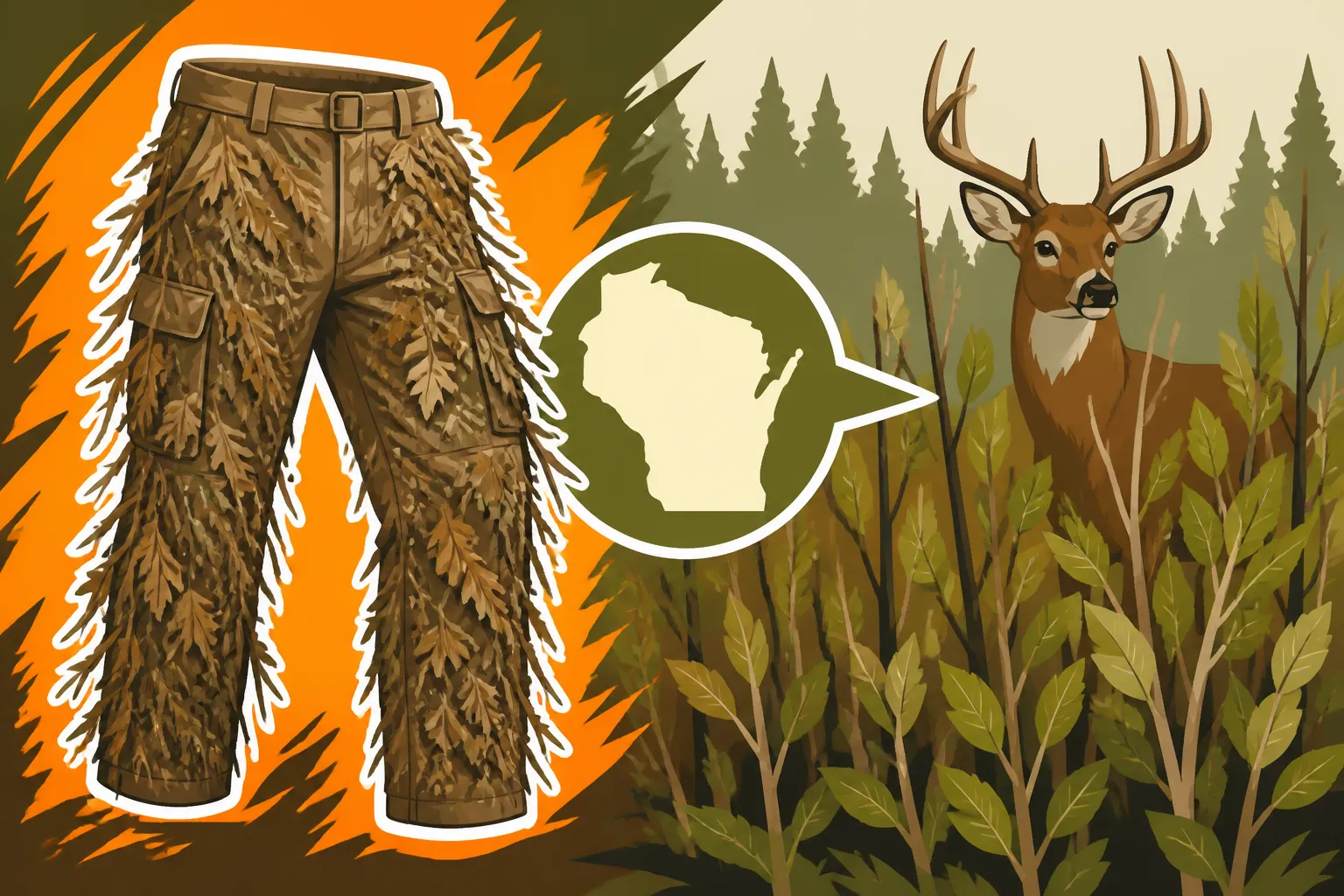
Look specifically for pants that feature double-front construction, often referred to as "chap-style" or "double-knee." This means an extra layer of durable fabric stitched over the entire front of the thigh and knee area, sometimes extending down to the ankle. This additional layer provides critical protection where it's needed most, acting as a sacrificial barrier against thorns and friction. Some designs even incorporate pockets for removable knee pads, which can be a game-changer for comfort when kneeling to set up a blind or field dress an animal. The stitching on these double layers should be robust, often triple-stitched, to prevent separation under stress.
Beyond the main fabric, pay close attention to the overall construction. Stress points, such as the crotch, belt loops, and pocket openings, should be reinforced with bar-tacks (small, dense stitching patterns) to prevent blowouts. Gusseted crotches are another feature that significantly enhances mobility, especially when stepping over obstacles, climbing into a stand, or scrambling up a steep bank in a coulee. Without a gusset, the crotch seam is a common failure point, prone to ripping when put under strain.
Finally, consider the nature of the fabric itself. While extreme waterproofing might seem appealing, it often comes at the cost of breathability, leading to a sweaty, uncomfortable experience. Instead, look for fabrics that have a tight weave and perhaps a Durable Water Repellent (DWR) coating. This combination allows them to shed light rain and dew effectively, preventing them from soaking through quickly, while still allowing moisture vapor from your body to escape. This balance is key to staying comfortable during varied activity levels throughout a day in the Wisconsin woods.
Mobility and Comfort for All-Day Wear
It’s easy to assume that maximum durability means sacrificing comfort and mobility, but modern brush pants have come a long way in bridging this gap. While some older, ultra-heavy designs could feel like wearing cardboard, today's options integrate thoughtful design elements that allow for agile movement, which is critical whether you're still-hunting deer or actively pursuing upland birds. The goal is to provide robust protection without making you feel like you're fighting your own clothing.
Articulated knees are a prime example of this innovation. Instead of a flat, straight seam across the knee, articulated designs have a subtle bend or dart in the fabric that mirrors the natural curve of your leg. This reduces fabric bunching behind the knee when you bend or crouch, preventing irritation and allowing a full range of motion. For hunters who spend a lot of time on their knees, perhaps while setting up a ground blind or traversing steep terrain, this feature is invaluable. It’s also important when considering options for Hanging a Stand in a Wisconsin Coulee where movement can be restricted.
Stretch panels, often made from a flexible softshell material, are increasingly common in key areas like the crotch, seat, or behind the knees. These panels expand and contract with your movements, preventing the pants from binding or pulling tight in critical areas. This is especially beneficial for dynamic activities like hiking steep inclines, stepping over large logs, or making quick movements to get a shot off. When you're Flushing Grouse Without a Dog and constantly moving through thick cover, unimpeded movement is paramount to success and preventing fatigue.
Breathability is another often-overlooked aspect of comfort. While you want tough fabric on the outside, a lack of ventilation can lead to excessive sweating, which, paradoxically, can make you colder when you stop moving. Look for fabrics that, despite their ruggedness, still offer some degree of air permeability, or designs that incorporate mesh-lined vents (though these are less common in heavy brush pants due to the need for continuous protection). The weight of the fabric will also play a role; lighter but still highly durable synthetic blends can offer better breathability than extremely heavy cotton canvas.
Finally, the overall fit of the pants plays a significant role in comfort. Brush pants shouldn't be excessively baggy, as extra fabric can snag more easily and feel cumbersome. Conversely, they shouldn't be too tight, which can restrict movement and cause chafing. A comfortable, athletic fit that allows for layering underneath while still maintaining a streamlined profile is ideal. Many manufacturers now offer different fits, so paying attention to sizing guides and customer reviews, perhaps by checking out resources like GoHunt, can help you find a pair that suits your body type and intended use.
Practical Considerations and Brand Insights
Beyond the core features of material and construction, there are several practical considerations that can make or break your experience with brush pants in the Wisconsin wilds. These often come down to balancing different performance aspects and choosing features that align with your specific hunting style and local conditions.
Water Resistance vs. Waterproofing
This is a common point of confusion for hunters. Many assume "waterproof" is always best, but for most brush-busting scenarios in Wisconsin, it's a nuanced discussion. The reality of walking through damp woods, especially early mornings with heavy dew or light mist, means your pants will get wet. The question is how they handle that moisture and how quickly they recover.
Water-resistant brush pants, typically made from tightly woven synthetic fabrics with a Durable Water Repellent (DWR) coating, are often the preferred choice for active hunters. They shed light moisture effectively, preventing immediate saturation, and more importantly, they dry out much faster than fully waterproof garments. This quick-drying capability is a huge advantage when you're exerting yourself, as sweat and external moisture can evaporate, keeping you from feeling clammy and cold. For chasing upland birds through Woodcock Hunting Wisconsin Alder Runs or Grouse Hunting Wisconsin Aspen Cover, where you’re constantly moving, breathability and quick-drying comfort often outweigh absolute waterproofness.
Fully waterproof pants, on the other hand, employ membranes (like Gore-Tex or similar technologies) to create an impermeable barrier. While excellent for sitting in a treestand during a downpour or wading through standing water, this impermeability can come at the cost of breathability. When you're actively hiking or busting brush, waterproof pants can quickly become an internal sauna, trapping sweat and moisture inside. This internal dampness can be just as uncomfortable and chilling as external wetness, especially during colder hunts. For deer hunters who might be sitting for extended periods, a waterproof outer layer might be ideal, but for the active pursuit of small game, it's often overkill and can hinder performance.
The ideal scenario for many Wisconsin hunters involves brush pants that offer excellent water resistance combined with good breathability. They will keep you dry through wet brush, shed light rain, and, if they do get wet from a heavy downpour, will dry relatively quickly once the rain stops. For extreme conditions, such as all-day heavy rain or wading deep through sloughs, waterproof gaiters worn over water-resistant brush pants can be a highly effective compromise, protecting your lower legs and boots without sacrificing the breathability of your entire pant.
Fit, Features, and Choosing the Right Pair
Selecting the perfect pair of brush pants goes beyond just material; it involves considering the smaller details that contribute to overall function and comfort. The fit, as mentioned earlier, is paramount. Before you buy, think about your typical layering system. Will you be wearing a thick base layer underneath for Muzzleloader Tactics in December Cold? Ensure there's enough room without the pants being overly baggy. Trying them on with your preferred hunting boots is also a smart move to check length and how they sit around the ankle.
Pocket design, while seemingly minor, can greatly impact convenience in the field. Look for deep, secure pockets that can hold essentials like calls, a compass, or even an extra shell or two without fear of them falling out when you're bending or crawling. Cargo pockets with secure closures (zippers or heavy-duty snaps) are excellent for bulkier items. Some pants even incorporate a specific knife pocket or a loop for attaching gear. Avoid overly fussy designs with too many shallow pockets that are prone to snagging or losing contents.
Robust belt loops are essential, especially if you carry a heavy belt or attach gear to it. They should be wide and securely stitched. Another feature to consider, particularly for those who hunt in very dense cover or often kneel, are integrated knee pad pockets. These allow you to insert thin, flexible knee pads, providing cushioning and protecting your knees from sharp rocks or thorns when you drop down for a better shot or to glass an area.
When researching options, don't just rely on marketing claims. Look for detailed product descriptions and, crucially, read reviews from other hunters. Platforms like GoHunt often feature user reviews and detailed product specifications that can provide real-world insights into how different brands and models perform in various conditions. This kind of objective feedback can guide you toward options that have proven their worth in tough terrain, much like what you'd find in Wisconsin. Consider your budget, too; while quality brush pants are an investment, there are excellent options across a range of price points.
Care and Maintenance for Longevity
Your brush pants are going to take a beating, and proper care is crucial to extending their lifespan and ensuring they perform season after season. Simply tossing them in with your regular laundry without thought can degrade their performance, reduce their water resistance, and shorten their life. Think of them as a specialized tool that requires specific maintenance.
First, always check the manufacturer's care tag. Most modern synthetic brush pants will recommend washing in cold water with a mild detergent. Avoid harsh chemicals, bleach, and especially fabric softeners. Fabric softeners can clog the pores of technical fabrics and break down DWR coatings, reducing their water-shedding capabilities. If your pants have any specific treatments, such as insect repellent impregnation, be mindful of washing instructions to preserve these features.
When it comes to drying, air drying is often the best choice for preserving fabric integrity and DWR coatings. If you must use a dryer, opt for a low heat or tumble dry setting. High heat can damage synthetic fibers, cause shrinkage, and degrade any DWR treatment. If you notice the water resistance diminishing over time, you can reapply a DWR spray or wash-in treatment, readily available from outdoor gear retailers. This is a simple step that can significantly rejuvenate the water-shedding performance of your pants.
Regular inspection is also key. After each hunting trip, give your pants a quick once-over. Check for small tears, snags, or loose stitching. Addressing these minor issues promptly can prevent them from becoming major problems. A small tear patched with a durable fabric repair kit or a few stitches from a heavy-duty needle can save a pair of pants that would otherwise be ruined by a larger rip. Don't neglect the zippers and snaps either; ensure they are clean and functional.
By dedicating a little time to proper care, your brush pants will remain a reliable part of your hunting kit for many seasons, continuing to protect you from the rigors of the Wisconsin wilderness. This mindful approach to gear maintenance ensures your investment pays off in continued comfort and performance.
Integrating Brush Pants into Your Wisconsin Hunting System
Brush pants aren't a standalone item; they are a critical component of your overall hunting attire, especially when facing Wisconsin's unpredictable weather and demanding terrain. Understanding how to layer effectively and pair them with other essential gear will significantly enhance your comfort and success in the field.
Layering for Variable Wisconsin Weather
Wisconsin weather can swing wildly, from warm, humid early fall days to frigid, snowy late-season conditions. Your brush pants need to work within a versatile layering system to keep you comfortable across this spectrum. For the early part of Bowhunting Wisconsin's Long Archery Season in September, when temperatures can still be quite warm, you might wear brush pants over just a light moisture-wicking boxer brief or a thin synthetic base layer. The key here is breathability and protection from thick, still-green vegetation that is often wet with morning dew.
As the season progresses into October and November, and especially during Hunting the Wisconsin Rut in November, temperatures drop significantly. This is when a mid-weight merino wool or synthetic base layer becomes indispensable underneath your brush pants. Merino wool offers excellent warmth-to-weight ratio and continues to insulate even when damp, while synthetic options are great for wicking moisture and drying quickly. This combination provides warmth, maintains crucial breathability, and still offers the external protection of the brush pants.
Come the late season, particularly during the Muzzleloader Tactics in December Cold or the Wisconsin Holiday Antlerless Hunt Dates, heavier base layers are a must. You might opt for expedition-weight merino or fleece-lined synthetics. Some brush pants even come with a light integrated insulation, but more often, it’s about choosing the right base layer. In extreme cold, if your brush pants aren't insulated, consider an additional insulated pant that can be worn over your base layers but under your brush pants, or a fully insulated, durable outer pant designed for cold, brushy conditions. The goal is to avoid over-layering to the point of immobility, while ensuring you have enough thermal protection for extended sits or cold treks.
| Season/Condition | Base Layer | Mid-Layer (under brush pants) | Brush Pants Type | Key Benefit |
|---|---|---|---|---|
| Early Archery (Warm) | Lightweight Wicking | (Optional) Thin Synthetic | Breathable, DWR | Protection, quick-drying |
| Mid-Season (Cool) | Mid-weight Merino/Synthetic | (Optional) Light Fleece | Standard, DWR | Warmth, abrasion resistance |
| Late Season (Cold/Snow) | Heavy-weight Merino/Synthetic | (Optional) Insulated Pant | Heavy-duty, DWR, (some insulation) | Max warmth & protection |
| Wet Conditions | Wicking Base | (Optional) Quick-dry synthetic | Water-resistant DWR | Sheds water, dries fast |
Pairing With Other Upland Gear
The effectiveness of your brush pants is amplified when paired with complementary gear, especially for upland hunting or navigating challenging deer cover. Your boots, for instance, are the direct extension of your leg protection. Tall, waterproof, and comfortable boots are paramount for Wisconsin's often-wet and rugged terrain. Whether you're choosing Boots for Walking Wisconsin Aspen Cuts or Rubber Boots for Swamp Walking, they need to integrate seamlessly with your brush pants. Ensure your pants are long enough to cover the tops of your boots, preventing debris or water from entering, and that the fabric around the ankle is durable enough to resist snagging on boot eyelets or laces. Gaiters can be a valuable addition in exceptionally wet or snowy conditions, creating a waterproof seal between your pant leg and boot.
For upland bird hunters, the synergy between brush pants and an Upland Vests With Water Capacity is crucial. Your vest should ride comfortably over the waist of your pants without bunching, and the pockets on your pants shouldn't interfere with the vest's design. The vest provides storage for shells, birds, and essentials, while the pants protect your legs through the cover where those birds are found. Together, they form a cohesive system that allows you to move efficiently and effectively through thickets.
Consider other protective elements too. Durable gloves can save your hands from thorns and abrasions, especially when pushing dense brush aside. A brimmed hat can keep rain or dew off your face and protect your head from low-hanging branches. Even though your brush pants are doing the heavy lifting, the entire ensemble should work as a unit to provide comfort and protection. Whether you're Rabbit Hunting Thick Wisconsin Brush or just making your way to a deer stand through a thorny thicket, having a cohesive gear system means you can move confidently, knowing you're well-equipped for the challenges the Wisconsin wilderness throws your way.
Disclaimer
This article is for general informational purposes only and does not constitute professional advice. Laws, prices and regulations vary by location and change over time. Consult a qualified professional for guidance on your specific situation.