Wisconsin Hunter Safety and Mentored Hunting
For many folks dreaming of their first deer hunt, or perhaps introducing a grandchild to the tradition, the sheer number of rules and requirements can feel like navigating a dense cedar swamp without a compass. It’s easy to get overwhelmed by questions about licenses, courses, and what’s allowed, making you wonder if it’s even worth the effort. This comprehensive guide is here to untangle the complexities of Wisconsin hunter safety and mentored hunting, ensuring you and your hunting companions are prepared, compliant, and most importantly, safe in the field.
Understanding Wisconsin's Hunter Safety Requirements
Let's face it, hunting isn't just about bagging game; it's about respect – respect for the animal, respect for the land, and paramount respect for safety. Wisconsin takes this seriously, and for good reason. Hunter safety courses are designed to arm you with the knowledge and skills to make every outing a safe one, protecting yourself, your fellow hunters, and the general public. It's not just a formality; it's a foundational step for anyone looking to carry a firearm or bow in the field.
Who Needs to Take Hunter Safety?
The question of "do I need hunter safety?" often hinges on your age and when you were born. It's one of those rules that can feel a bit arbitrary until you understand the history behind it. In Wisconsin, anyone born on or after January 1, 1973, must possess a valid hunter education certificate to purchase a hunting license. This includes both residents and non-residents, and it applies whether you're planning to hunt deer with a rifle, chase grouse with a shotgun, or pursue turkeys with a bow.
Now, there are a few nuances. If you're under 12 years old, you generally can't purchase a hunting license on your own, but you can participate in the state's Mentored Hunting Program, which we'll dive into shortly. If you're between 12 and 16, and haven't completed hunter safety, you can still hunt under the direct supervision of a licensed adult, but they are subject to strict rules. Once you hit 16, if you were born after that 1973 cutoff, you absolutely need that certificate in hand to get your own license. It’s a crucial detail that often catches new adult hunters off guard, so planning ahead is key. For those curious about the financial aspect, you can find detailed information on Wisconsin Hunting Licences and What They Cost to help budget for your season.
The Different Hunter Safety Course Formats
Gone are the days when your only option was a weekend crammed into a drafty school gymnasium. Wisconsin has adapted to modern learning styles, offering a few different ways to get your hunter safety certification, each with its own benefits. The goal is to make it accessible while still ensuring comprehensive learning.
First, there's the traditional in-person course. This is often a multi-day affair led by certified instructors. It’s fantastic for those who prefer hands-on learning, enjoy direct interaction, and want to ask questions in real-time. You'll cover everything from firearm handling to wildlife identification, and often get practical range time. Many experienced hunters swear by this format because it offers invaluable mentorship and community building.
Then, for those with busy schedules or who prefer to learn at their own pace, there's the online course option. This allows you to complete the bulk of the coursework from the comfort of your home. However, it’s important to understand that most online courses in Wisconsin require a mandatory "field day" component. This field day is where you demonstrate practical skills, such as safe firearm handling, shooting proficiency, and often participate in mock hunting scenarios. It’s the bridge between theoretical knowledge and real-world application. For a deeper dive into this, you might check out Taking Wisconsin Hunter Safety Online. Choosing the right format depends on your learning style and availability, but both lead to the same critical certification.
What the Hunter Safety Course Covers
It's easy to think a hunter safety course is just about "don't shoot your foot," but it's so much more. These courses are comprehensive, covering a broad spectrum of topics essential for becoming a responsible and ethical hunter. The curriculum is designed not just to prevent accidents but to foster a deeper understanding of wildlife, conservation, and your role as a steward of the land.
You'll learn the fundamentals of firearm and archery equipment safety, of course. This includes proper handling, loading, unloading, carrying, and storage. But it also delves into ammunition types, shot placement, and understanding your effective range – crucial for a clean, ethical harvest. Beyond the mechanical aspects, a significant portion of the course focuses on hunting ethics. This covers topics like fair chase, respecting private property, and understanding the importance of responsible game recovery. You'll also explore basic wildlife identification, habitat management, and the role of hunting in conservation efforts. Accident prevention, particularly concerning elevated stands and crossings, is heavily emphasized. Moreover, understanding Wisconsin-specific hunting regulations, such as Wisconsin Legal Shooting Hours and How Much Blaze Orange Wisconsin Requires, is a core component. The goal isn't just to pass a test; it's to instill a lifelong commitment to safe and ethical hunting practices.
Navigating the Mentored Hunting Program
Wisconsin's Mentored Hunting Program is truly a game-changer for getting new hunters, especially youth, into the field. It recognizes that sometimes the best way to learn is by doing, under the watchful eye of an experienced hand. It's an incredible opportunity that bridges the gap between classroom learning and real-world experience, making the path to becoming a self-sufficient hunter much smoother and safer.
The Core Principles of Mentored Hunting
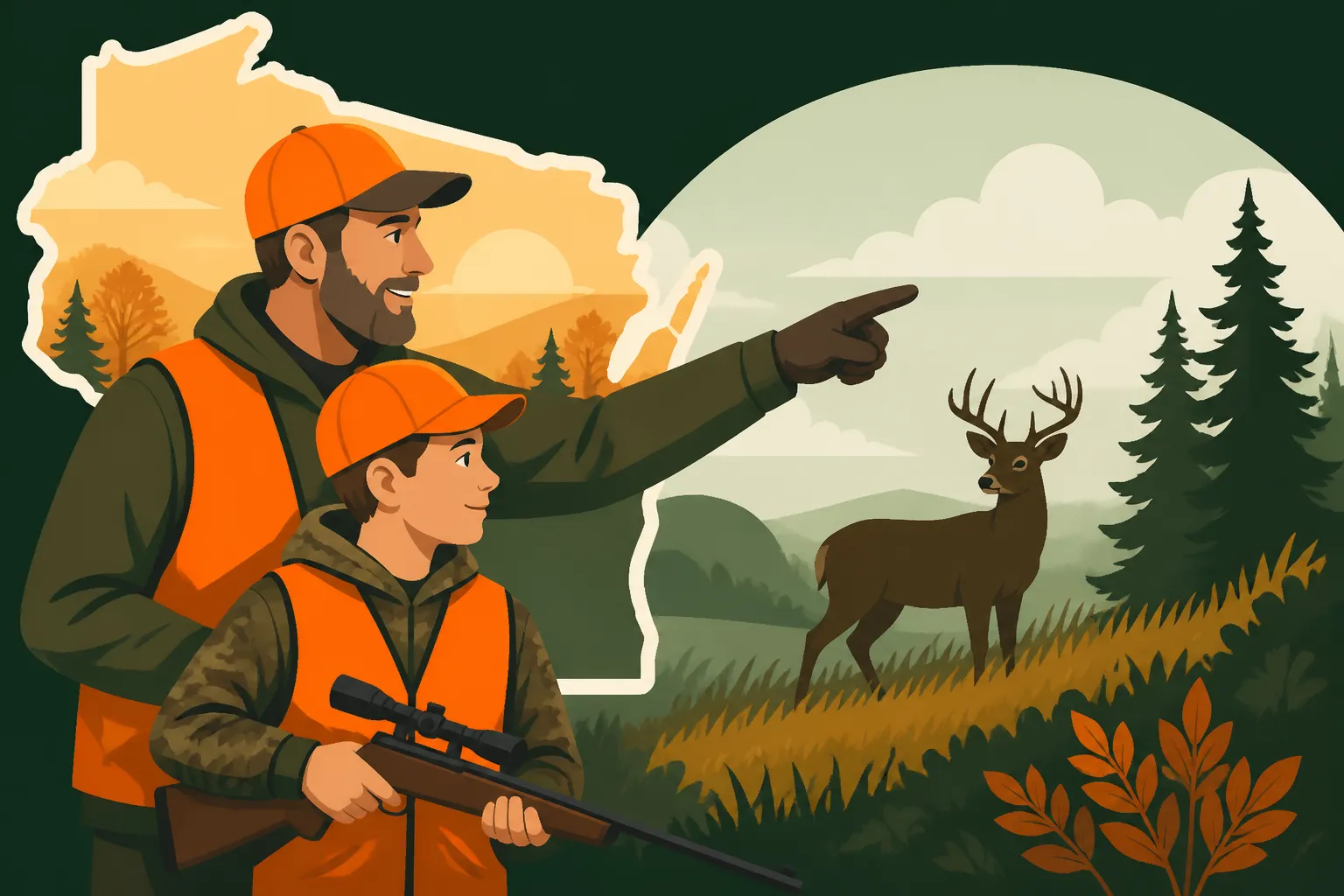
The philosophy behind Wisconsin's Mentored Hunting Program is simple yet profound: provide a direct, hands-on learning experience for aspiring hunters of all ages, even before they've completed a formal hunter safety course. The program allows individuals who have not yet completed hunter education to hunt without a safety certificate, provided they are accompanied by a licensed mentor. This isn't just about tagging along; it's about active learning and direct supervision in every aspect of the hunt.
The program aims to eliminate barriers for new participants, encouraging families and friends to share their passion for hunting. It's particularly popular for introducing young children to hunting, as it allows them to experience the woods firsthand, learning about animal behavior, tracking, and woodsmanship in a low-pressure, highly supervised environment. The mentor acts as a walking, talking safety manual, ensuring every action is taken with care and responsibility. It’s an immersive apprenticeship where safety is paramount, making it an excellent pathway for those who might otherwise find the initial requirements daunting. For specifics on how this program legally functions, you’ll want to review Wisconsin Mentored Hunting Law Rules.
Mentor Responsibilities and Requirements
Becoming a mentor in Wisconsin's program isn't something to take lightly; it comes with significant responsibilities, but also immense rewards. If you're considering being a mentor, you need to understand the commitment. First and foremost, a mentor must be at least 18 years old and possess a valid hunting license for the current season. This ensures they are legally allowed to hunt and are familiar with the current regulations.
The most critical requirement is direct, constant supervision. The mentor must remain within arm's length of the mentee at all times, including while walking, setting up, and actively hunting. This isn't just about being in the same general area; it means you can physically reach out and intervene if necessary. The mentor is solely responsible for ensuring the mentee adheres to all hunting laws and safety regulations. This level of supervision means the mentor can only accompany one mentee at a time. It’s a big ask, but it ensures the mentee receives undivided attention and immediate guidance. For a closer look at the exact distance requirements, refer to How Close a Wisconsin Mentor Must Stay. This commitment to close supervision is what makes the program so effective and safe.
Mentee Privileges and Restrictions
For the mentee, the program opens up a world of opportunity, but it also comes with clear guidelines designed to ensure their safety and learning. Mentees can be any age, even under 12, which makes it perfect for introducing very young aspiring hunters to the experience. They do not need to possess a hunter education certificate or a hunting license themselves, as they are hunting under the mentor's license and direct supervision. However, they do need to purchase the appropriate harvest authorization or tag for the animal they are pursuing, such as a deer or turkey tag.
While participating, mentees can legally carry and use a firearm or bow, provided the mentor deems them capable and safe to do so. The primary restriction, as mentioned, is that they must be within arm's length of their mentor. This close proximity isn't meant to be restrictive, but rather protective, guaranteeing immediate intervention if a safety concern arises or if the mentee needs instruction. Mentees are also subject to all other hunting regulations, such as legal shooting hours and bag limits. The idea is to give them a real hunting experience, but within a highly controlled and safe framework, allowing them to gain confidence and skills before venturing out on their own after completing hunter safety.
Key Regulations for Safe Hunting in Wisconsin
Wisconsin's hunting regulations are designed to ensure safety, promote fair chase, and manage wildlife populations responsibly. Beyond hunter safety certification, understanding and adhering to specific rules regarding visibility, timing, and equipment are absolutely crucial for every hunter who steps into the woods or fields. Ignoring these can lead to dangerous situations or costly fines.
Blaze Orange and Fluorescent Pink Rules
When you're out in the field, especially during peak seasons like the nine-day gun deer hunt, visibility is your best friend. Wisconsin has very specific requirements for wearing blaze orange or fluorescent pink, and these rules are non-negotiable for a reason: they save lives. During the gun deer season, including the muzzleloader and youth hunts, hunters must wear at least 50% blaze orange or fluorescent pink above the waist, visible from all directions. This means a hat and an outer garment, like a vest or jacket, that meets the visibility criteria.
These requirements extend to other gun seasons as well, and there are specific rules for different hunting activities. For instance, during the traditional nine-day gun deer season, even archers hunting in a gun-open area must adhere to the blaze orange/pink rule. It's about being seen, not just by other hunters, but also making yourself obvious to game wardens and emergency personnel if needed. There are minor exceptions, of course, such as waterfowl hunters in a blind, but for general upland or big game hunting, consider blaze orange or pink your uniform. If you're curious about the color choices, you can read more about Why Wisconsin Allows Fluorescent Pink as an alternative to traditional orange. It’s a simple rule, but one that could literally mean the difference between a successful hunt and a tragic accident.
Legal Shooting Hours and Why They Matter
Timing is everything in hunting, and nowhere is this more critical than understanding and abiding by legal shooting hours. In Wisconsin, legal shooting hours for deer and bear are typically from 30 minutes before sunrise to 20 minutes after sunset. For small game and turkeys, it’s usually 30 minutes before sunrise to sunset. These times are precisely calculated by the DNR based on official sunrise and sunset data, and they are published in the annual hunting regulations booklet and on the GoHunt website.
Why is this so important? Primarily, it's about ethical hunting and safety. Shooting outside of legal hours significantly increases the risk of misidentification, poor shot placement, and accidents. In low light, distinguishing between legal game and other animals (or even people) becomes incredibly difficult. It also gives game a fair chance, preventing hunters from exploiting extreme low-light conditions where visibility is severely compromised. Sticking strictly to these hours ensures you have enough light to clearly identify your target, ensure a safe backdrop, and make an ethical shot. Misjudging the time, even by a few minutes, can result in significant penalties, so always check the official shooting hours for your specific date and location.
General Firearm and Archery Equipment Rules
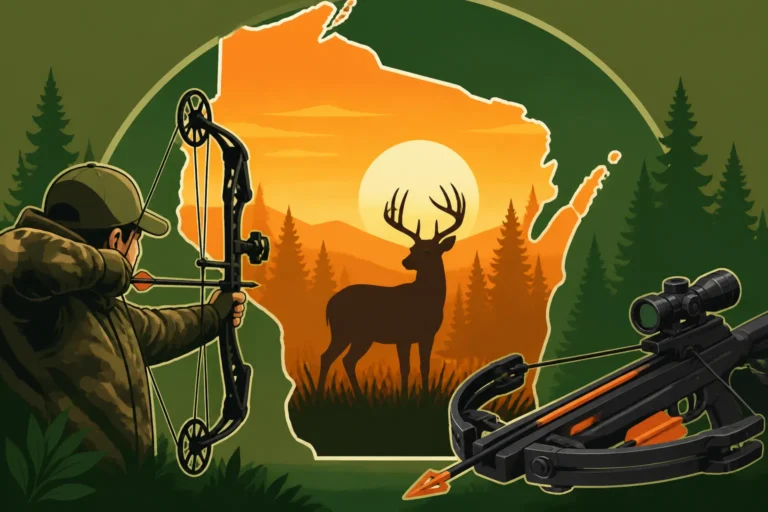
Wisconsin has a clear set of rules regarding the firearms and archery equipment you can use for various game species. These aren't just arbitrary restrictions; they're in place to ensure ethical kills, promote safety, and maintain fair chase principles. For deer hunting, centerfire rifles are generally allowed statewide, with the notable exception of specific shotgun-only zones, typically in more populated areas where projectile range is a concern. You can also use shotguns with slugs, muzzleloaders, handguns, and of course, traditional bows and crossbows. Understanding Legal Firearms for Wisconsin Deer is key before heading afield.
When it comes to archery, there are minimum draw weight requirements for bows to ensure sufficient kinetic energy for a humane kill. Crossbows are permitted during the entire archery season, and you don't need a separate license for them beyond your standard archery license. For smaller game, shotguns are most common, with restrictions on shot size depending on the species and location (e.g., non-toxic shot for waterfowl). It’s critical to review the specific regulations for the game you intend to hunt and the zone you'll be in, as rules can vary. Always ensure your equipment is in good working order, properly maintained, and you are proficient in its safe operation before the season even begins.
Beyond the Classroom: Practical Field Safety
Having your hunter safety certificate is a fantastic start, but true safety is built on applying that knowledge conscientiously in every hunting situation. The real world of hunting presents unique challenges, and being prepared for them means thinking beyond the textbook and developing solid habits. This practical application of safety principles is what distinguishes a truly responsible hunter.
Treestand Safety Best Practices
Treestand hunting is incredibly popular in Wisconsin, offering hunters a vantage point that can be game-changing. However, it also introduces one of the biggest risks in hunting: falls. The statistics on treestand accidents are sobering, and nearly all are preventable. The absolute golden rule is to use a full-body safety harness, and use it correctly, from the moment your feet leave the ground until they return. This means attaching yourself to the tree with a lineman's belt while ascending and descending, and staying tethered while in the stand.
Before you even climb, always inspect your stand and straps for wear and tear, especially if it's been exposed to the elements all year. Check the tree itself for stability and dead limbs. When choosing a stand, consider models that offer easy and secure attachment points. Remember, fatigue, cold weather, and even excitement can impair judgment, so developing a routine of methodical safety checks is vital. Even if you're just putting up a new setup, like a Treestand Setups in Wisconsin Hardwoods, the harness should be on from step one. Never rush, never cut corners, and always assume a fall is possible if you're not properly secured. Your life depends on it.
Navigating Public Land Safely
Hunting public land in Wisconsin offers incredible opportunities, but it also means sharing the woods with other hunters, hikers, and various outdoor enthusiasts. This shared space demands a heightened sense of awareness and respect for everyone’s safety. One of the biggest challenges is simply knowing where other hunters might be. Using mapping apps like those from GoHunt or the Wisconsin DNR’s own Hunt Wild app can help you identify public land boundaries and estimate hunting pressure, but they don't tell you exactly who is where.
Always assume there are other people around, even if you don't see them. This means practicing your "zone of fire" safety diligently: know what's beyond your target before you shoot. Communication is key, especially if you're hunting with a group. Agree on routes, rendezvous points, and signals. Wearing ample blaze orange or pink is not just a legal requirement but a common-sense safety measure to ensure you’re highly visible to others. Furthermore, being mindful of noise and movement can prevent startling other hunters or, worse, being mistaken for game. When you choose to hunt public land, you're signing up for a collective responsibility to keep everyone safe.
Handling and Transporting Firearms
Proper firearm handling and transportation are fundamental to preventing accidental shootings, which unfortunately still occur too often. The core principles apply whether you're at home, in the field, or traveling: always treat every firearm as if it's loaded, always keep the muzzle pointed in a safe direction, keep your finger off the trigger until ready to shoot, and be sure of your target and what is beyond it. These four rules are the bedrock of firearm safety.
When transporting firearms in a vehicle, Wisconsin law requires them to be unloaded and encased. "Unloaded" means no shell in the chamber or magazine for firearms, and no arrow on the string for bows/crossbows. "Encased" generally means in a gun case, soft or hard. This rule prevents accidental discharges during transport and ensures firearms aren't readily accessible. When moving through the woods, never carry a loaded firearm with the safety off, and be extra cautious when crossing fences, climbing into stands, or navigating thick brush. Unload your firearm and open the action when taking breaks or crossing obstacles. These practices, ingrained through repetition, are vital for maintaining a safe hunting environment for everyone.
Dealing with Emergencies and Ethical Considerations
Even with the best preparation, unexpected situations can arise in the field. Knowing how to react to an emergency, understanding your ethical obligations, and being prepared for the unforeseen are hallmarks of a responsible hunter. It's about more than just legal compliance; it's about being a good steward and a reliable member of the hunting community.
First Aid and Emergency Preparedness
Imagine this: you're miles into the Chequamegon-Nicolet National Forest, and suddenly, a minor fall turns into a sprained ankle, or a less common but more serious accident occurs. What do you do? Being prepared for medical emergencies is as important as knowing how to use your firearm. Every hunter should carry a basic first-aid kit, even on short excursions. This kit should include bandages, antiseptic wipes, pain relievers, and any personal medications. For longer, more remote hunts, consider adding items like a tourniquet, moleskin for blisters, and an emergency blanket.
Beyond the physical kit, consider your communication plan. Does your cell phone have service where you're hunting? If not, carry a satellite communicator or a two-way radio if hunting with a group. Always inform someone of your hunting location and expected return time. Knowing basic first aid, like how to control bleeding or stabilize a fracture, can make a critical difference. Being prepared for the worst allows you to focus more on the hunt and less on fear, knowing you have a plan in place. For those exploring remote areas, remember that First Aid Kits for Remote Northwoods Ground are often more extensive than what you might carry for a quick local hunt.
Reporting Violations and Poaching
Unfortunately, not everyone adheres to the rules, and violations can range from minor infractions to serious poaching activities. As responsible hunters and conservationists, we have a collective duty to report illegal or unethical behavior. Seeing someone shoot outside of legal hours, exceed bag limits, or trespass on private land isn't just "someone else's problem"; it undermines the integrity of hunting for everyone.
Wisconsin makes it easy to report violations confidentially. The DNR’s tip line, often called "Tip411" or "Violation Hotline," allows you to report suspicious activity, and you can remain anonymous. When reporting, provide as much detail as possible: date, time, location, description of individuals, vehicles, and the nature of the violation. It can feel uncomfortable to report another hunter, but protecting our wildlife resources and upholding ethical standards is paramount. The long-term health of Wisconsin's game populations and hunting opportunities depends on all of us doing our part. Understanding Reporting a Poacher in Wisconsin is a civic duty for every hunter.
Ethical Hunting Practices
Ethics go beyond what's legal; they represent the moral compass that guides a hunter's actions. It’s about more than just obeying the law; it's about doing the right thing, even when no one is watching. Core ethical principles include practicing fair chase, which means not taking undue advantage of an animal (e.g., shooting an animal in a fence or from a vehicle). It's also about shot placement – ensuring you take only shots that offer a high probability of a clean, humane kill, and passing on risky shots that might wound an animal.
Furthermore, ethical hunting extends to post-shot responsibilities. This includes making every reasonable effort to recover game, even if it means Blood Trailing After Dark in Wisconsin or navigating difficult terrain. It's about respecting the animal after the harvest, properly caring for the meat, and utilizing as much of the animal as possible. It also means showing respect for landowners, public land, and fellow outdoors enthusiasts. An ethical hunter understands that their actions reflect on the entire hunting community, and they strive to uphold a positive image of hunting as a responsible and conservation-minded pursuit.
The Evolution of Hunter Education and Future Trends
Hunter education isn't a stagnant concept; it has continually adapted over the decades, driven by changes in hunting practices, technology, and societal expectations. Looking back at its history and considering its future helps us appreciate how far we've come and where we might be headed as a hunting community in Wisconsin.
Historical Impact of Hunter Safety
It's easy to take hunter safety courses for granted today, but they weren't always a standard part of hunting. The formalization of hunter education programs truly gained traction in the mid-20th century in response to alarmingly high rates of hunting accidents, many of which involved firearms. States began to recognize that education was the most effective way to reduce these incidents. Wisconsin was among the pioneers, implementing mandatory hunter education over time.
The impact has been profound. Decades of data consistently show a dramatic reduction in hunting-related accidents and fatalities since the widespread adoption of mandatory hunter education. These courses have not only taught technical skills but have also cultivated a culture of safety, responsibility, and ethics among hunters. They transformed hunting from an activity sometimes associated with recklessness into a respected outdoor pursuit with a strong emphasis on safety. This historical shift is a testament to the power of education in shaping behavior and improving outcomes for an entire pastime.
Modern Challenges and Adaptations
While hunter education has been incredibly successful, it continually faces new challenges and must adapt. One significant challenge is the changing demographics of hunters. There's a growing interest from non-traditional backgrounds, and courses need to be inclusive and relevant to a diverse audience. The proliferation of technology, from advanced optics to mapping apps like those found on the Scouting With the Wisconsin Hunt Wild App, means education must cover responsible and ethical use of these tools, ensuring they enhance, rather than detract from, the hunting experience.
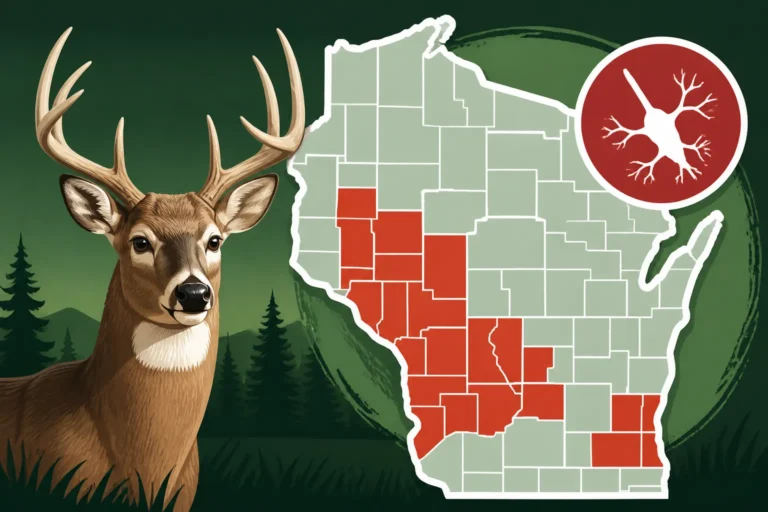
Another critical adaptation in Wisconsin is addressing wildlife diseases like Chronic Wasting Disease (CWD). Hunter education now includes detailed information on Wisconsin CWD Sampling and Test Sites, carcass transport rules, and the role hunters play in monitoring and managing the spread of the disease. Furthermore, as land access changes and public land becomes more utilized, education on shared-use ethics and navigating crowded areas becomes ever more important. Modern hunter education is a dynamic field, constantly evolving to prepare hunters for the realities of today's outdoor landscape.
Continuing Education and Resources for Hunters
Getting your hunter safety certificate is a one-time requirement, but being a responsible hunter is a lifelong commitment to learning. The landscape of hunting regulations, wildlife management, and even equipment can change year to year, and staying informed is crucial. The Wisconsin DNR is an invaluable resource, publishing annual hunting regulations booklets that detail season dates, bag limits, and specific rules for different game species and zones.
Beyond official regulations, many organizations offer advanced workshops and seminars on topics like deer tracking, waterfowl identification, or wild game processing. Online platforms, like the GoHunt resource, provide a wealth of information, articles, and tools that can help hunters improve their skills and knowledge year-round. Joining local conservation groups or hunting clubs can also connect you with experienced mentors and a community of like-minded individuals who share knowledge and promote ethical hunting practices. Think of your initial hunter safety course as the foundation; continuing education is how you build a robust and enduring house of knowledge and skill, ensuring every hunt is safe, ethical, and successful.
Hunter Safety and Mentored Hunting Comparison Table
To help clarify the differences and overlaps between Wisconsin's Hunter Safety certification and its Mentored Hunting Program, here's a quick comparison:
| Feature | Hunter Safety Certification | Mentored Hunting Program |
|---|---|---|
| Requirement | Mandatory for anyone born on or after Jan 1, 1973, to buy a license. | No hunter safety certificate needed for mentee. |
| Age Limit | No age limit to take course, but often taken by 12+. | No age limit for mentee (can be under 12). |
| License Required | Required to purchase own license. | Mentee does not need own hunting license (hunts under mentor's). |
| Supervision Level | None after certification. | Mentor must be 18+, licensed, and within arm's length of mentee. |
| Experience Gained | Classroom/online knowledge, some practical skill demonstration. | Direct, hands-on field experience with immediate guidance. |
| Can Hunt Alone? | Yes, once certified and licensed. | No, mentee must always be accompanied by a mentor. |
| Goal | Foundational knowledge and legal qualification for independent hunting. | Safe introduction to hunting, practical skill development. |
Disclaimer
The information provided in this guide is intended for general informational purposes only and does not constitute legal advice. Hunting regulations in Wisconsin are subject to change, and it is the hunter's responsibility to consult the most current Wisconsin Department of Natural Resources (DNR) hunting regulations pamphlet or visit the official Wisconsin DNR website before participating in any hunting activities. Always prioritize safety and ethical practices in the field.