Where Wisconsin Sits in the Grouse Cycle
The mystery of Wisconsin's ruffed grouse numbers can be incredibly frustrating for hunters. One year, it feels like every aspen thicket is drumming, and the next, you're kicking through miles of cover with nary a flush. This guide will dive deep into understanding the fascinating, yet often perplexing, ruffed grouse cycle and where Wisconsin typically falls within its ebb and flow, helping you adjust your expectations and strategies for a more satisfying hunt.
The Ruffed Grouse Cycle: Understanding the Natural Rhythms
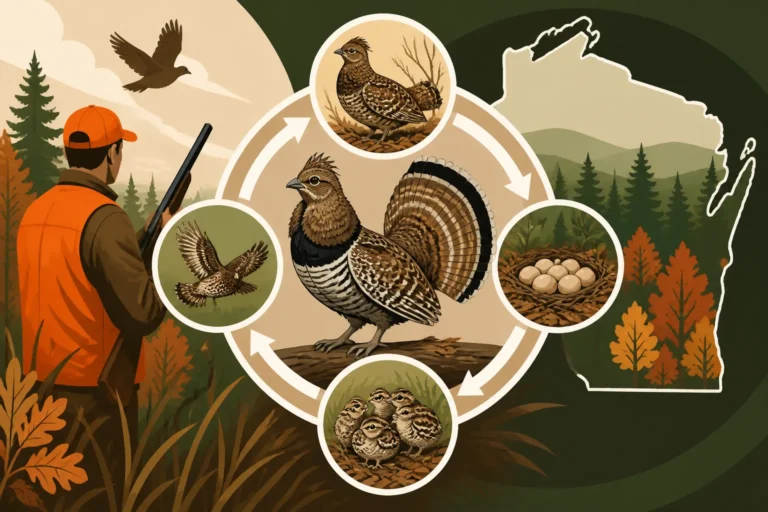
For generations, grouse hunters across the northern reaches of North America have observed a curious pattern: the ruffed grouse population goes through noticeable peaks and valleys. It's not just a random fluctuation; it's a predictable, albeit complex, ecological phenomenon known as the "grouse cycle." When you're out there stomping through the woods, knowing where we might be in this cycle can make a huge difference in your hunting approach and, honestly, your mental well-being. It helps to temper expectations when birds are scarce and appreciate the bounty when they're plentiful.
What is This "Boom and Bust" Pattern?
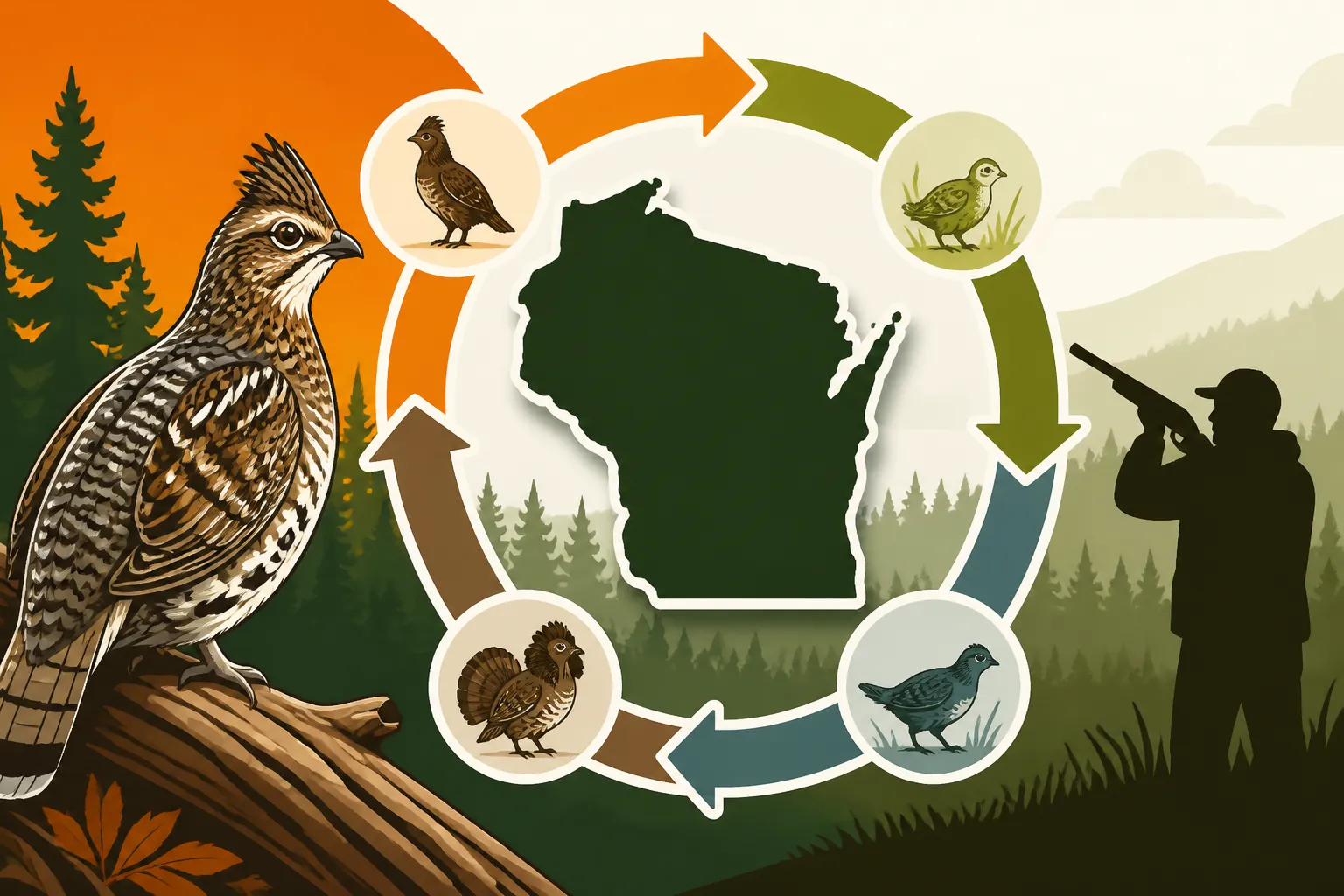
Imagine an invisible wave moving across the landscape. For ruffed grouse, this wave typically has a period of 8 to 11 years. You'll have several years where numbers steadily climb, birds seem to be everywhere, and flushes are frequent. Then, almost as if a switch is flipped, the population will enter a rapid decline, sometimes dropping by as much as 80-90% in just a year or two. This is the "bust" phase. After hitting rock bottom, the slow, arduous climb back to peak numbers begins again. This pattern is one of the most studied and debated phenomena in wildlife ecology, and it's something every Wisconsin grouse hunter lives with. Knowing How Long the Grouse Cycle Runs can help you plan your long-term hunting goals.
It's not just Wisconsin that experiences this. From Minnesota to Michigan, and further north into Canada, ruffed grouse populations march to this same rhythmic beat. Hunters in different parts of the state might experience slightly different timing or intensity of the cycle, but the general trend usually holds. Understanding this larger picture helps us appreciate that a "bad" year isn't necessarily a sign of local mismanagement but often part of a much grander, natural oscillation.
Theories Behind the Grouse Cycle's Mechanics
While hunters and biologists have observed the grouse cycle for over a century, the exact mechanisms driving it remain a topic of ongoing scientific inquiry and lively campfire debates. There isn't one single, universally accepted explanation, but rather a combination of interacting factors that seem to contribute.
One prominent theory links the grouse cycle to predator populations, particularly the snowshoe hare. Snowshoe hares also exhibit a cyclic population pattern, and when hare numbers crash, predators like bobcats, coyotes, and various raptors turn their attention to ruffed grouse, increasing predation pressure and driving grouse numbers down. This "predator-prey relationship" is a classic ecological concept. Other theories point to food availability, especially the buds of aspen and birch, which are crucial winter food sources. A succession of poor budding years, or even changes in the nutritional content of these foods, could impact grouse health and reproductive success.
Beyond predators and food, disease, stress-induced physiological changes in grouse, and even subtle shifts in weather patterns are all thought to play a role. There's even an older, more esoteric theory involving sunspot activity and cosmic rays, but that one tends to get more skeptical looks around the deer camp. What we know for sure is that the cycle is real, it impacts hunter success directly, and it’s a fundamental part of Ruffed Grouse and Woodcock in Wisconsin ecology.
Key Factors Influencing Wisconsin's Grouse Numbers
While the overarching cycle provides a general framework, specific local conditions and broader environmental factors significantly influence how Wisconsin's grouse population behaves within that cycle. These aren't just academic points; they dictate where you'll find birds, even in a peak year, and why some areas hold more birds than others when numbers are low.
The Role of Aspen Management and Habitat Quality
If there's one thing every serious grouse hunter in Wisconsin knows, it's that aspen is king. Young, regenerating aspen stands, typically 8 to 20 years old, provide the dense overhead cover from raptors and predators, as well as the crucial food sources (buds, catkins) that ruffed grouse need to thrive. When these aspen stands mature, they become less suitable, and grouse numbers in those areas will naturally decline. This makes proactive forest management, particularly clear-cutting and subsequent regeneration, absolutely vital for maintaining healthy grouse populations. Aspen Management and Wisconsin Grouse is not just a buzzword; it's the lifeline for these birds.
The challenge is that clear-cutting needs to happen in a rotational pattern to ensure a continuous supply of optimal-age habitat. If a large area of aspen grows old simultaneously, you'll see a localized crash in grouse numbers, regardless of where the statewide cycle sits. This is why you might find pockets of good hunting even in a low year, usually in areas that have seen recent, targeted timber harvesting. Resources like GoHunt can be incredibly useful here, allowing you to overlay timber harvest maps with public land boundaries, giving you an edge in finding those prime, young aspen stands. Understanding Why Aspen Cuts Grow Grouse is fundamental to consistent success.
Weather Patterns and Reproduction Success
You can have all the perfect aspen habitat in the world, but if Mother Nature throws a curveball, grouse reproduction can suffer, impacting the cycle's progression. Harsh winters, especially those with prolonged periods of deep, crusty snow that prevents grouse from "snow roosting" (burying themselves in soft snow for insulation), can increase winter mortality.
However, spring and early summer weather are arguably even more critical. Cold, wet springs can decimate newly hatched broods. Young grouse chicks are highly susceptible to hypothermia, and a week of chilly, rainy weather right after hatching can lead to significant chick mortality. This directly impacts the number of adult birds entering the fall hunting season. A string of mild, dry springs can accelerate the population's climb during the "boom" phase, while a couple of rough springs in a row can delay recovery or hasten a bust. This is often why Wisconsin grouse numbers can feel so variable from one year to the next, even within the broader cycle.
Predation and Disease Pressures
Predation is a constant factor in a grouse's life, from eggs to adults. Raptors like goshawks and great horned owls, and mammalian predators such as coyotes, foxes, bobcats, and even raccoons, all take their toll. As mentioned earlier, the fluctuating populations of other prey species, like snowshoe hares, can indirectly influence predation pressure on grouse. When hare numbers are low, predators shift their focus more heavily onto grouse.
Diseases can also play a role, though perhaps less dramatically than the well-known cycle. West Nile Virus in Wisconsin Grouse has been a concern in recent years, with studies showing that while it might not cause mass die-offs, it can weaken birds and potentially reduce reproductive success or survival, adding another layer of complexity to population dynamics. Keeping tabs on wildlife health advisories from the Wisconsin DNR is always a good practice to stay informed about such local concerns.
How to "Read" the Current Cycle and Adjust Your Hunt
So, with all these moving parts, how do you, as a dedicated Wisconsin grouse hunter, figure out where we're at in the cycle? And more importantly, how do you adapt your hunting strategy to make the most of it? It's a combination of paying attention to official data, your own observations, and the invaluable wisdom shared among the grouse hunting community.
Drumming Surveys and DNR Reports
The Wisconsin Department of Natural Resources (DNR) conducts annual drumming surveys. Male ruffed grouse "drum" in the spring to attract mates and mark territory, and these distinctive sounds are a reliable indicator of the breeding population. By tracking these drumming counts year over year, biologists can get a good pulse on the grouse population trend. Wisconsin Grouse Drumming Surveys are a critical tool for understanding these fluctuations.
These survey results are often published in annual reports or summaries available through the DNR website. While they won't give you a precise number of birds per acre, they will indicate whether the population is generally trending up, down, or holding steady. This is your best official indicator of where Wisconsin sits in the broader cycle. A strong increase in drumming counts suggests the population is on the upswing, while a significant drop signals the downturn.
Hunter Observations and Local Knowledge
Beyond the official numbers, your own two feet and eyes are your most valuable tools. Keeping a hunting journal, even a simple one, where you note the number of flushes per hour, the presence of broods in late summer, and general bird behavior, can give you a very personal snapshot of the local population. Over several seasons, you'll start to develop an intuitive feel for the cycle in your hunting areas.
Talking to other passionate grouse hunters, especially those who hunt consistently in the same region, is also incredibly insightful. Veteran hunters have seen many cycles come and go and often have a keen sense of the current year's prognosis. Online forums and local sporting goods stores can be great places to gather this anecdotal evidence. When everyone is saying "birds are everywhere" or "it's really tough this year," pay attention – it's often a good indication of the current cycle phase.
Adjusting Your Tactics to the Cycle
Once you have a sense of where Wisconsin is in the grouse cycle, you can fine-tune your hunting tactics.
| Cycle Phase | General Bird Density | Hunting Strategy Adjustments |
|---|---|---|
| Peak (Boom) | High | Focus on covering ground, finding good general habitat. Birds might be less wary. |
| Declining | Moderate to Low | Prioritize prime habitat (young aspen). Birds may be more scattered and wary. |
| Low (Bust) | Very Low | Concentrate on small, isolated pockets of exceptional habitat. Hunt slower, be more thorough. |
| Recovering | Low to Moderate | Similar to declining, but with increasing hope! Birds might be in smaller, scattered groups. |
In a peak year, you can often cover more ground, and birds might hold a bit tighter. The sheer density of birds makes finding them easier. In a low cycle year, however, you need to be much more selective and deliberate. Focus on the absolute best habitat: dense, young aspen stands, alder runs, and thick conifer cover that offers security. You might need to hunt slower, work every inch of promising cover, and be prepared to put in more miles for fewer flushes. Using apps like GoHunt can help identify these specific habitat types on public lands, allowing you to maximize your efficiency, especially when birds are scarce. You'll want to review how to scout effectively on Scouting Wisconsin Public Land Before Season to really hone in on the best spots.
Beyond the Cycle: Habitat is Always King
While the grouse cycle is a significant factor, it's crucial to remember that good habitat will always hold birds, even in the lowest years. A poor habitat, conversely, won't hold many birds even during a peak. Therefore, understanding and finding prime grouse habitat should be a constant priority for any Wisconsin grouse hunter, regardless of the current cycle's position.
Focusing on Quality Cover Regardless of Numbers
When numbers are high, average habitat might produce birds. But when the cycle is low, you absolutely must seek out the highest quality cover available. This typically means aspen stands in the 8-20 year age class, especially those with a good mix of thick understory like hazel, dogwood, or willow. These areas provide the food, nesting cover, and escape routes grouse need. How Old a Cut Should Be for Grouse is a question that directly impacts your success.
Don't overlook other cover types that can be productive, especially as refuge during harsh weather or for different stages of the grouse's life cycle. Alder thickets along creek bottoms, dense conifer stands, and even brushy field edges can all hold birds. A smart hunter understands that variety in cover types within a given area often means better year-round survival for grouse.
Finding Less Pressured Birds
Another consistent strategy, regardless of the cycle, is to seek out areas that receive less hunting pressure. In Wisconsin, public lands can get a fair amount of attention, especially closer to populated areas. However, with a little effort, you can often find less-traveled spots.
This might mean walking a bit further from a main road or parking area, exploring small, isolated pockets of public land, or studying topographic maps and aerial photos to find overlooked corners. Features like steep terrain, swamps, or dense logging slash can deter many hunters, but these "hard-to-reach" areas often hold birds that are less educated and more willing to hold for a flush. Apps like GoHunt can be invaluable for identifying these remote spots and planning your entry and exit routes. It's about Finding Ground Others Walk Past and being willing to put in the effort to get there.
Ultimately, while the grouse cycle gives us a general idea of what to expect, the dedicated Wisconsin grouse hunter focuses on the fundamentals: understanding habitat, scouting diligently, and adapting tactics. The cycle is a part of the story, but your boots on the ground and knowledge of the landscape write the rest of it.
Disclaimer
This article is for general informational purposes only and does not constitute professional advice. Laws, prices and regulations vary by location and change over time. Consult a qualified professional for guidance on your specific situation.