Wisconsin Ruffed Grouse Numbers Today
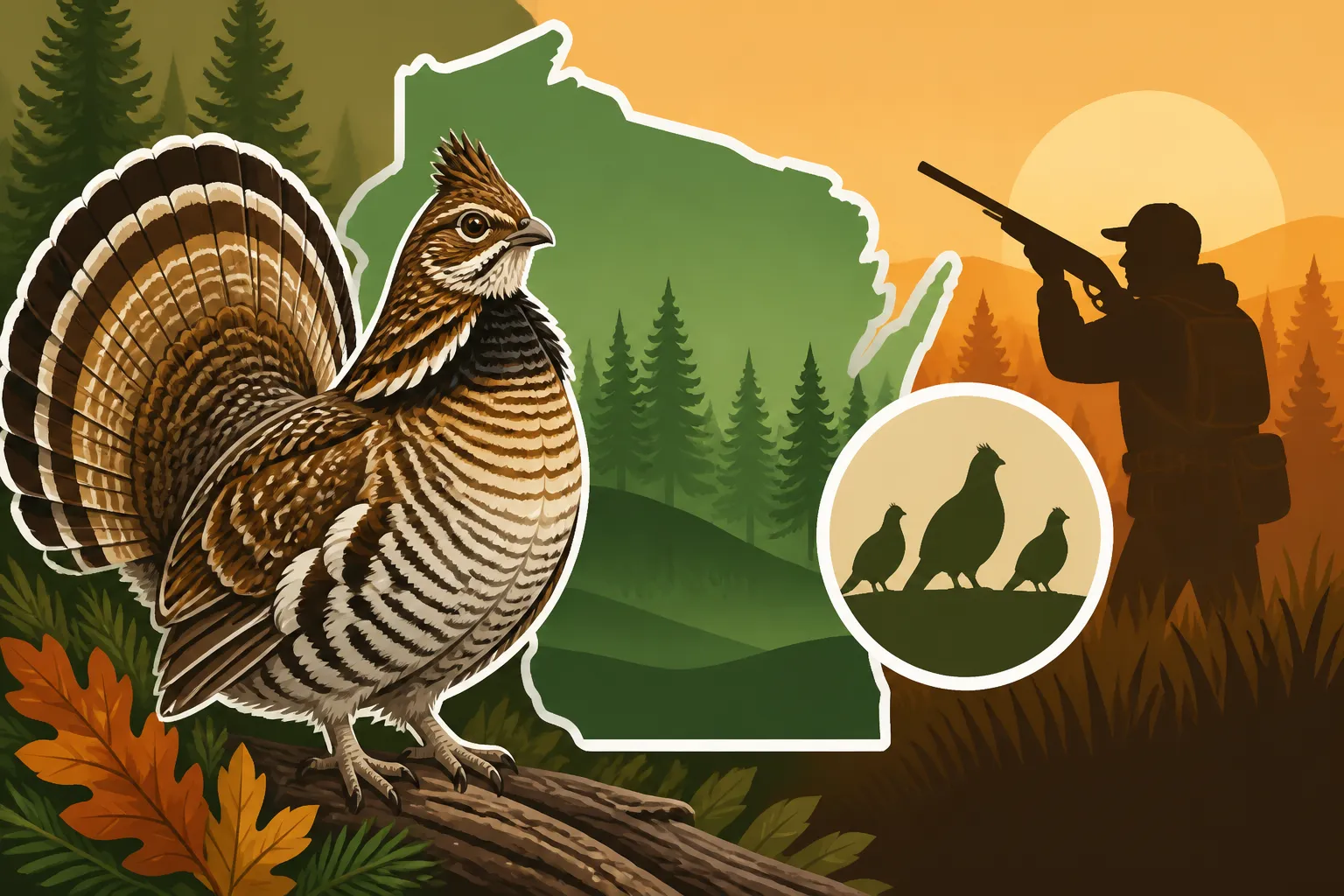
Anyone who has spent a crisp autumn day walking the coverts of Wisconsin knows the thrill of a ruffed grouse thundering out of a thicket. It’s an electrifying moment that gets the heart pounding and the adrenaline flowing. But if you’ve been hunting grouse for a while, you’ve probably noticed that some years are incredible, while others can feel downright barren. This guide is all about understanding why those numbers fluctuate and what the current state of Wisconsin's ruffed grouse population looks like. We'll dive into the science, the cycles, and how you can still find those elusive birds, even when the population isn't at its peak.
Understanding the Ruffed Grouse Population Cycle in Wisconsin
The first thing any serious grouse hunter in Wisconsin learns—often the hard way, through years of feast or famine—is that ruffed grouse populations aren’t static. They follow a remarkably consistent, almost rhythmic, cycle. We’re talking about an 8 to 11-year pattern where numbers build up to a peak, then crash, and slowly begin to recover again. It’s a phenomenon that has baffled and fascinated biologists for generations, and it’s arguably the single biggest driver behind whether you have an "epic" year or a "tough grind" year.
Think about it this way: one year, every aspen stand seems to hold a bird, and your dog is getting into flushes every 20 minutes. A few years later, you might walk the same cover for hours and not hear a single wingbeat. This isn't just bad luck; it's the cycle in action. While the exact mechanisms are still debated, it's generally understood to be a complex interplay of predator-prey dynamics, habitat quality, and even weather patterns. When grouse numbers are high, predator populations like goshawks, bobcats, and even coyotes tend to follow, eventually putting enough pressure on the grouse to drive their numbers down. Then, as grouse numbers dwindle, so do the predator populations, allowing the grouse to slowly rebound. It’s a natural, albeit sometimes frustrating, roller coaster for hunters. You can learn more about Wisconsin Ruffed Grouse Cycles and get a deeper understanding of this phenomenon.
In Wisconsin, the cycle is often most pronounced in the northern parts of the state where extensive forest habitats support these birds. When we talk about "numbers today," we're always looking at where we are on this particular curve. Are we on the upswing, near the peak, or slogging through the bottom of the cycle? Knowing this helps set expectations and informs your hunting strategy. A high drumming count, for instance, often signals that we're headed into or are currently experiencing a good period for grouse.
Factors Influencing Wisconsin's Grouse Population Beyond the Cycle
While the cyclical nature of grouse populations is undeniably dominant, it's certainly not the only thing impacting ruffed grouse numbers in Wisconsin. There are several other critical factors at play, some of which we, as hunters and conservationists, can actually influence. These elements can either exacerbate a low point in the cycle or dampen a potential peak, making understanding them vital for anyone serious about grouse hunting in our state.
One of the most significant external factors is habitat quality and availability. Ruffed grouse are incredibly habitat-specific birds. They absolutely thrive in young, regenerating forests, particularly those dominated by aspen. These "early successional" habitats provide the dense cover grouse need for nesting, brooding, and escaping predators. When these aspen stands mature beyond about 20-30 years, they lose their value for grouse, becoming too open. The problem is, without active timber management—which often means logging—these forests naturally grow old. If you've been wondering Why Aspen Cuts Grow Grouse, it's precisely because they create this essential thick, young growth. The decline in aspen management in some areas over the years has led to less ideal grouse habitat, which can depress populations even during an upswing in the cycle. This often means focusing your efforts on Grouse Hunting Wisconsin Aspen Cover that is actively managed.
Weather also plays a surprisingly critical role, especially during the spring and early summer. Cold, wet springs can decimate poult (young grouse) survival. Chicks are incredibly vulnerable to hypothermia and a lack of insects, which are crucial for their early diet, during prolonged periods of cold rain. A few bad nesting seasons back-to-back can severely impact the population, pushing it lower than the natural cycle might dictate or delaying recovery. While we can't control the weather, understanding its potential impact helps explain why some anticipated "good" years might not materialize as strongly as expected. Then there's the ongoing concern about diseases like West Nile Virus in Wisconsin Grouse. While the full impact is still being studied, it's another potential stressor on populations, particularly during migration or in areas with higher mosquito prevalence.
How Wisconsin Monitors Ruffed Grouse Populations and What It Means for Hunters
So, how do we know where we stand with ruffed grouse numbers? It's not like they line up for a headcount! The Wisconsin Department of Natural Resources (DNR) and various conservation groups rely on a few key monitoring methods to gauge the health and trends of the grouse population. Understanding these methods can give you a clearer picture of what the official pronouncements about grouse numbers actually mean for your time in the woods.
The most iconic and scientifically valuable method is the drumming survey. Each spring, volunteers and DNR staff drive established routes, stopping at designated points to listen for male ruffed grouse drumming. A drumming grouse is essentially beating his wings against the air to create a low-frequency sound, proclaiming his territory and attracting hens. The number of drums heard per stop gives biologists an index of the breeding male population. This isn't an exact count of every bird, but it's a fantastic long-term indicator of population trends and where we are in that natural cycle. When the Wisconsin Grouse Drumming Surveys show an increase, it’s usually a good sign that numbers are on the rebound. A significant drop, conversely, points to a population decline. This data is usually released in late spring or early summer, giving hunters a preview of what to expect for the upcoming fall season.
Another crucial piece of the puzzle comes from hunter harvest reports. Every bird hunter contributes valuable data by reporting their harvest. While voluntary and subject to some biases, aggregated harvest data over many years helps to show trends in success rates, total birds harvested, and hunter effort. When these numbers align with drumming surveys, they provide a robust picture. For a detailed look at how this data is collected and interpreted, you might find it useful to review Reading a Wisconsin Harvest Report. The combination of these scientific surveys and real-world hunter data helps paint a comprehensive picture of the grouse population. What this really means for you as a hunter is that these reports aren't just abstract numbers; they are guides. If the drumming counts are down, you know you'll need to work harder, perhaps cover more ground, or focus on higher-quality habitat. If they're up, it might be a year to explore new areas and enjoy more flushes.
| Factor | Impact on Grouse Numbers | Typical Effect |
|---|---|---|
| Population Cycle | Primary driver of boom/bust | 8-11 year fluctuation (High/Low) |
| Aspen Habitat | Essential for cover & food | Lack of young aspen means fewer birds |
| Wet/Cold Springs | Reduces poult survival | Fewer young birds join the fall population |
| Predator Numbers | Influences survival rates | Higher predator numbers can depress grouse |
| West Nile Virus | Potential mortality factor | Can add stress, especially in certain years |
| Timber Management | Creates or destroys habitat | Active cuts create grouse habitat |
Strategies for Finding Ruffed Grouse in Wisconsin, Regardless of the Numbers
Let's be real: no matter what the official numbers say about the overall grouse population, you can still find birds in Wisconsin. The key, especially during those "low" years in the cycle, is adaptation, effort, and smart scouting. You can't just walk any old woods and expect consistent flushes. This is where truly becoming a student of the grouse, and its habitat, pays off.
First and foremost, focus on prime habitat, and don't be afraid to put in the miles. Even when statewide numbers are down, pockets of excellent habitat will always hold birds. This usually means young aspen stands, typically 5-15 years old. Look for areas with a dense understory, where it's almost difficult to walk, and you're getting smacked in the face by branches. These are the places that offer both food and escape cover. Utilize mapping tools; services like GoHunt offer detailed aerial imagery and land ownership layers that can help you pinpoint promising cuts from your couch before you ever step foot in the woods. Pay close attention to transition zones—where young aspen meets mature timber, or where a dense thicket borders an old logging road. Grouse often feed in slightly more open areas near thick cover, ready to dive for safety at the first sign of danger. Knowing How Old a Cut Should Be for Grouse can be a game-changer for your scouting efforts.
If you hunt with a dog, this is where a well-trained bird dog really shines. Their ability to scent and pinpoint birds in thick cover, even when grouse are holding tight, will dramatically increase your opportunities. However, if you're Flushing Grouse Without a Dog, you'll need to be even more methodical. Walk slowly, stop frequently, and listen. Grouse will often flush when you stop, sensing a momentary lapse in your forward momentum. Work edges, creek bottoms, and dense pockets of alder or dogwood. These areas often provide consistent cover and food, making them reliable spots even when birds are sparse elsewhere.
Finally, consider the pressure. On public lands, especially near popular access points, birds can get pushed around. Don't be afraid to walk a little further, get into those harder-to-reach spots that other hunters might overlook. This often means consulting detailed maps, perhaps even using the GoHunt app in the field to identify remote corners of state forests or county lands. Even in challenging years, there are always birds to be found by those willing to put in the work. You might even find some excellent hunting in the Best Wisconsin Counties for Grouse by focusing on overlooked public land parcels.
Disclaimer
This article is for general informational purposes only and does not constitute professional advice. Laws, prices and regulations vary by location and change over time. Consult a qualified professional for guidance on your specific situation.