Bobcat Range and Harvest in Wisconsin
For many hunters and trappers in Wisconsin, the bobcat is an animal shrouded in mystique, a ghost of the Northwoods that represents the pinnacle of skill and patience. The dream of encountering one, let alone harvesting one, often feels like chasing a legend. This guide is dedicated to demystifying the world of bobcats in Wisconsin, from understanding their elusive movements across the landscape to navigating the highly competitive permit and harvest system, helping you understand their range and how the harvest is managed.
Understanding Wisconsin's Bobcat Population and Range
Wisconsin is a state rich in diverse wildlife, but few animals command as much respect and fascination as the bobcat. These incredible predators are a vital part of our ecosystem, yet they remain largely unseen by most. Their secretive nature makes them a true challenge for anyone hoping to pursue them, and understanding where they live and how their numbers are managed is the first step in this journey.
Where Bobcats Call Home in Wisconsin
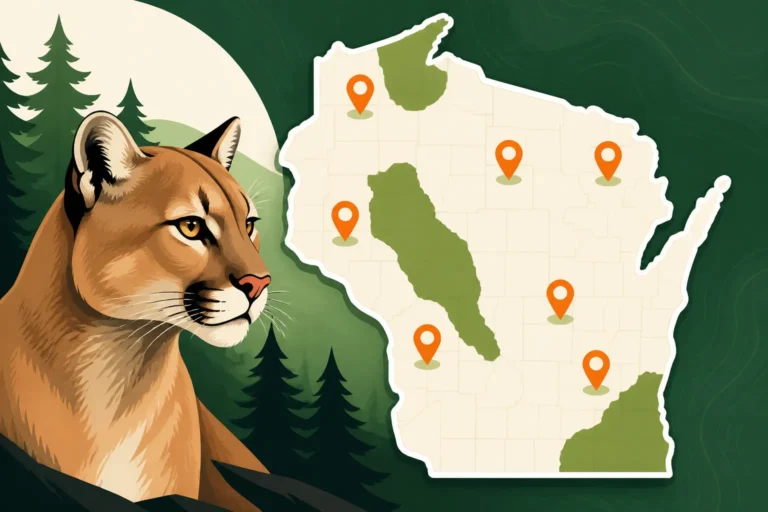
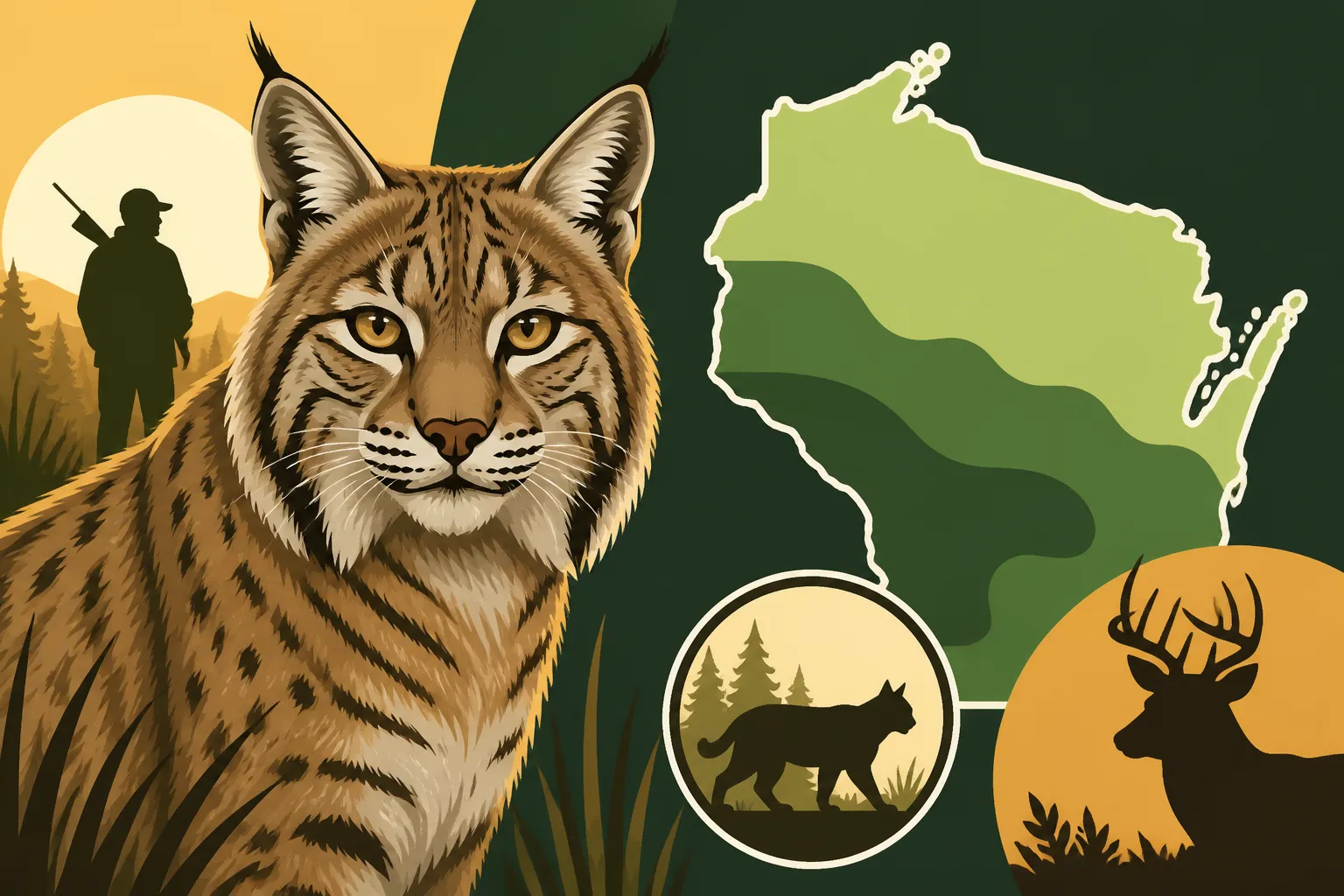
Bobcats in Wisconsin are primarily creatures of the dense, wild forests, particularly those found in the northern half of the state. They thrive in areas with thick cover—think cedar swamps, dense conifer stands, and mixed hardwood forests that offer both concealment and a steady supply of prey. These aren't animals you're likely to spot strolling across open fields in broad daylight. Instead, they prefer to navigate through tangled undergrowth, along forest edges, and across remote tracts of land. They're masters of camouflage and stealth, using the natural environment to their full advantage.
While historically concentrated in the Northwoods, anecdotal evidence and some research suggest that bobcats are slowly expanding their range southwards, following suitable habitat corridors. This expansion is often tied to changes in land use, prey availability, and potentially milder winters in some years. However, even in these expanding areas, their density is much lower, and sightings remain exceedingly rare. For the serious bobcat enthusiast, the vast public and private forests north of Highway 64 remain the prime territory to focus on. These regions offer the expansive, contiguous habitat that bobcats need to thrive, establishing territories and raising their young away from human disturbance.
You'll find them using old logging roads, creek bottoms, and dense pockets of timber. When you're Scouting Wisconsin Public Land Before Season, look for areas where different cover types meet, especially if there's water nearby. These transition zones often concentrate prey animals like snowshoe hares, cottontail rabbits, and various rodents, which form the backbone of a bobcat's diet. Understanding these habitat preferences is crucial, whether you're trying to spot one with a camera or lay a successful trap.
Bobcat Population Dynamics and Density
Assessing the exact population of bobcats in Wisconsin is a complex undertaking, largely due to their naturally low densities and secretive behavior. Unlike deer, which can be easily observed and counted, bobcats require intensive survey methods like trail cameras, track surveys, and genetic analysis. Despite these challenges, the Wisconsin Department of Natural Resources (DNR) works diligently to monitor their numbers, ensuring sustainable management. The overall population is considered stable, although it fluctuates based on factors like prey availability, habitat quality, and the severity of winter weather. A particularly harsh winter with deep snow can make hunting difficult for bobcats, leading to higher mortality rates, especially among young animals.
Compared to more common game animals, bobcat densities are quite low across their range. You're not going to find them in numbers comparable to deer or even coyotes. This low density contributes significantly to their allure and the challenge of harvesting one. Each successful bobcat harvest is a testament to immense effort, skill, and often, a good dose of luck. They are solitary animals for much of the year, with territories that can span many square miles, making direct encounters infrequent.
The state's management goals for bobcats revolve around maintaining a healthy, self-sustaining population while providing limited, carefully controlled hunting and trapping opportunities. This balance is critical to prevent overharvesting an animal that reproduces at a slower rate than many other furbearers. The coveted bobcat tag isn't just a license; it's an authorization to participate in the careful stewardship of a remarkable species.
The Wisconsin Bobcat Harvest Process
The thought of pursuing a bobcat in Wisconsin is enough to stir the blood of any dedicated hunter or trapper. However, unlike hunting deer or small game, gaining the opportunity to harvest a bobcat is a privilege that comes with a very stringent, lottery-based system. It's a testament to their protected status and the state's commitment to managing this precious resource responsibly.
The Permit and Drawing System
Wisconsin's bobcat harvest operates under a highly controlled permit system, meaning you can't just go out and buy a tag over the counter. Instead, interested individuals must apply for a permit through a drawing process, similar to the system used for bear hunting. This is where the preference point system comes into play. Each year you apply and are unsuccessful, you accrue a preference point. These points increase your odds in subsequent drawings, but there's no guarantee of drawing a tag, even with many points accumulated. It's truly a long game of patience and consistent application. Wisconsin Bobcat Permit and Tagging is a separate conversation entirely, as it's such a detailed process.
The state divides the bobcat management area into distinct zones, primarily "North of Highway 64" and "South of Highway 64." The vast majority of permits and therefore, harvest opportunities, are allocated to the northern zone, where the bobcat population is more robust and their habitat more extensive. The southern zone, while expanding, sees very few tags issued, reflecting the lower population density in that region. This zonal management ensures that harvest pressure is applied appropriately based on local population health.
The number of permits issued each year is incredibly limited, reflecting the desire to maintain a healthy and sustainable bobcat population. This scarcity is what makes a bobcat tag one of the most sought-after permits in Wisconsin. Hunters and trappers understand that it could take many, many years to accumulate enough points to even have a reasonable chance at drawing. It’s a testament to the animal’s mystique and the challenge it presents that so many are willing to wait for the opportunity.
Harvest Quotas and Management Goals
The Wisconsin DNR meticulously sets annual harvest quotas for bobcats, a critical component of their robust furbearer management plan. These quotas aren't arbitrary numbers; they are derived from extensive population modeling, research, and biological data, all aimed at ensuring the long-term health and stability of the bobcat population. Factors such as winter severity, prey availability, past harvest success rates, and disease prevalence are all considered when determining how many permits to issue for each zone. The goal is always to allow a limited harvest that doesn't negatively impact the overall population trend.
These quotas are typically higher in the northern bobcat zone, where the habitat is more abundant and the population more established. The southern zone, with its smaller and more fragmented bobcat population, will see a much lower, sometimes even single-digit, quota. This precise allocation strategy highlights the DNR's commitment to localized management, adapting to the unique ecological conditions of each region. For hunters and trappers, this means that success in drawing a tag is directly tied to the health of the population and the specific management goals for that zone.
The harvest is closely monitored, with strict tagging and registration requirements for every bobcat taken. This data is invaluable for the DNR, providing real-time insights into the harvest effort and success, which then feeds back into future quota decisions. It's a continuous cycle of assessment, adjustment, and careful stewardship, all designed to safeguard this magnificent furbearer for generations to come. This careful planning is part of the larger picture of Wisconsin Small Game and Furbearer Seasons management.
Legal Harvest Methods
Once you've beaten the odds and drawn a coveted Wisconsin bobcat tag, understanding the legal harvest methods is paramount. Wisconsin allows for two primary methods of bobcat harvest: trapping and hunting. Both require specific knowledge, skill, and adherence to regulations to be done ethically and legally.
Trapping is a traditional and highly effective method for harvesting bobcats. Trappers use a variety of techniques, often focusing on blind sets along known travel corridors or baited sets designed to attract curious bobcats. Successful trapping requires an intimate understanding of bobcat behavior, keen observation skills to read sign, and proficiency in setting traps that are both humane and effective. The choice of trap, set location, and lure all play a crucial role. Trappers must also contend with variable weather conditions, checking traps regularly to minimize animal stress. Running a Trapline in Northern Wisconsin provides a deeper dive into these techniques.
Hunting bobcats with the aid of trained hounds is another permitted and popular method, particularly in the Northwoods. This pursuit typically involves releasing a pack of dogs on a fresh bobcat track, allowing them to trail the animal until it's treed or bayed. This method requires specialized dogs, often Walker or Plott hounds, that are specifically bred and trained for trailing furbearers. The chase can cover significant distances over challenging terrain, demanding physical endurance from both the dogs and the hunters. Running Hounds for Bobcat in the North is a thrilling experience and a unique cultural tradition in Wisconsin's hunting community.
While less common, some hunters also attempt to call or still-hunt for bobcats, often in conjunction with trapping efforts or as a standalone challenge. Calling involves using distress or prey sounds to lure a bobcat within shooting range, a tactic that demands extreme patience and stealth, similar to Coyote Calling in Wisconsin Winter. Still-hunting requires exceptional tracking skills, often best employed after a fresh snowfall, to quietly follow a bobcat's trail until an opportunity arises. Regardless of the method, ethical hunting and trapping practices, including proper shot placement and quick dispatch, are always expected.
| Harvest Method | Primary Season Dates | Typical Success Rate | Required Skill Level | Notes |
|---|---|---|---|---|
| Trapping | Late Fall to Winter | Moderate to High | High | Requires knowledge of trap sets, animal behavior, and weather |
| Hound Hunting | Late Fall to Winter | Moderate | High | Demands trained dogs, physical endurance, and navigation skills |
| Still-Hunting | Late Fall to Winter | Low | Very High | Relies on tracking, patience, and knowledge of bobcat movements |
| Calling | Late Fall to Winter | Low | High | Best in areas with high bobcat density; requires stealth and patience |
Applying for a Wisconsin Bobcat Permit
The pursuit of a Wisconsin bobcat permit is less about a single application and more about a strategic long-term commitment. It's a game of patience, persistence, and understanding a system designed to carefully allocate a very limited number of opportunities.
Navigating the Application Process
Applying for a Wisconsin bobcat permit is primarily done through the Go Wild system, the state's online licensing and permit portal. This streamlined system makes applying relatively straightforward, but the real challenge lies in remembering to apply every single year if you're serious about drawing a tag. The application period typically aligns with other large game and furbearer drawings, usually opening in the spring. Missing an application year means losing out on a crucial preference point, effectively setting you back in the long queue. The Wisconsin Go Wild Licence System is your portal for all hunting-related applications, so familiarize yourself with its interface.
When you apply, you'll select your preferred bobcat zone, usually North of Highway 64 or South of Highway 64. As mentioned, the vast majority of tags go to the northern zone due to higher bobcat densities. It's a strategic decision: apply for the northern zone for better odds of eventually drawing, or the southern zone for even slimmer odds but potentially a unique hunting experience if you get lucky. There's no separate fee for accruing a preference point; it's simply built into the application cost. The key is consistency, submitting your application annually even when you know your chances are slim, because each unsuccessful attempt builds your preference point total.
After the application period closes, the DNR conducts the random drawing. While the process is electronic, it still feels like holding your breath for the results. You'll typically be notified via email or can check your status directly on the Go Wild platform. For those who are successful, the excitement is immense; for the majority, it's back to square one, but with another preference point added to the tally, bringing that dream just a little bit closer.
Understanding Your Odds and Preference Points
The preference point system for bobcats in Wisconsin is designed to reward loyalty and long-term commitment. Essentially, for every year you apply for a bobcat permit and are unsuccessful, you receive one preference point. When the next drawing occurs, all applicants are grouped by the number of preference points they have. The drawing then occurs within these groups, with those holding more points having a statistically better chance of being selected. It's not a guarantee, but it significantly improves your odds over time.
The reality of drawing a bobcat tag, especially for the northern zone, is that it often takes many, many years—sometimes a decade or more—to accumulate enough points for a good chance. This phenomenon is often referred to as "point creep," where the average number of points required to draw a tag slowly increases over time as more people apply consistently. This means that while having 10 points might have been a good position five years ago, today it might only be an average position. It's a testament to the high demand for this elusive furbearer.
Resources like GoHunt often compile data and provide tools that help hunters analyze draw odds for various permits, including bobcats. While specific odds are not guaranteed and fluctuate each year, these tools can give you a better understanding of how many points successful applicants typically had in previous years. This information can help you set realistic expectations and understand the long-term commitment required to eventually draw one of these highly sought-after tags. Don't get discouraged by the numbers; every point you earn brings you closer.
Key Dates and Deadlines
Staying on top of key dates and deadlines is absolutely crucial when applying for a Wisconsin bobcat permit. Missing a deadline means losing out on an opportunity to gain a preference point, which, as we've discussed, can set you back significantly in the long game of drawing a tag. While specific dates can vary slightly year to year, the general timeline remains consistent.
The application period for bobcat permits typically opens in the early spring, often in March or April, and closes in May. It's a relatively short window, so marking your calendar is essential. Many hunters find it helpful to set multiple reminders, or even link their application process with other spring applications, like turkey or bear, to ensure they don't overlook it. The Go Wild system will usually send out notifications as the application period approaches, but it's always best to be proactive.
The actual drawing for permits usually takes place in late spring or early summer, with results typically available shortly thereafter. Successful applicants will then receive their permit, often in late summer or early fall, well in advance of the season opening. This lead time is vital for planning your hunt or trapping efforts, allowing you to scout and prepare thoroughly. Always double-check the Wisconsin DNR's official website or utilize resources like GoHunt for the most current and precise dates for each season. This diligence is part of the commitment to hunting and trapping in Wisconsin.
Hunting and Trapping Strategies for Wisconsin Bobcats
Once the incredibly rare and exciting moment arrives that you've drawn a bobcat permit, the real work—and the real fun—begins. Pursuing a bobcat is a challenging endeavor that tests a hunter's or trapper's skills, patience, and knowledge of the wild. These strategies are often refined over years of experience in the Wisconsin Northwoods.
Hunting Bobcats with Hounds
For many, Running Hounds for Bobcat in the North is the quintessential bobcat hunting experience in Wisconsin. This method embodies the raw, primal essence of the hunt. It involves using a pack of highly trained dogs, usually breeds like Plotts or Walkers, to track and tree a bobcat. The process often begins with hunters driving logging roads or walking likely areas at first light, searching for a fresh bobcat track in the snow or dirt. Once a track is found and confirmed, the dogs are released.
The sound of a hound pack "on track" is an exhilarating symphony, echoing through the dense northern forests. The dogs will follow the bobcat's scent trail, often for miles, navigating through swamps, over ridges, and across difficult terrain. The bobcat, for its part, is an incredibly elusive and cunning animal, often using clever tactics to try and throw the dogs off its scent, such as crossing water or running along fallen logs. The ultimate goal is for the dogs to "tree" the bobcat, forcing it into a tree where the hunter can then approach for a clear and ethical shot.
This method is not for the faint of heart. It requires significant physical stamina from both the hunters and the dogs, often covering vast distances in challenging conditions. Hunters often follow the dogs using GPS collars, navigating through dense brush and difficult landscapes. It's a team effort, relying heavily on the dogs' abilities and the hunter's determination. Successful hound hunting for bobcats is a deeply rewarding experience, connecting hunters to a rich tradition and showcasing the incredible athleticism of both the cat and the hounds.
Trapping Bobcats
Trapping is arguably the most consistent and effective method for harvesting bobcats in Wisconsin, demanding a high level of skill, knowledge, and dedication. Unlike the dynamic chase of hound hunting, trapping is a strategic, patient game of outsmarting one of the wild's most cunning predators. Successful bobcat trapping begins with extensive scouting. Trappers look for prime bobcat habitat—dense cover, creek crossings, pinch points, and areas with abundant prey sign like rabbit tracks or squirrel cuttings. Identifying natural travel corridors and areas where bobcats are likely to investigate is key.
Once a promising location is identified, the trapper will select the appropriate set. Foothold traps, typically sized specifically for bobcats, are the most common. These are often incorporated into "dirt hole sets" (mimicking a caching animal) or "cubby sets" (a small enclosure that lures the bobcat in), enhanced with bait, lure, and urine to attract the bobcat's curiosity. The attention to detail in trap placement, bedding (making the trap stable), and camouflage is paramount. A bobcat has keen senses and will avoid anything that looks or smells out of place. This is part of the extensive knowledge needed for Running a Trapline in Northern Wisconsin.
Ethical trapping practices are at the forefront for responsible trappers. This includes using traps designed to hold animals humanely, checking traps frequently (daily is often required), and quickly dispatching any caught animal. Trapping success is often a direct result of hours spent in the field, observing animal behavior, adapting to changing weather, and learning from every experience. It's a solitary pursuit that fosters a deep connection to the land and its wild inhabitants.
Still-Hunting and Calling for Bobcats
While less common and generally less successful than trapping or hound hunting, still-hunting and calling can, with immense skill and luck, yield a bobcat in Wisconsin. These methods appeal to hunters who prefer a more solitary, direct interaction with the animal, relying solely on their woodsmanship.
Still-hunting for bobcats is often most effective in winter, after a fresh snowfall. The snow provides a canvas of tracks, revealing the nocturnal movements of the bobcat. Hunters will slowly, painstakingly, follow a fresh track, trying to anticipate where the cat might be resting or hunting. This requires extreme stealth, exceptional tracking ability, and a deep understanding of bobcat behavior. A still-hunter must move at a snail's pace, pausing frequently to scan ahead, listening for the slightest sound, and looking for any telltale sign of movement in the dense cover. The objective is to spot the bobcat before it spots you, often requiring a quick, precise shot through thick timber.
Calling for bobcats involves using electronic or mouth calls to mimic the sounds of distress or prey animals, like a rabbit in distress or a bird. This method is often more successful in areas with higher bobcat densities and when done from a concealed position, such as a ground blind or natural cover. Patience is crucial, as bobcats, being cautious predators, may circle downwind or take their time approaching. Much like Coyote Calling in Wisconsin Winter, success hinges on impeccable camouflage, understanding wind direction, and knowing when to call aggressively versus subtly. These methods are challenging but offer an incredibly intimate and deeply satisfying experience for the dedicated hunter who relishes a true test of their outdoor skills.
Disclaimer
This article is for general informational purposes only and does not constitute professional advice. Laws, prices and regulations vary by location and change over time. Consult a qualified professional for guidance on your specific situation.