How Long the Grouse Cycle Runs
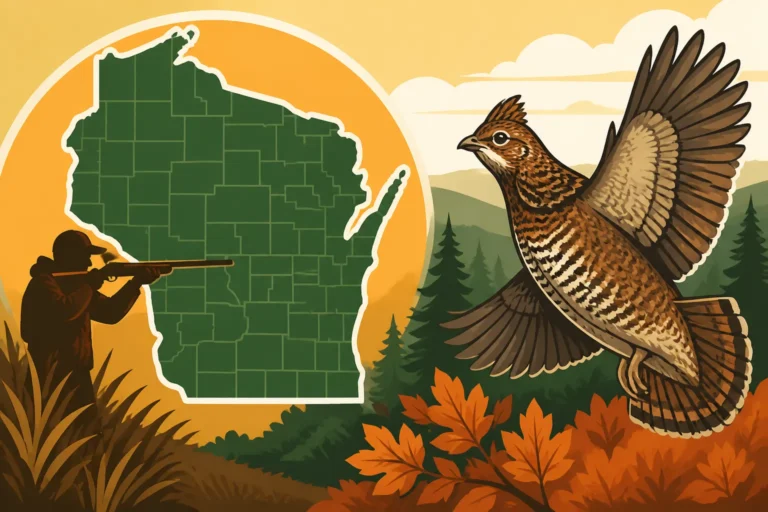
One of the most enduring mysteries and frustrations for Wisconsin upland hunters is the ruffed grouse cycle. You've been out there, heard the drumming one year and hardly seen a feather the next, leaving you wondering: just how long does this elusive cycle run, and what does it mean for your hunting success? This guide will dive deep into the fascinating rhythm of ruffed grouse populations in our state, exploring the science, the history, and practical ways to navigate the ups and downs.
Understanding the Ruffed Grouse Population Cycle
For generations, Wisconsin grouse hunters have talked about the "cycle." It's not just folklore; it's a very real, well-documented fluctuation in ruffed grouse populations that can make or break a season. This isn't a strict, predictable calendar event, but rather a complex interplay of environmental factors that causes grouse numbers to boom, then bust, in a generally observable pattern. When you're hearing drums everywhere, the cycle is likely near its peak; when you're walking miles for a single flush, you're probably in a trough.
What Exactly Is the Grouse Cycle?
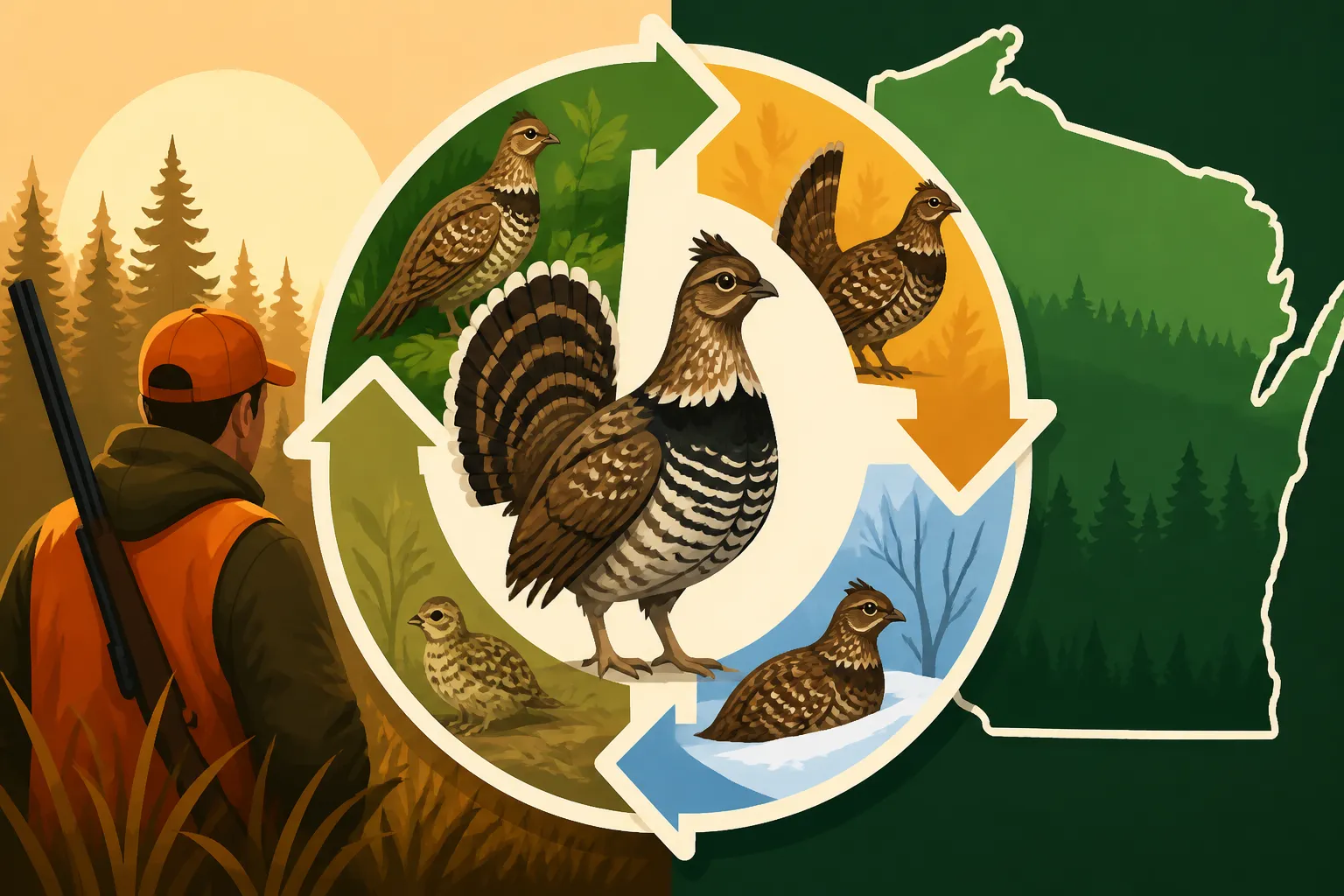
The ruffed grouse cycle refers to the phenomenon where populations of these birds tend to increase rapidly over several years, reach a peak, and then decline sharply, before slowly beginning to recover. This pattern is often described as occurring over a period of roughly 8 to 12 years from one peak to the next. It’s not unique to Wisconsin; it’s observed across much of the ruffed grouse's North American range, though the timing and intensity can vary by region. Think of it like a wave, slowly building, crashing, and then starting to build again. It’s easy to get discouraged during a down cycle, but understanding that it’s a natural process can help temper expectations and focus on the factors you can control, like habitat choice.
Many researchers have studied this cycle, proposing various theories for its causes, from solar activity to predator-prey dynamics to disease. What's clear is that it's a combination of influences, rather than a single smoking gun. The cycle isn't a hard-and-fast rule, and local populations can deviate from the broader trend due to microhabitat conditions, local weather events, or even intense, localized hunting pressure, though hunting pressure is generally considered a minor factor on overall population dynamics compared to other natural forces. If you've been wondering Wisconsin Ruffed Grouse Numbers Today, you'll know we've seen some serious fluctuations.
Historical Observations in Wisconsin
Wisconsin has a long history of observing and documenting these grouse population swings. State wildlife agencies and dedicated grouse hunters have been tracking these trends for decades. Historically, these cycles were often very pronounced, with dramatic peaks followed by severe lows. This has shaped how many long-time hunters view the season – some years are for "dog training," others are for filling the vest. It’s ingrained in the culture of upland hunting here.
When you speak to seasoned grouse hunters who have walked the same covers for 30 or 40 years, they’ll tell you stories of banner years where every aspen stand was alive with flushes, and lean years where you might only hear a handful of drums all season. These anecdotal accounts align remarkably well with scientific data collected through methods like Wisconsin Grouse Drumming Surveys. These surveys, conducted each spring, listen for the characteristic drumming of male grouse, which gives wildlife biologists a good index of breeding population densities and helps determine Where Wisconsin Sits in the Grouse Cycle. This data is crucial for understanding current trends and making informed predictions, even if the exact "why" remains complex.
Factors Influencing the Grouse Cycle
The ruffed grouse cycle is like a complex orchestral piece, with many instruments playing different parts. No single factor fully explains it, but a combination of habitat conditions, weather patterns, predation, and even disease all contribute to the population's ebb and flow. Understanding these influences can help hunters anticipate good years and make the most of challenging ones.
Habitat Succession and Aspen Management
One of the most critical factors influencing grouse numbers, both short-term and long-term, is habitat quality, particularly the presence of young, regenerating aspen forests. Ruffed grouse thrive in early successional forests – those young, dense woods that pop up after logging, fire, or other disturbances. This thick cover provides protection from predators, while the buds of aspen and other trees offer a crucial winter food source. This is why you often hear the phrase, Why Aspen Cuts Grow Grouse.
As a stand of aspen matures, it becomes less suitable for grouse. The understory thins out, offering less escape cover, and the trees grow too tall, reducing the accessibility of buds. This process, known as forest succession, means that without active management like clearcutting, grouse habitat naturally declines over time. The cycle of logging and forest regeneration, therefore, directly impacts grouse populations. If large areas of suitable habitat mature simultaneously, it can contribute to a regional decline. Conversely, widespread clearcutting in a certain period can lead to a boom. Many public land managers in Wisconsin actively work to maintain a mosaic of forest ages specifically for grouse and other early-successional wildlife. When scouting, especially with tools like GoHunt that show timber cuts, pay close attention to the age of the regeneration.
Weather, Predators, and Disease
Beyond habitat, a trifecta of weather, predators, and disease plays a significant role in shaping the grouse cycle. These factors can act as strong limiting forces, especially when populations are already stressed or at a low point in the cycle.
- Weather: The weather during the nesting and brooding season (late spring and early summer) is especially critical. Cold, wet springs can decimate chick survival, as young grouse are highly vulnerable to hypothermia and a lack of insects for food. A few consecutive bad springs can significantly reduce recruitment into the population, contributing to a downward swing in the cycle. Conversely, mild, dry springs can lead to excellent hatches and contribute to population growth.
- Predators: Predators are always present, but their impact can become more pronounced when grouse numbers are low. Predators like goshawks, great horned owls, red-tailed hawks, foxes, coyotes, and bobcats exert pressure on grouse populations. Some research suggests that certain raptor populations might even follow a lagged cycle of their own, peaking after grouse numbers have begun to decline, further suppressing recovery. While you can't control predators, understanding their role helps paint a complete picture of the challenges grouse face.
- Disease: More recently, diseases like West Nile Virus in Wisconsin Grouse have become a concern. While not fully understood, some studies suggest that West Nile Virus can reduce grouse survival, especially during certain years or in specific regions. This adds another layer of complexity to the cycle, making it harder to predict solely based on traditional factors. Keeping an eye on these emerging threats is important for conservation efforts.
Navigating the Cycle as a Hunter
Understanding the ruffed grouse cycle isn't just for biologists; it's vital for hunters. Knowing whether you're heading into a boom or bust year can help you manage expectations, adjust your tactics, and ultimately, have a more rewarding experience in the woods. While you can't change the cycle, you can certainly change how you approach it.
Adapting Your Hunting Strategy to the Cycle
When the grouse cycle is on an upswing, birds might seem to be everywhere. You’ll be flushing birds even in marginal cover. These are the years for high flush counts and ample opportunities. However, when the cycle is in a slump, as it has been in many parts of the state recently, you have to work harder and smarter. You can't just walk into any patch of woods and expect results.
In down years, focus intensely on prime habitat. This means seeking out the very best, densest young aspen stands, thick alder runs, and conifer pockets that offer exceptional thermal cover and protection. Birds will concentrate in these refugia. These are the years when scouting becomes even more crucial. Use detailed mapping tools like those offered by GoHunt to identify recent clearcuts, dense conifer swamps, or alder bottoms that might hold birds. Don't be afraid to walk farther and deeper into areas that might see less pressure. During lean times, one or two flushes in a morning can feel like a huge success, so adjust your mindset accordingly. Grouse Hunting Wisconsin Aspen Cover outlines effective tactics for navigating these crucial areas regardless of the cycle.
Table: Ruffed Grouse Cycle Phases & Hunter Adaptations
| Cycle Phase | Population Trend | Hunter Experience (General) | Recommended Hunter Adaptations |
|---|---|---|---|
| Peak Years | High | Frequent flushes, easier hunting | Explore new areas, enjoy high action, focus on dog training |
| Declining Years | Moderate to Low | Fewer flushes, more challenging | Focus on prime habitat, scout extensively, adjust expectations |
| Trough Years | Very Low | Very few flushes, difficult hunting | Deep dive into best habitat, longer walks, prioritize dog work & scouting |
| Recovering Years | Low to Moderate | Increasing flushes, improving | Revisit old spots, look for signs of new broods, continue scouting |
Locating Productive Cover Regardless of Numbers
Even in a low cycle, there are still grouse. The key is to find them in the most productive cover. This often means focusing on specific types of habitat that provide multiple benefits: food, water, and dense escape cover. Look for aspen stands that are roughly 8-20 years old. These stands have enough density to provide excellent cover but are also mature enough to produce abundant buds for winter food. Creek bottoms with thick alder runs are also gold mines, especially during Grouse and Woodcock Hunting in Wisconsin seasons, as woodcock often prefer similar areas.
Conifer swamps, particularly those with a good mix of spruce, balsam fir, and cedar, offer critical thermal cover during cold weather and snow. Grouse will dive into these dense evergreens to escape predators and stay warm. Don't overlook the edges where different habitat types meet – these "edge habitats" are often transition zones where grouse spend their time moving between feeding and loafing areas. Learning to Read Aerial Photos for Coulee Deer (or grouse, in this case) and utilize tools like GoHunt's satellite imagery can help you identify these crucial habitat features before you even step foot in the woods. Pay attention to drumming logs and dusting bowls, even if they aren't actively being used – they indicate historical grouse presence and suitable ground.
Patience and Persistence in Lean Years
Hunting ruffed grouse in Wisconsin, especially during a low point in the cycle, demands a healthy dose of patience and persistence. It's easy to get discouraged after walking for an hour without a single flush, but those are the days when the true grouse hunters shine. Don't give up on a cover after one pass; sometimes, a second or third pass through a likely area, perhaps from a different angle or later in the day, can yield a bird.
It’s also an excellent time to focus on improving your dog's skills (if you hunt with one) or honing your own still-hunting techniques if you're Flushing Grouse Without a Dog. The low bird numbers force you to become a better hunter, paying closer attention to subtle signs, listening for faint wing beats, and moving more deliberately through the cover. Remember, even a single flush can be incredibly exhilarating, and harvesting a bird during a down cycle feels like a significant accomplishment. Good boots, like those discussed in Boots for Walking Wisconsin Aspen Cuts, are a must, as you’ll be covering a lot of ground. The grouse cycle is just that – a cycle. The numbers will come back up, and when they do, your hard-won skills from the lean years will make you an even more effective hunter.
Disclaimer
This article is for general informational purposes only and does not constitute professional advice. Laws, prices and regulations vary by location and change over time. Consult a qualified professional for guidance on your specific situation.