Wisconsin Grouse Drumming Surveys
For many Wisconsin grouse hunters, the early morning woods are filled with anticipation, but also with a nagging question: how are the birds doing this year? It’s a perennial concern, especially when you’re investing time, gas, and energy into scouting and hunting. This guide dives deep into Wisconsin's grouse drumming surveys, explaining what they are, how they work, and most importantly, how you can use this vital information to better plan your ruffed grouse hunts and understand the health of the population.
Understanding the Ruffed Grouse Population in Wisconsin
Ruffed grouse are one of Wisconsin's most iconic game birds, beloved for their explosive flush and the challenging hunt they offer. But unlike deer, which have visible populations and clear harvest data, grouse numbers can feel a bit more mysterious. This uncertainty can be a real source of frustration for hunters who want to know if they're heading into a good year or a tough one. That's where drumming surveys come in – they're a cornerstone of how wildlife biologists track these elusive birds.
The Ruffed Grouse Cycle
One of the most fascinating, and sometimes perplexing, aspects of ruffed grouse populations is their tendency to cycle. These are not year-to-year fluctuations you might see with other species due to weather or habitat changes, but rather long-term, roughly 8-to-11-year cycles of boom and bust. Hunters who’ve been at it for decades can tell you stories of years when birds seemed to be everywhere, and then periods where finding a single flush was a triumph. This cycle is influenced by a complex interplay of factors, including habitat quality, predation, and even disease. Understanding Where Wisconsin Sits in the Grouse Cycle is key to managing expectations for the season. We’re always looking for clues to predict whether we’re on the upswing, the peak, or the downside of that population curve.
Why Drumming Surveys Are Crucial
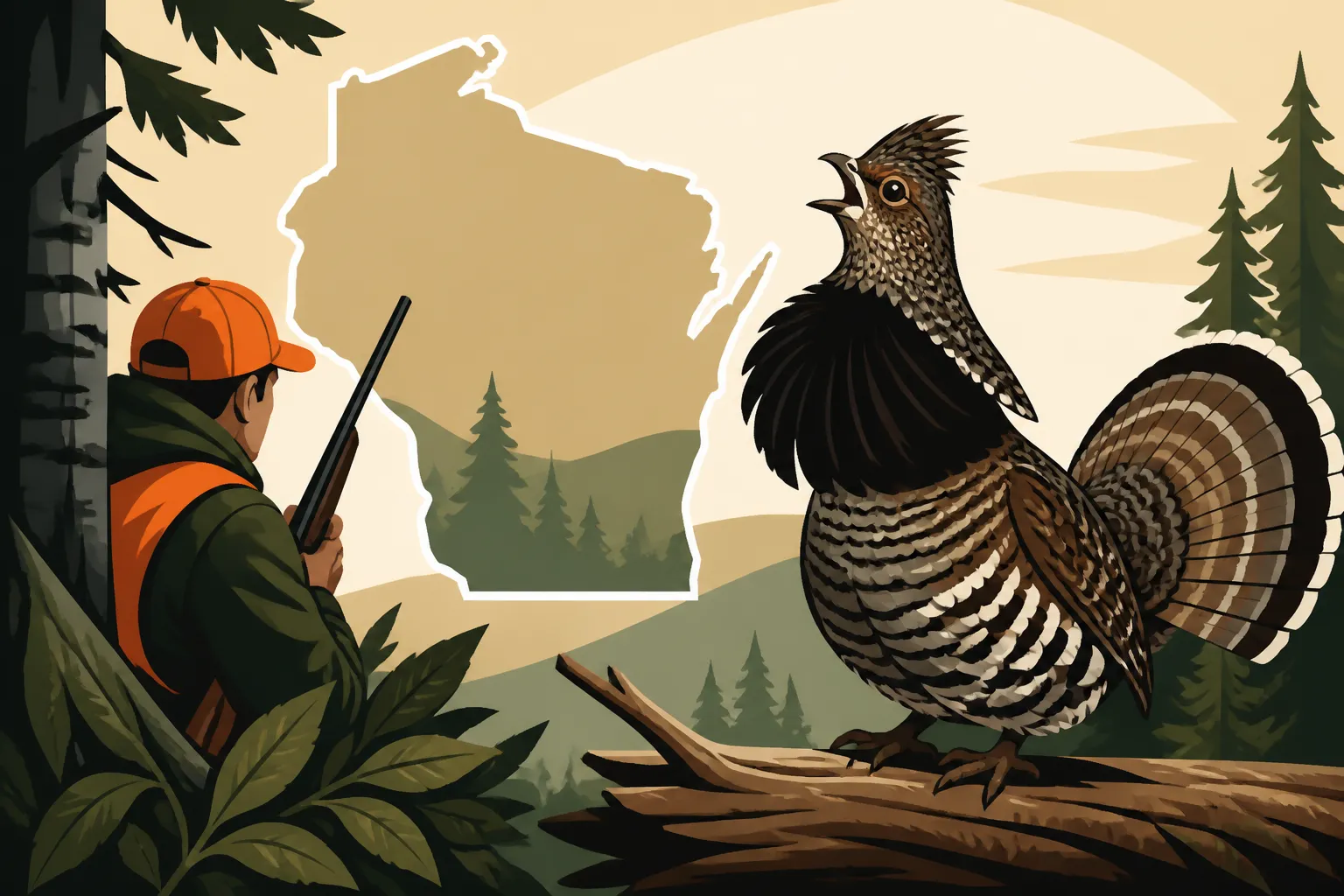
Given the dense cover ruffed grouse inhabit, getting an accurate count of individual birds is nearly impossible. You can’t just fly over and see them like you might with waterfowl. This is precisely why drumming surveys are so crucial; they provide an index of the breeding population. During the spring, male ruffed grouse "drum" to attract mates and mark their territory. This drumming isn't a vocal call but a unique sound created by rapidly beating their wings against the air, building from a slow thump to a fast, machine-gun like crescendo. It’s a sound every grouse hunter knows and loves, and it’s a reliable indicator that a male grouse is present and actively breeding. By systematically counting these drumming males along established routes, biologists can estimate population trends and gauge the overall health of the Ruffed Grouse and Woodcock in Wisconsin population. It's not a precise headcount, but a strong proxy for population density.
The Science Behind Wisconsin's Drumming Surveys
The effectiveness of drumming surveys lies in their standardized methodology. This isn't just a handful of volunteers listening for birds; it's a carefully designed scientific process aimed at consistency and comparability across years and regions. This scientific rigor helps ensure that the data collected is as accurate and useful as possible, giving us a clearer picture of Wisconsin Ruffed Grouse Numbers Today.
Survey Methodology and Timing
Wisconsin's ruffed grouse drumming surveys are typically conducted in the spring, generally from mid-April through early May. This timing is critical because it coincides with the peak drumming activity of male grouse before hens begin nesting in earnest. The surveys involve observers driving or walking predetermined routes, stopping at specific, established listening points. At each stop, they listen for a set period, often four minutes, counting every distinct drum they hear. The routes themselves are generally 10 miles long with 10 stops, strategically chosen to cover a variety of grouse habitats. These routes have been in place for years, sometimes decades, allowing for robust long-term data comparison. The consistency in route, timing, and listening duration is what makes the data so valuable for tracking population changes over time.
Ideal Conditions for Accurate Counts
For the drumming surveys to be as accurate as possible, the environmental conditions need to be just right. Picture this: it’s early morning, right around sunrise, often before much of the daily noise starts. The weather needs to be calm, with light or no wind, and no precipitation. Even a light drizzle can dampen drumming activity or make it harder for observers to hear the subtle sounds. A frosty morning with no wind is often perfect. Biologists conducting these surveys often have specific windows when they can run their routes, and they need to make sure the conditions align to ensure the most reliable data possible. Running a survey during a howling gale or a downpour would yield inaccurate results and skew the population trend data, so patience and careful timing are paramount.
Interpreting Drumming Survey Results for Hunters
Once the raw data is collected, it goes through a process of analysis, and then the results are shared with the public. For hunters, knowing how to interpret these results is like having a secret weapon. It won’t tell you where every grouse is, but it can absolutely guide your overall strategy for the season. Brands like GoHunt often incorporate this kind of public data into their platforms, allowing hunters to see trends graphically and integrate it into their hunt planning.
Connecting Drumming Counts to Harvest Success
The primary output of the drumming surveys is typically an average number of drums heard per stop or per route. A higher average generally correlates with a higher breeding population, which in turn suggests a potentially better hunting season in the fall. Conversely, low drumming counts can indicate a downward trend, hinting at a tougher season ahead. While drumming counts provide a strong population index, it's important to remember that fall harvest success also depends on factors like nesting success, summer brood survival, and hunter effort. A strong drumming count means a good start to the season, but cold, wet springs can sometimes hit poult survival hard, even after a good hatch. That said, if you see a significant jump in drums heard per stop, it's usually a good indicator to start sharpening those hunting skills for what could be a banner year. This is where tools from platforms like GoHunt can really shine, helping you cross-reference this population data with habitat maps and other layers.
Regional Differences and Trends
Wisconsin is a big state, and ruffed grouse populations aren't uniform across all regions. The drumming surveys capture this variability. You might find that drumming counts are robust in the northern forest counties, which are traditionally grouse strongholds with extensive aspen and mixed hardwoods. Meanwhile, certain areas in central or southern Wisconsin, where habitat is more fragmented or less ideal, might show lower numbers. The survey data often highlights these Best Wisconsin Counties for Grouse, giving hunters a heads-up on where the opportunities might be strongest. These regional trends can also differ in their position within the 8-to-11-year cycle. One part of the state might be peaking while another is on a downturn, or vice-versa. Always dig into the specific regional or county-level data if it's available, rather than just looking at the statewide average. This nuance can make a huge difference in planning your hunt.
| Factor | Impact on Drumming Surveys | Hunter Takeaway |
|---|---|---|
| High Drum Counts | Suggests a healthy breeding population | Good potential for fall hunting, more birds likely. |
| Low Drum Counts | Indicates a lower breeding population | Expect tougher hunting, birds might be more spread out. |
| Rising Trend | Population is increasing, potentially heading towards a peak | Be optimistic, focus on prime habitat. |
| Falling Trend | Population is decreasing, potentially heading towards a low | Focus on the best cover, work harder, adjust expectations. |
| Regional Variation | Different parts of the state have different densities | Consult county-specific data, consider traveling to stronger areas. |
| Spring Weather | Mild, dry spring helps chick survival | Good drumming counts + good spring weather = strong fall. |
| Wet, Cold Spring | Can hurt chick survival even with good drumming counts | Temper expectations; focus on mature birds. |
Maximizing Your Hunt with Survey Knowledge
The grouse drumming survey data isn't just for biologists; it's a powerful resource for dedicated hunters looking to improve their odds. Knowing the population trends allows you to be strategic about where and how you spend your time afield. Integrating this information with other scouting methods can turn a hopeful hunt into a more successful one.
Using Data to Focus Your Scouting
Armed with the latest drumming survey results, you can make more informed decisions about where to focus your preseason scouting efforts. If a certain region or set of counties shows a strong upward trend, that might be where you want to spend your weekends walking covers. For example, if you know a particular area saw a bump in drumming activity, you can then dig into that area's habitat, looking for prime Aspen Management and Wisconsin Grouse cuts that would hold birds. Tools like GoHunt can layer this public survey data onto detailed topographic and land ownership maps, helping you pinpoint promising public land. You can then use the Scouting Wisconsin Public Land Before Season information to identify new clearcuts, alder thickets, or even old apple orchards that might be holding a higher density of birds. It saves you from blindly walking endless miles in areas where the bird numbers might be down.
Beyond the Numbers: Other Factors to Consider
While drumming surveys are an excellent starting point, they are just one piece of the puzzle. A savvy grouse hunter considers many other factors. For instance, even in a peak year, if you're not hunting the right type of cover, you'll struggle. Grouse thrive in young, regenerating forests – particularly aspen and mixed hardwoods – which provide dense overhead cover for protection from predators and plenty of food sources. Understanding How Old a Cut Should Be for Grouse is crucial. Additionally, weather during the nesting and brood-rearing periods (late spring/early summer) can significantly impact chick survival. A cold, wet spring can reduce fall numbers even after a strong drumming count. Finally, hunting pressure itself plays a role, especially on accessible public land. Even if numbers are good, if every hunter in the state is converging on the same covers, the birds will be more skittish. Always adapt your tactics, whether that means Flushing Grouse Without a Dog in extremely thick cover or just walking slower and being more observant.
When you combine the statewide and regional insights from the drumming surveys with your own knowledge of habitat, recent weather patterns, and scouting, you create a much more comprehensive and effective hunting strategy. It allows you to anticipate the season, prepare your gear for Wisconsin Small Game and Furbearer Seasons, and ultimately, increase your chances of finding those thrilling flushes that make grouse hunting so special here in Wisconsin.
Disclaimer
This article is for general informational purposes only and does not constitute professional advice. Laws, prices and regulations vary by location and change over time. Consult a qualified professional for guidance on your specific situation.