Wisconsin Ruffed Grouse Cycles
Oh, the elusive ruffed grouse! There's nothing quite like the heart-stopping thunder of a grouse flush, but for many hunters, the birds seem to appear and disappear almost magically from one season to the next. This guide is here to unravel that mystery, diving deep into the fascinating, sometimes frustrating, world of Wisconsin's ruffed grouse cycles and giving you the knowledge to understand and adapt to their natural rhythms.
The Mystifying Ruffed Grouse Cycle Explained
For generations, hunters and naturalists have observed dramatic ups and downs in ruffed grouse populations. One year, it feels like the woods are alive with birds, and the next, you're walking miles of prime cover for a single flush. This isn't just bad luck; it's often the handiwork of the famous ruffed grouse cycle, a phenomenon that has baffled and fascinated researchers for decades.
What Exactly is a Grouse Cycle?
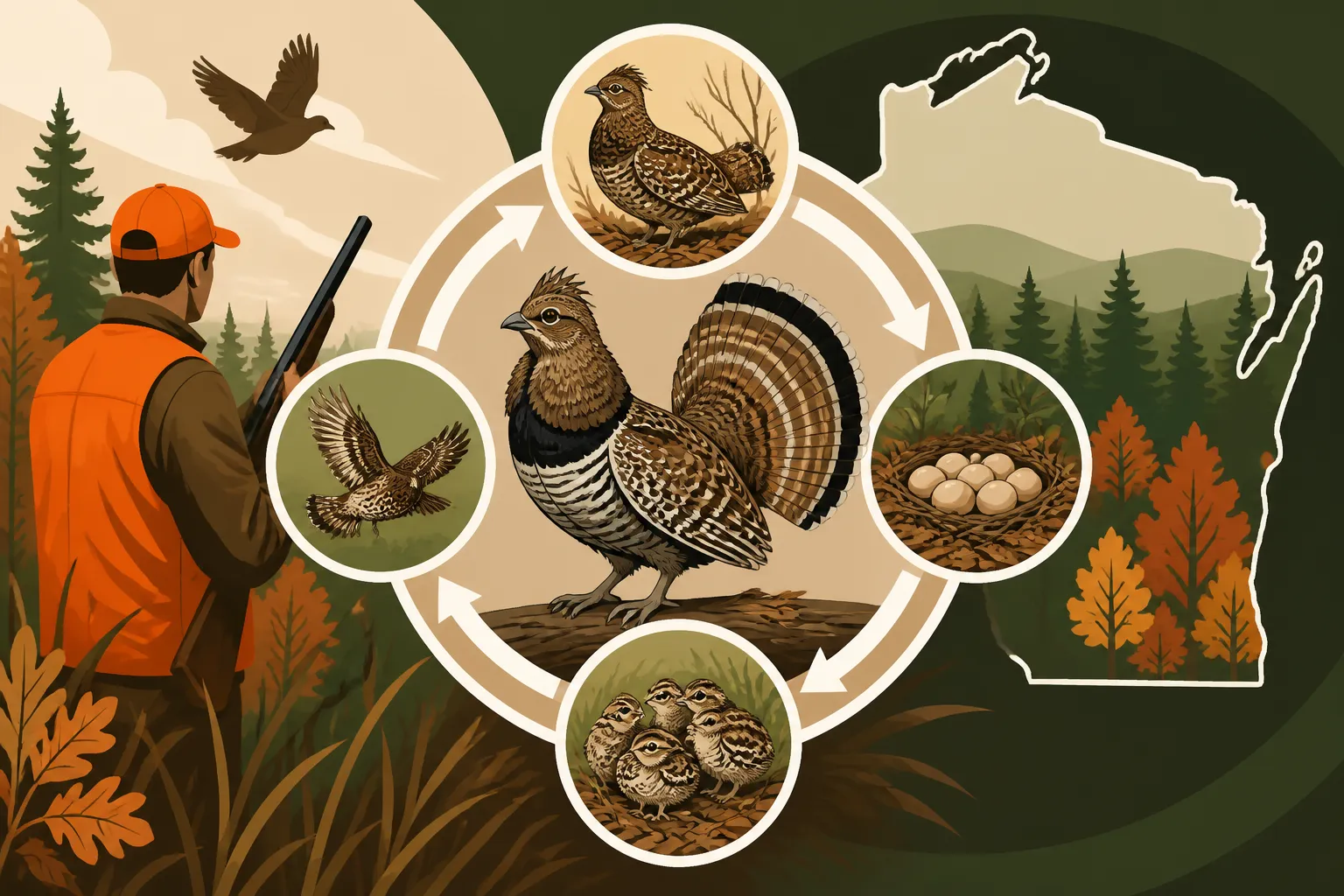
A grouse cycle isn't a random fluctuation; it's a relatively predictable, multi-year pattern of population increases and decreases, typically observed across much of the ruffed grouse's northern range, including our beloved Wisconsin. Think of it as a natural, long-term heartbeat of the forest, where numbers build up to a peak, then gradually decline to a low point, only to begin building again. These cycles usually span anywhere from 8 to 11 years, with a ten-year average being a common benchmark in Wisconsin. It's a boom-and-bust pattern that dictates the overall abundance of birds across large geographical areas, distinct from smaller, localized annual variations caused by weather or habitat changes in a specific woodlot. While yearly factors can certainly influence the amplitude of a cycle (how high the peak or how deep the trough), the underlying rhythm of growth and decline persists.
Theories Behind the Boom and Bust
The exact mechanisms driving these cycles are complex and still debated, but several leading theories attempt to explain this natural rhythm. The most classic explanation is the "predator-prey" hypothesis. This theory suggests that as grouse numbers increase, so do the populations of their primary predators, such as goshawks, great horned owls, foxes, coyotes, and bobcats. Eventually, the booming predator populations, having consumed other cyclical prey like snowshoe hares, exert intense pressure on the grouse, leading to a population crash. Once grouse numbers are low, predator populations also decline due to lack of food, allowing the grouse to slowly recover, starting the cycle anew.
Another significant factor is habitat quality and succession. Ruffed grouse thrive in young, regenerating forests – think aspen stands just 10-25 years old, dense alder thickets, and brushy clearcuts. This type of habitat provides the crucial dense cover they need for nesting, brooding, feeding, and evading predators. As these forests mature, they become less suitable for grouse. If a large region lacks sufficient young forest due to a lack of active timber management, it can exacerbate the lows of a cycle or even prevent populations from reaching historical peak levels. Some researchers also consider the potential influence of disease, especially more recently with West Nile Virus, though this is seen more as a factor that can lower the baseline or impact the severity of a decline rather than the fundamental driver of the cyclical pattern itself. Ultimately, it's likely a combination of these and other ecological factors interacting in a complex dance that produces the observed cycle.
Wisconsin's Grouse Cycle History and Trends
Understanding the current state of Wisconsin's ruffed grouse population often means looking back at decades of observations. The cycles are not new; they've been a defining characteristic of grouse hunting in our state for as long as detailed records have been kept.
Documenting Past Peaks and Valleys
The Wisconsin Department of Natural Resources (DNR) and various conservation organizations, like the Ruffed Grouse Society, have diligently tracked grouse populations over many years through drumming surveys, hunter surveys, and field observations. These records show a clear pattern of peaks and valleys. For instance, many veteran Wisconsin hunters can recall the incredible grouse numbers of the late 1970s and early 1980s, followed by the predictable dips in the mid-80s. Strong numbers again emerged in the late 1980s and early 1990s, with another significant peak occurring around 2000-2001, providing some of the best hunting in recent memory. After that peak, the familiar decline took hold. More recently, another moderate peak was noted around 2010-2011, after which we've experienced another period of lower numbers.
These historical snapshots illustrate that while the general pattern holds true, the exact height of a "peak" and the depth of a "trough" can vary. Factors like widespread disease outbreaks, particularly severe consecutive winters, or major shifts in habitat availability can influence the amplitude of the cycle, meaning some boom years might not be quite as "boomy" as previous ones, and some busts might feel deeper. Nevertheless, the underlying cyclical nature of Wisconsin Ruffed Grouse Numbers Today remains a consistent feature of our state's grouse dynamics.
Regional Differences in Cycle Impact
While the ruffed grouse cycle is a broad phenomenon, its effects aren't felt uniformly across all of Wisconsin. The most pronounced and predictable cycles occur in the extensive forests of northern Wisconsin. This region, characterized by large tracts of continuous timberland dominated by aspen and mixed hardwoods, offers the expansive, regenerating habitat that grouse require for truly booming populations. When the cycle is on an upswing here, the bird numbers can be truly staggering.
In contrast, the more fragmented habitats of central Wisconsin (like the Central Sands region) and the Driftless Area in the southwest tend to show less dramatic cyclical fluctuations. While populations still rise and fall, the peaks might not be as high, and the lows might not be as deep. This is often because these areas have smaller, more isolated patches of prime grouse cover, and their baseline populations are generally lower. Localized factors, such as specific timber harvest activities, intense localized predation, or even severe weather events, can have a more dominant impact on grouse numbers in these regions compared to the broad, cyclical force seen in the northern forests. However, even in these areas, hunters will still notice periods of better and worse grouse years, just perhaps without the textbook 10-year swing.
Key Factors Influencing Wisconsin Grouse Populations Beyond the Cycle
While the cyclical nature of grouse populations is undeniable, it's crucial to understand that numerous other factors play significant roles in determining overall bird numbers, influencing how high those peaks can get and how low the valleys plunge. Ignoring these elements would be missing a huge piece of the grouse puzzle.
Habitat: The Undisputed King of Grouse Management
If there's one single factor that stands above all others for ruffed grouse, it's habitat. Ruffed grouse are quintessential "early successional" species, meaning they thrive in young, regenerating forests. They need dense, thick cover – the kind of stuff that makes you feel like you're pushing through a wall of branches – for nearly every aspect of their lives. This includes protection from aerial predators like hawks and owls, concealment from ground predators such as foxes and coyotes, nesting cover, and crucial winter food sources like aspen and birch buds.
Therefore, active timber management, particularly the clearcutting of aspen stands, is absolutely vital for maintaining healthy grouse populations. When a stand of aspen is clearcut, it regenerates quickly and densely, creating an explosion of young trees and brush that is perfect for grouse for the next 10-25 years. Without this kind of disturbance, whether from logging or natural events like fire or beaver activity, forests mature, and the dense understory eventually thins out, becoming less suitable for grouse. The challenge in many areas is a lack of sufficient young forest due to a variety of factors, including changing timber markets and a general societal aversion to "ugly" clearcuts. Conservation groups like the Ruffed Grouse Society work tirelessly with landowners and state agencies to promote Aspen Management and Wisconsin Grouse, recognizing it as the single most effective tool we have to support grouse populations.
Predation Pressure and Its Role
Predators are a natural and necessary part of any healthy ecosystem, and ruffed grouse have a long list of them. Beyond the aforementioned goshawks, great horned owls, foxes, and coyotes, local populations can also be affected by bobcats and even domestic pets in areas bordering human development. It's a tough world out there for a grouse. While predation isn't considered the sole driver of the grouse cycle, it certainly plays a major role in amplifying the cycle's effects. During peak grouse years, predators might not have as significant an impact on the overall population simply because there are so many birds. However, as grouse numbers start to decline, increased predator populations (often peaking slightly after the grouse) can accelerate that decline, pushing numbers lower and keeping them there until predator numbers also naturally fall back.
The best defense for a grouse against predation isn't necessarily fewer predators; it's robust, dense habitat. A grouse tucked into an impenetrable tangle of young aspen or alder is far less likely to become a meal than one caught in sparse, mature timber. This again reinforces the importance of habitat quality in providing safe havens. Hunters might be interested in resources on Coyote Calling in Wisconsin Winter if they want to manage some predator populations, but for grouse specifically, habitat reigns supreme as the primary defense.
Weather Extremes and Disease Impact
Beyond the rhythmic pulse of the cycle and the ever-present threat of predators, annual weather patterns and emerging diseases can significantly impact grouse numbers, often dictating the success of a given breeding season or even entire generations of birds. Harsh winters, especially those with prolonged periods of deep, powdery snow that can limit access to crucial food sources (like fallen seeds or even ground-level buds), or worse, periods of thawing and refreezing that create an icy crust preventing birds from "snow roosting" (burrowing into soft snow for warmth and cover), can lead to increased winter mortality.
Even more critical are cold, wet springs. Ruffed grouse chicks (poults) are highly susceptible to hypothermia and starvation in their first few weeks of life. A prolonged spell of cold rain during the crucial hatching and brooding period can decimate a year's hatch, leading to a noticeable drop in bird numbers in the fall.
More recently, the emergence and spread of West Nile Virus (WNV) has become a serious concern for grouse populations in Wisconsin and across the Great Lakes region. Studies have shown that ruffed grouse are highly susceptible to WNV, and outbreaks can lead to significant mortality. While WNV might not be the cause of the cyclical pattern itself, it can certainly reduce the overall baseline population and limit how high the peaks can get, adding another layer of challenge for the species. The Wisconsin DNR actively participates in Wisconsin Wildlife Disease Monitoring programs to understand and track the impact of WNV and other diseases on wildlife populations, including grouse.
Monitoring and Interpreting Grouse Numbers
As hunters, we're keenly aware of the ups and downs of grouse populations. But how do biologists and, indeed, how can we as informed hunters, keep tabs on these cycles and understand where we currently sit? It's a combination of scientific surveys and boots-on-the-ground observation.
Drumming Surveys: A Hunter's Early Warning System
One of the most valuable tools for monitoring ruffed grouse populations is the annual drumming survey, conducted by the Wisconsin DNR each spring. These surveys capitalize on a unique behavior of male grouse: drumming. In an effort to attract mates and establish territories, male grouse stand on a log or stump and rapidly beat their wings to create a thumping sound that resonates through the quiet spring woods. Biologists drive established routes, stopping at specific points to listen and record the number of drums heard. This provides an index of the breeding population.
The results of these drumming surveys, typically released in late summer or early fall, serve as an excellent early warning system for hunters. When drumming counts are high compared to previous years, it's a good indicator that the breeding population is robust, and if nesting conditions are favorable, we can anticipate a good hunting season in the fall. Conversely, significantly lower drumming counts suggest that the population is likely on a downturn or in a low period, tempering expectations for the upcoming season. While these surveys don't provide an absolute count of every grouse in the woods, the long-term trend data they provide is invaluable for understanding Where Wisconsin Sits in the Grouse Cycle.
Hunter Flush Rates: Boots-on-the-Ground Intelligence
While scientific surveys give us a broad picture, the most direct and personal way to gauge grouse numbers is through your own hunting experiences – what we call "hunter flush rates." This involves simply paying attention to how many birds you (or your dog) flush per hour or per day of hunting in various cover types. This isn't just anecdotal; when tracked consistently over years, your personal flush rates can provide incredibly valuable, hyper-local intelligence that complements the broader DNR data.
For example, if you typically average 3-5 flushes per hour in a particular aspen cut during a peak year, but then struggle to flush even one bird in an entire morning during a low year, that's clear evidence of a population decline in your hunting area. Keeping a simple log in a small notebook, or even using digital hunting apps where you can mark flush locations, can turn your casual observations into powerful personal data. Platforms like GoHunt, while primarily known for their mapping capabilities and detailed public land overlays, can also be used to log your specific hunting efforts and bird encounters, helping you track your own personal success over seasons and contribute to your understanding of local trends. Sharing these observations with trusted hunting buddies can also provide a broader perspective on conditions across a wider area, helping everyone prepare for the season ahead.
Adapting Your Hunting Strategy to the Cycle
The beauty and challenge of hunting ruffed grouse in Wisconsin lie in adapting to the ever-changing landscape of their populations. A strategy that worked wonders during a boom year might leave you frustrated and empty-handed during a bust. Understanding where you are in the cycle allows for more effective and enjoyable hunting.
Hunting During Peak Cycle Years
When Wisconsin's grouse cycle is on an upswing or at its peak, the woods truly come alive. These are the years every grouse hunter dreams of, when flushes are frequent, and you might even encounter multiple birds in a single small thicket. During these abundant times, your hunting strategy can afford to be a bit more expansive and adventurous.
You can often focus on larger blocks of prime habitat, knowing that birds will be more widely distributed. While the densest cover is always a good bet, you might find grouse in slightly less dense areas, along older logging roads, or in the edges of maturing timber adjacent to younger stands. It's an excellent time to explore new areas you've always wondered about, as even marginal cover might hold birds. For instance, if you're targeting Grouse Hunting Wisconsin Aspen Cuts, you might find success in aspen stands that are a few years older or younger than the "ideal" 15-20 year range, simply because there are so many birds moving around. These peak years are fantastic for introducing new hunters to the sport or for breaking in a young bird dog, as the frequent bird contact helps build confidence and experience quickly. Don't be afraid to slow down and thoroughly work areas where you get a flush, as singles from a dispersed covey might still be holding tight nearby.
Navigating Low Cycle Years
Conversely, hunting during the low years of the grouse cycle demands a far more focused and often grueling effort. These are the seasons that truly test a grouse hunter's persistence and understanding of habitat. During a bust, grouse numbers are significantly reduced, and the birds that remain will be concentrated in only the absolute best, most secure cover.
Your strategy must pivot dramatically: focus relentlessly on the densest, nastiest, "perfect" young forest habitat you can find. This means pushing through impenetrable tangles of young aspen, alder runs, and conifer thickets – the places you might avoid in a peak year due to their sheer difficulty. Grouse will be seeking maximum protection from predators, so they'll be in the spots that offer the best escape cover. Slow down your pace considerably. Work cover thoroughly, almost meticulously, re-working areas you've walked before. A good, close-working bird dog is an invaluable asset in these conditions, capable of sniffing out the few remaining birds that are holding incredibly tight. If you don't have a dog, or if your dog struggles in such dense cover, you might need to employ tactics for Flushing Grouse Without a Dog, relying on your own keen eyes and ears to spot subtle signs and anticipate flushes. These years demand patience, a deep understanding of grouse habitat, and a willingness to work harder for every single bird.
The Future of Wisconsin Grouse Hunting and Conservation
As stewards of our natural resources, hunters play a crucial role in the conservation of ruffed grouse. Understanding the cycles is important, but proactive management and ongoing research are what ensure these iconic birds continue to thrive in Wisconsin's forests for generations to come.
The Role of Active Forest Management
At the heart of ruffed grouse conservation lies active forest management. It cannot be overstated: without the creation and maintenance of young forest habitat, grouse populations will inevitably decline, regardless of where they are in their natural cycle. This often means embracing timber harvest, specifically clearcutting, as a vital tool for wildlife management. While some may view clearcuts as unsightly, they are ecological necessities for species like ruffed grouse, snowshoe hares, and many songbirds. These logging activities, when done strategically, create the critical dense cover and food sources these species need.
Various programs and partnerships exist within Wisconsin to promote this type of management. The DNR works with county forests, private landowners, and conservation organizations like the Ruffed Grouse Society to implement habitat projects. These initiatives aim to increase the amount of young, diverse forest acreage across the state. As hunters, advocating for and supporting sound forest management policies is one of the most impactful things we can do for grouse. Utilizing mapping tools, such as the public land layers and habitat information available within the GoHunt platform, can help hunters identify areas that have recently undergone timber management or are designated as prime young forest habitat, thus optimizing their hunting efforts and understanding where conservation efforts are paying off.
Research and Monitoring for Long-Term Health
Beyond active habitat management, ongoing research and monitoring are absolutely crucial for the long-term health of Wisconsin's ruffed grouse. Biologists continue to study the intricacies of the grouse cycle itself, but also delve into emerging threats and challenges. For example, research into the prevalence and impact of West Nile Virus is vital for understanding why grouse numbers might not be reaching historical peaks. Climate change, which could alter habitat suitability and weather patterns, is another area of ongoing concern.
The data collected from DNR drumming surveys, hunter harvest reports, and even citizen science initiatives where hunters report their observations, all feed into this larger pool of knowledge. These data help biologists fine-tune management strategies, set appropriate hunting seasons, and identify areas where conservation efforts are most needed. By participating in surveys, respecting regulations (like those found in Wisconsin Small Game and Furbearer Seasons), and simply being observant in the field, hunters contribute directly to the scientific understanding that underpins sustainable wildlife management. Ultimately, while the grouse cycle is a natural phenomenon, our collective efforts in managing habitat and supporting scientific research ensure that these magnificent birds will continue to provide thrilling experiences for future generations of Wisconsin hunters.
Ruffed Grouse Cycle Characteristics
To summarize, here's a quick look at how hunting and bird behavior might differ depending on where we are in the grouse cycle.
| Feature | Peak Cycle Year | Low Cycle Year |
|---|---|---|
| Grouse Abundance | High; frequent flushes, multiple birds in coveys | Low; infrequent flushes, often single birds |
| Hunting Effort | Often easier; birds more spread out, more forgiving | Much harder; birds concentrated in best cover, wary |
| Habitat Focus | Can explore diverse covers, even marginal areas | Must target densest, highest-quality young forest |
| Dog Performance | Dogs may range wider; more retrieves, easier training | Dogs need to work tighter, more precisely; difficult |
| Hunter Morale | Generally high, lots of action, often less walking | Can be frustrating, requires patience and persistence |
| Conservation Message | Enjoy the abundance, support habitat efforts actively | Focus on habitat, understand natural fluctuations |
Disclaimer
Please remember that hunting regulations, season dates, and specific area rules can change. Always consult the most current Wisconsin Department of Natural Resources (DNR) regulations before heading afield. This guide provides general information and recommendations but is not a substitute for official DNR publications.