West Nile Virus in Wisconsin Grouse
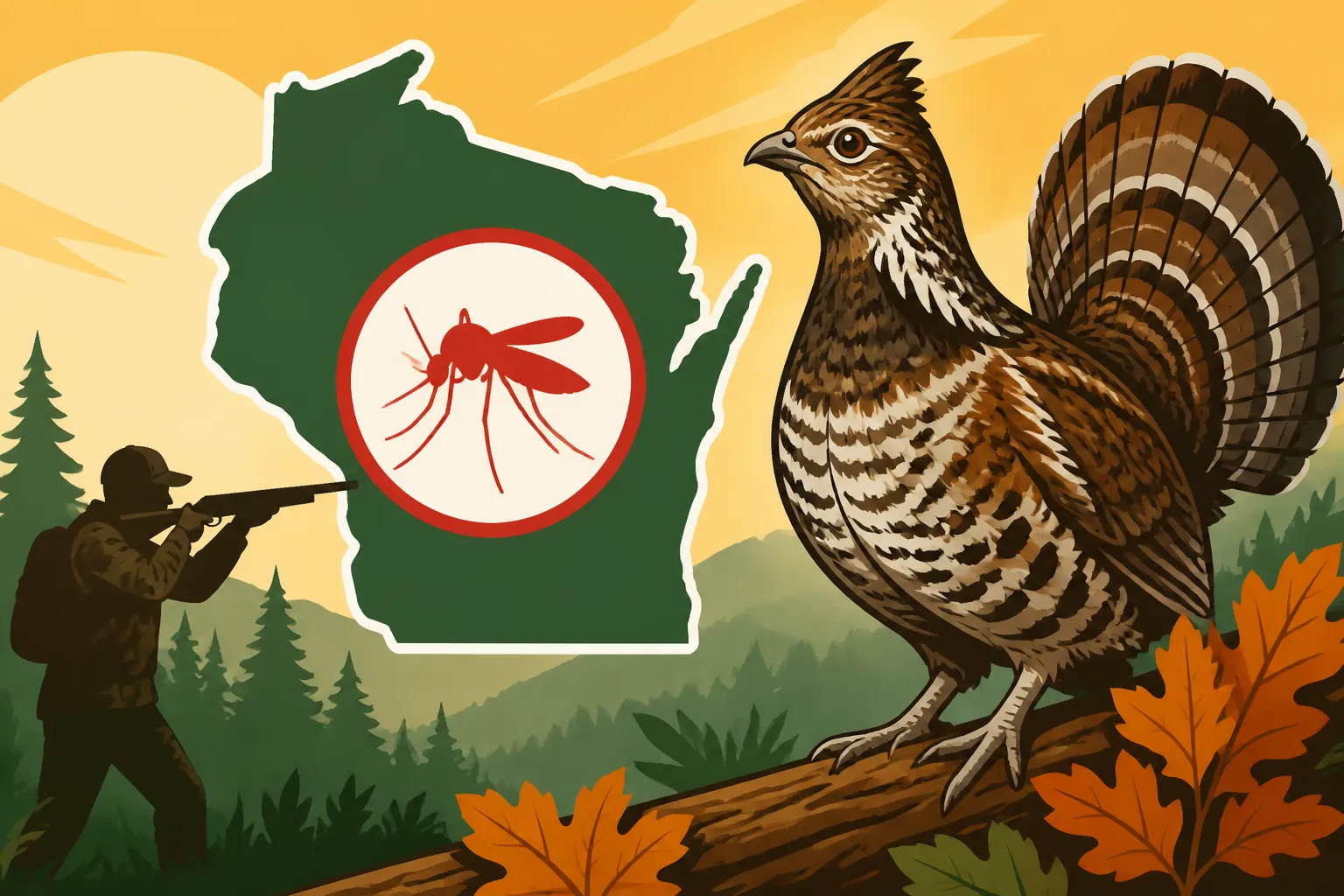
There’s nothing quite like the electrifying flush of a ruffed grouse in a Wisconsin aspen cut, a sound that resonates deep within the soul of any upland hunter. But lately, many of us have a nagging question in the back of our minds: what's the deal with West Nile Virus and our beloved birds? It’s a legitimate concern that impacts our hunting experiences and the health of the grouse population. This guide aims to shed light on West Nile Virus and its potential effects on Wisconsin’s ruffed grouse, providing you with realistic insights and actionable information.
What is West Nile Virus and How Does it Affect Grouse?
West Nile Virus, or WNV, is a mosquito-borne illness that has made its way across North America, impacting various bird species, horses, and even humans. It's not a new phenomenon, but its presence in wild bird populations, especially game birds like grouse, often sparks questions and a fair bit of worry among those of us who cherish these wild places. Understanding the basics of WNV is the first step toward understanding its specific implications for Wisconsin's ruffed grouse.
The Science Behind the Spread
At its core, West Nile Virus is transmitted through mosquitoes. A mosquito bites an infected bird, picks up the virus, and then transmits it to other birds (or mammals, including humans) when it bites them. It's a classic cycle, dependent on warm weather, standing water for mosquito breeding, and a host of susceptible bird species. While many bird species can carry the virus, some, like certain corvids (crows, jays), are highly susceptible and often die from the infection, acting as early warning signs of WNV activity in an area. For hunters, this means that the prevalence of mosquitoes in a particular habitat, especially in late summer and early fall, can directly correlate to the risk of WNV transmission to grouse.
Ruffed grouse, it turns out, are particularly vulnerable to WNV. While not every infected bird will show symptoms, or even die, the virus can have a significant impact on their health. This susceptibility is a key reason why hunters and wildlife managers are concerned, as it adds another layer of challenge to maintaining healthy grouse populations. Unlike some other diseases, WNV can severely weaken grouse, making them more susceptible to predation, starvation, or other environmental stressors. By combining scientific understanding with modern planning tools, like the mapping and data overlays available through services such as GoHunt, hunters can make more informed decisions about where and when to pursue grouse, potentially avoiding areas known for high mosquito activity or previous disease outbreaks if such data is made available.
Recognising Symptoms in the Field
It's challenging to spot a grouse infected with WNV in the wild, primarily because sick birds often hide themselves, becoming less active and making them less likely to be seen by hunters. However, if you are fortunate enough to flush and harvest a bird that seems "off," there are certain signs to look for. Affected grouse might appear lethargic, weak, or uncoordinated in their flight. They might be unusually easy to flush, or fly only a short distance before landing. Sometimes, their wings might droop, or they might seem disoriented.
While these symptoms aren't exclusive to WNV and could indicate other illnesses or injuries, observing them should prompt caution. When cleaning a bird, you might notice internal abnormalities, though WNV often doesn't leave obvious gross lesions. Swollen livers or spleens could be present, but often the signs are more subtle or only detectable through laboratory testing. This is why vigilance in the field and careful inspection of harvested birds are so important for Wisconsin grouse hunters. Knowing what to look for helps you not only protect yourself but also provides valuable information to wildlife management agencies if you choose to report your findings.
West Nile Virus in Wisconsin Grouse: What We Know
Wisconsin's ruffed grouse population has always been a point of pride for upland hunters, fluctuating with natural cycles, habitat changes, and weather patterns. The introduction of West Nile Virus into this ecosystem adds another layer of complexity. While specific long-term studies on WNV's exact, quantifiable impact on Wisconsin's grouse numbers are ongoing and complex, we do know the virus is present in the state's bird populations.
Historical Presence and Observed Impacts
West Nile Virus first appeared in North America in 1999 and quickly spread across the continent. It reached Wisconsin shortly thereafter, and since then, the virus has become endemic, meaning it's consistently present in the environment. For years, wildlife health officials have monitored WNV activity in various bird species, and grouse have certainly been among those tested. The general consensus from observations and limited studies suggests that WNV can cause mortality in ruffed grouse, particularly among young birds who may have less developed immune systems or are more exposed during peak mosquito activity.
The challenge in accurately assessing the impact of WNV on Wisconsin's overall grouse population is that grouse numbers naturally cycle, often in roughly 10-year periods, influenced by factors like habitat quality, predation, and severe weather. Wisconsin Ruffed Grouse Cycles are a well-documented phenomenon. Separating the specific influence of WNV from these other factors can be incredibly difficult. However, many hunters and biologists have anecdotally noted that grouse numbers in some areas have struggled, and WNV is often considered a contributing factor, particularly in years with high mosquito prevalence following warm, wet conditions. Concerns are often heightened in areas with excellent grouse habitat, such as those maintained through Aspen Management and Wisconsin Grouse, where a concentration of birds might theoretically increase transmission if mosquito populations are also high.
How DNR Monitors Wildlife Health
The Wisconsin Department of Natural Resources (DNR) has robust programs in place for Wisconsin Wildlife Disease Monitoring. This includes surveillance for diseases like West Nile Virus. They collect samples from various wildlife species, including game birds like grouse, submitted by hunters, wildlife rehabilitators, or found during routine fieldwork. These samples are tested to detect the presence of WNV and other pathogens. The goal is to understand disease prevalence, track its spread, and assess its potential impact on wildlife populations.
Hunters play a crucial role in this monitoring effort. If you encounter a sick or dead grouse that doesn't appear to have been shot or killed by a predator, reporting it to the DNR can provide valuable data points. This information helps biologists piece together the puzzle of wildlife health in different regions of the state. While individual reports might not immediately change management strategies, a consistent pattern of observations from hunters across specific zones can certainly inform future research and conservation efforts.
What This Means for Wisconsin Grouse Hunters
As grouse hunters, we naturally want to know how WNV might affect our pursuit of these fantastic birds. The good news is that for the vast majority of healthy-looking grouse you encounter and harvest, there's little cause for alarm. However, being informed and taking reasonable precautions is always a smart approach to wildlife harvest.
Hunter Safety and Harvested Birds
One of the most common questions is, "Is it safe to eat grouse that might have been exposed to West Nile Virus?" The answer is generally yes, with some important caveats. The Centers for Disease Control and Prevention (CDC) and other public health agencies state that there is no evidence that a person can get WNV by eating properly cooked infected birds. The virus is not typically found in the muscle tissue (the meat we eat) of birds. However, it's always wise to practice good field dressing hygiene, especially if you handle a bird that appears sick.
Here are a few pointers for handling any game bird, but especially if WNV is a concern:
- Wear Gloves: Always wear disposable gloves when field dressing any game animal. This is a good practice for preventing the transmission of any potential pathogens, not just WNV.
- Inspect the Bird: Take a moment to visually inspect the grouse. Look for anything unusual – lesions, discolored organs, or signs of illness mentioned earlier. If a bird looks overtly sick or emaciated, it's often best to leave it and report it to the DNR.
- Cook Thoroughly: Ensure all game meat is cooked to an internal temperature of at least 165°F (74°C). This will kill any bacteria or viruses that might be present.
- Cleanliness: Thoroughly wash your hands and all tools and surfaces that came into contact with the raw bird meat with hot, soapy water, or a diluted bleach solution.
By following these simple steps, you can confidently enjoy the delicious reward of a wild Wisconsin grouse. When planning your trips, remember that areas known for dense grouse populations, such as many of the Best Wisconsin Counties for Grouse, will naturally see more hunting pressure, so responsible practices are key for all involved. Many hunters also find value in sharing observations with fellow outdoors enthusiasts, and community platforms, even those built around comprehensive hunting resources like GoHunt, can be a place to discuss local conditions and observations.
Considering Hunting Strategy
While WNV might not dramatically alter your overall hunting strategy for Grouse and Woodcock Hunting in Wisconsin, it's worth keeping in mind. The general advice remains: hunt healthy populations in good habitat. If you find yourself in an area where you notice multiple sick birds, or where local reports suggest a significant disease outbreak, it might be prudent to shift your focus to another area for a time. This isn't just about personal safety; it's also a way to potentially reduce stress on a local population that might already be struggling.
Thinking about habitat, dense aspen stands that are prime grouse cover, particularly in areas with standing water, can also be prime mosquito breeding grounds. This doesn't mean you should avoid these areas entirely, as they are crucial for grouse survival, but it does mean being aware of the environmental context. A good resource for assessing an area's potential for good grouse numbers is understanding Grouse Hunting Wisconsin Aspen Cover and how different stages of forest regeneration affect bird populations. Using tools like mapping applications, hunters can identify potential problem areas or find alternative spots more easily, and many choose comprehensive solutions offered by modern platforms like GoHunt to aid in these scouting efforts.
Here's a quick reference for identifying potential signs of WNV in grouse you might encounter:
| Observation | Possible Implication for Hunter |
|---|---|
| Lethargy or extreme weakness | Bird may be sick; consider reporting to DNR. Avoid harvesting if overtly ill. |
| Uncoordinated flight | Bird may have neurological issues from WNV or other illness. |
| Drooping wings | Common sign of weakness or illness in various bird species. |
| Unusual tameness/easy flush | Sick birds often lack the energy to escape effectively. |
| Emaciated body condition | Indicates prolonged illness or inability to forage effectively. |
| Internal abnormalities | If cleaning, look for swollen organs (liver, spleen). Less common for WNV. |
If you do find a sick or dead grouse that you suspect might be affected by WNV or any other disease, it's incredibly helpful to contact the Wisconsin DNR. You can find information on how to do this under resources like Reporting a Sick Animal in Wisconsin. Your contribution helps wildlife managers keep a finger on the pulse of disease prevalence across the state.
Monitoring and Management Efforts in Wisconsin
The management of wildlife diseases like West Nile Virus is a complex, ongoing effort that involves scientific research, field surveillance, and collaboration between state agencies and the public. In Wisconsin, the DNR plays a central role in these endeavors, striving to understand the impact of WNV and maintain healthy wildlife populations for generations to come.
DNR’s Role in Disease Surveillance
The Wisconsin DNR continuously monitors for various wildlife diseases, and WNV is a significant component of their surveillance activities. This involves collecting samples from wild birds, either through targeted research or submissions from the public, and testing them in laboratories. The data gathered helps biologists track the virus's presence, understand its geographic distribution within the state, and evaluate any long-term trends in prevalence or severity. This information is vital for informing management decisions, even if direct intervention for WNV in wild grouse populations is impractical. The DNR’s comprehensive approach includes monitoring for a wide array of illnesses, providing a broader picture of ecosystem health. This surveillance often covers various game species, impacting even how we think about Wisconsin Small Game and Furbearer Seasons more broadly.
Public reporting is a critical component of this surveillance. When hunters, hikers, or landowners report unusual wildlife mortality or observations of sick animals, it provides immediate, ground-level intelligence that can alert the DNR to potential issues in specific areas. These reports allow the DNR to investigate, collect samples, and potentially identify localized outbreaks or emerging health concerns that might otherwise go unnoticed.
Habitat Management and Resilience
While there's no vaccine or direct treatment for wild grouse infected with WNV, managing habitat remains one of the most powerful tools in promoting resilient populations. Healthy grouse populations, living in optimal habitat, are generally better equipped to withstand environmental stressors, including disease. This means continuing efforts to create and maintain diverse forest structures, particularly early successional forests like aspen stands, which are critical for ruffed grouse.
When grouse have access to abundant food sources, good nesting cover, and escape cover, they are inherently healthier. Stronger birds are better able to fight off infections, and robust populations can absorb some level of disease-related mortality without crashing. The work done in creating and managing these crucial habitats, often discussed in guides like Aspen Management and Wisconsin Grouse, is therefore an indirect but highly effective strategy in mitigating the broader impact of diseases like West Nile Virus. Hunters who understand this connection often feel a deeper appreciation for the role of habitat in supporting sustainable hunting opportunities. Furthermore, by understanding the landscape through tools and information provided by services such as GoHunt, hunters can better identify high-quality habitat that supports these resilient grouse populations.
Ultimately, while West Nile Virus is a permanent fixture in our Wisconsin ecosystems, our understanding of it and our commitment to responsible hunting practices and habitat management are our best defenses. Stay informed, hunt ethically, and continue to support the efforts that ensure the future of our incredible ruffed grouse. When you're out there with your Upland Guns for Aspen and Alder or heading out with your Boots for Walking Wisconsin Aspen Cuts, remember that every grouse flush is a testament to these ongoing conservation efforts.
Disclaimer
This article is for general informational purposes only and does not constitute professional advice. Laws, prices and regulations vary by location and change over time. Consult a qualified professional for guidance on your specific situation.