The Wisconsin Deer Registration Deadline
The thrill of a successful deer hunt in Wisconsin is truly something special. The quiet stalk, the perfect shot, the hard work of tracking and field dressing—it’s a culmination of effort and patience. But in that post-harvest excitement, it’s easy to forget one crucial final step: registering your deer. Missing this key deadline can quickly turn triumph into unnecessary stress and potential legal trouble. This comprehensive guide will walk you through everything you need to know about the Wisconsin deer registration deadline, why it matters, and how to make sure you're always compliant.
The Non-Negotiable Wisconsin Deer Registration Deadline
Let's cut right to the chase: the standard Wisconsin deer registration deadline is 5:00 p.m. on the day after you harvest your deer. This isn't a suggestion; it's a firm rule set by the Wisconsin Department of Natural Resources (DNR), and it applies across all deer seasons, whether you're bowhunting in September or participating in the nine-day gun season.
Imagine this scenario: you're out during Wisconsin's Archery and Crossbow Seasons Run in early October. You make a successful shot on a mature buck late on a Saturday afternoon, and after a careful track, you recover the deer just as the sun dips below the horizon. You get the deer back to camp, field dress it, and maybe even start butchering it the next morning. Your deadline for registering that deer would be 5:00 p.m. on Sunday. The clock starts ticking the moment your deer is harvested, not when you get it home or when you feel like it.
There are no special exceptions for different hunting methods, specific zones, or even for late-season hunts like the Wisconsin Holiday Antlerless Hunt. Whether you're using a vertical bow, a crossbow, a rifle, or a muzzleloader, the 5:00 p.m. the day after harvest rule remains constant. This consistency is actually a good thing because it eliminates guesswork. Every hunter needs to operate under the same clear understanding of the rules. It's a fundamental aspect of Wisconsin Deer Registration Rules.
This strict timeframe exists for a couple of very good reasons that benefit both the state’s wildlife management efforts and the integrity of hunting. First and foremost, it helps ensure the accuracy of harvest data. Timely registration means the DNR receives information on deer killed relatively quickly, which is critical for real-time monitoring and assessing harvest pressure during the season. Secondly, it helps deter illegal activity. A quick registration requirement makes it harder for unethical individuals to take more deer than their tags allow or to try to pass off illegally taken deer as legitimate harvests. It's a cornerstone of responsible wildlife management and hunter accountability in our state.
Why Your Prompt Registration Fuels Wisconsin's Wildlife Management
While the deadline itself is a critical compliance point, understanding why it’s so important can help you appreciate your role in the bigger picture of Wisconsin hunting. Your prompt deer registration is far more than just checking a box; it’s a direct contribution to the health and future of our deer herd and hunting opportunities.
Accurate Harvest Data and Population Estimates
Every time a hunter registers a deer, that data point feeds into a massive database maintained by the Wisconsin DNR. This cumulative information is invaluable. It tells wildlife biologists how many deer were harvested in specific counties, within particular deer management units (DMUs), and across different seasons. Without this information, the DNR would be essentially flying blind when it comes to assessing the Wisconsin Deer Population Estimate.
Think about it: the number of deer harvested directly influences how future season structures and tag allocations are determined. For example, if harvest numbers in the Northern Forest Zone are consistently lower than anticipated due to harsh winters, the DNR might adjust How Northern Forest Quotas Are Set for the following year to allow the herd to rebound. Conversely, if deer populations are booming in the Farmland Zone, leading to crop damage and increased deer-vehicle collisions, the DNR might increase antlerless tags, influencing How Farmland Zone Quotas Are Set. Your individual registration is a tiny, yet essential, piece of this complex puzzle that allows for science-based management decisions. A reliable mapping and scouting application, like GoHunt, can help you visualize these zones and plan your hunt, giving you a better understanding of the regulations specific to your hunting area.
Crucial for Chronic Wasting Disease CWD Monitoring
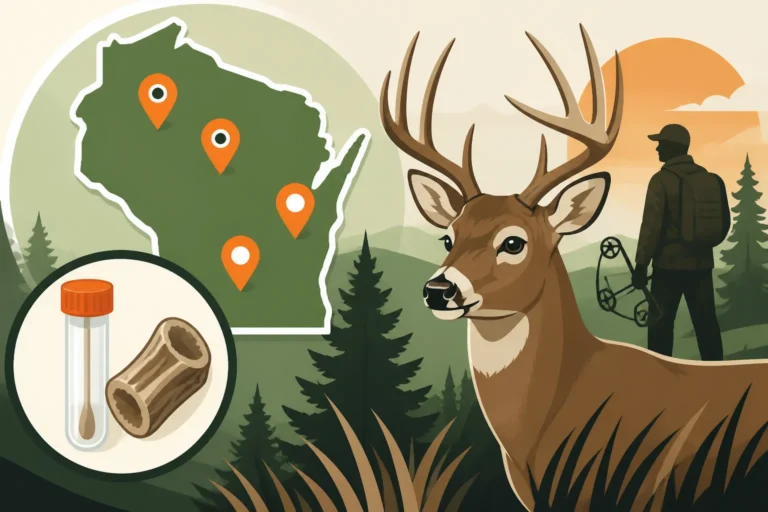
One of the most pressing challenges facing Wisconsin's deer herd is Chronic Wasting Disease (CWD). Your deer registration plays a vital role in the state's efforts to monitor and manage this disease. When you register your deer, especially in CWD-affected areas, you'll often be prompted or encouraged to submit samples for testing. The harvest information you provide – including the county and DMU where the deer was killed – is directly linked to these CWD samples.
This linkage allows the DNR to track Wisconsin CWD Prevalence Rates, identify new areas where the disease might be emerging, and understand its spread. This data then informs critical decisions like Wisconsin Carcass Movement Restrictions, which aim to prevent the further spread of CWD by limiting the transport of deer carcasses from affected counties. Your compliance with registration and voluntary CWD sampling isn't just a regulatory step; it's an active participation in safeguarding the long-term health of Wisconsin’s deer and elk populations. Knowing Which Wisconsin Counties Have CWD before you even head out can also impact your plans for processing and transporting your deer, making pre-hunt research a critical step.
Hunter Accountability and Ethical Practice
Beyond the data, timely deer registration reinforces a culture of accountability among hunters. It demonstrates adherence to legal requirements and ethical hunting practices. It’s a public record that you harvested a deer legally, with a valid tag, within the regulations. This transparency is important for maintaining the public’s trust in hunting and for ensuring that wildlife resources are managed responsibly for everyone. Ignoring the registration process, or trying to circumvent it, undermines the collective effort to manage our shared wildlife heritage and can lead to penalties ranging from fines to license revocation. Responsible hunters understand that their actions contribute to the reputation of the entire hunting community.
Navigating the Wisconsin Deer Registration Process
Registering your deer in Wisconsin is designed to be straightforward, thanks to the state's "Go Wild" system. While there are a couple of methods available, both aim to be convenient for hunters, even those out in more remote areas.
Online Registration via Go Wild
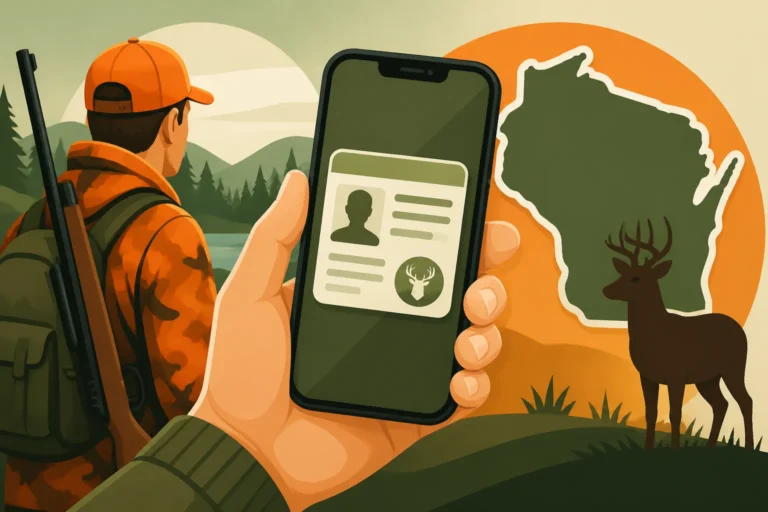
The most common and often easiest way to register your deer is online through the Wisconsin DNR's "Go Wild" licensing and registration system. This platform is accessible 24/7, making it convenient whether you're registering right after the recovery or a few hours later from the comfort of your home.
Here's a general step-by-step process for online registration:
- Access the Go Wild System: Head to the Wisconsin DNR website and navigate to the Go Wild portal. You'll need your customer ID number to log in.
- Select "Register Game": Once logged in, you'll find an option to "Register Game." Click on this.
- Choose "Deer": You'll be prompted to select the type of animal you're registering. Choose "Deer."
- Enter Harvest Authorization Number: This is the unique number found on your physical or electronic deer tag (often called your "buck" or "antlerless" authorization). It's crucial for tying your harvest to your specific license.
- Provide Harvest Details: You'll be asked a series of questions about your harvest:
- County of Harvest: Select the specific county where you killed the deer.
- Deer Management Unit (DMU): This will usually auto-populate based on the county, but confirm it's correct. Knowing your Finding Your Wisconsin Deer Management Unit beforehand is always a good idea.
- Date of Harvest: The exact day you harvested the deer.
- Time of Harvest: The approximate time of day.
- Sex of Deer: Buck or doe.
- Antler Points (if applicable): If it's an antlered deer, you'll need to count the number of points on one side, or total points, depending on the prompt. This detail is crucial for buck harvest statistics.
- Weapon Used: Rifle, shotgun, muzzleloader, vertical bow, crossbow, handgun.
- Public or Private Land: Indicate whether the deer was taken on public or private land.
- Review and Confirm: Double-check all the information you’ve entered. Mistakes can lead to issues, so take your time.
- Receive Confirmation Number: Once submitted, you'll receive a unique confirmation number. It's vital to write this number down or take a screenshot. This number is your proof of registration.
While many hunters rely on tools like GoHunt for advanced scouting, map overlays, and understanding regulations, the actual deer registration process is handled exclusively through the official Wisconsin DNR Go Wild system. GoHunt and similar apps are fantastic for preparation, but when it comes time to register that hard-earned deer, you'll be using the state's dedicated platform.
Phone Registration
For those times when internet access is spotty, non-existent, or you simply prefer to speak with someone, Registering a Wisconsin Deer by Phone is a reliable alternative. This option is a lifesaver when you're deep in the Hunting the Wisconsin Northern Forest for Deer or in a remote corner of the Driftless Area Deer Hunting in Wisconsin where cell service might be unreliable for data, but strong enough for a call.
To register by phone, you'll dial a dedicated toll-free number provided by the DNR. You'll then follow the prompts, entering the same harvest information you would online. Just like with online registration, you'll receive a confirmation number at the end of the call, which you should record diligently.
Essential Information for Registration
Regardless of the method you choose, you'll need the following key pieces of information readily available:
| Information Needed | Description |
|---|---|
| Harvest Authorization Number | Found on your valid deer tag (often a "buck" or "antlerless" authorization). |
| Date of Harvest | The specific day the deer was killed. |
| Time of Harvest | The approximate time (AM/PM). |
| County of Harvest | The county where the deer was taken. |
| Deer Management Unit (DMU) | The specific DMU within that county. |
| Sex of Deer | Whether the deer was a buck (antlered) or doe (antlerless). |
| Number of Antler Points (if antlered) | Count all points 1 inch or longer on an antler. |
| Weapon Used | The type of weapon (e.g., rifle, bow, crossbow, muzzleloader, shotgun, handgun). |
| Public or Private Land | Indicate where the deer was harvested. |
Make sure to have your physical tag, or a clear photo of your electronic tag, handy to avoid any errors when entering the harvest authorization number. Once you have your confirmation number, you've successfully completed the legal requirement for registration. It’s a good practice to keep this confirmation number with your license information until the end of the hunting season.
Overcoming Common Registration Challenges and What to Watch For
Even with a straightforward system, hunters sometimes encounter situations that make registration tricky. Planning ahead and knowing what to do can save you a lot of headache.
No Cell Service in Remote Hunting Areas
This is a classic problem for those who venture deep into public lands, whether you're Hunting the Wisconsin Northern Forest for Deer or still-hunting through thick Still-Hunting Wisconsin Cedar Swamps. You've made a great shot, recovered your deer, but your phone shows "No Service." What now?
The key here is anticipation. Before you head out, especially to known dead zones, have a plan. The phone registration option becomes your best friend. Even if data isn't available, sometimes a weak cell signal is enough for a voice call. Carry a physical copy of the DNR phone registration number, or have it written down somewhere accessible. Also, mentally note where the closest areas with reliable cell service are on your hunting map. You might need to drive a short distance out of the woods to get enough signal to make the call. Remember, the deadline is 5:00 p.m. the next day, so you typically have some time to get to a service area, provided you don't wait until the last minute. Using an offline map tool like GoHunt can help you identify potential service points or plan your route out of remote areas.
Technical Glitches and Unexpected Outages
Technology isn't foolproof. Websites can go down, or the phone lines might be temporarily overloaded during peak times, especially during the opening weekend of Wisconsin's Nine-Day Gun Deer Season. If you encounter an issue with the online system, don't panic. First, try refreshing the page or attempting registration a few minutes later. If the problem persists, switch to the phone registration option. If both are experiencing issues, document the problem (e.g., take a screenshot of an error message, note the time you tried calling) and keep trying. While rare, persistent, widespread outages might warrant a public announcement from the DNR, but you are still responsible for registering your deer.
Youth Hunts and Mentored Hunting Rules
For our younger hunters participating in the Hunting the Wisconsin Youth Deer Hunt or individuals using a mentored hunting license, the registration rules generally follow the same 5:00 p.m. the next day deadline. However, it's essential to understand who is responsible for the actual act of registration. Typically, the individual whose harvest authorization was used (the youth or the mentored hunter) is the one whose information is entered into the system. The mentor's role is to guide and supervise, ensuring the rules are followed, which includes timely and accurate registration. Always double-check the specific rules for Wisconsin Youth Deer Hunt Rules or mentored hunting to confirm any unique requirements.
Lost Harvest Authorizations
It happens. In the excitement of the hunt, or during the recovery and field dressing process, your physical harvest authorization tag could get lost. This can be a stressful moment, but it's not the end of the world. If you use the Go Wild system, your harvest authorizations are also linked to your account digitally. You can often access the number you need by logging into your Go Wild profile on your phone or computer. If you cannot access it, contact the DNR directly for assistance. Having your customer ID number readily available will speed up the process.
CWD Sampling and Carcass Transportation
While not strictly part of the registration deadline, how you handle CWD sampling and carcass transportation is intrinsically linked to the registration process. After you register your deer, especially in a CWD-affected county, you'll typically find information on nearby Wisconsin CWD Sampling and Test Sites. Make it a priority to submit your sample, as it’s vital for monitoring the disease.
Furthermore, remember the Wisconsin Carcass Movement Restrictions. If you harvest a deer in a CWD-affected county, there are rules about how you can transport that carcass out of the county. Generally, only deboned meat, capes, and antlers (with no brain tissue attached) can be moved from CWD-affected counties. Your registration helps establish the origin of the deer, which is critical for enforcing these rules. Planning your processing steps, including potential CWD testing and carcass transport, should be part of your pre-hunt strategy, especially if you're hunting in a CWD-prone area.
By understanding these common challenges and planning for them, you can ensure that the registration of your hard-earned Wisconsin deer is a smooth, compliant, and stress-free part of your hunting experience.
Disclaimer
Please remember that hunting regulations can change. While this guide aims to provide accurate and up-to-date information, it is always your responsibility as a hunter to consult the official Wisconsin Department of Natural Resources (DNR) regulations and guidelines before heading into the field. This content is for informational purposes only and should not be considered legal advice.