Hunting the Wisconsin Youth Deer Hunt
The excitement, and let's be honest, sometimes the sheer chaos, of introducing a young hunter to the deer woods can be overwhelming. Many seasoned hunters remember their first deer hunt as a rite of passage, but guiding a child through the process brings a unique set of challenges and immense rewards. This comprehensive guide is here to walk you through everything you need to know about the Wisconsin Youth Deer Hunt, from understanding the rules to making sure it's a safe, memorable, and successful experience for the next generation of hunters.
Understanding the Youth Deer Hunt Structure
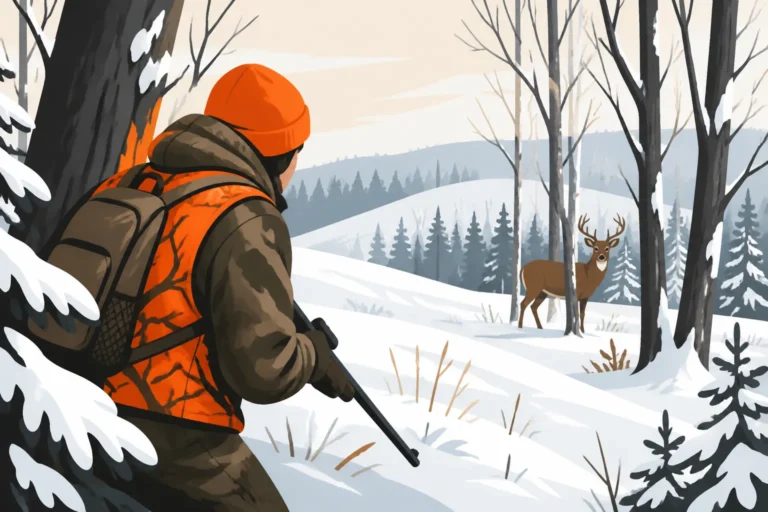
The Wisconsin Youth Deer Hunt is a special opportunity designed to foster a love for hunting in young people, giving them a dedicated weekend to pursue deer with a mentor. It’s held annually, typically in early October, providing a less pressured environment before the general gun season kicks off. This focus allows mentors to provide undivided attention, teach valuable skills, and build lasting memories, all while enjoying the crisp autumn air.
Eligibility and Key Dates
To participate in the Wisconsin Youth Deer Hunt, young hunters must be between the ages of 10 and 15, inclusive, on the date of the hunt. This age range is critical, as it ensures they are old enough to safely handle firearms and understand the responsibilities of hunting, but still young enough to benefit from the focused mentorship this special season provides. They must hold a valid gun deer license, which includes a mentored hunting designation if they are 10 or 11 years old and have not completed a hunter education course. For those aged 12-15, a hunter education certificate is generally required, or they can hunt under the mentored hunting program if they haven't completed the course yet. The specific dates for the hunt are set annually by the Wisconsin Department of Natural Resources (DNR), but it almost always falls on a full weekend in early October, usually preceding the main archery season's peak. It's crucial to check the current year's regulations on the Wisconsin DNR website or through resources like the Wisconsin Youth Deer Hunt Rules to confirm exact dates and any potential changes.
One of the beautiful aspects of this hunt is its timing. Early October often means pleasant weather, colorful foliage, and deer that haven't yet been pressured by the deluge of hunters that arrive with the gun season. This can make for a more comfortable and enjoyable experience for young hunters, who might otherwise get discouraged by harsh conditions or highly wary deer. It’s also a fantastic way to get out in the woods as a family, enjoying the start of fall before the frantic pace of the main hunting seasons.
Permitted Weapons and Tags
During the Youth Deer Hunt, participants are generally allowed to use any legal firearm for deer hunting in Wisconsin. This includes rifles, shotguns, muzzleloaders, and handguns, as long as they comply with state regulations for legal firearms for deer. This flexibility allows mentors to use a firearm that the youth is most comfortable and proficient with, which is paramount for safety and ethical harvesting. Unlike some other states, Wisconsin does not restrict the youth hunt to shotguns only, which can be a relief for those hunting in areas where rifles are commonly used and preferred.
Each youth hunter needs to have the appropriate deer carcass tag. Typically, their gun deer license will include a "buck" tag (also known as a harvest authorization for an antlered deer) and, depending on the Deer Management Unit (DMU) and zone, they may also be eligible for antlerless tags. These antlerless tags might be included with the license, purchased as bonus tags, or available through other allocations. It's important to understand the specific regulations for your hunting area, as the number and type of antlerless tags can vary. For instance, in some Farmland Zones, antlerless tags might be more readily available than in Northern Forest areas. Regardless of the weapon or tag, the core principle remains: ethical shot placement and proper identification of the target animal are crucial. Resources like the Legal Firearms for Wisconsin Deer guide can provide further details on weapon restrictions.
Preparing for the Youth Hunt: Pre-Season Scouting and Planning
Successful deer hunting, especially with a young person, starts long before opening day. Pre-season preparation is not just about finding deer; it's about teaching discipline, observation, and the importance of understanding the environment. Involving your young hunter in this process creates ownership and builds anticipation, transforming the hunt into an educational journey rather than just a single event.
Scouting the Perfect Spot for Young Hunters
Finding the right spot for a youth hunter isn't always about finding the biggest buck sign, but rather a combination of accessibility, deer activity, and safety. You want an area where deer are consistently moving, but also one that is relatively easy to access and egress, especially if you'll be dealing with short attention spans or cold fingers. Look for pinch points, food sources (like acorn flats or agricultural fields), and bedding areas near cover that you can approach and set up quietly. Public lands in Wisconsin offer vast opportunities, but they can also be challenging due to hunting pressure. Using tools like the Wisconsin DNR's Hunt Wild app or online mapping platforms such as GoHunt's mapping software can be invaluable for identifying potential hotspots and understanding land ownership. These platforms allow you to overlay public and private land boundaries, topographical maps, and aerial imagery to pinpoint access points, cover, and potential deer travel corridors.
Consider a small woodlot adjacent to a cornfield in the Farmland Zone, or a transition area between a thick cedar swamp and an oak ridge in the Northwoods. These are classic spots where deer naturally move. When scouting, pay attention to fresh tracks, droppings, and rubs or scrapes, particularly those that look active. Remember, deer patterns can change quickly with food availability and pressure, so recent sign is key. Involving your youth in this scouting process, teaching them how to read sign and identify different types of trees or terrain features, makes them active participants, not just passengers. This hands-on experience in Scouting Wisconsin Public Land Before Season builds their confidence and understanding of deer behavior.
Gear Selection for Comfort and Success
Comfort is paramount for a young hunter. A cold, wet, or uncomfortable child is a quickly discouraged child. Invest in good quality, layered clothing appropriate for early October weather, which can range from mild and sunny to chilly and damp. Think moisture-wicking base layers, insulating mid-layers, and a waterproof/windproof outer shell. Proper fitting boots are essential – warm, waterproof, and comfortable for walking. Don't forget hats, gloves, and hand warmers, even if the forecast seems mild; mornings can be surprisingly cold. Safety orange or blaze pink requirements are in effect during the youth hunt, so ensure both the youth and mentor are highly visible, complying with Wisconsin Blaze Orange and Pink Rules.
Beyond clothing, a comfortable seat in the blind or stand is critical. A quiet, stable firearm that fits the youth well is also non-negotiable. Many young hunters benefit from shooting sticks or a bipod to ensure a steady rest. Practice with the chosen firearm extensively before the hunt, focusing on safety, proper shooting form, and ethical shot placement. Make sure they can comfortably shoulder the weapon, operate the safety, and acquire a target. A small backpack with snacks, water, a book or quiet game, and a headlamp for walking in or out in low light will also contribute to a positive experience.
Involving Youth in Pre-Season Activities
The preparation for the Youth Deer Hunt should be a shared experience, not just something the adult handles. Get your young hunter involved in checking game cameras, setting up blinds, or even packing snacks. If you're planning to use a ground blind, let them help brush it in to make it blend into the surroundings. This participation fosters a sense of responsibility and excitement. Take them to the shooting range multiple times to ensure they are proficient and confident with their firearm. This isn't just about hitting a target; it's about building comfort and familiarity, which directly translates to safety and ethical hunting.
These pre-season activities are also prime opportunities for mentorship beyond shooting. Discuss deer biology, habitat, ethical hunting practices, and the importance of respecting wildlife and the land. Use apps like GoHunt to show them aerial maps of your hunting area, pointing out different features and explaining why deer might use certain travel corridors. This educational component is vital for developing responsible, knowledgeable hunters. The more invested they are in the entire process, the more rewarding the actual hunt will be, regardless of whether they harvest a deer.
Tactics for Success During the Youth Hunt Weekend
The youth hunt presents unique tactical considerations compared to general gun season. With less hunting pressure and often more relaxed deer, there's an opportunity to employ strategies that prioritize comfort, visibility, and a higher chance of success for the young hunter. Patience, flexibility, and focusing on the overall experience are key.
Stand Placement and Blind Options
Choosing the right setup is crucial for a young hunter. Tree stands can be effective, but they demand a high level of discipline and comfort with heights, which some younger hunters might not possess. If using a tree stand, ensure it’s a two-person model or that the youth is securely harnessed and comfortable. Safety is always the absolute priority. For many youth hunts, a ground blind offers a much more comfortable and controlled environment. A pop-up ground blind can conceal movement, keep a young hunter warm and dry, and allows for more flexibility to shift positions or take a quick snack break without alerting deer. When considering Using a Ground Blind on Wisconsin Public Land, think about placing it along a field edge, a natural deer travel corridor, or overlooking a food plot.
When placing your stand or blind, focus on areas that offer good visibility for the young hunter, but also sufficient cover for concealment. Consider the wind direction carefully, as deer rely heavily on their sense of smell. Setting up where the prevailing wind carries your scent away from expected deer movement is paramount. Also, think about sun angle; avoid setups where the morning or evening sun will shine directly into the blind, making it difficult for the young hunter to see clearly. The goal is to maximize their comfort and minimize distractions, allowing them to focus on the hunt itself.
Still-Hunting and Small Drives
While sitting in a stand or blind is a common tactic, the youth hunt can also be a fantastic time to introduce still-hunting or carefully planned, small deer drives, especially on private land or less pressured public parcels. Still-hunting involves moving slowly and deliberately through the woods, pausing frequently to observe and listen. This teaches the young hunter how to move quietly, identify deer sign, and use the terrain to their advantage. It requires immense patience and keen observation, making it an excellent learning experience. Focus on moving into the wind or crosswind, utilizing available cover, and scanning ahead for deer rather than just walking.
Small deer drives, involving just two or three people, can also be effective and exciting for youth hunters. One or two "drivers" walk slowly through a thicket or bedding area, gently nudging deer towards a "stander" (the youth hunter and mentor) positioned at a strategic escape route or funnel. This must be done with extreme caution, ensuring clear communication and absolute adherence to safety protocols, especially regarding shot zones and knowing where everyone is at all times. The key is a slow, methodical push, not a chaotic rush, allowing deer to move naturally. This can be particularly exciting for a young hunter to see deer moving in response to the drive. For larger groups, techniques found in Deer Drives With Three or Four Hunters can be adapted, but remember to keep the focus on the youth's safety and experience.
Communication and Patience in the Field
The most important tactical element during a youth hunt is consistent, calm communication and boundless patience. Young hunters, especially first-timers, will have questions, get fidgety, and might miss opportunities. Your role as a mentor is to guide, teach, and encourage, not to criticize or get frustrated. Explain why you're doing something – why you picked this spot, why you're waiting for the wind to shift, or why a particular deer isn't a good shot. Use these moments as teaching opportunities.
Patience isn't just about waiting for a deer; it's about giving the young hunter time to process, learn, and enjoy the experience. If they get cold or bored, take a break. Bring a thermos of hot chocolate or some fun snacks. Point out other wildlife, talk about nature, or simply share stories. The goal isn't just a harvested deer; it's a positive outdoor experience that hopefully sparks a lifelong passion for hunting and conservation. Even if no deer are seen, a successful youth hunt is one where the young hunter leaves the woods with a smile, new knowledge, and an eagerness to return.
Safety and Mentorship: Priorities for a Positive Experience
Safety is always the number one priority in hunting, and this is amplified when introducing a young person to the sport. The Youth Deer Hunt is built on the foundation of mentored hunting, making the role of the adult mentor absolutely critical for ensuring a safe and educational outing.
Reinforcing Hunter Safety Principles
Before the hunt even begins, a thorough review of hunter safety principles is essential. Even if the youth has completed a hunter education course, a refresher is always a good idea. Emphasize the four primary rules of firearm safety:
- Treat every firearm as if it's loaded.
- Always point the muzzle in a safe direction.
- Be sure of your target and what is beyond it.
- Keep your finger off the trigger until you are ready to shoot.
Discuss shot placement, identifying legal game, and the importance of having a clear, ethical shot. Practice handling the firearm safely, loading and unloading, and operating the safety. In the field, the mentor must maintain constant supervision, ensuring the youth's firearm is always pointed in a safe direction and the safety is engaged until a shot opportunity arises. The Wisconsin Hunter Safety and Mentored Hunting program outlines these requirements clearly, emphasizing the mentor's responsibility. It's not just about compliance; it's about instilling habits that will keep them safe throughout their hunting life.
Beyond firearm safety, talk about general outdoor safety. This includes knowing your hunting area, carrying a compass or GPS (apps like GoHunt can provide offline maps), having a first-aid kit, and being prepared for weather changes. Discuss how to communicate if separated, and establish rendezvous points. These conversations should be ongoing, not just a one-time lecture.
The Role of the Mentor
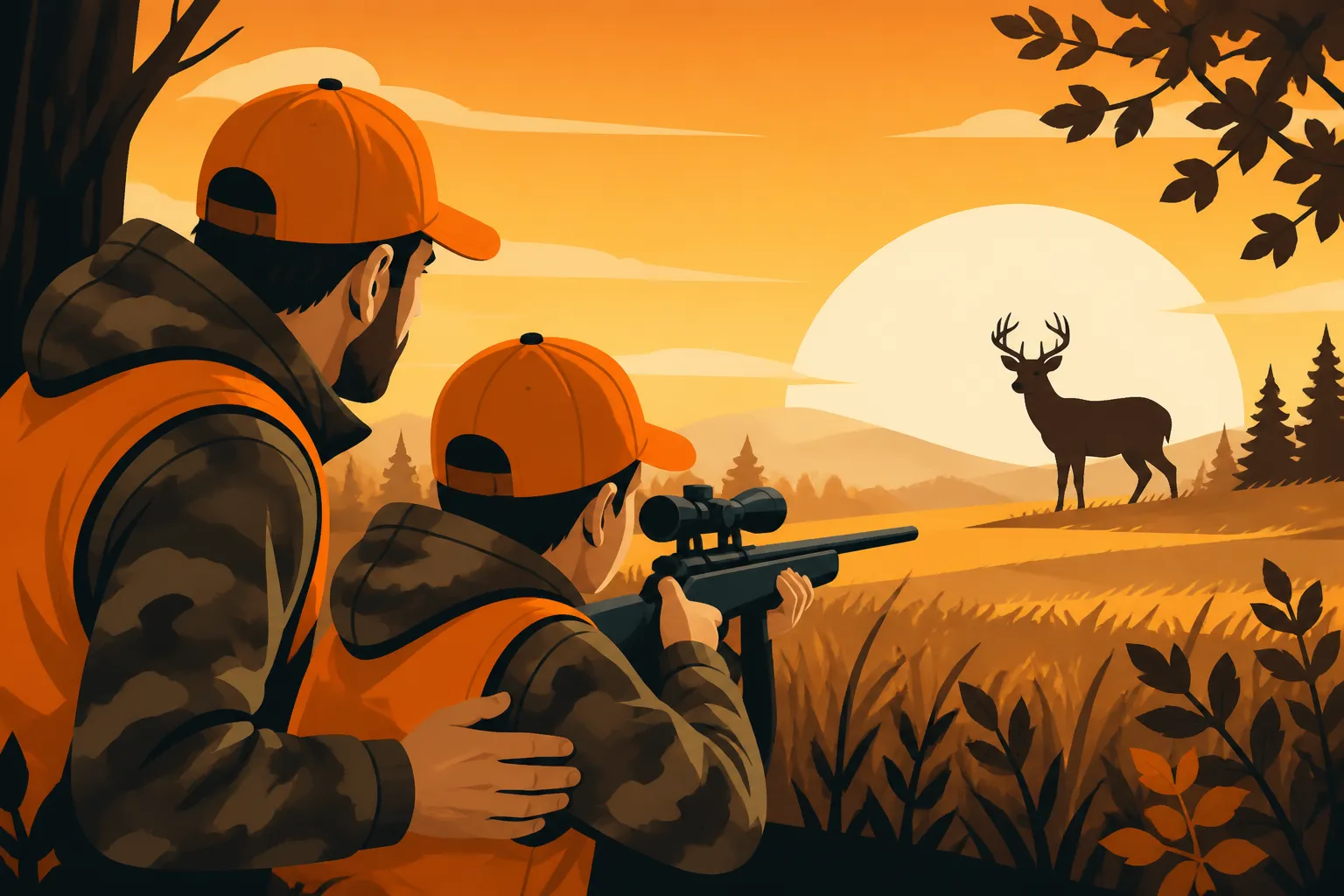
The mentor's role during the Youth Deer Hunt extends far beyond simply accompanying the young hunter. You are a teacher, a guide, a safety officer, and a role model. For youth aged 10 and 11, and those 12-15 without hunter education, the mentor must be at least 18 years old, hunter education certified, and hunt within "arm's reach" of the mentored hunter. This isn't just a legal requirement; it's a practical safety measure. The mentor must be able to take control of the firearm if necessary and directly supervise every action.
A good mentor teaches more than just how to shoot a deer. They instill ethical hunting practices, respect for wildlife, and an understanding of conservation. They teach patience, observation, and the nuances of reading deer behavior. They share stories, answer questions, and celebrate small victories, like spotting a squirrel or identifying a bird. The mentor guides the youth through the entire experience, from preparing gear and understanding the landscape to tracking a deer and field dressing it. This comprehensive approach ensures that the youth develops a well-rounded understanding and appreciation for hunting, making the experience truly invaluable.
Post-Hunt Considerations: Registration and Meat Care
The hunt doesn't end with the shot. What happens afterward is just as important, teaching responsibility and respect for the harvested animal. For a young hunter, participating in these steps solidifies the connection between the hunt and the table, and reinforces the seriousness of taking a life.
Registering the Harvest
In Wisconsin, all harvested deer, including those taken during the Youth Deer Hunt, must be registered. This is a crucial step for wildlife management, providing the DNR with vital data on deer populations and harvest trends. The process is straightforward, often done online or via phone. You'll need specific information about the hunt, such as the date, time, county, Deer Management Unit (DMU), and details about the deer (sex, antler points). Your youth hunter should be present and participate in this process. You can use the Go Wild system online or call the provided phone number. It’s also possible to register deer at certain in-person locations, though online registration has become the most common method.
Explaining why registration is important – how it helps the DNR manage the herd and ensure sustainable hunting opportunities for future generations – adds another layer of education to the experience. For full details on the process, consult Registering a Wisconsin Deer Online. Make sure to keep the carcass tag affixed to the deer until it's registered and processed according to state law. This entire process reinforces accountability and the legal responsibilities that come with harvesting an animal.
Field Dressing and Meat Care
Once a deer is harvested, proper field dressing and meat care are essential to ensure high-quality venison. This can be a hands-on, albeit sometimes messy, learning experience for a young hunter. Involve them in the process as much as they are comfortable. Teach them about gutting the animal quickly to cool the meat, preventing spoilage. Explain the importance of clean cuts and hygienic practices. This isn't just about processing meat; it's about respecting the animal and utilizing every part of the harvest.
Depending on the weather, especially in early October when temperatures can still be warm, cooling the deer quickly is paramount. If temperatures are mild, consider packing the body cavity with ice or getting the deer to a processor promptly. For colder conditions, hanging the deer to age the meat, as detailed in Field Dressing a Deer in Cold Weather, might be an option. Discuss the anatomy, pointing out different organs and explaining their functions. This practical lesson in biology connects directly to their understanding of wildlife. After field dressing, ensure the deer is safely transported. For a young hunter, seeing the venison processed and eventually served at the dinner table brings the entire hunting experience full circle, reinforcing the value of their effort and the reward of healthy, wild food.
Table: Key Aspects of the Wisconsin Youth Deer Hunt
| Aspect | Details | Importance |
|---|---|---|
| Eligibility | Hunters aged 10-15. Must have a gun deer license. Ages 10-11 (or 12-15 without hunter ed) must be mentored. Mentor must be 18+, hunter ed certified, and within arm's reach. | Ensures appropriate age and supervision for safety and ethical hunting. |
| Season Dates | Typically a weekend in early October, preceding the general gun season. Specific dates vary annually; check current Wisconsin DNR regulations. | Provides a low-pressure hunting environment for youth, often with pleasant weather and less wary deer. |
| Permitted Weapons | Any legal firearm for deer hunting in Wisconsin (rifles, shotguns, muzzleloaders, handguns), compliant with state laws. | Offers flexibility to use a firearm the youth is most comfortable and proficient with, enhancing safety and shot accuracy. |
| Tags/Authorizations | Requires a valid gun deer license and appropriate harvest authorizations (buck tag, antlerless tags as available). Antlerless tag availability varies by DMU/Zone. | Essential for legal harvest. Teaches youth about tag requirements and herd management principles. |
| Blaze Requirement | Both youth and mentor must wear blaze orange or blaze pink during the hunt. | Critical for safety and visibility in the field, reducing the risk of accidents. |
| Mentorship | Direct, hands-on guidance from an experienced adult. Focus on safety, ethics, skill development, and creating a positive experience. | Develops responsible, knowledgeable hunters; fosters a love for the outdoors; ensures safety and ethical practices. |
| Registration | All harvested deer must be registered online, by phone, or in person. Required information includes date, time, county, DMU, and deer details. | Crucial for wildlife management and data collection. Teaches accountability and the legal responsibilities of hunting. |
| Meat Care | Prompt field dressing and proper cooling of the carcass are essential to ensure high-quality venison. | Respects the harvested animal, ensures edible meat, and completes the cycle of "field to table." Teaches practical skills. |
Disclaimer
Please remember that hunting regulations in Wisconsin can change. Always consult the most current Wisconsin Department of Natural Resources (DNR) hunting regulations and guides before heading into the field. This article is intended for informational purposes and should not be considered a substitute for official DNR publications. Stay safe and hunt responsibly!