Wisconsin’s Long Squirrel Season Explained
There’s a common misconception out there that squirrel hunting is just a fleeting autumn pursuit, a short window for folks to grab a quick limit of bushytails. But if you’re a hunter in Wisconsin, you know that couldn't be further from the truth. Our state offers an incredibly generous, long squirrel season, providing abundant opportunities not just in fall, but well into winter, allowing new hunters to cut their teeth, seasoned folks to hone their skills, and everyone to enjoy some fantastic wild game. This guide will walk you through the nuances of Wisconsin's extended squirrel season, covering everything from dates and regulations to tactics that will help you make the most of every hunting period.
Understanding the Generous Squirrel Season in Wisconsin
When you look at the calendar for hunting opportunities in Wisconsin, you'll quickly realize that squirrel season stands out for its sheer length. It’s not just a couple of weeks; it’s a sustained opportunity that spans many months, making it accessible to a wide range of hunters with varying schedules. This extended period is a real gift, especially for those looking to introduce new hunters to the sport or just enjoy more time afield after the initial rush of deer season dies down.
Key Dates and Species in Focus
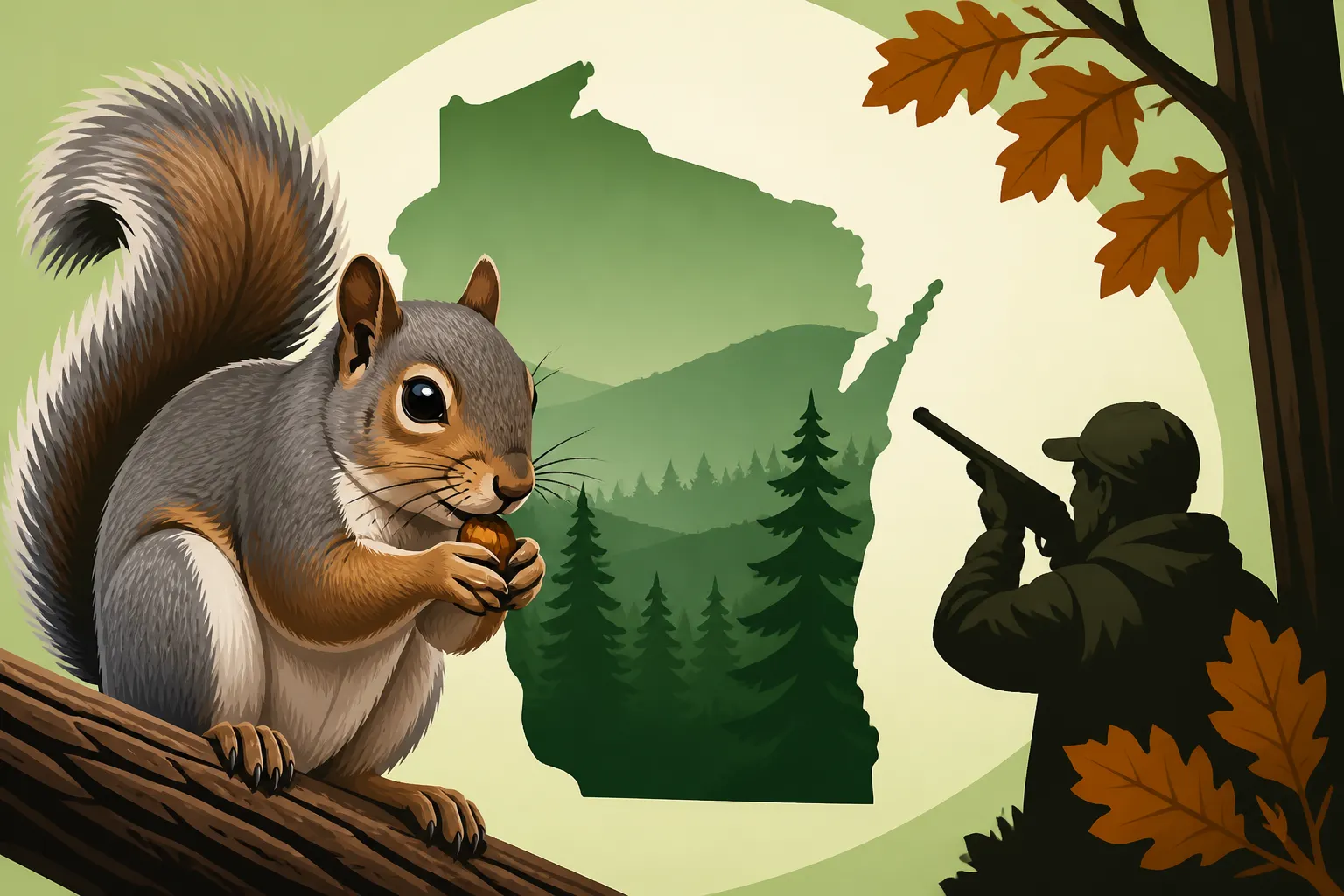
Wisconsin's squirrel season typically kicks off in early September and runs all the way through the end of February. That's nearly six months of hunting! This long window mainly targets two species: the gray squirrel and the fox squirrel. Both are common across the state, though you'll find them in different habitats. Gray squirrels tend to favor mature, dense hardwood forests, often near oaks and hickories, while fox squirrels are a bit more adaptable, frequently found in smaller woodlots, along field edges, and even in urban or suburban parks.
The season often begins concurrently with the opening of the Wisconsin Small Game and Furbearer Seasons, offering an early start when the weather is still pleasant. This early September opening is fantastic for hunters who prefer to get out before the really cold weather sets in. The leaves are still on the trees, providing plenty of cover, but a keen eye can still spot a quick-moving squirrel. As the season progresses into late fall and winter, the leaves drop, which can change hunting tactics significantly, often making squirrels easier to spot but also more wary.
Daily Bag Limits and Possession
Wisconsin also offers a pretty generous daily bag limit for squirrels. Typically, you're allowed to harvest five squirrels per day. This means if you have a productive outing, you can come home with a good amount of meat for the dinner table. The possession limit often mirrors the daily bag limit, meaning you can't have more than the daily limit in your possession in the field. When you get home, you can, of course, process and freeze as many as you’ve legally harvested over multiple days.
It’s always a good idea to double-check the current regulations each year, as exact dates and limits can sometimes shift slightly. A reliable resource for checking these details is the Wisconsin DNR's official regulations pamphlet or their website. Tools like the GoHunt app can also be incredibly useful for quickly pulling up current regulations on your phone while you're out in the field, ensuring you're always in compliance and making the most of your hunting trip.
Why Squirrel Hunting is More Than Just a "Starter" Hunt
While squirrel hunting is often touted as an excellent gateway for new hunters, and it certainly is, it's far from being just a beginner's game. It offers a surprising depth of challenge and skill-building opportunities for hunters of all experience levels, and it fills a crucial niche in the hunting calendar.
A Perfect Training Ground for New Hunters
For someone just starting their hunting journey, squirrel hunting provides invaluable lessons without the intensity or pressure often associated with bigger game. It teaches fundamental skills like patience, stealth, keen observation, and safe firearm handling in a real-world scenario. New hunters learn to read the woods, identify various tree species, and understand animal behavior. The action can be frequent enough to keep young minds engaged, but not so overwhelming that it becomes discouraging.
Imagine a crisp autumn morning, walking slowly through a Wisconsin hardwood forest with a mentee. You point out the tell-tale sign of a squirrel cutting an acorn, the small pieces of shell falling to the forest floor. You teach them how to identify different tree barks where squirrels might be nesting, or how to use their binoculars to spot a twitching tail high in a canopy. These are the foundational moments that build confidence and a lifelong love for hunting, skills that transfer seamlessly to pursuits like White-Tailed Deer Across Wisconsin.
Honing Advanced Hunting Skills
Don't let the small stature of a squirrel fool you; consistently harvesting them requires real skill. For experienced hunters, squirrel season is a fantastic opportunity to fine-tune essential techniques that are directly applicable to larger game. It demands precise shooting, whether with a .22 rifle, a shotgun, or even a bow, often at small, moving targets or through dense cover. This sharpens your accuracy and target acquisition.
Furthermore, it hones your woodsmanship. Learning to move silently, read wind currents, use terrain to your advantage, and identify subtle signs of animal presence are all critical. Think about still-hunting in a winter woods when the snow is crunchy. Trying to sneak up on a wary fox squirrel that can hear a pin drop in that environment is a true test of stealth. It also helps with understanding thermals and how animals use elevation, which is vital when Hunting Wisconsin Coulees and Ridge Tops. The lessons learned chasing squirrels can significantly improve your success when you transition to deer or even bear hunting.
Fantastic Table Fare and Extended Enjoyment
Beyond the thrill of the hunt, squirrels provide delicious, lean wild game meat. Many hunters consider squirrel meat a delicacy, perfect for stews, gravies, or fried to a golden crisp. Having such a long season means you can stock your freezer with high-quality protein for many months, making it one of the Best-Eating Game in Wisconsin.
The extended season also offers a wonderful excuse to simply be out in the woods, enjoying nature during times when other hunting seasons might be closed or winding down. It’s a chance to scout new areas, check on deer sign for the next year, or simply reconnect with the natural world without the pressure of a trophy hunt. Whether you're alone or with friends and family, it's a valuable opportunity to spend time outdoors.
Key Regulations and Considerations for Wisconsin Squirrel Hunters
Navigating hunting regulations can sometimes feel like a maze, but for squirrels in Wisconsin, it's relatively straightforward. However, there are still crucial details every hunter needs to be aware of to ensure a legal and ethical hunt.
Licensing and Hunter Safety Requirements
To hunt squirrels in Wisconsin, you'll need a valid small game license. For Wisconsin residents, this is usually part of a general hunting license or a Conservation Patron License. Non-residents also need to purchase the appropriate small game license. If you were born on or after January 1, 1973, you must have completed a hunter safety course to purchase a hunting license in Wisconsin, unless you are hunting under the Mentored Hunting Program. This program allows individuals to hunt without first completing a hunter education course, provided they hunt with a licensed mentor. It’s a fantastic way to introduce new hunters safely, and details can be found in the guide to Wisconsin Hunter Safety and Mentored Hunting.
When purchasing your license, the Go Wild system is your go-to. You can buy your license online through the Wisconsin DNR website, or at authorized vendors across the state. Always carry proof of your license while hunting, whether it's a physical copy or stored digitally on your phone via the Go Wild app.
Legal Hunting Hours and Equipment
Squirrel hunting typically falls under the general legal hunting hours, which usually span from 30 minutes before sunrise to 30 minutes after sunset. Always double-check the specific shooting hours for the exact dates you plan to hunt, as these can vary slightly throughout the season.
As for equipment, a wide array of choices is available to squirrel hunters. The most common and popular choice is a .22 caliber rimfire rifle. Its accuracy, low recoil, and relatively quiet report make it ideal for headshots, which preserve more meat. Shotguns, especially those in 20-gauge or .410 bore with smaller shot sizes (like 4, 5, or 6), are also effective, particularly in dense cover where squirrels might be moving quickly or when hunting with a dog. Some archery enthusiasts also take to the woods for a challenging squirrel hunt, using small game heads on their arrows. No matter your choice, always ensure your firearm or archery equipment is safe and legal for the area you're hunting.
Baiting and Public vs. Private Land Rules
Unlike deer hunting, there are generally no statewide restrictions on baiting for squirrels. However, local regulations or specific property rules might apply, especially on public lands. Always check with the specific land manager if you plan to use any form of bait. When it comes to Hunting Pressure on Wisconsin Public Land, public forests and wildlife areas can offer excellent squirrel hunting, but they may also see more hunter activity. It's crucial to be aware of your surroundings and other users.
On private land, always secure permission from the landowner before stepping foot on their property. This not only keeps you legal but also builds goodwill and can open up more hunting opportunities in the future. Many hunters find success by simply Knocking on Doors in Wisconsin Farm Country and asking for permission to hunt small woodlots or timber edges. Understanding Wisconsin’s specific trespass laws is important, but a simple conversation beforehand can prevent any issues.
Making the Most of the Long Season: Tactics and Tips
Wisconsin's extended squirrel season offers diverse hunting conditions, from early fall foliage to deep winter snow. Adapting your tactics to these changing conditions is key to consistent success.
Early Season Strategies: September and October
When the season first opens in September, the woods are thick with leaves, and temperatures are often still mild. Squirrels are actively feeding, primarily on acorns, hickory nuts, and other mast crops. This is a great time for "still-hunting" – moving very slowly and deliberately through the woods, pausing frequently to listen and scan the trees. Look for the tell-tale flick of a tail, the rustle of leaves, or the sound of nuts being chewed. Often, the best time to hunt is early morning or late afternoon when squirrels are most active.
Focus on areas with mature nut-bearing trees, especially oak ridges or hickory bottoms. Reading Cuttings Under an Oak can tell you if squirrels are actively feeding in a specific area. If you find a fresh pile of acorn or hickory nut cuttings, you're in a hotspot. During this period, wearing light, breathable camouflage is often sufficient, and bug spray might be a necessary addition.
Mid-Season Success: November and December
As November rolls around, the leaves begin to drop, offering better visibility through the woods. This is often a very productive time for squirrel hunting. Squirrels are still focused on caching food for winter, but with less cover, they become more wary. You might need to be even stealthier and take longer shots. The Wisconsin Gun Deer Season falls within this period, so if you're out squirrel hunting during those nine days, be sure to wear blaze orange or pink as required, even if you’re not deer hunting.
This is also an excellent time to use binoculars to scan distant treetops. Look for squirrels stretching out on limbs, soaking up the sun on cooler days, or running along branches. If you spot one, you can often "tree" it, moving slowly around the tree to get a clear shot. Sometimes, just sitting quietly for 20-30 minutes in a good oak stand will allow squirrels to emerge after sensing you've settled in.
Winter Warfare: January and February
The late season, through January and February, offers a unique and often challenging squirrel hunting experience. Snow cover can make tracking easier, revealing fresh squirrel activity, but it also means squirrels are less likely to be on the ground. They'll often stick to the trees, using den trees or leaf nests for shelter. Visibility is usually at its best, making spotting easier, but the cold weather also makes squirrels less active and more prone to staying in their dens.
Bundle up in warm layers, perhaps even wool or synthetic base layers with an insulated outer shell. A good pair of insulated, waterproof boots is essential. Focus your efforts around large, old trees with visible den holes. On sunny, mild winter days, squirrels might emerge to forage or sun themselves. Sometimes, rattling two small rocks together or even a soft bark imitation can draw a curious squirrel out of its hiding spot. This is also a fantastic time to scout for next year's deer season, as the bare woods reveal much about deer movement. Many hunters find that combining squirrel hunting with Shed Hunting on Wisconsin Public Land can be a great way to spend a winter day.
No matter the time of year, remember that persistence and patience are your greatest allies when chasing Wisconsin’s bushytails. They might be small, but they offer big rewards and a long, enjoyable season.
| Season Period | Typical Dates | Habitat Focus | Key Tactics | Common Gear |
|---|---|---|---|---|
| Early Fall | Sept 1 – Oct 31 | Oak/Hickory Ridges, Nut Trees | Still-hunting, Listening, Spot & Stalk | .22 Rifle, Shotgun, Binos |
| Mid-Fall | Nov 1 – Dec 31 | Dropped-leaf Hardwoods | Spotting, Treeing, Quiet Sitting | .22 Rifle, Shotgun, Binos |
| Late Winter | Jan 1 – Feb 28 | Den Trees, Sunny Sides | Tracking, Patience, Warm Clothing | .22 Rifle, Insulated Boots |
Disclaimer
The information provided in this guide is for general informational purposes only and is subject to change. Hunting regulations, seasons, and licensing requirements are determined by the Wisconsin Department of Natural Resources (DNR) and can be updated annually. Always consult the official Wisconsin DNR hunting regulations pamphlet or website for the most current and accurate information before planning any hunting trip. It is the hunter's responsibility to know and follow all applicable laws and regulations.