Wisconsin Youth Deer Hunt Rules
The excitement of introducing a young person to deer hunting in Wisconsin is truly special, but let's be honest, navigating all the rules and regulations can feel like trying to track a phantom buck through a blizzard. It’s a lot to keep straight, and you want to do everything right to ensure a safe, legal, and memorable experience for your junior hunter. This comprehensive guide is here to untangle the complexities of the Wisconsin Youth Deer Hunt rules, providing clear, actionable information so you can focus on making lasting memories in the field.
Understanding the Wisconsin Youth Deer Hunt: A Special Opportunity
The Youth Deer Hunt in Wisconsin isn't just another weekend in the woods; it's a carefully designed program to foster the next generation of conservationists and ethical hunters. It’s a chance to step away from the usual pressures and immerse young folks in the tradition and skill of deer hunting, all while focusing on safety and learning.
Why the Youth Hunt Exists
The primary purpose of Wisconsin's Youth Deer Hunt is to introduce young people, aged 10-17, to the joys and responsibilities of deer hunting in a controlled and supportive environment. The Department of Natural Resources (DNR) recognizes the importance of passing on hunting heritage and believes that a dedicated youth season helps achieve this goal. By providing a special weekend, often with milder weather and fewer hunters afield compared to the traditional gun deer season, it aims to reduce pressure and allow mentors to focus entirely on teaching and guiding.
This unique opportunity also contributes to hunter recruitment and retention, which are vital for wildlife management and conservation funding. It’s about building a foundation of respect for nature and wildlife from an early age, creating experiences that will hopefully lead to a lifelong passion for the outdoors. It’s truly a special time where the focus shifts from just filling a tag to building character, teaching patience, and deepening the bond between mentor and youth.
Key Dates and Season Structure
The Wisconsin Youth Deer Hunt is typically held on the second full weekend of October, creating a two-day window that falls strategically before the main gun deer season. This timing is intentional, offering a prime opportunity to hunt deer when they are often still in their early fall patterns, before the full swing of the rut or the increased pressure of the nine-day gun season. It also means that in many areas, fall colors are at their peak, adding to the beauty and appeal of the experience.
This season runs concurrently with the statewide archery and crossbow seasons, so if your young hunter has a bow or crossbow license, they can also use those implements during this weekend. However, the special rules regarding mentored hunting and firearm use specifically apply to the Youth Deer Hunt dates. Always check the current year’s regulations for exact dates, as they can shift slightly. You can find the specific details regarding the upcoming Wisconsin Youth Deer Hunt Dates on the DNR website, which is invaluable for planning your season.
Eligibility and Licensing for Young Hunters
Getting your child ready for the youth hunt involves more than just packing gear; it means navigating the specific age requirements and ensuring they have the correct licenses and tags. It’s a critical step to ensure a legal and smooth hunt.
Age Requirements and Mentorship
Wisconsin's Youth Deer Hunt is open to residents and non-residents aged 10 through 17. The rules surrounding mentorship vary depending on the youth's age:
For youth aged 10-13, participation in the youth deer hunt is strictly under the Mentored Hunting Law. This means they must be accompanied by a qualified mentor who is at least 18 years old, hunter education certified (unless born before January 1, 1973), and who holds all necessary licenses for the hunt. The critical detail here is that the mentor must remain within "arm's reach" of the youth at all times. This isn't just a suggestion; it’s a legal requirement designed for maximum safety and direct supervision. For more detailed information on this, you'll want to review the Wisconsin Mentored Hunting Law Rules and understand precisely How Close a Wisconsin Mentor Must Stay during the hunt. This hands-on approach ensures immediate intervention if needed, be it for safety, shot placement, or simply offering guidance and encouragement.
Youth aged 14-17 have a bit more flexibility. If they have successfully completed a hunter education course, they are allowed to hunt independently during the youth deer hunt without the "arm's reach" mentorship requirement. However, even if they're hunter education certified, many families still choose to hunt together as a mentorship experience, often providing valuable guidance on advanced hunting strategies and ethics. If a 14-17 year old has not completed hunter education, they must still participate under the Mentored Hunting Law, with their mentor within arm's reach.
Getting the Right License and Tags
Every hunter, regardless of age, needs a valid license. For the Wisconsin Youth Deer Hunt, young participants will need a junior deer hunting license. This typically includes options for a Junior Archery License, Junior Gun Deer License, or even a Junior Conservation Patron License which bundles various hunting and fishing privileges at a reduced rate. These licenses are generally more affordable than adult licenses, reflecting the state's commitment to encouraging youth participation. You can find the current Wisconsin Junior Licence Prices through the GoWild system, which is the state’s online portal for all hunting and fishing licenses. It's a straightforward system to use, but it's always wise to purchase licenses well in advance to avoid any last-minute stress.
When it comes to deer tags, a junior deer license typically comes with an antlered deer tag and, depending on the Deer Management Unit (DMU) and quota availability, often includes one or more antlerless tags. It's crucial to check the specific regulations for the county you plan to hunt, as antlerless tag availability can vary. Sometimes, bonus antlerless tags become available for purchase in specific zones, and youth hunters are eligible to buy these just like adult hunters. Always double-check your DMU's regulations to understand what tags your junior hunter will have available. Using the GoWild system to purchase licenses and verify tags ensures you have everything in order before heading to the woods.
Safety First: Mandatory Requirements and Best Practices
Safety is paramount in any hunting endeavor, but especially so when introducing youth to the sport. Wisconsin has specific requirements designed to ensure everyone's well-being, and understanding these rules is non-negotiable for a responsible and enjoyable youth hunt.
Hunter Education and Safety Certification
For young hunters aged 14-17 who wish to hunt independently (without an "arm's reach" mentor), completing a state-approved hunter education course is a mandatory requirement. This course covers vital topics such as firearm safety, hunting ethics, wildlife identification, basic first aid, and conservation principles. Even for mentored youth aged 10-13, while not legally required to have their own certification if hunting with a certified mentor, completing a hunter safety course beforehand is highly recommended. It provides them with foundational knowledge and instills a sense of responsibility from the outset.
Many youth find the hunter education courses engaging, offering hands-on experiences and peer interaction that complements what a mentor can teach in the field. These courses are available in various formats, including traditional classroom settings, online options with field days, or entirely virtual formats depending on availability and state guidelines. It’s always best to sign up well in advance, as popular courses fill up quickly, especially leading up to hunting season. For a complete understanding of who needs this certification and various pathways to obtaining it, refer to the detailed guide on Who Needs Wisconsin Hunter Safety. This knowledge empowers young hunters and gives parents peace of mind that their child is well-prepared.
Blaze Orange/Pink Regulations
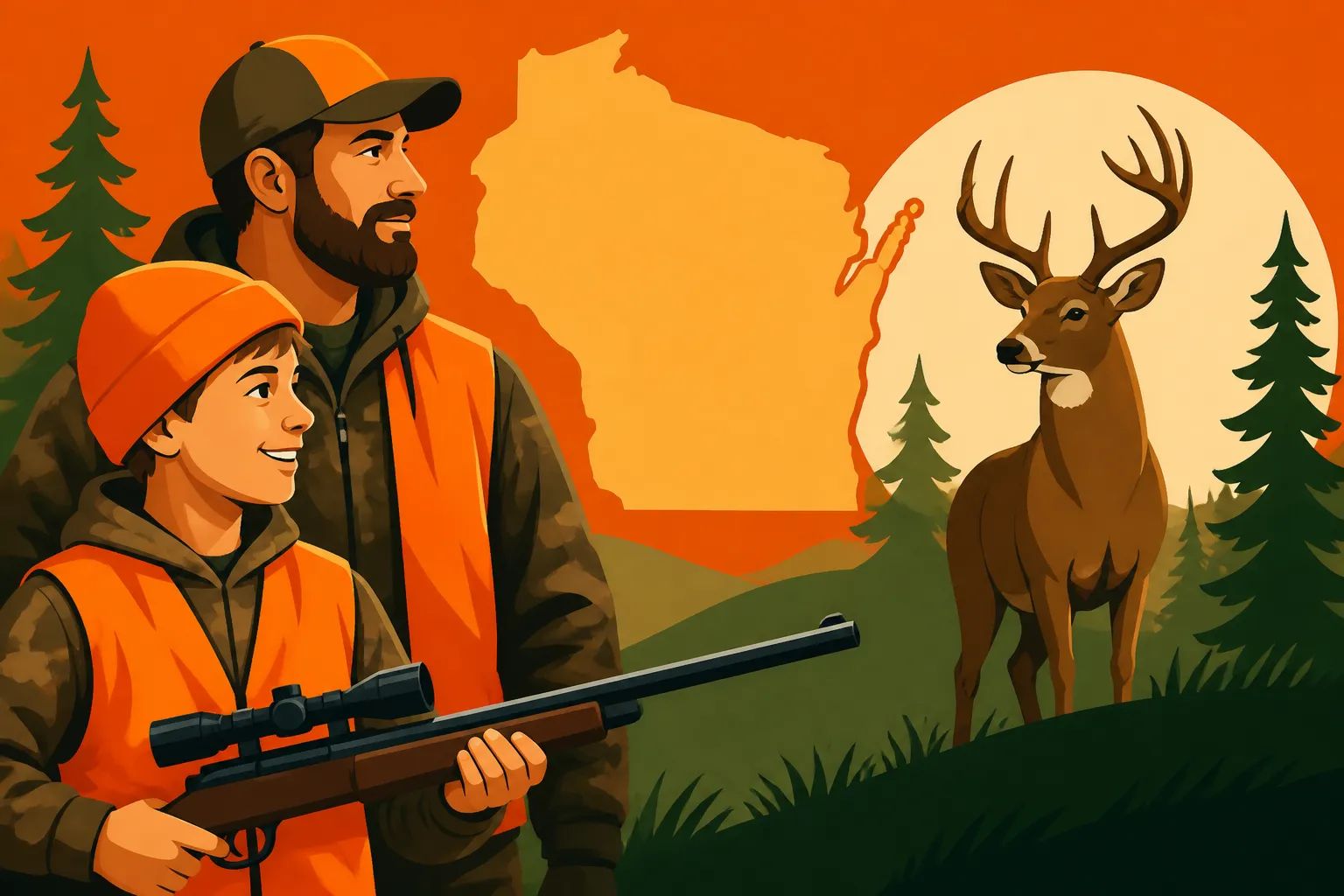
Visibility is a cornerstone of hunting safety, particularly during any firearm season. During the Wisconsin Youth Deer Hunt, specific blaze orange or fluorescent pink requirements apply to both the youth hunter and their mentor, regardless of whether the youth is hunting with a firearm, bow, or crossbow. Both individuals must wear at least 50% of their outer clothing (above the waist) in blaze orange or fluorescent pink. This includes a hat. This high-visibility clothing ensures that other hunters can easily spot you in the woods, significantly reducing the risk of accidents.
It's not just about meeting the minimum; it's about maximizing visibility in all directions. Consider vests, jackets, and hats that offer the most coverage. Even if you're sitting in a ground blind or treestand, it's essential to put on your blaze orange or pink when traveling to and from your stand site. While the law has specific requirements, the spirit of the rule is to be seen. Understanding all the nuances of Wisconsin Blaze Orange and Pink Rules is crucial, as compliance is not just about avoiding a citation but about safeguarding lives.
Firearms and Equipment Considerations
Choosing the right firearm for a youth hunter is a critical decision that balances safety, effectiveness, and comfort. Wisconsin law permits the use of rifles, shotguns (loaded with slugs), handguns, muzzleloaders, bows, and crossbows during the youth deer hunt, provided they meet specific legal requirements for deer hunting. However, the best choice for a young person often comes down to their physical size, recoil tolerance, and proficiency.
For many youth, a smaller caliber rifle like a .243 Winchester or a 7mm-08 Remington offers a good balance of low recoil and sufficient stopping power for whitetails. These calibers are often discussed in guides like Best Rifle Caliber for Wisconsin Deer. Alternatively, a 20-gauge shotgun loaded with slugs can be an excellent choice, especially in areas where rifles might be restricted or if it's a firearm they can handle comfortably. Information on Shotgun Slugs for Wisconsin Deer can help with this decision. It's imperative that the firearm fits the youth properly – stock length is key – and that they practice extensively with it before the hunt. Poor fit can lead to discomfort, flinching, and inaccurate shooting, which detracts from the experience and raises safety concerns. For those using archery equipment, ensuring the draw weight is appropriate for the youth's strength and that they can consistently group arrows is just as important. All the specifics on Legal Firearms for Wisconsin Deer are available through the DNR and should be thoroughly reviewed.
Hunting Regulations and Ethical Practices
Beyond licenses and safety gear, successful and responsible youth hunting hinges on adhering to specific hunting regulations and embracing ethical practices. These rules are in place for herd management, fair chase, and to ensure the longevity of Wisconsin’s hunting traditions.
Bag Limits and Carcass Registration
During the Wisconsin Youth Deer Hunt, participants are generally subject to the same bag limits and harvest authorizations as adult hunters in their chosen Deer Management Unit (DMU). This means if the DMU allows one antlered deer and one antlerless deer, the youth hunter can harvest those animals, provided they have the correct tags. It's vital to check the current year's regulations for specific DMU quotas, as antlerless opportunities can vary widely across the state based on deer population goals. The goal is to instill a sense of responsibility and understanding that hunters play a role in managing the deer herd.
Once a deer is harvested, it must be registered according to Wisconsin DNR rules. This can typically be done online, via phone, or at a designated registration station. Registration is a crucial step for wildlife biologists, providing data for the Wisconsin Annual Deer Harvest reports, which are used to assess herd health and inform future hunting regulations. The youth hunter should be involved in this process, understanding why it's important to accurately report their harvest. It reinforces the idea that hunting is more than just taking an animal; it's an active part of wildlife management.
Understanding Baiting and Feeding Rules
One of the more complex aspects of Wisconsin deer hunting regulations involves baiting and feeding bans, primarily due to the ongoing efforts to control Chronic Wasting Disease (CWD). These rules are critically important during the youth hunt, as a violation can result in significant penalties and undermine the educational purpose of the hunt. Many counties in Wisconsin, particularly in the southern and central regions, have total bans on baiting and feeding deer. These bans are often triggered by a CWD detection in a county or an adjacent county and can last for extended periods.
Before heading out, it is absolutely essential to check the current CWD-affected counties and their associated baiting and feeding restrictions. These maps and regulations are readily available on the DNR website. Even if your county isn't under a full ban, there are strict limits on the quantity and type of bait allowed. The best practice for teaching youth hunters, especially in CWD-affected areas, is to focus on natural scouting and understanding deer movement patterns rather than relying on bait. This approach teaches valuable skills and ensures compliance with ever-changing regulations.
Public vs. Private Land Hunting
Wisconsin offers a wealth of hunting opportunities on both public and private lands, and the youth hunt is no exception. Public lands, including state forests, wildlife areas, and county forests, are open to all licensed hunters and can be excellent places to take a young person. They often provide diverse habitat and a chance to experience true wilderness. However, public lands can also see higher hunting pressure, especially on popular weekends. Utilizing tools like the Wisconsin Public Access Lands Maps or apps like GoHunt can help you identify less-pressured areas and navigate property boundaries with ease. These resources are indispensable for scouting and planning.
If you plan to hunt on private land, securing permission from the landowner is not just courteous, it's legally required. Many landowners are receptive to allowing youth hunters, especially if approached respectfully and well in advance of the season. Private land often offers a more controlled environment and potentially less competition, which can be ideal for a first-time hunter. Regardless of whether you choose public or private land, thorough scouting beforehand is crucial. Look for natural funnels, food sources, and bedding areas. Learning how to identify Finding Ground Others Walk Past is a skill that will benefit a young hunter throughout their life, teaching them to think strategically about deer movement and hunter pressure.
Making the Youth Hunt a Memorable Experience
Beyond the tags and regulations, the true heart of the Wisconsin Youth Deer Hunt lies in the experience itself. It's about forging connections, fostering a love for the outdoors, and creating stories that will be retold for years to come.
Focus on Fun, Not Just the Harvest
It’s easy to get caught up in the desire for a successful harvest, but for a youth hunt, the emphasis should always be on the broader experience. The goal is to create a positive, engaging, and educational outing, regardless of whether a deer is harvested. Treat the hunt as an opportunity to teach more than just shooting. Discuss tree identification, track reading, understanding wind direction and thermals, and the importance of ethical shot placement. Point out other wildlife you encounter, from squirrels to various bird species.
Encourage your young hunter to be observant, ask questions, and simply enjoy being immersed in nature. Pack their favorite snacks and a thermos of hot chocolate. Keep the mood light and focus on patience and perseverance. A missed shot or a deer that simply doesn't show up can be a teachable moment about the unpredictable nature of hunting, rather than a cause for disappointment. The memories of time spent together in the stand, whispering about the sounds of the forest, will often outweigh the memory of any particular deer.
Practical Tips for a Successful Hunt
Preparing for the elements and planning the logistics can make a huge difference in a youth hunter's comfort and enjoyment. October weather in Wisconsin can be famously unpredictable, so layering is key. Ensure your young hunter has waterproof outer layers and plenty of warm, insulating clothes to stay comfortable whether it's brisk, rainy, or mild. Good quality, waterproof boots are non-negotiable for keeping feet dry and warm during long sits. Don't forget essentials like a headlamp for walking in and out in the dark, a first-aid kit, and plenty of snacks and water to keep energy levels up.
Consider bringing a portable blind or choosing a treestand that offers comfortable seating and good concealment. For younger children, keeping sits shorter and incorporating breaks for stretching or moving around can help maintain their attention and enthusiasm. Involve them in every step of the process: from scouting locations, reading maps (the GoHunt app is great for this!), setting up the stand, tracking a deer, and even field dressing (to whatever extent they're comfortable). If you're thinking of making a multi-day trip, exploring options for Camping on Wisconsin Public Land can add another exciting dimension to the experience, further immersing them in the outdoor lifestyle. Every small detail you involve them in makes the experience more real and impactful.
Common Challenges and Troubleshooting
Even with the best planning, hunting has its ups and downs. Being prepared for common challenges, especially when hunting with youth, can help turn potential frustrations into valuable learning experiences.
Dealing with Discouragement and Misses
It's inevitable that a young hunter will face moments of discouragement. They might sit for hours without seeing a deer, or worse, make a shot and miss. These are tough moments, but they are also crucial opportunities for growth. Instead of focusing on the negative, use these situations to teach resilience and perspective. Remind them that every experienced hunter has missed deer, endured countless hours in the stand without success, and made mistakes. It’s all part of the journey.
Talk through what happened calmly. If it was a miss, discuss what might have gone wrong—rushing the shot, poor form, misjudging distance. Emphasize that learning from these experiences is what makes a better hunter. The most important thing is to maintain a positive attitude and reinforce that the true success of the youth hunt isn't measured by a kill, but by the time spent together, the lessons learned, and the appreciation for the outdoors fostered. Celebrate the small victories, like spotting a squirrel or identifying a bird, to keep spirits high.
Navigating Public Land Pressure
Hunting on public land during any deer season, even the youth hunt, can sometimes mean encountering other hunters. While the youth hunt generally sees less pressure than the full gun season, popular public spots can still draw a crowd. This can be frustrating for mentors and potentially intimidating for young hunters. However, it also presents a chance to teach important lessons about etiquette, respect for other hunters, and adapting strategies.
Encourage your youth hunter to be aware of their surroundings and respectful of others. Discuss the importance of quiet entry and exit, setting up in areas with good visibility to avoid accidental encounters, and choosing spots away from obvious access points. Often, walking an extra half-mile or exploring less-traveled corners of a public land parcel can lead to quieter, more productive hunting grounds. Resources like the GoHunt app can overlay public land boundaries and even show topographical features, helping you identify pockets where deer might feel safer and where other hunters might be less inclined to venture. Learning these skills about Finding Ground Others Walk Past will serve them well throughout their hunting careers, helping them locate unpressured deer even in crowded areas.
| Age Group | Mentorship Required | Hunter Safety Required (if unmentored) | Blaze Orange/Pink | License Type |
|---|---|---|---|---|
| 10-13 years | Yes (within arm's reach) | No (mentor must be certified) | Yes (both) | Junior Gun/Archery |
| 14-17 years | No (optional) | Yes | Yes (both) | Junior Gun/Archery |
Disclaimer
Please remember that hunting regulations can change. While I've done my best to provide the most current and accurate information available, it is always your responsibility to consult the official Wisconsin Department of Natural Resources (DNR) hunting regulations pamphlet and website before heading afield. These official resources provide the definitive rules and any last-minute updates that may impact your hunt.