How Wisconsin Bear Preference Points Work
Oh, the elusive Wisconsin bear tag! If you've ever dreamt of heading into the woods for a crack at one of these magnificent animals, you've probably quickly run into the somewhat opaque world of preference points. It's a system that can feel pretty confusing, frustrating even, especially when you hear tales of folks waiting nearly a decade for their chance. But don't you worry, because this guide is going to break down exactly how Wisconsin's bear preference points work, helping you understand the long game and strategize for your shot at a tag.
Understanding the Wisconsin Bear Preference Point System
Let's face it, getting a Wisconsin bear tag isn't like walking into the store and picking up a deer license. There's a whole process, and it often involves a lot of patience. At the heart of that process is the preference point system, designed to give dedicated hunters a better shot over time.
Why Preference Points Even Exist
The simple truth is that Wisconsin has a thriving black bear population, but it's carefully managed to ensure healthy numbers for the future. The demand from hunters, however, far outstrips the available supply of tags each year. If everyone who wanted a bear tag could just buy one, the bear population wouldn't stand a chance, and the quality of the hunt would plummet. That's why the Wisconsin Department of Natural Resources (DNR) sets specific harvest quotas for different regions, or "zones," across the state. These quotas directly limit the number of available tags.
This creates a classic supply-and-demand problem, and that's where preference points come in. Instead of a purely random lottery, the preference point system is designed to reward hunters for their loyalty and persistence. It ensures that those who have been putting in for years have a significantly better chance than someone just applying for the first time. It can feel like a waiting game, and trust me, many of us feel that frustration when another year goes by without drawing, but it's a necessary tool for sustainable wildlife management. You'll often hear discussions about "The Six Wisconsin Bear Zones" and how each has different quotas and, consequently, different draw odds.
The Core Mechanism of Earning a Point
So, how do you actually get one of these coveted preference points? It's surprisingly straightforward, though it requires consistency. Each year, you need to apply for a bear permit through the state's Go Wild licensing system. When you apply and are unsuccessful in drawing a permit for your chosen zone, you automatically earn one preference point. That's the key: you get a point for trying and not succeeding. Think of it as a consolation prize that builds equity for the future.
It's important to understand that you don't actually need to purchase a full bear hunting license to earn a point. You only pay a non-refundable application fee, which is a small amount compared to the full license cost. This application fee covers the administrative costs of running the drawing. This means you can start accumulating points years before you're even ready to hunt, which is a smart move for anyone considering bear hunting down the line. It's an investment in your future hunting opportunities, even if it sometimes feels like dropping money into a black hole!
How Points Accumulate Over Time
The beauty, and sometimes the bane, of the preference point system is its cumulative nature. You earn one point for each year you apply and don't draw a tag, and these points add up. If you apply for five consecutive years and don't draw, you'll have five preference points. These points are tied to your Go Wild customer account, so they're always there, silently building up until your name finally gets called.
This accumulation is what creates the long wait times for a bear tag in Wisconsin, particularly in the more popular zones. Hunters who've been applying for 7, 8, or even 10+ years have a significant advantage over someone with just a couple of points. It's truly a "long game" strategy, and it demands patience. You're essentially moving up a very long line, one spot at a time, each year you apply. It underscores the commitment many hunters have to pursuing these incredible animals in Wisconsin's diverse landscapes.
Navigating the Bear Permit Drawing Process
Successfully navigating the bear permit drawing involves more than just hoping for the best. It requires understanding the application timeline, how zones play a role, and what influences your chances.
Applying for the Annual Bear Drawing
The first, and most crucial, step is applying! The Wisconsin DNR conducts its bear permit application process annually, typically starting in December and running through the first week or so of January. It's a fairly short window, and missing it means you miss your chance to earn a point for that year, or worse, lose all your accumulated points if you had them. This is a critical deadline that you absolutely cannot afford to overlook.
You'll submit your application through "The Wisconsin Go Wild Licence System". It's an online portal where you manage all your hunting and fishing licenses, permits, and preference points. When you log in, you'll find the option to apply for the bear drawing. The system will prompt you to select your preferred bear management zone. Once submitted, you'll pay that small, non-refundable application fee. Many hunters use resources like GoHunt to help keep track of these crucial deadlines and get insights into draw odds for different states. Setting a reminder on your phone or marking it on a calendar is truly essential to avoid the heartbreak of a missed application.
The Role of Bear Zones in Your Application
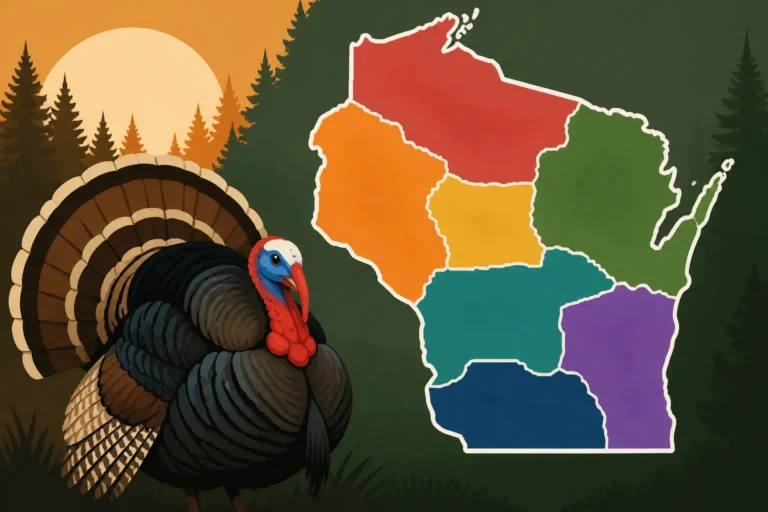
Wisconsin is divided into six distinct bear management zones: A, B, C, D, E, and F. Each of these zones has a specific bear population goal and, therefore, a unique quota of permits issued each year. The zone you choose when you apply for your permit has a massive impact on your chances of drawing a tag. Some zones, like Zone A in the heavily forested northern part of the state, tend to have higher bear populations and are consequently much more popular, requiring many more preference points to draw. Other zones, perhaps with lower bear densities or different habitat characteristics, might require fewer points.
It’s not just about bear numbers; it's also about access and hunting methods. Zones A, B, and D, for instance, allow hunting with dogs and bait, while Zones C, E, and F generally only allow hunting without dogs, though baiting is usually permitted. This also influences demand. The DNR releases data on historical draw odds and points needed for each zone, which is vital information for making an informed choice. Understanding "Wisconsin Bear Preference Points and Zones" is paramount to developing a successful long-term strategy, as the number of points required can fluctuate year to year based on applicant numbers and harvest quotas.
Understanding Your Draw Odds
This is where the rubber meets the road. Your draw odds are directly influenced by the number of preference points you have accumulated, but it's still a lottery at its core. When the DNR conducts the drawing, all applicants with the highest number of points for a given zone are put into a pool. Tags are then drawn randomly from that pool until the quota for that point level is met. If there are still tags available, they move to the next highest point level, and so on, until all tags are allocated.
This means that while having more points significantly increases your statistical probability of drawing, it doesn't guarantee a tag. You could have 10 points and still not draw, while someone with 9 points might. It's all about the random draw within each preference point bracket. This is a common source of frustration for many long-term applicants – it feels like you've done everything right, but luck still plays a hand. The DNR publishes statistics on "How Many People Apply for Wisconsin Bear" and the average points required for each zone, which can give you a realistic picture of your chances. It’s a good idea to review these trends to understand the competitive landscape for your chosen zone.
What Happens When You Draw (or Don't)
The moment of truth arrives sometime in late January or early February when the drawing results are typically released. This is often an anxious time for bear hunters across the state.
The Elation of Drawing a Wisconsin Bear Tag
Imagine logging into your Go Wild account and seeing that glorious "Successful" notification! It's truly a moment of pure excitement and a culmination of years of patience and consistent application. Once you've drawn a permit, your next step is to actually purchase your Wisconsin bear hunting license. Remember, the application fee only gets you into the drawing; the full license is what grants you the privilege to hunt. This license will be specific to the zone you applied for and the method (e.g., archery, gun, with or without dogs, depending on zone rules).
Here's the critical piece: once you draw a tag and purchase your license, your preference points for bear hunting in Wisconsin reset to zero. All those years of patiently accumulating points are 'spent' on that one tag. It's a clean slate, and if you want to hunt bear again in Wisconsin, you'll need to start building up your points from scratch once more. This reset mechanism ensures that new hunters, or those who haven't drawn in a long time, eventually get their turn. You'll then dive into planning your hunt, researching "Wisconsin Bear Season Dates by Method" to ensure you're ready for the season.
What Happens If You Don't Draw
For many, many hunters, the annual drawing brings disappointment. Seeing that "Unsuccessful" notification after years of waiting can be a real punch to the gut. It's a feeling that resonates deeply with anyone committed to the bear hunting experience. But don't despair! This outcome is precisely how you earn another preference point. That's right, even though you didn't get a tag, you've moved one step closer to your goal for next year.
The key here is consistency. Each year you apply and don't draw, you add another point to your total. While it doesn't make the immediate disappointment any easier, it's vital to remember that you're playing a long game. Those points accumulate, steadily increasing your odds for future drawings. It's easy to get discouraged, but holding firm and continuing to apply is the only way to eventually get that tag. Think of it as steadily climbing a ladder, one rung each year, towards that prized Wisconsin bear hunt. The higher the number of applicants, as reflected in "How Many People Apply for Wisconsin Bear", the more patience is typically required.
Forgetting to Apply: Losing Your Edge
This is perhaps the most painful lesson for any hunter in a preference point system: missing the application deadline. I've heard stories, and seen the heartache, when a seasoned hunter with a significant number of points simply forgets to apply one year. The rule is absolute: if you do not apply for a bear permit drawing in a given year, you forfeit all your accumulated preference points. They are gone. Reset to zero. Just like that.
This is a gut-wrenching scenario because it means all those years of patience and consistent application are wiped clean. You then have to start all over again, re-entering the system at the lowest point level. It’s an easy mistake to make amidst busy lives, but the consequences are severe. This is why tools like GoHunt are invaluable for busy hunters, offering reminder services and centralized platforms to manage applications across different states and species. Make it a ritual. Set multiple alarms. Put it on every calendar you own. Do whatever it takes to ensure you never miss that "Wisconsin Bear Application Deadline". Your investment in points is too valuable to lose over a lapse in memory.
Strategies for Maximizing Your Chances
While the preference point system is largely about patience, there are definitely ways to be strategic in how you approach your bear drawing applications to give yourself the best possible chance.
Researching Zone-Specific Point Requirements
One of the smartest things you can do is dive deep into the data for each bear management zone. The number of preference points needed to draw a tag varies dramatically from one zone to another, and it can even fluctuate slightly year to year based on applicant numbers and quota adjustments. For instance, Zone A, covering a large chunk of the popular Northern Forest, might consistently require 7-10+ points, while a zone like F in the central part of the state might be drawn with fewer points, sometimes even 4-6.
The Wisconsin DNR publishes reports after each draw detailing the number of applicants at each point level and the number of tags issued. Analyzing this data is crucial. Websites like GoHunt also compile and analyze this data, offering insights and tools to project your draw odds based on your current point total. You need to consider what's more important to you: drawing a tag sooner, even if it's in a less productive or less familiar zone, or holding out for a high-demand zone that historically produces more bears or offers preferred hunting methods. Understanding "Wisconsin Bear Harvest Trends" in different zones can help you make an informed decision about where you want to focus your long-term efforts.
Here's a generalized look at point ranges, though these can change annually:
| Wisconsin Bear Zone | Primary Hunting Methods | Estimated Points Needed (Historical Average) |
|---|---|---|
| Zone A | Bait & Dogs | 8-12+ |
| Zone B | Bait & Dogs | 7-10+ |
| Zone C | Bait Only (No Dogs) | 6-9 |
| Zone D | Bait & Dogs | 7-10+ |
| Zone E | Bait Only (No Dogs) | 4-7 |
| Zone F | Bait Only (No Dogs) | 3-6 |
Note: These are general historical estimates and actual points needed can vary each year. Always check the current DNR draw reports for the most up-to-date information.
The Long Game: Commitment to Consistency
If you're serious about bear hunting in Wisconsin, you have to embrace the long game. This isn't a species you're likely to draw a tag for in your first few years of applying, especially in the more sought-after zones. The most successful strategy is sheer, unwavering consistency. Start applying for points as early as possible, even if you're years away from being able to commit to a hunt. Many parents even apply for their children when they're young, building up points for when they're old enough to hunt!
Consider it an annual investment in your future hunting adventures. Even if your life circumstances mean you can't hunt this year or next, continuing to accumulate those points is vital. You're effectively "banking" future opportunities. This approach requires discipline, ensuring you never miss that application window. The reward, however, is a significantly higher chance of experiencing a world-class Wisconsin bear hunt when your number finally comes up. It's a testament to patience and dedication in the hunting community. Remember to understand "Wisconsin Bear Point Wait Times by Zone" to set realistic expectations.
Understanding Your Current Point Status
It's absolutely essential to know where you stand in the preference point hierarchy. After the annual drawing, and typically a few weeks later, the DNR updates each applicant's point total in the Go Wild system. You can log into your Go Wild account at any time to view your current number of preference points. I can't stress this enough: check it! Make sure your points are correctly recorded. If you believe there's an error, contact the DNR immediately to resolve it.
Knowing your current point status helps you in several ways: it allows you to track your progress, reassess your zone choice strategy based on the current year's draw outcomes, and most importantly, it gives you peace of mind that your investment in the system is being tracked. Many hunting platforms and apps, like GoHunt, also integrate with state licensing systems, allowing you to easily track your point totals and predict your draw odds right from your device, which can be incredibly convenient for staying on top of your application game.
Real-World Scenarios and Practical Advice
Let's talk brass tacks. What does all this mean for you, the actual hunter trying to figure out how to get a Wisconsin bear tag?
The "New Hunter" Dilemma
So, you're new to hunting, or new to Wisconsin, and you're captivated by the idea of hunting a black bear. What should you expect? Realistically, you're looking at a multi-year wait. For the most popular zones (A, B, D), a first-time applicant might be waiting anywhere from 7 to 12 years or even more to draw a tag with high confidence. For zones like E or F, it might be a quicker draw, perhaps 3-6 years, but still a significant wait. This can feel daunting, especially when you're just starting out.
My advice for new hunters is twofold: first, start applying for your points now. Don't delay. The sooner you start, the sooner your waiting period begins. Second, use this waiting period wisely. Consider this time an apprenticeship. Learn everything you can about bear behavior, habitat, and hunting techniques. You could even pursue opportunities for "Bear Hunting With Bait and Dogs in Wisconsin" in other states with over-the-counter tags or shorter draw times, or go on a mentored hunt with an experienced Wisconsin bear hunter. This way, when your tag finally arrives, you'll be well-prepared and confident.
Balancing Patience and Opportunity
This is a classic dilemma for bear applicants: do you apply for the zone you truly want to hunt, even if it means a very long wait, or do you opt for a zone where you might draw a tag sooner, just to get a foot in the door? There's no single right answer; it depends entirely on your personal goals and tolerance for waiting.
If you dream of hunting a specific region, perhaps the rugged Northwoods in Zone A or B, and you're committed to that vision, then patiently building points for that zone is your best bet. You'll likely wait longer, but when you draw, it will be for your ideal hunt. However, if your primary goal is simply to hunt a bear in Wisconsin, regardless of the specific zone, then applying for a lower-demand zone like F or E could significantly shorten your wait time. The advantage here is that you're hunting sooner, gaining invaluable experience, even if the bear densities or habitat might be different from what you originally envisioned. Remember, any Wisconsin bear tag is a coveted commodity, and the experience will be unforgettable, no matter the zone.
Beyond the Points: What to Do While Waiting
Just because you don't have a tag doesn't mean you can't be preparing for your eventual hunt. In fact, this waiting period is a golden opportunity to become a truly knowledgeable bear hunter.
One of the best things you can do is scout! Many public lands within the bear zones are open year-round. Spend time in the woods learning the terrain, identifying potential bear habitat, and understanding travel corridors. Even if you're not actively hunting, you can learn a tremendous amount by just being present. Reading up on topics like "Baiting Bears in Wisconsin" or learning about tracking and sign identification will give you a significant advantage when your tag finally arrives. Connect with other bear hunters, join online forums, and absorb as much information as you can. Attend hunting expos, watch educational videos, and practice your shooting. This preparation will not only make you a more effective hunter but will also make the waiting period feel less like "waiting" and more like "training." By the time you draw that tag, you'll be more than ready to embark on your Wisconsin bear adventure.
Disclaimer
Please remember that hunting regulations, seasons, and point systems are subject to change by the Wisconsin Department of Natural Resources (DNR). Always consult the official Wisconsin DNR hunting regulations and website for the most current and accurate information before planning any hunting activities. This guide is for informational purposes only and does not supersede official DNR publications.