Wisconsin Spring Turkey Zones and Periods
It can feel like you need a law degree just to figure out where and when you can hunt a gobbler in Wisconsin's spring turkey season, with all the talk of zones, periods, and preference points. This guide is here to cut through the confusion, offering a clear, empathetic breakdown of Wisconsin's spring turkey zones and periods, the ins and outs of the application process, and practical strategies to help you secure that coveted tag and get out chasing longbeards.
Understanding Wisconsin's Spring Turkey Zones
Wisconsin's spring turkey season isn't a free-for-all across the entire state. Instead, it's meticulously divided into management zones, each with its own set of rules and quotas. This system is designed to manage turkey populations effectively, spread out hunting pressure, and ensure a quality experience for hunters. It can be a real headache trying to decipher which zone you want to hunt, especially if you're new to the state or trying a new area. But once you understand the logic behind it, it becomes much clearer.
Why Zones Matter for Hunters
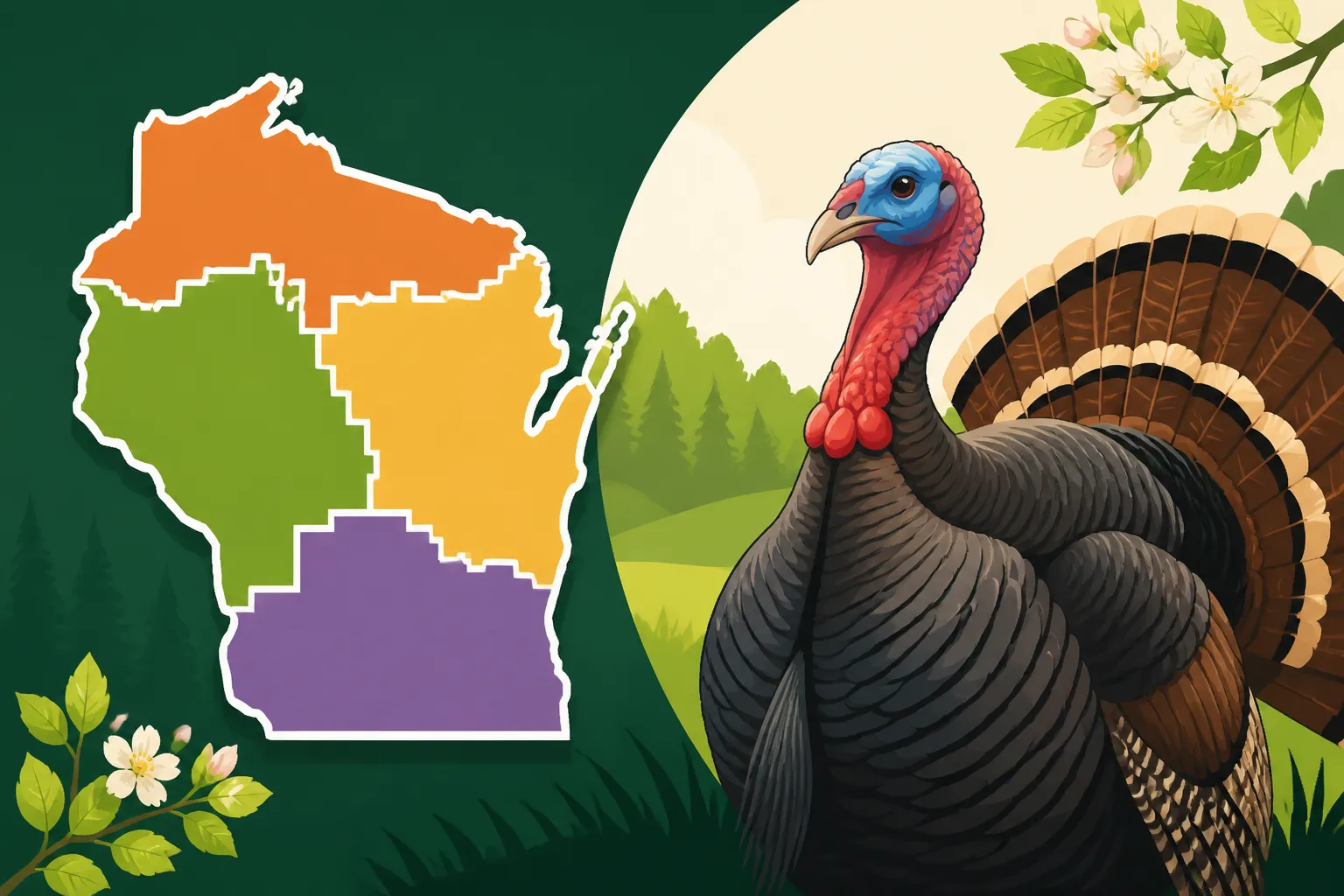
Imagine if every hunter in Wisconsin could show up on opening day in the exact same prime turkey woods. The sheer volume of people would make for a frustrating, perhaps even unsafe, experience, and the local turkey population would be stressed beyond belief. This is precisely why the Wisconsin Department of Natural Resources (DNR) implemented the zone system. Each of the seven zones is essentially a large, geographically defined area that the DNR uses to regulate harvest.
For us hunters, these zones dictate where our authorizations (what most states call tags or permits) are valid. If you draw a Zone 1 permit, you can't just decide to hunt in Zone 3 because you heard the birds were thicker there. Your permit is tied directly to that specific zone. This is crucial for planning your hunts, scouting locations, and even choosing which authorization to apply for. Think of it as a way to decentralize the hunting pressure. In areas like the Driftless, where turkey populations are historically robust, zones help prevent over-harvest and ensure that the birds have space to thrive. It also means that even if you miss out on your first-choice zone, there might still be opportunities in a less-pressured area, which can be a real silver lining. Understanding this fundamental concept is the first step in navigating the spring season successfully.
Breaking Down Each Zone: What You Need to Know
Wisconsin divides the state into seven distinct spring turkey hunting zones, each with its own characteristics, turkey populations, and, consequently, its own draw odds and leftover tag availability. Knowing the nuances of each zone can be a game-changer when you're deciding where to throw your hat in the ring.
- Zone 1: This zone encompasses much of southwestern Wisconsin, including the renowned Driftless Area. This is often considered prime turkey country, with a mix of hardwoods, agriculture, and rugged terrain. As a result, competition for tags here can be stiff. If you're looking for an area with strong turkey numbers and challenging terrain, Zone 1 is often a top pick. Hunters often find success here using tactics described in guides like our article on Turkey Tactics for Driftless Farm Edges.
- Zone 2: Covering a large portion of south-central and southeastern Wisconsin, Zone 2 also features a blend of agriculture and woodlots. While still good turkey habitat, it might experience slightly higher human population density and corresponding hunting pressure, especially closer to larger metropolitan areas like Madison or Milwaukee.
- Zone 3: This zone spans much of west-central Wisconsin, including some areas along the Mississippi River. It offers diverse habitat, from river bottoms to rolling hills. Turkey populations here are generally healthy, providing good opportunities.
- Zone 4: Located in east-central Wisconsin, Zone 4 features a mix of agricultural land and some larger forested tracts. It's a solid choice for turkey hunting, though perhaps not as famous as the Driftless for sheer turkey numbers.
- Zone 5: This zone covers a significant portion of northern Wisconsin, known more for its vast timberlands than agriculture. While turkey populations here might be less dense than in the southern zones, the hunting experience can be incredibly rewarding. It offers a more wilderness-like hunt, often with less competition. You might need to cover more ground and really understand Where Wisconsin Gobblers Roost to find success.
- Zone 6: Situated in the far northwestern corner of the state, Zone 6 shares many characteristics with Zone 5 – dense forests and lower turkey densities compared to the south. This is an excellent option for hunters seeking solitude and a true Northwoods adventure.
- Zone 7: This is Wisconsin's special "statewide" zone, which is not really a geographic zone but rather a flexible option. It's often where you find leftover tags that can be used after a certain date in any zone where tags are still available, usually later in the season. We'll delve into leftover tags more shortly, but for now, understand Zone 7 isn't a place you apply for initially; it's a mechanism for additional opportunities.
Each of these zones will have different success rates, draw odds, and typical hunting experiences. Your choice should ideally align with your preferred hunting style and the type of terrain you enjoy most. Many hunters, myself included, spend time scouting specific areas in each of these zones, sometimes using tools like the GoHunt app, to get a better feel for the terrain and potential turkey hotspots before even applying for a tag.
Navigating the Spring Turkey Hunting Periods
Beyond the zones, Wisconsin adds another layer of regulation to its spring turkey season: the period system. This isn't just about making things complicated; it's a clever way to further distribute hunting pressure over time, ensuring that not everyone is in the woods at the same moment, and giving gobblers a bit of a break. It's a system that, once understood, really helps with hunter saturation and the overall quality of the hunt.
The Period System Explained
The Wisconsin spring turkey season is broken down into multiple distinct hunting periods, typically running from Wednesday to the following Tuesday. Historically, there are usually six periods, labeled A through F. When you apply for your spring turkey authorization, you don't just pick a zone; you also pick a specific period within that zone. This means your tag is valid only for that chosen zone and during that chosen period.
For example, if you draw a Zone 1, Period B authorization, you can only hunt in Zone 1 during the dates designated for Period B. You can't hunt in Period A, nor can you suddenly switch to Zone 2. This strict adherence to both zone and period is critical. The advantage of this system is multi-fold:
- Spreading Pressure: Instead of thousands of hunters descending on the woods simultaneously, they are spread across several weeks. This means less competition for prime spots and a more enjoyable experience.
- Gobbler Behavior: Turkeys' behavior changes throughout the spring. Early periods (A, B) often coincide with peak breeding activity, when gobblers are most vocal and responsive to calls. Later periods (E, F) might see less vocal birds, but these birds are often less pressured and might be easier to pattern once you locate them, as the hens are often nesting. This offers different hunting challenges and rewards depending on when you prefer to hunt.
- Weather Variability: Spring weather in Wisconsin can be unpredictable. Hunting across different periods increases your chances of hitting favorable weather windows. If Period A is a washout, Period C might offer beautiful, sunny days.
This period system directly influences the odds of drawing a tag. Earlier periods in popular zones, like Zone 1, are often the hardest to draw due to high demand. Later periods, or periods in less-pressured zones, generally have better draw odds. It forces you to think strategically about when and where you want to hunt, factoring in everything from your work schedule to the likelihood of drawing your desired tag.
Season Dates and Duration by Period
The exact dates for Wisconsin's spring turkey hunting periods can shift slightly from year to year, but the structure remains consistent. The season typically kicks off in mid-April and runs through late May, spanning roughly six weeks. Knowing these dates is absolutely essential for your application process and hunt planning.
Let's look at a general breakdown of how these periods usually align within the spring season. Keep in mind, these are approximate, and you should always consult the current Wisconsin DNR regulations for the precise dates of any given year.
| Period | Typical Start Date | Typical End Date | Duration | General Gobbler Behavior | Pressure Level (Early Season) |
|---|---|---|---|---|---|
| A | Mid-April | Late April | 7 Days | Peak gobbling, actively seeking hens | High |
| B | Late April | Early May | 7 Days | Strong gobbling, hens beginning to nest | High |
| C | Early May | Mid-May | 7 Days | Moderate gobbling, many hens nesting | Moderate-High |
| D | Mid-May | Mid-May | 7 Days | Decreased gobbling, more lone gobblers | Moderate |
| E | Mid-May | Late May | 7 Days | Sporadic gobbling, often with fewer hens | Moderate-Low |
| F | Late May | Late May | 7 Days | Least gobbling, challenging but rewarding | Low |
As you can see from the table, each period is usually a solid week long. This gives you ample time to get out in the woods, even if you only have a few days available. The earlier periods (A, B) are often favored by hunters who want to capitalize on peak gobbling activity when birds are most responsive to calls. This is when you'll hear those woods roaring to life at dawn. However, this also means these periods see the highest hunting pressure, particularly on public lands.
Later periods (D, E, F) offer a different kind of challenge and reward. While gobblers might not be as boisterous, they are often less pressured. Hens are typically on nests, making gobblers more susceptible to calling as they search for unbred hens. This can be a fantastic time for hunters who enjoy a more strategic, less frantic hunt, or for those who prefer to wait out the initial rush. Understanding these dynamics is key to deciding which of the Wisconsin Spring Turkey Period Dates works best for you and your hunting strategy. For those who enjoy a true run-and-gun experience, the later periods can be perfect for covering ground and locating those lone, lonely gobblers.
The Wisconsin Turkey Drawing and Application Process
Securing a spring turkey authorization in Wisconsin isn't always as simple as walking into a sporting goods store and buying one. Due to high demand, especially in the more popular zones and periods, many authorizations are allocated through a lottery drawing. This system, while sometimes frustrating, is designed to give everyone a fair shot at a tag.
Applying for Your Authorization
The application process for a Wisconsin spring turkey authorization is done through the Go Wild licensing system, the state's online portal for all things hunting and fishing. This is where you'll manage your licenses, apply for drawings, and eventually print any tags you receive. The application period for the spring turkey drawing typically runs from early December to early January, so it’s crucial to mark your calendar! Missing that window means you'll be relying solely on leftover tags, which can be much harder to come by, especially for prime spots.
When you apply, you'll select your preferred zone and period. You can typically list up to five choices, ranking them in order of preference. This is where your research into zone characteristics and period dynamics really pays off. Do you prioritize a specific geographical area, or are you more flexible on the timing? Will you choose a high-demand Zone 1, Period A spot, knowing your odds are lower but the reward is high, or will you play it safer with a Zone 5, Period F choice?
It's a strategic decision that requires some thought. Many hunters, myself included, will spend time researching previous year's draw odds, which the DNR publishes, to gauge their chances. Using resources like the GoHunt app can also help visualize popular areas and potentially less-pressured spots within zones. Don't forget that applying also requires purchasing the necessary license and stamp – usually a Small Game/Turkey License and a Wild Turkey Stamp – which must be active before your application is valid. This initial step, though simple, is the gateway to your spring turkey season.
Preference Points and How They Work
This is where things can get a little tricky, and it's a common source of frustration for new hunters or those who haven't drawn their desired tag in a while. Wisconsin utilizes a preference point system for its spring turkey drawing, designed to reward loyalty and persistence.
Here's the gist: if you apply for a spring turkey authorization and are unsuccessful in drawing your first choice, you generally receive a preference point for the next year's drawing. These points accumulate over time. When you apply in subsequent years, your application is essentially entered with the number of preference points you've accrued, giving you a statistical advantage over those with fewer points. The more points you have, the higher your odds of drawing a desirable tag.
However, there's a catch: when you successfully draw your first-choice tag, all your accumulated preference points are reset to zero. This means that if you draw a coveted Zone 1, Period A tag after years of building points, you'll be starting from scratch the following year. If you draw a second, third, or lower choice, your preference points are usually not reset. This encourages hunters to apply for their truly desired tag, rather than just building points endlessly.
The system aims for fairness but can lead to long wait times for the most popular areas. For example, some highly sought-after Zone 1 periods might require several preference points to draw consistently. Understanding Wisconsin Turkey Preference Point Rules is vital for long-term hunt planning. If you're consistently striking out on your dream tag, you might need to adjust your strategy: either keep building points and be patient, or opt for a less competitive zone or period to ensure you get a tag in hand. It’s a balancing act between ambition and guaranteed hunting time.
Checking Drawing Results
After the application period closes and the DNR completes the lottery, the drawing results are usually announced in mid to late February. This can feel like Christmas morning for turkey hunters, or, let's be honest, sometimes like a lump of coal. The primary way to check your drawing results is by logging into your Go Wild account online.
Once logged in, you'll navigate to your purchase history or permit information. There, you'll typically see whether you were successful in drawing your first, second, or subsequent choice, or if you were unsuccessful. If successful, your spring turkey authorization will be visible and available for printing or display on your mobile device. Remember, you must carry proof of your authorization while hunting, whether it's a printed copy or on your phone via the Go Wild app.
For those who were unsuccessful in drawing any of their choices, don't despair! This just means you'll gain another preference point for next year, and more importantly, you still have an excellent opportunity to secure a tag during the leftover turkey authorization sales, which we'll discuss next. This period of checking results is a crucial moment for every hunter, shaping their immediate spring plans and long-term point strategy. It’s also a good time to double-check that all your license information is correct and up-to-date, ensuring no last-minute hiccups when the season finally arrives.
Securing Leftover Turkey Authorizations
So, you didn't draw your first-choice tag. Or maybe you missed the application window entirely (it happens!). All is not lost. Wisconsin's system for selling leftover turkey authorizations provides a vital second chance for many hunters to get afield. This is often how many hunters secure a second tag, or their only tag if they prefer hunting later in the season or in less-pressured areas.
When and How to Buy Leftovers
Leftover spring turkey authorizations typically go on sale in late March, usually in a staggered fashion. The DNR usually announces specific dates and times when different types of leftover tags become available. Historically, this means:
- Zone-specific leftovers: These are tags for specific zones and periods that weren't claimed in the initial drawing. They are usually released first, often by zone, meaning Zone 1 tags might go on sale at a different time than Zone 5 tags.
- Zone 7 (Statewide) leftovers: These are general authorizations that become valid for any zone where tags are still available, typically starting from Period D or later. These are usually released after the zone-specific leftovers.
The sales are conducted online through the Go Wild system and can be incredibly competitive, especially for any remaining tags in popular zones or earlier periods. It's often a mad dash when sales open, with tags for sought-after spots selling out within minutes, if not seconds. Many seasoned hunters have multiple devices ready, logged into Go Wild, to try and snag a tag precisely when sales open.
A key thing to remember is that after a certain date (usually around Period C or D), hunters who already possess one authorization can purchase additional leftover tags, up to the statewide bag limit (which is typically one gobbler per authorization, with a maximum of two authorizations per hunter for the entire spring season). This allows dedicated turkey hunters to extend their season or hunt multiple locations. It’s a great way to experience different parts of the state or to get more time in the woods if your first hunt didn’t pan out. Make sure you're clear on the Wisconsin Turkey Bag Limit rules when considering multiple tags.
Strategies for Finding Open Tags
Given the competitive nature of leftover sales, having a strategy is crucial. It’s not just about being fast; it’s about being smart.
- Know the Schedule: The DNR publishes the exact dates and times for leftover sales. Put these on your calendar with multiple alarms. Being even a minute late can mean missing out on a good tag.
- Research Prior to Sale: Before the sales open, check the DNR's website for an inventory of available leftover tags. They usually provide a list of how many tags are remaining for each zone and period. This allows you to plan your top three or four choices in advance, so you're not fumbling around when the clock strikes.
- Prioritize: Decide what's most important to you: a specific zone, a specific period, or just any tag. If you just want to hunt, being flexible on zone and period will greatly increase your chances. If you have your heart set on a specific area, be prepared for a quick trigger finger.
- Use Reliable Internet: A fast and stable internet connection can make all the difference. Trying to buy tags on a slow Wi-Fi connection from a coffee shop might put you at a disadvantage.
- Consider Later Periods/Less Popular Zones: Tags for later periods (D, E, F) and in historically less-pressured zones (like Zones 5 and 6 in northern Wisconsin) are generally easier to acquire. If your primary goal is simply to hunt a spring gobbler, these are often your best bet. Even if you prefer earlier hunts, a late-season tag can offer unique challenges and rewards, often allowing for more leisurely calling and less crowded woods. For those seeking solitude, our article on Run-and-Gun Turkey Tactics on Public Land can be especially useful for these later periods.
- Set Up Your Go Wild Account in Advance: Ensure your Go Wild account is active, your payment information is current, and you know your login credentials. Don't waste precious seconds fumbling with passwords when sales open.
Successfully navigating the leftover sale can mean the difference between a season spent hunting and one spent wishing you were. It takes a bit of planning and quick action, but it's a fantastic opportunity that Wisconsin provides for its turkey hunters.
Special Considerations for Spring Turkey Hunters
Beyond the zones and periods, Wisconsin's spring turkey season has a few other important rules and considerations that can impact your hunt. These range from how tags are handled on different land types to specific regulations for youth and mentored hunters. Knowing these details ensures you're hunting legally and safely.
Public vs. Private Land Authorizations
One common misconception is that a spring turkey authorization is tied to a specific property type. In Wisconsin, your spring turkey authorization (once drawn or purchased) is generally valid for either public or private land within your chosen zone and period. There isn't a separate "public land tag" or "private land tag" like in some other states. However, there are crucial implications for each:
- Private Land: If you're hunting on private land, you must have permission from the landowner. This isn't just a courtesy; it's a legal requirement. Verbal permission is generally acceptable, but getting it in writing is always a good idea to avoid any misunderstandings. Many successful private land hunts start with knocking on doors well before the season. Having access to good private land can significantly increase your success rates, as these areas often receive less pressure than public hunting grounds. The GoHunt app can be useful here too for identifying land ownership boundaries before you even make contact.
- Public Land: Public lands offer fantastic opportunities, but they also come with challenges. Higher hunting pressure is common, especially during early periods in popular zones. You'll need to be diligent in scouting, finding less-pressured pockets, and being prepared for other hunters. Be mindful of treestand and ground blind regulations on public lands, as some areas have specific rules about leaving equipment overnight or marking blinds. Our guide on Hunting Pressure on Wisconsin Public Land offers some great strategies for finding those hidden gems.
Whether you choose public or private land, your authorization covers one gobbler per tag. Understanding the nuances of land access and etiquette is just as important as knowing your zones and periods.
Youth and Mentored Hunting Rules
Wisconsin actively encourages new hunters through its robust youth and mentored hunting programs, and spring turkey hunting is a prime example. These programs provide excellent opportunities for young or new hunters to learn the ropes in a safe and supportive environment.
- Youth Turkey Hunt: Wisconsin typically holds a special youth-only turkey hunt the weekend before the regular statewide spring season opens. This is a fantastic opportunity for hunters under 16 years old to get out in the woods with less pressure. Youth hunters must possess a valid spring turkey authorization for the current year (drawn or purchased as a leftover). They can hunt in any zone statewide during this youth hunt, regardless of the zone their tag specifies. This flexibility is a huge advantage. An adult (18 or older) must accompany them, though the adult does not need a hunting license or turkey authorization and cannot carry a firearm or bow unless they are also participating in a legal hunt for themselves. This special weekend gives youth an invaluable head start and a memorable experience. Check out our article on Hunting the Wisconsin Youth Deer Hunt for similar opportunities for deer.
- Mentored Hunting Program: For any hunter, regardless of age, who has not yet completed a hunter education course, Wisconsin offers a mentored hunting program. This allows an uncertified hunter to hunt without first completing a hunter safety course, provided they are accompanied by a licensed mentor (age 18 or older) who has completed hunter safety. The mentor must remain within arm's reach of the mentee and directly supervise them. The mentored hunter must have the appropriate license and authorization for the species and season. This program is particularly beneficial for adults who are new to hunting and want to experience it firsthand before committing to a full hunter safety course. It provides a legal and safe pathway into the sport, allowing them to gain confidence and skills under the guidance of an experienced hunter. Our post on Wisconsin Mentored Hunting Law Rules details the specific requirements.
These programs are cornerstones of hunter recruitment and retention in Wisconsin, ensuring the tradition of hunting continues. If you have a young hunter or a friend interested in learning, the spring turkey season offers an accessible and exciting entry point.
Common Challenges and Solutions for Spring Turkey Hunters
Spring turkey hunting in Wisconsin is a challenging but incredibly rewarding pursuit. However, it's not without its hurdles. Understanding common challenges, like heavy hunting pressure or unpredictable weather, and having strategies to overcome them, can significantly increase your odds of success.
Dealing with Pressure and Calling Tactics
One of the most persistent frustrations for any spring turkey hunter, especially on public land, is hunting pressure. It can feel like every gobbler has been called to a hundred times, is silent by 8 AM, or runs for the hills at the first hint of human presence.
- Go Deep or Go Smart: On public land, many hunters don't venture far from roads or obvious access points. A common strategy is to simply walk further, getting away from the crowds. This might mean an extra mile or two, but it often puts you into less-pressured territory where gobblers are more likely to respond naturally. Another smart strategy is to utilize terrain. In the Driftless Area, learning to navigate coulees and ridge tops can help you find pockets of birds that other hunters overlook. Sometimes it's not about walking further, but walking smarter by using natural barriers.
- Vary Your Calling: Pressured birds have heard it all. The classic three yelps and a gobble might work once, but after a few encounters, they become call-shy. Try different calls: soft clucks and purrs, light tree yelps, or even just some soft hen talk without a gobble. Sometimes less is more. For heavily pressured birds, the "silent treatment" can also work – get into a good setup, make a few soft calls, and then just wait it out for an hour. Sometimes, the bird will come looking for the "hen" that went quiet. Our guide on Turkey Calls Worth Carrying in Wisconsin delves into a variety of options.
- Hunt Later in the Day: Most turkey hunters pack up by mid-morning. However, later in the day, especially after hens have gone to nest, lonely gobblers can become very active again. This is often when you find a less-pressured bird, and the woods are significantly quieter.
- Pre-Season Scouting: This is perhaps the most critical component. Knowing where birds roost, where they feed, and their travel corridors before the season opens allows you to get into position ahead of other hunters. Spending time on foot and using resources like the GoHunt app for aerial imagery and topo maps can reveal hidden pockets that others miss.
The key is adaptability. Don't be afraid to change your calling, your location, or your timing if what you're doing isn't working.
Weather Impacts on Spring Gobblers
Wisconsin springs are notoriously fickle. One day it's sunny and 60 degrees, the next it's snowing with a bitter cold wind. Weather plays a huge role in turkey behavior, and understanding these impacts can help you adjust your strategy.
- Rain and Wind: Turkeys, especially gobblers, tend to be less vocal and active during heavy rain and strong winds. They often seek shelter in dense timber. Hunting on windy days requires getting closer to the birds and using louder, sharper calls to cut through the noise. During a light drizzle, birds might still be out and about, especially if it clears up.
- Cold Snaps: A sudden cold snap can put birds off their routine. They might roost longer or be less willing to travel. Focus on finding food sources, especially south-facing slopes that warm up faster.
- Sunny Days After Cold/Wet: These are often golden opportunities. Gobblers are eager to get out, dry off, and resume breeding activity. Expect increased gobbling and responsiveness.
- Fog: Foggy mornings can be tricky. Sounds get distorted, making it hard to pinpoint gobblers, and birds might be less willing to fly down until the fog lifts. Be patient and wait for the fog to burn off before making aggressive moves.
Preparing for all weather conditions is essential. Layered clothing, good rain gear, and waterproof boots are non-negotiable. Don't let a little discomfort send you home early; sometimes the nastiest weather produces the best opportunities, especially when other hunters have retreated. Remember to keep your muzzleloader dry in wet snow if you're hunting with one during later periods that overlap with other seasons.
Tips for Maximizing Your Spring Turkey Success
While zones, periods, and regulations are crucial, ultimate success in spring turkey hunting often comes down to fundamental hunting principles and a good dose of persistence. Here are some actionable tips to help you fill your tag.
Pre-Season Scouting and Habitat Focus
You've heard it a thousand times, but it bears repeating: scouting is the absolute bedrock of successful turkey hunting. It's not just about knowing where to hunt, but understanding the how and why birds use a particular piece of ground.
- Digital Scouting First: Before you even set foot in the woods, leverage online tools. Websites like the Wisconsin DNR's public access maps, along with apps like GoHunt, provide invaluable aerial imagery, topographic maps, and public/private land boundaries. Look for roosting areas (tall timber near water or open fields), travel corridors (logging roads, creek beds, field edges), and potential strutting zones (open fields, ridgetops). Identify natural funnels and pinch points where turkeys are likely to pass through.
- Boots on the Ground: Nothing replaces actually walking the land. Visit your chosen areas in late winter or early spring, before the leaves fully pop. Look for turkey sign: droppings, tracks, shed feathers, and dusting bowls. Listen for distant gobbling. Identify potential setup locations with good cover and clear shooting lanes. If you're targeting public land, scouting helps you find those less-pressured pockets mentioned earlier. Pay attention to food sources; even in spring, turkeys will key in on specific bugs, seeds, or early greens.
- Understand Habitat Preferences: Turkeys are creatures of edge habitat. They thrive where timber meets fields, where open hardwoods transition to thick undergrowth. In northern Wisconsin, they might use aspen cuts or pine plantations differently than birds in the southern agricultural zones. Understanding these habitat preferences for different parts of the state can tell you a lot about where to focus your scouting efforts. Our article on Wisconsin Turkey Population Estimate can give you an idea of where populations are densest.
Effective scouting isn't just about finding birds; it's about understanding their daily routine and setting yourself up to intercept them.
Ethical Hunting and Recovery
Ultimately, successful hunting isn't just about the shot; it's about the entire process, including ethical hunting practices and ensuring a responsible recovery of your game.
- Shot Placement: Turkeys are tough birds, and their vitals are relatively small. Aim for the head and neck. This is the most humane and effective shot, dropping the bird instantly. If a head/neck shot isn't possible, aim for the base of the wing where the body meets, targeting the heart/lungs. Never take a body shot at a running or walking turkey unless it's an absolute last resort and you are extremely confident in your abilities. A patterned shotgun at 40 yards will deliver a dense pattern that minimizes wounding. Our guide on Turkey Shotgun Gauge Choice can help you select the right setup.
- Positive Identification: Always be 100% certain of your target. In Wisconsin, spring season is gobbler-only. Ensure you see a beard or definite male characteristics before pulling the trigger. The last thing you want is to accidentally harvest a hen.
- Patience After the Shot: Even a bird that appears dead might still be flopping around. Resist the urge to rush in immediately. Give the bird a few minutes. If it's a body shot, wait even longer, 15-20 minutes, to allow the bird to expire and prevent it from running off. Mark the exact spot where the bird was standing when you shot and where you last saw it.
- Tracking and Recovery: Turkeys can sometimes run surprisingly far after a hit, especially if not hit cleanly in the head or neck. If your bird runs, begin a slow, methodical search. Look for feathers, blood, or disturbed leaves. Pay attention to the direction of travel. Enlist the help of friends if available. A wounded bird that isn't recovered is a wasted opportunity and a loss of life that was not respected.
- Registering Your Harvest: After you've recovered your gobbler, you must register it. Wisconsin requires deer, bear, and turkey harvests to be registered online or via phone by 5 PM the day after the harvest. This is critical for the DNR to gather harvest data, which informs future management decisions and sets quotas. It’s a simple but vital step in the process.
By focusing on these ethical hunting practices, not only will you increase your chances of a clean, humane harvest, but you'll also uphold the integrity of the hunting tradition in Wisconsin.
Disclaimer
Please note that hunting regulations, season dates, and zone boundaries are subject to change by the Wisconsin Department of Natural Resources (DNR). While every effort has been made to provide accurate and up-to-date information, this guide is for informational purposes only and should not be considered legal advice. Hunters are solely responsible for knowing and complying with all current Wisconsin hunting laws and regulations. Always consult the official Wisconsin DNR hunting regulations pamphlet or their website before heading afield.