How Much Blaze Orange Wisconsin Requires
Navigating the labyrinth of hunting regulations in Wisconsin can feel like a full-time job, especially when it comes to something as critical as hunter safety. Many of us, whether seasoned veterans or new to the woods, have that moment of doubt: "Am I wearing enough blaze orange?" It's a valid concern, because not only is it a legal requirement during certain seasons, but it’s a vital piece of gear designed to keep you safe. This guide is here to untangle all the complexities of Wisconsin's blaze orange and fluorescent pink rules, ensuring you step into the woods confident and compliant.
The Core Requirements for Blaze Orange in Wisconsin
When it comes to staying safe and legal in the Wisconsin woods, understanding the blaze orange requirements is paramount. It’s not just a suggestion; it’s a mandate during specific hunting seasons, designed to maximize visibility and prevent tragic accidents. The core rule is pretty straightforward, but the nuances are where hunters often get tripped up.
Specific Garments That Meet the Standard
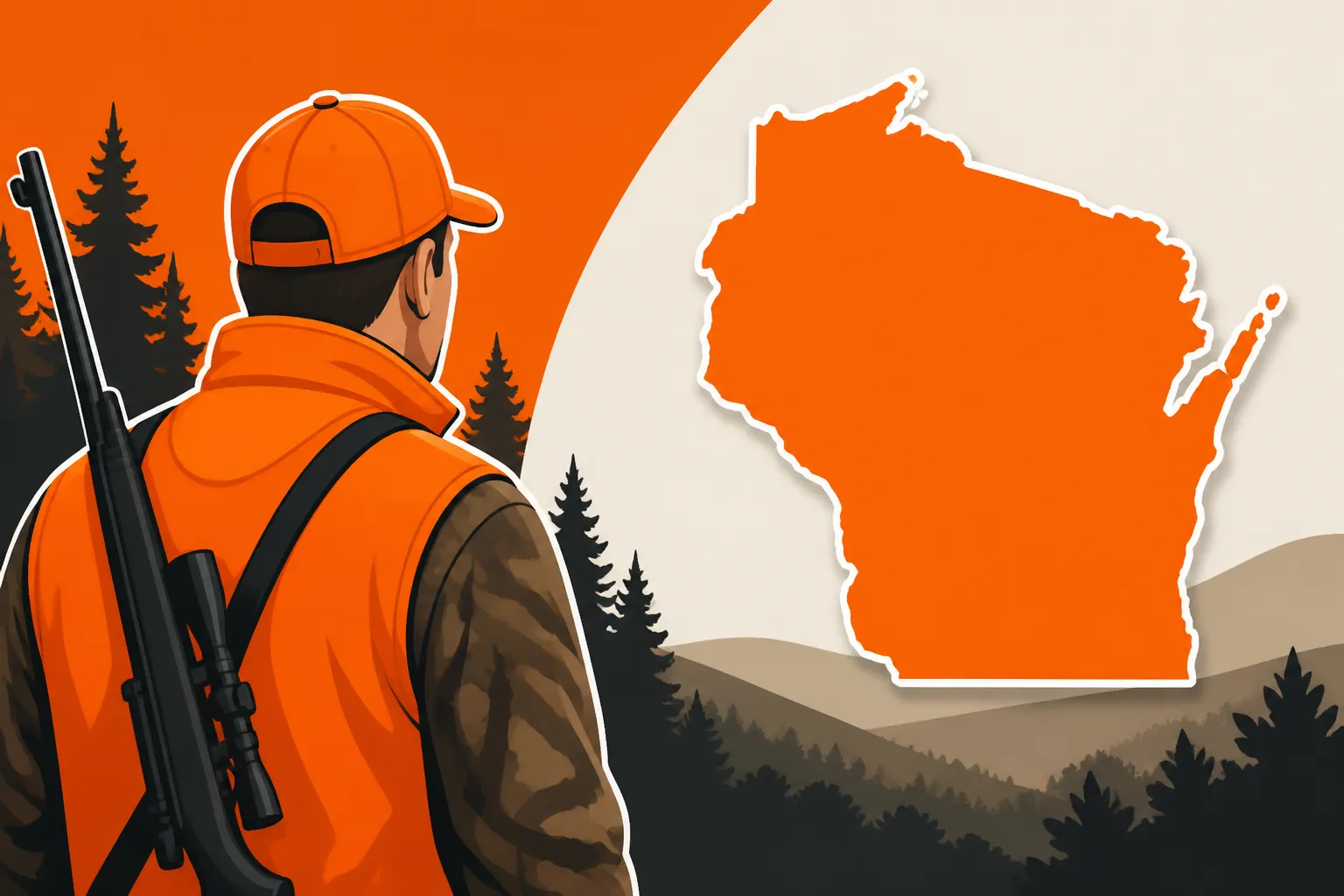
Wisconsin law stipulates that during any gun deer season, including the special youth hunts and muzzleloader seasons, all hunters must wear at least 50% blaze orange or fluorescent pink material on their outer clothing above the waist. This coverage must include a hat or head covering. It’s a measure that drastically increases your visibility to other hunters, reducing the chances of being mistaken for game. Think of it as a bright, unmistakable signal to everyone else in the woods that you are a fellow human, not a deer.
So, what does this "50% above the waist" actually look like in the field? Primarily, it means a vest or jacket in solid blaze orange or pink. This garment needs to wrap around your torso, covering your chest and back adequately. It’s not enough to have a few patches; the intent is for a significant portion of your upper body to be highly visible from all angles. For your head, a solid blaze orange or fluorescent pink hat is required. This means no camo patterns with just a splash of orange, but a hat that is predominantly, if not entirely, the required color. The goal is to make you obvious to other hunters, even in dense cover or low light, particularly when you’re moving or approaching a game animal. Many hunters also find it helpful to use resources like GoHunt to research and compare different blaze orange and pink gear options, ensuring they meet both legal requirements and personal comfort needs.
When Blaze Orange is Absolutely Mandatory
The seasons where blaze orange or fluorescent pink are non-negotiable revolve primarily around deer hunting with firearms. The big one, of course, is Wisconsin's Nine-Day Gun Deer Season. During this immensely popular period, the woods are teeming with hunters, and visibility is crucial. Everyone participating in the gun deer season, regardless of whether they are actively hunting deer, small game, or furbearers, must adhere to these regulations. This also extends to those accompanying hunters, even if they aren't carrying a weapon themselves.
Beyond the main gun season, these rules typically apply to other firearm deer hunts. This includes Muzzleloader Deer Hunting in Wisconsin, which has its own designated period, and the Wisconsin Holiday Antlerless Hunt, which often extends into late December. Even during the short but impactful Youth Deer Hunt, which introduces young hunters to the sport, these visibility requirements are in full effect. It’s a blanket rule for firearm deer season for a reason: safety is paramount when bullets are flying. It’s a good practice, even if you’re just hiking or observing, to wear blaze orange or pink during these periods if you're in an active hunting area, especially on public hunting land in Wisconsin.
Expanding on Exceptions and Specific Scenarios
While the general rule of blaze orange during gun seasons is clear, there are many hunting scenarios in Wisconsin where the requirement shifts or is entirely absent. Understanding these exceptions is just as important as knowing when to don your brightest gear.
Seasons Where Blaze Orange is NOT Required
One of the most common questions revolves around archery season. For those who prefer a more stealthy approach, the good news is that during Bowhunting Wisconsin's Long Archery Season, blaze orange or fluorescent pink is generally not required. This makes sense, as bowhunters rely on camouflage and close-range encounters, and a bright color would completely blow their cover. However, a critical caveat here is if the archery season overlaps with any firearm deer season (which it often does in some areas, especially the late archery season). If you are archery hunting during a concurrent gun season, then yes, you must wear blaze orange or fluorescent pink. Always check the current regulations for specific overlap dates in your zone.
Similarly, many other hunting pursuits in Wisconsin do not require blaze orange, primarily because they don't coincide with peak gun deer seasons or involve methods where visibility would be counterproductive to success. For instance, Spring Turkey Hunting in Wisconsin demands camouflage, as turkeys have excellent eyesight and can distinguish colors. The same goes for most forms of Predator and Furbearer Hunting in Wisconsin, where stealth is key, and much of it might occur at night. Upland bird hunters pursuing Grouse and Woodcock Hunting in Wisconsin, or waterfowl hunters engaged in Wisconsin Waterfowl Hunting on Marsh and River, typically do not need blaze orange, though wearing a bit of visible color when walking to and from blinds is a smart safety consideration, especially in high-traffic areas. When pursuing larger game with specific methods like Bear Hunting With Bait and Dogs in Wisconsin, hunters often operate from concealed blinds or rely on dogs, making blaze orange unnecessary for the active hunter, though support personnel might wear it for safety.
The Addition of Fluorescent Pink
For many years, blaze orange was the only color option for mandatory hunter visibility. However, Wisconsin broke new ground by introducing fluorescent pink as an alternative. This change was championed by hunters and legislators alike, aiming to be more inclusive and offer another choice for those who prefer it.
The rules for fluorescent pink are exactly the same as for blaze orange: 50% of your outer clothing above the waist, including a head covering, during mandatory seasons. It meets the same visibility standards and provides the same critical safety benefits. It's not a lesser alternative; it's simply another alternative. This means that whether you choose blaze orange or fluorescent pink, you are fulfilling the legal requirement and contributing to a safer hunting environment for everyone. This progressive move has been widely appreciated, offering a personal choice while maintaining the integrity of hunter safety laws. Using tools like GoHunt, hunters can often find a wider variety of gear options in both blaze orange and fluorescent pink, allowing for personal preference.
Practical Considerations and Staying Safe
Understanding the legal requirements for blaze orange and fluorescent pink is just the first step. To be truly safe and effective in the field, you need to think about how these regulations translate into practical gear choices and overall hunting etiquette.
Choosing the Right Gear for Visibility and Comfort
Wearing blaze orange or pink shouldn't feel like a burden; it should be an integrated part of your hunting system, especially when considering Layering for a Wisconsin Deer Stand. During the November gun season, temperatures can plummet, rain can turn to sleet, and winds can cut right through you. Your safety clothing needs to be more than just bright; it needs to be warm, waterproof, and allow for freedom of movement.
Many manufacturers now offer high-quality blaze orange and pink outerwear designed specifically for hunting. Look for vests, jackets, and hats that are durable, quiet, and integrate well with your layering system. A good insulated blaze orange jacket can serve as both your outer layer for warmth and your required visibility. For warmer days, a simple blaze orange vest over a camouflage shirt might suffice. The key is to ensure the material is rugged enough to withstand brush and briars, and bright enough not to fade with sun exposure or repeated washes. For late-season sits, consider a heavily insulated outer layer that offers full blaze orange coverage. Don't forget that hat – a simple knit blaze orange beanie or baseball cap can often be the difference between compliance and a potential fine. When researching gear, remember that platforms like GoHunt often feature user reviews and gear guides that can help you find products that perform well in Wisconsin's varied conditions while meeting visibility requirements.
Beyond the Regulations: Extra Safety Measures
While the law tells you when you must wear blaze orange or pink, there are plenty of times when it’s simply a good idea to wear it, even if it's not legally required. Consider small game hunting or even just scouting on public land in Wisconsin during periods outside of gun season. If there's any chance other hunters might be in the area, a bit of high-visibility clothing can prevent misunderstandings. This is especially true if you are entering or exiting thick cover.
Always communicate with your hunting partners about your locations and movements. Consider using two-way radios, especially on deer drives with three or four hunters, where precise communication is essential. Before you even head out, familiarize yourself with Legal Shooting Hours in Wisconsin, which dictate when it's safe and legal to fire your weapon. Always identify your target positively, and make absolutely certain of what's beyond it. Never shoot at sound or movement alone. These fundamental rules of hunter safety, combined with proper blaze orange or pink attire, form the bedrock of a responsible and enjoyable hunting experience in Wisconsin. Being highly visible is a proactive step that protects not only yourself but every other person who shares the woods with you.
| Season/Activity | Blaze Orange/Fluorescent Pink Required? | Specific Notes |
|---|---|---|
| Wisconsin's Nine-Day Gun Deer Season | Yes | 50% of outer clothing above the waist, including head covering. Applies to all hunters (deer, small game, furbearer) and those accompanying hunters. |
| Muzzleloader Deer Hunting in Wisconsin | Yes | Same requirements as the gun deer season. |
| Wisconsin Holiday Antlerless Hunt | Yes | Same requirements as the gun deer season. |
| Wisconsin Youth Deer Hunt | Yes | Same requirements as the gun deer season. |
| Bowhunting Wisconsin's Long Archery Season | No (unless concurrent with gun season) | Required ONLY if archery season overlaps with any open firearm deer season in your unit. Check specific dates annually. |
| Spring Turkey Hunting in Wisconsin | No | Stealth and camouflage are key for turkey hunting. |
| Bear Hunting With Bait and Dogs in Wisconsin | No | Hunters often in blinds or relying on hounds. Safety recommended for those tracking or approaching a downed bear. |
| Grouse and Woodcock Hunting in Wisconsin | No (unless concurrent with gun season) | Recommended to wear some blaze orange/pink, especially when walking to and from cover or if gun deer season is open. |
| Wisconsin Waterfowl Hunting on Marsh and River | No | Typically no requirement as waterfowl hunters are often in blinds or camouflaged. |
| Predator and Furbearer Hunting in Wisconsin | No (unless concurrent with gun season) | Often requires stealth or takes place at night. Use caution and discretion if concurrent with gun season. |
| Training Hunting Dogs | No (unless concurrent with gun season) | If training during any open gun deer season, hunters and dog handlers must meet blaze orange/pink requirements. |
| Shed Hunting on Wisconsin Public Land | No (unless concurrent with gun season) | If shed hunting during a firearm deer season, wear blaze orange/pink. Highly recommended even outside those seasons for general visibility. |
Disclaimer
The information provided in this guide is for general informational purposes only and is subject to change. Hunting regulations in Wisconsin are complex and can vary by season, location, and year. Always consult the official Wisconsin Department of Natural Resources (DNR) hunting regulations pamphlet or their website for the most current and accurate rules and laws before heading into the field. Your safety and compliance are your responsibility.