Wisconsin Mentored Hunting Law Rules
It's an age-old tradition, but let's be honest, getting new hunters out into the woods, especially the young ones, can feel like navigating a legal minefield. Many folks want to share the passion of Wisconsin's outdoors with their kids, grandkids, or even adult friends new to hunting, but they worry about licenses, hunter safety courses, and all the "what ifs." This comprehensive guide is here to untangle the rules of Wisconsin's Mentored Hunting Law, ensuring you can pass on the tradition safely, legally, and with confidence.
Understanding the Mentored Hunting Program
Wisconsin's Mentored Hunting Law is a fantastic initiative designed to simplify the introduction of new hunters to the field. It creates a pathway for individuals who haven't yet completed a hunter education course—whether they're excited youngsters or adults new to the sport—to gain invaluable hands-on experience under the direct supervision of an experienced hunter. It's about practical learning, fostering ethical behavior, and ensuring safety from day one.
Who Qualifies as a Mentor and Mentored Hunter
Let's break down who fits into these roles because it's crucial for understanding the program.
First, the mentored hunter is any individual who has not yet completed a hunter education course. This could be a child under the age of 10, a teenager between 10 and 17, or even an adult who simply hasn't gotten around to taking the course. The beauty of the mentored hunting program is that it allows these individuals to participate in hunting activities without first needing to pass a hunter education certification. This takes a lot of the pressure off, letting new hunters experience the sport before committing to a course, or allowing younger kids to join in the fun safely.
On the flip side, the mentor has some specific requirements. A mentor must be at least 18 years old and possess all the necessary Wisconsin hunting licenses and permits for the species they are hunting. Importantly, they must also have a valid hunter education certificate, meaning they've already demonstrated their knowledge of hunting safety and regulations. This isn't just about carrying a license; it’s about having the experience and legal standing to guide and be fully responsible for the new hunter. The mentor isn't just a chaperone; they are the ultimate safety net and educator in the field.
The Core Principles of Mentored Hunting
At its heart, mentored hunting in Wisconsin revolves around two critical principles: direct supervision and a one-on-one relationship. These aren't just suggestions; they are legal requirements designed to ensure maximum safety and effective teaching.
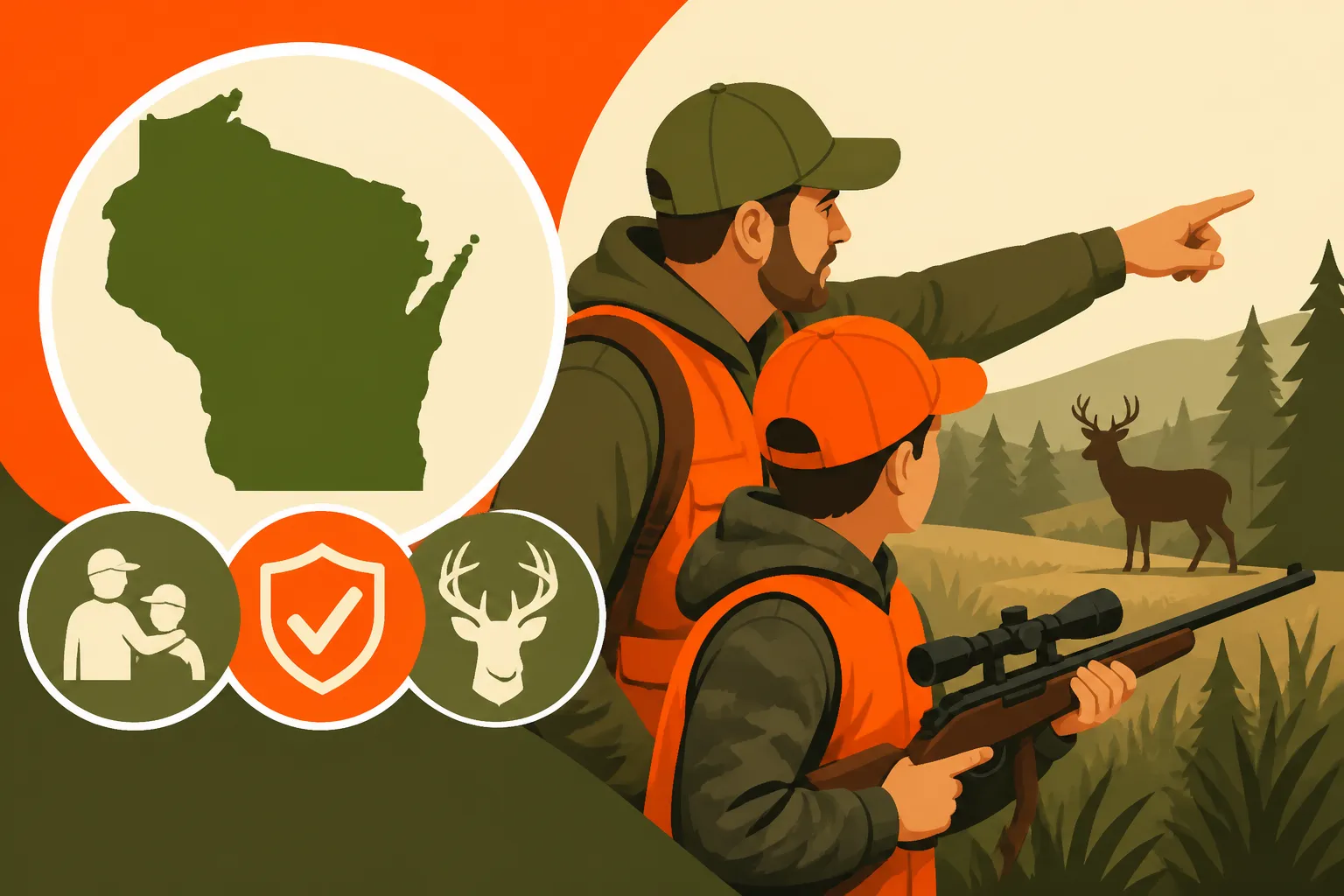
Direct supervision means the mentor must be within arm's reach of the mentored hunter at all times when a firearm or bow is in hand. This isn't "in the same deer stand" or "just down the trail"—it means close enough to physically take control of the weapon if an unsafe situation arises. Imagine a youngster getting a little too excited, pointing a gun incorrectly, or struggling to maintain control; the mentor needs to be able to intervene instantly. This arm's reach rule is fundamental for preventing accidents and instilling good habits from the very first shot. For bowhunting, it means being close enough to prevent any unsafe nocking or drawing.
The one-on-one rule dictates that one mentor can supervise only one mentored hunter at a time. You can't have one adult trying to keep an eye on two new hunters with loaded firearms. This rule reinforces the intense focus required from the mentor, ensuring that their full attention is dedicated to the safety and instruction of a single individual. It's a critical safety measure that prevents distractions and dilutes supervision, which could lead to dangerous situations. This focused approach allows for personalized instruction, immediate feedback, and a much safer environment for learning.
Licensing Requirements for Mentors and Mentees
This is where some people get confused, so let's clarify.
For the mentored hunter, the good news is they do not need to purchase a hunting license or complete hunter education. Their participation is covered under the mentor's valid licenses and tags. This makes it incredibly easy for new folks to try hunting without the upfront cost and time commitment of a full license and course. However, if a mentored hunter wants to harvest an animal and apply it to a specific tag (like a bonus antlerless tag later on), they would eventually need their own license. But for the initial mentored hunt, they are simply participating under the mentor's umbrella.
The mentor, however, must possess all the necessary licenses, permits, and tags for the species being hunted in that specific season and zone. For example, if you're taking a mentored hunter deer hunting, you, as the mentor, need your valid gun deer license and any antlerless tags applicable to the Deer Management Unit you're in. This means that if the mentored hunter successfully harvests an animal, it must be legally tagged using one of the mentor's available tags. The Wisconsin DNR's Go Wild system, which you can access online or through the useful GoHunt app, makes purchasing and managing these licenses quite straightforward. It’s important to double-check these requirements each year, as regulations can occasionally shift. You can find detailed information about specific licenses and their costs on pages like "Wisconsin Hunting Licences and What They Cost".
What a Mentored Hunter Can Hunt in Wisconsin
The breadth of hunting opportunities available through the mentored hunting program is quite impressive, covering most of Wisconsin's popular game species. This wide scope ensures that new hunters can experience a variety of hunting scenarios from small game to big game.
Species Allowed Under Mentored Hunting
Generally speaking, mentored hunters can participate in the hunting of most small game, deer, turkey, and bear, provided the mentor holds the appropriate licenses and tags for these species. This means a mentored hunter could be with you during Wisconsin's Nine-Day Gun Deer Season, pursuing grouse in the autumn woods, or even waiting in a blind for a spring gobbler during Spring Turkey Hunting in Wisconsin.
However, it’s always wise to check the latest Wisconsin Department of Natural Resources (DNR) regulations pamphlet or their website for any specific exceptions or rules that might apply to certain species. While the program is broad, there might be very specific limitations for certain furbearers or highly regulated hunts. For instance, while general turkey hunting is permitted, the nuances of the turkey draw or specific periods might still apply to the mentor's tag. Always make sure your mentor is fully aware of all rules for the specific game you're after. Information on other seasons, such as Wisconsin Small Game and Furbearer Seasons, will help you plan your mentored hunts.
Specific Weapon and Tag Rules
The core of the mentored hunting program's safety comes down to the rules surrounding weapons and tags. As mentioned, the direct supervision rule is paramount when any weapon is present.
For firearms, this means the mentor must be within arm's reach and maintain the ability to take immediate control. This could involve physically steadying the gun, guiding the aim, or even taking the weapon away if the situation becomes unsafe. It's not about letting a novice handle a loaded weapon completely independently; it's about being a co-pilot with ultimate control. When it comes to what constitutes a legal firearm for deer, understanding Legal Firearms for Wisconsin Deer is crucial, and these rules extend to mentored hunting.
For archery equipment, the same "arm's reach" rule applies. Whether using a traditional bow or a crossbow, the mentor must be close enough to physically assist or intervene. This is especially important given the power of modern archery equipment. For a detailed look at the general rules, check out How Wisconsin's Archery and Crossbow Seasons Run.
When a mentored hunter successfully harvests an animal, that animal must be tagged with one of the mentor's available tags. The mentored hunter cannot use their own tag, because they don't have a license that grants them tags under this program. This means if you, the mentor, only have one buck tag, and your mentee harvests a buck, that tag is now filled. This system streamlines the process and ensures all harvested animals are legally accounted for under the existing framework.
The Importance of Blaze Orange/Pink and Other Safety Gear
Safety is the absolute cornerstone of mentored hunting, and that extends far beyond just weapon handling. Wisconsin has clear requirements for visible clothing during certain hunting seasons, particularly gun deer season. Both the mentor and the mentored hunter must adhere to these blaze orange or blaze pink requirements.
This usually means wearing at least 50% blaze orange or pink above the waist, with certain exceptions for waterfowl or turkey hunting. These highly visible colors dramatically increase safety by making hunters easily identifiable to others in the field. It’s not just a suggestion; it’s a legal mandate that can prevent tragic accidents. You can delve into the specifics on "Wisconsin Blaze Orange and Pink Rules".
Beyond visible clothing, it’s the mentor’s responsibility to ensure all necessary safety gear is used. This includes hearing protection when shooting firearms, eye protection, and any other equipment that might be required or beneficial for the specific hunt. For example, if hunting from a treestand, a safety harness and lifeline are non-negotiable for both the mentor and the mentee. The mentor sets the standard for safe practices, and this teaches the mentee invaluable lessons that will last a lifetime.
Practical Applications and Common Scenarios
Understanding the rules on paper is one thing, but applying them in real-world hunting situations can sometimes feel a bit different. Let's explore how the mentored hunting law plays out in common scenarios, giving you a clearer picture of what to expect and how to prepare.
On the Deer Stand or in the Duck Blind
Imagine you're in a deer stand with a mentored hunter during Wisconsin Deer Seasons and Zones. The rules about "arm's reach" are critical here. If your mentee is holding a rifle, your hand should literally be close enough to touch the firearm, ready to guide or correct their aim. This isn't just for safety; it's also for instruction. You can whisper guidance on breath control, target acquisition, and shot placement. If a deer appears, you might help them steady the rifle, ensuring a safe and ethical shot. For instance, if you're using a ground blind, ensure there's enough space for both of you to sit comfortably while maintaining that close proximity. You might even position yourself slightly behind or beside the mentee, so you have a clear view of their muzzle and target. Learning to set up your stand or blind with this in mind is key, especially if you're Using a Ground Blind on Wisconsin Public Land.
Now, picture a duck blind scenario. The mentee might be holding a shotgun, perhaps their first time. You, as the mentor, are not only within arm's reach but also actively calling out birds, instructing on when to mount the gun, and helping them track the target. The focus remains on safety first, ensuring the muzzle is always pointed in a safe direction. You might even load the gun for them or supervise them doing it, making sure they understand the mechanics before the shot. The excitement of a flock of mallards coming into the decoys can be overwhelming for a new hunter, and your calm guidance is indispensable.
Dealing with Public vs. Private Land
The Wisconsin Mentored Hunting Law itself applies uniformly across both public and private lands. The "who, what, and how" of mentored hunting doesn't change based on land ownership. However, access rules and local regulations certainly do.
When hunting on public land, such as a state forest or wildlife area, it's vital to be aware of any specific regulations that might apply beyond just hunting season dates. These could include rules about baiting, the use of ATVs, camping, or even where you can legally set up a blind. Given the increasing Hunting Pressure on Wisconsin Public Land, understanding boundary lines and designated hunting areas is crucial. Using resources like the GoHunt app or other mapping tools to confirm land ownership and public access points before you go is always a smart move.
On private land, the primary concern is permission. You must have explicit permission from the landowner to hunt, and it's wise to discuss that you'll be bringing a mentored hunter along. Some landowners may be enthusiastic about helping introduce new hunters, while others might prefer to keep numbers limited. Always respect their wishes. Regardless of land type, the core safety and supervision tenets of the mentored hunting program remain the same; it's just the access logistics that might differ.
The Educational Aspect Beyond the Harvest
Mentored hunting isn't just about pulling a trigger; it's a holistic experience that teaches far more than just how to shoot. It's about instilling a deep respect for nature, ethical hunting practices, and conservation.
As a mentor, you have the unique opportunity to teach crucial skills like reading sign, understanding animal behavior, tracking game, and even Field Dressing a Deer in Cold Weather. You can explain why certain regulations exist, such as baiting bans or harvest quotas, fostering an understanding of wildlife management. It’s about being observant, patient, and appreciative of the entire outdoor experience, not just the moment of the shot.
This immersive learning process is an invaluable stepping stone for any aspiring hunter. It provides practical context for when they do eventually take their official hunter safety course. They'll walk into that classroom with real-world experience, making the lessons more tangible and meaningful. The goal isn't just to harvest an animal, but to cultivate a responsible, knowledgeable, and passionate conservationist who will carry on the hunting tradition ethically for years to come. This foundational experience is a key part of the DNR's efforts to ensure Wisconsin Hunter Safety and Mentored Hunting continue for generations.
Benefits and Responsibilities of Mentored Hunting
The mentored hunting program is a win-win for everyone involved: it provides a fantastic entry point for new hunters and allows seasoned hunters to give back to the sport they love. However, with these benefits come significant responsibilities, particularly for the mentor.
Growing the Hunting Tradition
One of the most significant benefits of Wisconsin's Mentored Hunting Law is its role in hunter recruitment and retention. In an era where hunter numbers are a concern, programs like this are vital. They remove immediate barriers to entry—like the need for a hunter education course or a full hunting license for the mentee—allowing individuals to experience the thrill and challenge of hunting firsthand.
For many, the cost and time commitment of a hunter education course can be daunting if they're not even sure if hunting is for them. Mentored hunting provides a low-pressure "trial run." A positive first experience in the woods, under the guidance of a patient and knowledgeable mentor, can ignite a lifelong passion. It fosters an appreciation for wildlife, conservation, and the outdoors that is hard to gain through any other means. This direct, personal connection is far more impactful than any textbook or online course alone, ensuring that the rich tradition of hunting continues to thrive in Wisconsin. It's about creating memories and passing down skills that are part of our state's heritage.
Mentor Responsibilities and Legalities
Being a mentor is a privilege, but it carries substantial legal and ethical responsibilities. As a mentor, you are legally responsible for the actions of your mentored hunter while in the field. This means if the mentored hunter commits a violation, the mentor is held accountable. This isn't just a minor detail; it underscores the seriousness of the role.
The mentor must ensure that all hunting regulations are followed, that the mentee understands and practices safe firearm or bow handling, and that ethical considerations are always prioritized. This responsibility means being constantly vigilant, teaching by example, and being prepared to intervene at a moment's notice. Negligence on the part of the mentor can lead to serious consequences, including fines, loss of hunting privileges, and even criminal charges in the event of an accident or violation. This is why the "arm's reach" and "one-on-one" rules are so rigidly enforced—they are designed to protect everyone involved and uphold the integrity of the hunting community. It's a role that demands respect, patience, and unwavering commitment to safety. For those truly dedicated to the Wisconsin outdoors, the Wisconsin Conservation Patron Licence is a great way to support these programs while covering many of your own hunting and fishing needs.
Transitioning to Independent Hunting
The mentored hunting program is designed as a bridge, a way for new participants to gain confidence and knowledge before embarking on their own hunting journey. It's not meant to be a permanent substitute for formal hunter education.
Once a mentored hunter has experienced the field, gained a basic understanding of safe practices, and decided they want to pursue hunting independently, the next crucial step is completing a Wisconsin-approved hunter education course. This course covers everything from firearm safety and wildlife identification to ethical conduct and game care in much greater detail than can be absorbed during field mentorship alone. Upon successful completion of hunter education, they can then purchase their own full hunting licenses and tags via systems like The Wisconsin Go Wild Licence System, allowing them to hunt independently (or continue to hunt with a mentor, but now as a fully certified hunter).
This progression ensures that new hunters are well-rounded, safe, and responsible members of the hunting community. The mentored experience provides the spark and practical foundation, while hunter education provides the comprehensive knowledge and certification needed for a lifetime of safe and ethical hunting in Wisconsin.
Wisconsin Mentored Hunting Quick Reference
| Requirement | Mentor | Mentored Hunter |
|---|---|---|
| Age | 18+ years old | Any age (no minimum or maximum) |
| Hunter Education | Required (must be certified) | Not Required |
| Hunting License | Required (for species hunted) | Not Required (covered by mentor) |
| Direct Supervision | Required (within arm's reach) | Under direct supervision |
| One-on-One Rule | One mentor per one mentored hunter | One mentored hunter per one mentor |
| Blaze Orange/Pink | Required (during applicable seasons) | Required (during applicable seasons) |
| Tagging Game | Uses mentor's valid tags | Game is tagged with mentor's tag |
| Legal Responsibility | Fully Responsible for mentee's actions | Under mentor's legal responsibility |
Disclaimer
The information provided in this guide is for general informational purposes only and does not constitute legal advice. Hunting regulations in Wisconsin are subject to change, and it is the individual hunter's responsibility to consult the most current Wisconsin Department of Natural Resources (DNR) regulations pamphlet and official resources before participating in any hunting activity. Always prioritize safety and adhere to all applicable laws and regulations.