County Deer Advisory Council Recommendations
It can be incredibly frustrating to feel like deer management decisions are made in some distant office, disconnected from the realities you face in your hunting woods. For years, many Wisconsin hunters wished for a stronger local voice in how our deer herds were managed. That's precisely where the County Deer Advisory Councils (CDACs) come into play. This guide will meticulously break down what CDACs are, how they operate, and most importantly, how their recommendations directly impact your hunting seasons and opportunities right here in Wisconsin.
What Exactly Are County Deer Advisory Councils (CDACs)?
For a long time, deer management in Wisconsin often felt like a top-down affair. State agencies would make decisions that sometimes seemed to clash with the on-the-ground observations of hunters, farmers, and landowners in specific counties. There was a genuine disconnect, and many felt their local knowledge and concerns weren't being adequately heard. This frustration was a significant catalyst for the creation of County Deer Advisory Councils.
The Hunter's Voice in Deer Management
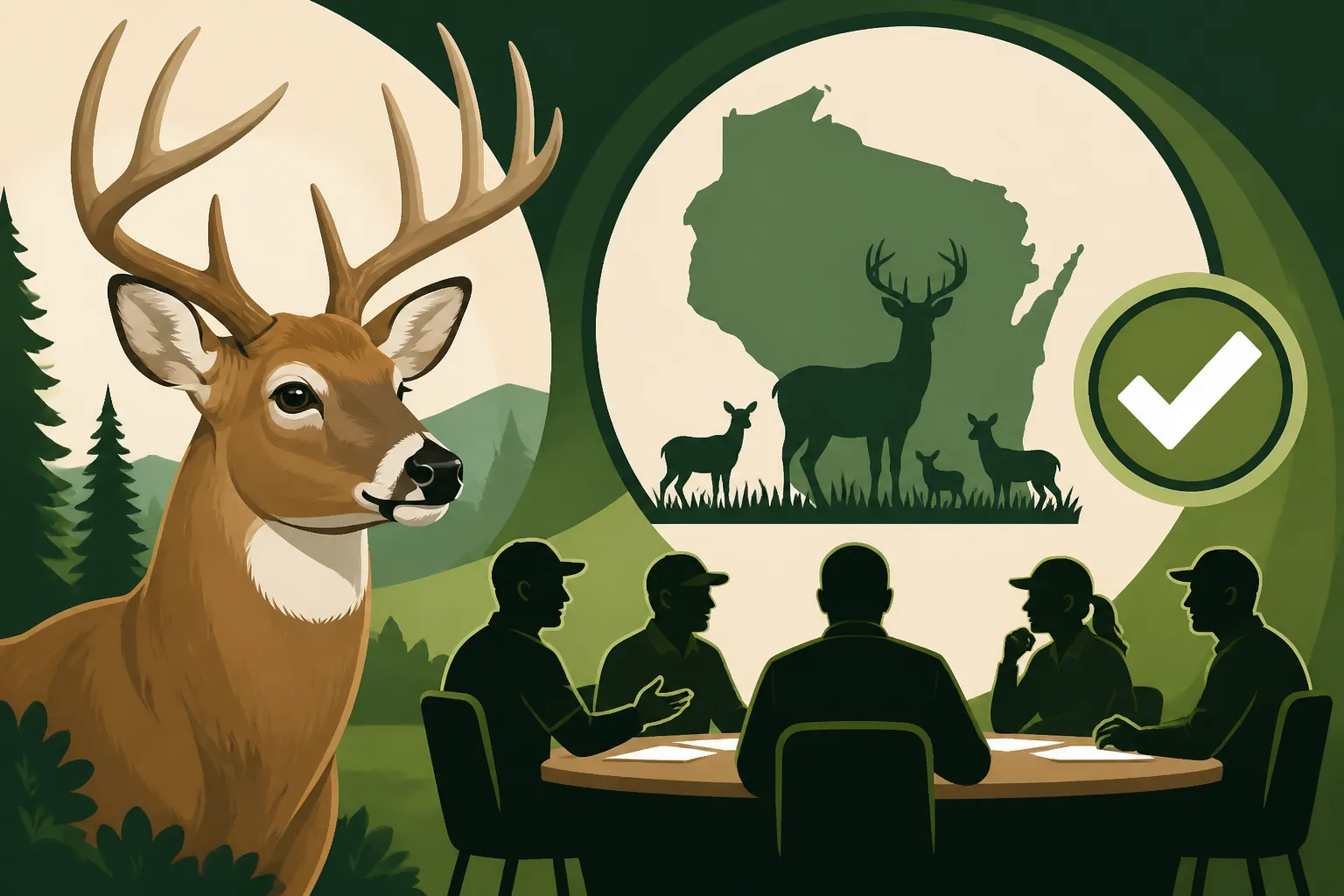
The fundamental purpose of CDACs is to bring local perspectives directly into the deer management process. Imagine sitting around a table with fellow hunters, farmers who deal with crop damage, foresters concerned about regeneration, and local conservationists. That's the idea behind a CDAC. It's a structured platform designed to bridge the gap between state-level biological data and the real-world experiences of those living and working with deer in a particular county. This shift from purely statewide mandates to incorporating strong local input was, and still is, a pretty big deal for many of us who felt our voices were previously just whispers in the wind. These councils are meant to ensure that management strategies reflect the unique ecological and social conditions of each county, rather than a one-size-fits-all approach that rarely fits anyone perfectly. They provide a vital feedback loop, translating local sentiment and observations into tangible recommendations for the Wisconsin Department of Natural Resources (DNR).
Who Sits on a CDAC and Why It Matters
A CDAC isn't just a gathering of hunters, although hunters are certainly a crucial component. These councils are designed to be broadly representative, typically comprising 7 to 12 members. You'll find a mix of folks: hunters (often representing different interests like archery, gun, or traditional methods), farmers, foresters, local government officials, and representatives from conservation organizations or the non-hunting public. Each member brings a unique set of experiences and priorities to the table, and this diversity is precisely what makes the CDACs so effective.
For example, a farmer might focus heavily on crop damage and the economic impact of overabundant deer, advocating for higher antlerless quotas. A forester might highlight the impact of deer browsing on forest regeneration, leading to recommendations for specific harvest strategies in forested areas. A local hunter might emphasize the quality of the hunting experience or the deer herd's health, offering insights on local deer movement patterns or herd composition. This varied input is essential because deer management isn't just about deer numbers; it's about balancing ecological health with socio-economic impacts and recreational opportunities. By having these different voices contribute, the CDAC can formulate recommendations that are far more holistic and locally relevant than any single perspective could achieve on its own. It's truly an attempt to create a common ground where different stakeholders can discuss, debate, and ultimately agree on a shared vision for their county's deer herd.
The Annual Process: How CDACs Shape Deer Seasons
Understanding how CDACs actually translate local input into season recommendations can feel a bit like peeling back layers of an onion. It’s a multi-step process that’s heavily reliant on data, public participation, and consensus-building. It's not just a bunch of folks chatting; there's a serious method to their work.
Reviewing Data and Hunter Feedback
Every year, CDACs embark on a comprehensive review of a wide array of information. This isn't just anecdotal evidence, though personal observations are definitely valued. They pore over hard data, including:
- DNR Population Estimates: These are the scientific models that attempt to estimate how many deer are in a county.
- Harvest Numbers: Detailed records of how many deer, and what kind (antlered, antlerless, adult, fawn), were harvested in previous seasons.
- Deer Impact Data: This includes statistics on deer-vehicle collisions, reports of agricultural crop damage, and surveys of forest regeneration to gauge the impact of deer browsing.
- CWD Prevalence: In counties affected by Chronic Wasting Disease, CDACs closely monitor prevalence rates and geographic spread to inform management strategies.
- Public Feedback: This is perhaps one of the most crucial elements. CDACs actively solicit public input through surveys and, most notably, public meetings. These meetings, often held in late winter or early spring, are where hunters, landowners, and concerned citizens can directly share their observations, concerns, and suggestions.
Think about it: you might have noticed a decline in doe sightings in your hunting area, or perhaps an increase in vehicle collisions on a specific stretch of highway. Sharing these observations with your local CDAC can provide a vital ground-truth check for the scientific models. It ensures that the "data" isn't just numbers on a spreadsheet but reflects the living, breathing reality of deer in your backyard. Resources like GoHunt can be invaluable here, helping you track down specific data relevant to your county or reminding you when those public input periods are open.
Crafting Recommendations for Antlerless Harvest
The primary and most impactful output of a CDAC's work is their recommendation for the upcoming deer season's antlerless harvest. This isn't a small thing; it directly dictates how many antlerless tags will be available to hunters in your county, and under what conditions.
Based on all the data, feedback, and discussions, the CDAC will propose:
- Antlerless Quotas: The total number of antlerless deer that should be harvested in the county. This is the big one, directly influencing herd size.
- Bonus Antlerless Tag Availability: They'll recommend whether bonus antlerless tags should be offered, and if so, how many and for which land types (public, private, or either-sex). This is a key tool to fine-tune local harvest goals. You might find more detail on How Antlerless Authorizations Are Allocated and Bonus Antlerless Tag Sales in Wisconsin by checking out some of our other articles.
- Special Season Structures: This could include recommendations for special youth hunts, extended archery or crossbow seasons, or specific rules for the Wisconsin Holiday Antlerless Hunt Dates. In counties with high CWD prevalence, they might recommend additional CWD-focused hunts or carcass movement restrictions.
- Private vs. Public Land Tags: They often differentiate between tags allocated for private land and those for public land, recognizing that hunting pressure and deer populations can vary significantly between the two.
These recommendations are not just arbitrary numbers; they are a careful balance of biological goals (like managing herd health or reducing disease spread) with social goals (like managing crop damage or improving hunter satisfaction). For a hunter, these decisions are pivotal, directly determining your opportunities to fill an antlerless tag, which many of us prioritize for venison in the freezer.
The Role of Public Input and How to Get Involved
If you've ever griped about deer numbers or season structure, this is your direct channel to influence change. The CDACs are explicitly designed to incorporate public input, and they genuinely want to hear from you. It's not just a formality; your input helps validate or challenge the data and shapes the recommendations.
There are a few key ways to get involved:
- Attend Public Meetings: Each CDAC holds public meetings, typically in the spring. These are usually announced on the DNR website and often shared through local hunting groups and news outlets. Attending these meetings allows you to hear the data presented, ask questions, and share your perspective directly with council members. It’s also a great way to meet fellow hunters and conservation-minded folks in your area.
- Submit Written Comments: If you can't attend a meeting, you can usually submit written comments online or by mail. These comments are reviewed by the CDAC members and factored into their discussions. This is a fantastic option if you have specific observations or suggestions but struggle with scheduling.
- Stay Informed: Keep an eye on local news, the DNR website, and even hunting apps like GoHunt for announcements about CDAC meeting schedules, agendas, and opportunities for public comment. Understanding the proposals before they are finalized gives you the best chance to weigh in effectively.
Your participation ensures that the recommendations are robust and represent the diverse interests within the county. The more informed and engaged the public is, the stronger the CDAC's recommendations will be, leading to better management outcomes for everyone.
Impact and Influence of CDAC Recommendations
So, you've attended a meeting, submitted your comments, and the CDAC has made its recommendations. What happens next? How do these local suggestions become state-level hunting regulations? It’s a system designed for collaboration, though the final authority still rests with the DNR.
From Recommendation to Reality: DNR's Role
Once a CDAC finalizes its recommendations for antlerless quotas, season structure, and other deer management details, these proposals are formally submitted to the Wisconsin Department of Natural Resources (DNR). It's crucial to understand that while CDACs provide incredibly influential recommendations, the DNR has the ultimate authority to set the final deer season framework.
However, the entire purpose of creating CDACs was to decentralize deer management and empower local voices. Because of this, the DNR generally gives very significant weight to the CDAC recommendations. In most cases, the final regulations issued by the DNR largely align with what the county councils have proposed. Instances where the DNR might diverge are rare and typically occur only when there are significant statewide biological concerns, legal constraints, or inconsistencies with broader state policy. For example, if a CDAC recommended something that dramatically conflicted with state law or threatened the long-term health of the statewide herd, the DNR might step in. But for the vast majority of county-specific decisions, the CDAC's voice is the loudest. This local influence can be seen in the varying quotas and season lengths you find, which contrast with a rigid, statewide approach. You can often see the impact of these recommendations when you look at specific frameworks like How Farmland Zone Quotas Are Set versus How Northern Forest Quotas Are Set.
Understanding Deer Management Zones and Units
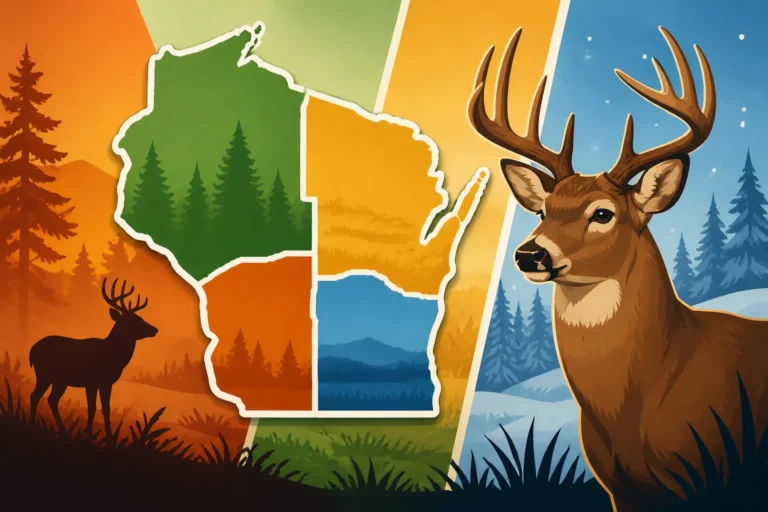
Wisconsin's deer management is structured around specific zones and units, and CDAC recommendations fit right into this framework. Our state is divided into four primary Wisconsin Deer Management Zones: the Northern Forest, Central Forest, Farmland, and the CWD Management Zone. Within these zones, individual counties or parts of counties form distinct Wisconsin Deer Management Units by County.
Each CDAC is responsible for making recommendations for its specific county's unit(s). This means that while a county might fall within the broader "Farmland Zone," its CDAC will tailor recommendations based on the unique conditions and public feedback within that specific county. So, what might be recommended for Dane County's farmland might differ from what's recommended for Grant County's farmland, even though both are in the Farmland Zone. This localized approach allows for greater precision in management. For instance, a county dealing with severe agricultural damage might recommend a higher antlerless quota than a neighboring county in the same zone that has less intensive agriculture and healthier deer populations. It's a nuanced system designed to avoid sweeping generalizations and address very specific local conditions.
Navigating Local Regulations: Baiting and Feeding Bans
Another significant area where CDACs can have a direct impact on your hunting experience is related to Wisconsin Baiting and Feeding Bans. These bans are often a hot topic among hunters, and their implementation is frequently tied to the presence and spread of Chronic Wasting Disease (CWD).
When CWD is detected in a county, specific rules regarding baiting and feeding automatically kick in. The CDAC in that county becomes a crucial forum for discussing and recommending further actions or changes related to these bans. For example, if CWD prevalence is increasing, the CDAC might recommend continuing or even strengthening baiting bans, recognizing the scientific evidence that concentrated deer at bait sites can facilitate disease transmission. Conversely, if local hunters feel the ban is overly restrictive or not effectively curbing CWD, they can voice these concerns through the CDAC, prompting discussion and potentially alternative recommendations.
It's a complex issue with strong opinions on both sides. Hunters often value baiting as a strategy, but wildlife managers and many others view it as a risk factor for CWD. The CDAC acts as a critical local sounding board for these debates, helping to shape the county's stance on Which Wisconsin Counties Ban Baiting and How Wisconsin Baiting Bans Are Triggered, thereby directly influencing how you can hunt in your area. This local engagement ensures that policies, while guided by state science, also consider local sentiment and practical hunter realities.
Hunter Strategies Influenced by CDAC Outcomes
The recommendations and subsequent regulations set by CDACs and the DNR aren't just bureaucratic decisions; they have very tangible implications for how you plan and execute your hunting season. Understanding these influences can give you a significant edge in adapting your strategies.
Adapting to Antlerless Quotas
The number of antlerless tags available in your county, directly influenced by CDAC recommendations, is a huge factor in your season planning.
- High Antlerless Quotas: If your CDAC recommends a high antlerless quota and bonus tags are readily available, you might adjust your strategy to prioritize harvesting a doe early in the season, particularly if you're focused on filling the freezer. This could mean more time spent watching food plots, field edges, or travel corridors where does are known to frequent. You might also consider using private land tags more freely if public land tags are limited. High quotas are often a sign that the herd is healthy and managers are looking to maintain balance, perhaps even reducing populations to mitigate impacts. This is where you might find ample opportunity for Filling a Wisconsin Antlerless Tag.
- Low Antlerless Quotas: Conversely, if the CDAC recommends very limited antlerless tags, it often signals a desire to grow the deer herd or address specific concerns, like a tough winter die-off or low fawn recruitment. In this scenario, your strategy might shift. You'd likely be much more selective about which antlerless deer you pursue, perhaps holding out for a mature doe, or focusing almost entirely on your buck tag. Hunters might also look for opportunities in neighboring counties with more generous quotas, if feasible. This scarcity can make hunters more strategic about timing and location, often leading to more intense scouting to maximize a limited opportunity.
Staying informed about these quotas, perhaps through resources like the DNR's GoWild system or by following your local CDAC, is key to making smart in-season decisions.
Utilizing Special Season Opportunities
CDAC recommendations can also lead to unique hunting opportunities that, if you're paying attention, can significantly extend your time in the woods or increase your chances of success.
- Extended Seasons: Some CDACs might recommend extending a particular season, like the archery or crossbow season, for antlerless deer to help reach harvest goals. This gives hunters more flexibility and time to pursue deer, especially during late season when deer patterns change due to cold weather and snow.
- Youth Hunts: CDACs play a role in supporting Wisconsin Youth Deer Hunt Rules and other youth-focused initiatives. These special weekends are fantastic opportunities to introduce new hunters to the sport in a less pressured environment. If your county's CDAC is proactive in promoting these, it creates valuable family hunting time.
- Holiday Antlerless Hunt: In counties where a high antlerless harvest is desired, the Wisconsin Holiday Antlerless Hunt Dates provides an additional opportunity after the main gun season. This is a critical time for many hunters to fill additional tags, especially after the pressure of the regular seasons has settled and deer patterns might become more predictable around food sources.
By staying abreast of your CDAC's recommendations and the resulting season structure, you can strategically plan your hunting schedule. This might involve setting aside specific days for a late-season antlerless hunt, or coordinating with family for the youth hunt weekend. These "special" seasons are a direct outcome of local management discussions and provide invaluable opportunities for those willing to adapt and take advantage of them. Knowing these opportunities exist and how to leverage them is a cornerstone of effective hunting in Wisconsin.
CDAC Member Types and Their Primary Concerns
| Member Type | Primary Concerns & Contributions |
|---|---|
| Hunter Representative | Herd health, trophy potential, hunter access, quality of hunting experience, specific season lengths. |
| Farmer Representative | Crop damage, deer-vehicle collisions, land access for hunters, nuisance deer management. |
| Forester Representative | Deer browsing impacts on forest regeneration, timber value, habitat management. |
| Conservation/General Public | Overall ecosystem health, CWD management, non-hunting recreational impacts, ethical hunting practices. |
| Local Government Official | Public safety (deer-vehicle collisions), economic impact of hunting, local land use planning. |
| DNR Liaison | Provide biological data, state-level regulations, technical expertise, facilitate discussion. |
Disclaimer
Please remember that hunting regulations and seasons are subject to change. Always consult the official Wisconsin Department of Natural Resources (DNR) hunting regulations pamphlet or their website for the most current and accurate information before heading afield. This guide provides general information and recommendations based on current understanding of the CDAC process.