Wisconsin Bear Preference Points and Zones
If you've ever dreamed of chasing black bears through Wisconsin's vast Northwoods or dense farmlands, you've likely bumped into a rather complex system: preference points and hunting zones. It can feel like you need a secret decoder ring just to figure out how to get a tag. This guide is here to untangle the web, helping you understand the system so you can maximize your chances of finally drawing that coveted Wisconsin bear permit.
Understanding the Wisconsin Bear Hunting Landscape
Wisconsin offers an incredible black bear hunting opportunity, but it's not a free-for-all. The state's Department of Natural Resources (DNR) manages the bear population meticulously, ensuring sustainable hunting while also addressing potential conflicts with humans. For many hunters, earning a bear tag is a years-long endeavor, a testament to both the popularity of the hunt and the health of the bear population.
Why Bear Hunting is So Popular in Wisconsin
There’s just something about bear hunting that captures the imagination. Maybe it’s the sheer power and intelligence of these animals, the challenge of pursuing a truly wild quarry, or the deep tradition of the hunt in Wisconsin. For many, it's the pinnacle of big game hunting in the state, offering a unique blend of tracking, strategy, and patience. The thrill of being out in the vast forests, knowing a massive black bear could be just around the corner, is an experience unlike any other. It’s also a hunt that often involves deep dives into nature, long scouting trips, and a true appreciation for the wilderness that these magnificent animals call home. Plus, with the healthy and growing bear population in Wisconsin, the chances of encountering a bear are quite good once you draw that tag, making the long wait worthwhile.
The Importance of Zones and Quotas
The Wisconsin DNR doesn't just hand out bear tags randomly. They've established a system of management zones and harvest quotas to carefully control the number of bears taken each year. These zones are geographical areas, each with its own specific bear population dynamics, habitat, and human interaction levels. The quotas, or the maximum number of bears allowed to be harvested in each zone, are set annually based on population estimates, research, and public input. This structured approach helps prevent overharvesting in some areas while allowing for increased harvest in others where bear numbers might be higher or where there are more instances of human-bear conflict. It's a delicate balancing act designed to maintain a healthy bear population for future generations of hunters and wildlife enthusiasts alike, ensuring that the opportunity for Wisconsin's Black Bear Population remains strong.
Deciphering Wisconsin's Bear Zones
Wisconsin's bear hunting opportunities are divided into six distinct zones, each with its own characteristics, population density, and allowable hunting methods. Understanding these zones is the first critical step in navigating the preference point system and planning your dream hunt. Each zone presents a different challenge and experience, from the dense northern forests to the agricultural areas where bears might be expanding their range.
Overview of the Six Bear Management Zones
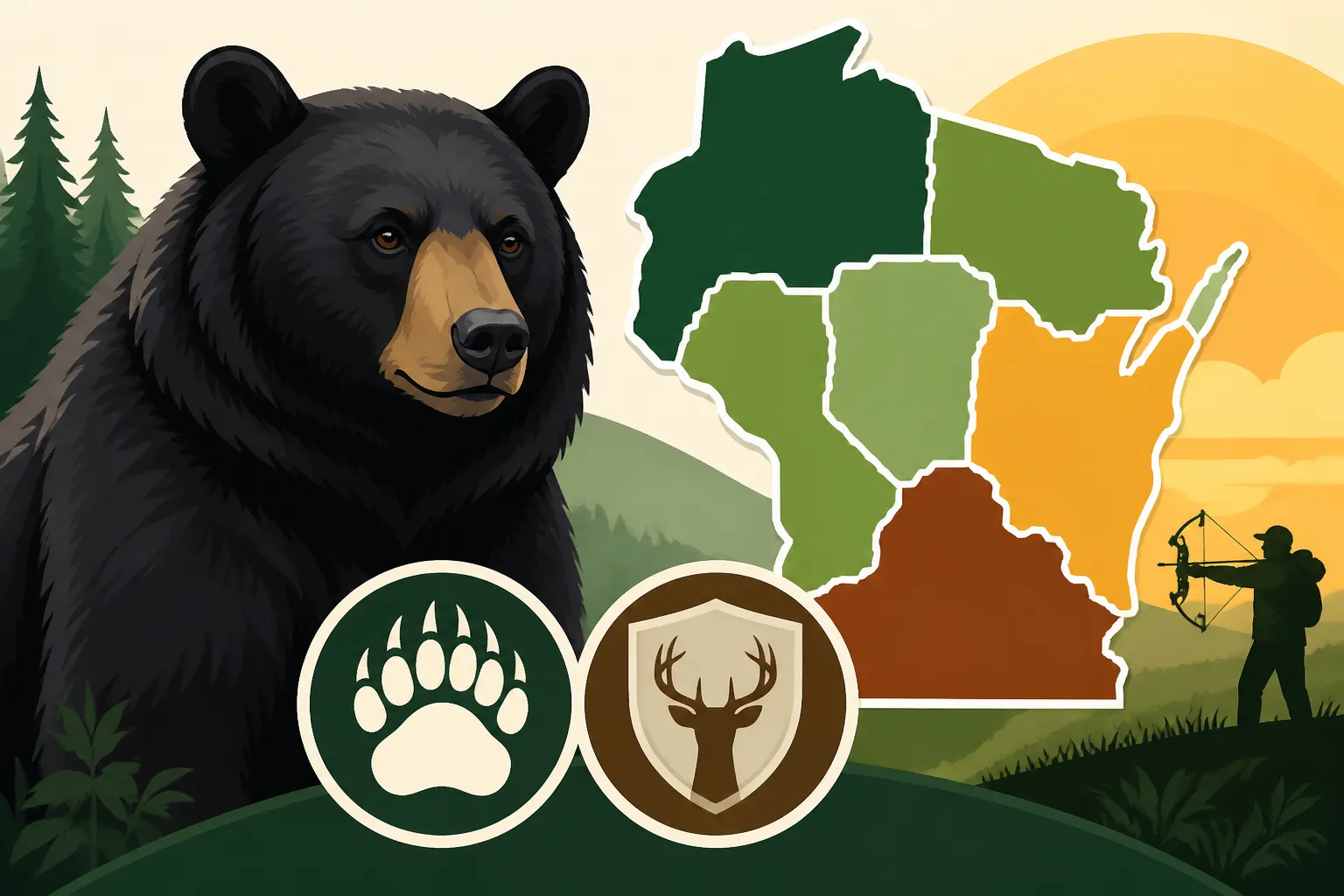
Wisconsin is sectioned into six Bear Management Zones: A, B, C, D, E, and F.
- Zones A and B are located primarily in the northern parts of the state, covering vast expanses of the traditional Northwoods bear habitat. These zones are known for large tracts of public land and a strong bear population. Historically, Zones A and B have allowed hunting with dogs, and also over bait or by still-hunting.
- Zone C encompasses much of the central forest and agricultural transition areas, where bear populations are also significant but might have different movement patterns due to mixed habitats. This zone typically allows baiting and still-hunting, but not dog hunting.
- Zone D is a more unique zone, often described as a hybrid. It's located in the west-central part of the state. Zone D allows hunting with dogs, over bait, or by still-hunting, similar to A and B. However, it’s also a zone where bear populations are pushing into more agricultural landscapes, leading to unique hunting scenarios.
- Zones E and F are situated in the southern and eastern parts of the state, areas where bear populations are generally lower but expanding. These zones primarily allow baiting and still-hunting, but not dog hunting. Drawing a tag in these zones can be even more challenging due to fewer available permits and smaller populations, but it offers a chance to hunt bears in areas where they are less common.
It's crucial to remember that these zone boundaries and regulations can be tweaked by the DNR, so always consult the most current Wisconsin hunting regulations pamphlet or the official DNR website before applying. Knowing which zone offers the best opportunity for your preferred hunting method is paramount, as is understanding Where Wisconsin Bears Range.
Factors Influencing Zone Boundaries and Quotas
The DNR doesn't draw zone lines or set quotas arbitrarily. These decisions are based on a complex array of ecological and social factors. Bear population density within a given area is a primary driver; zones with higher bear numbers can sustain a higher harvest. Habitat availability and quality also play a significant role. For instance, the vast forests of Northern Wisconsin provide ample habitat for bears, supporting higher populations and thus often having higher quotas for Zones A and B.
Another crucial factor is hunter success rates from previous seasons. If success rates are consistently low in a particular zone, the DNR might adjust quotas or even season lengths to provide better opportunities or to reduce pressure on the population. Public land availability also influences how quotas are distributed, as zones with more public access can generally accommodate more hunters. Finally, human-bear conflicts, such as agricultural depredation or nuisance bear complaints, are carefully monitored. Zones with higher instances of conflict might see increased quotas to help manage the population, reflecting a commitment to both wildlife management and public safety. These dynamic factors mean that what might be true for bear populations and quotas one year could shift in another, so staying informed is key.
The Intricacies of Wisconsin Bear Preference Points
The heart of Wisconsin's bear hunting system for most hunters lies in its preference point structure. It’s designed to give loyal applicants, those who consistently apply but don’t draw a tag, a better chance in subsequent years. This system is often a source of both hope and frustration, as it dictates how long you might wait to finally get your shot at a Wisconsin black bear.
What are Preference Points and How Do They Work?
In Wisconsin, preference points are essentially a way to accumulate seniority in the bear permit lottery. When you apply for a bear hunting permit in a specific zone and are unsuccessful in the drawing, you are awarded one preference point for that zone. These points build up over the years. When the annual drawing occurs, hunters with more preference points have a statistically higher chance of being drawn for a permit. It's important to understand that it's not a "first-come, first-served" system where the highest points automatically get a tag; rather, your accumulated points increase your odds in a lottery system. Think of it like having more entries in a raffle for each point you hold. The more points you have, the more "tickets" you get, and the better your chance of winning. This system rewards persistence and dedication, acknowledging the time and effort hunters put into consistently applying, even if they're not successful right away.
Accumulating and Losing Preference Points
Accumulating preference points is straightforward: you simply apply for a bear permit within a specific zone during the designated application period and do not get drawn. Each year this happens, you add one point to your tally for that zone. These points are zone-specific, meaning points earned for Zone A do not count towards Zone C. This is crucial for hunters who might consider switching zones; you'd be starting from scratch in a new zone.
The flip side is losing your points. The moment you are successfully drawn for a bear permit in a particular zone, your preference points for that specific zone are reset to zero. This ensures that everyone eventually gets a fair shake and prevents a select few from perpetually hoarding permits. If you're not able to hunt one year but still want to build points, you have the option to apply for a "preference point only." This allows you to gain a point without actually entering the drawing for a tag, keeping your dream alive for future seasons. This flexibility is a thoughtful feature, acknowledging that life happens and not every year is right for a full-on bear hunt.
Understanding Bear Point Wait Times by Zone
This is often the million-dollar question for aspiring bear hunters: "How long will I have to wait?" The answer, unfortunately, is "it depends," and those waits can be substantial. Due to the high demand and limited number of permits, accumulating enough points to draw a bear tag in Wisconsin can take many years, sometimes even a decade or more for the most popular zones.
- Northern Zones (A & B): These tend to have some of the longest wait times, often stretching to 8-12 years or more. Their vast public land and robust bear populations make them highly desirable.
- Central and Western Zones (C & D): Waits here can still be lengthy, typically in the 6-10 year range, though sometimes slightly less depending on the specific zone and quota.
- Southern/Eastern Zones (E & F): While these zones have fewer permits, the demand is also often lower, which can sometimes translate into slightly shorter wait times, perhaps 5-8 years, but this can fluctuate wildly.
It’s vital to understand these are estimates and can change based on hunter application numbers, DNR quota adjustments, and success rates. These numbers are dynamic, so what was true last year might be different this year. Many dedicated hunters use platforms like GoHunt for their detailed analyses and historical draw odds information. Tools like GoHunt can provide a deeper dive into these statistics, helping you make an informed decision about which zone to focus your efforts on, as a long wait means you'll be consistently applying for Wisconsin Bear Preference Points by Zone.
Applying for a Wisconsin Bear Permit
Once you understand the zones and the preference point system, the next step is actually putting in your application. This process is handled efficiently through the Wisconsin DNR's online licensing system, "Go Wild." Making sure you apply correctly and select the right options is critical to building your points and eventually drawing that coveted bear tag.
Navigating the Go Wild System for Applications
The "Go Wild" system is your one-stop shop for all things licensing and applications in Wisconsin, including bear permits. You'll need to create an account if you don't already have one, which involves providing some basic personal information. Once logged in, you'll navigate to the "Apply for Permits" section. The bear permit application usually opens around early March and has a strict deadline, often in early April. It's paramount to apply within this window; missing it means you miss out on a point for that year and a chance in the draw.
When applying, you'll select your preferred bear management zone (A, B, C, D, E, or F). You’ll also confirm if you want to apply for a permit to hunt this year, or if you simply want to purchase a preference point only. Double-check all your selections before finalizing the application. An accidental click could cost you a point or place you in a zone you didn't intend to hunt. The system is fairly intuitive, but taking your time and reviewing everything is always a good idea. The Wisconsin Bear Application Deadline is a hard stop, so mark it on your calendar!
Choosing Your Zone and Hunting Method
This is where your research into zones and personal hunting style really pays off. When you apply, you're not just choosing a zone; you're often implicitly choosing a hunting method, or at least narrowing your options.
- Hunting with Dogs: If you dream of the adrenaline rush of tracking bears with a trained hound pack, you'll need to focus on Zones A, B, or D. These are the only zones where running bear hounds is legally permitted. This method often involves a team effort, specialized dogs, and a lot of ground covered.
- Hunting over Bait: This is a popular method across many zones, allowing hunters to attract bears to a specific location. Zones A, B, C, D, E, and F all generally allow baiting. This method requires significant pre-season scouting and consistent baiting efforts, setting up a stand or blind, and patience.
- Still-Hunting / Stalking: For the hunter who prefers to pursue bears directly, still-hunting or stalking is an option in all zones. This method demands keen tracking skills, an intimate knowledge of bear behavior, and often involves covering significant ground. It's often considered the most challenging but also highly rewarding.
Your choice of zone and method should align with your personal preferences, your available time for scouting and preparation, and your comfort level with different hunting styles. For instance, if you don't have access to hounds, applying for Zone C or E might be a better strategic choice than Zone A, where many hunters will be using dogs. Platforms like GoHunt can even help analyze historical success rates by zone and method, giving you an edge in your decision-making.
Understanding the Bear Drawing Process
After the application deadline closes, the Wisconsin DNR conducts a computerized drawing to allocate the available bear permits for each zone. This is where your accumulated preference points come into play. The system essentially gives applicants with more points a higher probability of being selected. It's not a guarantee, but it significantly tips the odds in your favor.
The drawing results are typically released in mid-May or early June, and successful applicants are notified through the Go Wild system, usually via email. If you draw a tag, congratulations! You'll then need to purchase your actual bear license by a specified deadline, usually in late summer. If you don't draw, you'll automatically be awarded another preference point for that zone, pushing you closer to success in future years. The cost of applying for the permit (or just a preference point) is relatively small, but the investment of time in the preference point system is what truly adds up. It's a waiting game, but a worthwhile one for many.
Maximizing Your Odds and Planning for Success
While the preference point system is largely a game of patience, there are strategies you can employ to potentially improve your odds over the long run and ensure you're ready when your number finally comes up. It’s about being smart with your applications and prepared for the hunt of a lifetime.
Strategies for Acquiring Points
The most straightforward strategy for acquiring points is consistent application. Every year, without fail, apply for your chosen bear zone. Even if you know you can't hunt that year, opting for the "preference point only" purchase ensures you keep building seniority without sacrificing your accumulated points. This small annual investment is crucial for the long game.
Another strategy is to focus on a single zone rather than bouncing around. Since points are zone-specific, concentrating your efforts on one zone means your points will accumulate faster and be more effective. Research the zones carefully, considering their typical wait times, available hunting methods, and habitat types, then commit to one. While it might be tempting to apply for a zone with a shorter wait time, if that zone doesn't align with your desired hunting experience, it might not be the best long-term choice. Some hunters consider applying as a group, but be aware that if one person in the group draws, all members of that group lose their points for that zone. It’s a risk/reward calculation that needs careful consideration among hunting partners.
Realistic Expectations for Bear Hunters
It's absolutely essential to set realistic expectations when pursuing a Wisconsin bear tag. As discussed, wait times can be extensive, sometimes exceeding a decade for the most popular zones. This isn't a hunt you plan for next year; it's an experience you plan for years down the road. Embrace the wait as part of the journey. Use this time to enhance your hunting skills, learn more about bear behavior, and thoroughly research your chosen zone.
Once you do draw that tag, the real work begins. Drawing a permit is just the beginning; it doesn't guarantee a bear. Successful bear hunting demands significant scouting, preparation, and often a substantial time commitment during the season. Be prepared for the physical demands of hunting in dense cover, the mental fortitude required for long sits or strenuous hikes, and the financial investment in gear, bait, or potential guide services. The experience is incredibly rewarding, but it’s earned through dedication, so start planning your hunt now, even if your tag is years away.
Leveraging Resources for Application Success
Don't go into the bear permit application process blind. The Wisconsin DNR website is an invaluable resource, providing the official regulations, season dates (Wisconsin Bear Season Dates by Method), zone maps, and annual harvest reports. Regularly checking these resources will keep you informed of any changes to quotas, zones, or rules.
Beyond the official channels, consider leveraging hunter-centric platforms. Resources like GoHunt, for example, specialize in analyzing draw odds and harvest data across various states. They can provide historical statistics, break down success rates by method and zone, and offer insights that might not be readily apparent from raw DNR data. These platforms can help you understand the nuances of the lottery, providing a more data-driven approach to your application strategy. Speaking with experienced Wisconsin bear hunters is also incredibly beneficial; their firsthand knowledge of specific zones and the application process can offer invaluable advice and insights. Tap into local hunting forums, clubs, or even your local DNR office for community-specific information.
What Happens After You Draw a Bear Tag?
Drawing a Wisconsin bear tag is a momentous occasion, a culmination of years of patience and consistent application. But the draw isn't the finish line; it's merely the starting gun. Now, the real planning and preparation for your hunt begin in earnest, transforming those preference points into a tangible hunting experience.
Preparing for Your Hunt
With a bear tag in hand, your focus shifts entirely to the hunt itself. This means intensive scouting, often starting months before the season opens. If you plan to hunt over bait, you'll need to establish your bait sites early, well before the legal baiting period, to identify prime locations and begin attracting bears. This involves researching ideal bear habitat, looking for signs like scat, tracks, and rubbed trees, and identifying key travel corridors. For still-hunters or those using dogs, scouting focuses on understanding bear movements, food sources, and bedding areas. You'll want to pinpoint areas with dense cover near food sources like oak ridges for acorns or berry patches.
Gear selection is also paramount. A reliable rifle or bow capable of ethically taking a bear is a must. Don't forget optics suitable for low light conditions, scent control, durable clothing, and comfortable boots for potentially long treks. Physical conditioning should also be a priority, as bear hunting, especially in dense northern forests or challenging terrain, can be incredibly demanding. Consider practicing shots from various positions you might encounter in the field, whether from a ground blind or a treestand.
Understanding Wisconsin Bear Season Dates by Method
Wisconsin's bear season dates are meticulously structured, and they vary significantly depending on the hunting method allowed in your chosen zone. It's not a single, blanket season; rather, it’s a phased approach.
Generally, the season opens in early September.
- Zones where dogs are permitted (A, B, D) often have their earliest opener, usually focusing on hunters using dogs.
- Zones where baiting is allowed (A, B, C, D, E, F) will then typically open a bit later in September for those hunting over bait without dogs.
- All Zones (including E and F) will have a period when all legal methods (excluding dogs where prohibited) are allowed, usually extending into early October.
It is absolutely crucial to consult the annual Wisconsin hunting regulations pamphlet or the DNR website for the precise dates for your specific zone and chosen hunting method. These dates can shift slightly year to year, and hunting outside of the legal framework can lead to severe penalties. Knowing these dates dictates your baiting schedule, your scouting trips, and ultimately, your time in the woods.
Bear Registration and Carcass Handling
Once you've successfully harvested a bear, your responsibilities don't end there. Wisconsin requires all harvested bears to be registered by a specific deadline, usually by 5:00 PM the day after the kill. Registration can often be done online through the Go Wild system or by phone. You'll need to provide details about the harvest location, date, sex, and often the weight of the bear.
Ethical shot placement and quick recovery are paramount. Bears are tough animals, and a wounded bear can be dangerous and difficult to track. After the recovery, proper field dressing is essential, especially if temperatures are warm. Bears have a thick layer of fat, and the meat can spoil quickly if not handled correctly. Skinning and quartering the bear promptly will aid in cooling the carcass. Knowing how to efficiently field dress and butcher your bear is a critical skill. Resources like Handling a Bear After the Shot and Handling Bear Meat Safely can provide invaluable guidance for ensuring a safe and successful process, preserving your hard-earned harvest. Many hunters opt to have their bear processed by a professional, especially given the size and fat content.
Challenges and Considerations for Wisconsin Bear Hunters
Bear hunting in Wisconsin isn't just about drawing a tag; it's about navigating a series of unique challenges and considerations that define the experience. From specific regulations on baiting to understanding access on public land, being well-informed is key to a successful and ethical hunt.
Navigating Baiting and Feeding Regulations
Baiting for bears is a popular method in Wisconsin, but it comes with strict regulations that vary by zone and can be influenced by local conditions, such as CWD outbreaks in deer. While baiting is generally allowed in most bear zones (A, B, C, D, E, F), the specific rules on what you can use as bait, how much bait is allowed, and the timing of bait placement are tightly controlled.
Typically, you cannot place bait more than a certain number of days before the season opens, and there are limits on the total volume of bait allowed at a site. Permitted baits often include sweets, grains, and meat products, but specific prohibitions exist (e.g., no household waste, no parts of animal carcasses unless from legally harvested game). Furthermore, if a county within a bear zone is affected by Chronic Wasting Disease (CWD) in deer, a baiting ban may be triggered for deer, which can sometimes impact bear baiting regulations as well, or at least restrict feeding in general. Always double-check the current regulations for your specific zone and county before Baiting Bears in Wisconsin. Improper baiting can lead to fines and loss of hunting privileges.
Public vs. Private Land Access
Access to good hunting ground is a perennial challenge for any hunter, and bear hunting is no exception. Wisconsin boasts a significant amount of Public Hunting Land in Wisconsin, including vast tracts within the Chequamegon-Nicolet National Forest, various state forests, and numerous county forests, particularly in the prime bear habitats of the northern and central parts of the state. These public lands offer incredible opportunities for bear hunters willing to put in the effort to scout and trek into less-pressured areas. However, these areas can also see considerable hunting pressure, especially during the opening weeks.
Securing private land permission can provide a distinct advantage, offering more control over bait sites and reducing competition. However, gaining access to private land for bear hunting requires diplomacy, respect, and often long-term relationships with landowners. Many landowners are hesitant to allow bear hunting due to liability concerns or a misunderstanding of bear hunting practices. Approaching landowners early, offering assistance with property maintenance, and clearly communicating your intentions are crucial steps. Some hunters also choose to work with guides who have established private land access, eliminating the challenge of finding ground.
The Role of Wisconsin Bear Hound Enthusiasts
Running hounds for bear has a long and storied tradition in Wisconsin, particularly in the northern zones. This method is a highly specialized skill, often requiring dedicated teams of dog handlers, sophisticated equipment like GPS collars, and an intimate knowledge of bear behavior and local terrain. In Wisconsin, Zones A, B, and D specifically permit hunting bear with dogs.
The method involves releasing trained hounds on a fresh bear track, which then pursue the bear until it either "treed" (climbs a tree) or "bayed" (stands its ground on the ground). Hunters then move in for the shot. This style of hunting is incredibly dynamic and often physically demanding, involving long chases through thick cover. It's a deep cultural practice for many, and the camaraderie among hound hunters is strong. Understanding this aspect of the bear hunting landscape is important, as it shapes hunting pressure and opportunities in zones where it is allowed. For those interested, diving into Running Bear Hounds in Northern Wisconsin offers a fascinating look into this unique hunting tradition.
Wisconsin Bear Zones, Estimated Wait Times, and Methods
| Bear Management Zone | Primary Geographic Area | Estimated Wait Time (Years) | Allowed Hunting Methods | Key Characteristics |
|---|---|---|---|---|
| Zone A | Far Northern Wisconsin | 8-12+ | Bait, Dogs, Still-hunt | Dense forest, high bear population, popular. |
| Zone B | Northwestern Wisconsin | 8-12+ | Bait, Dogs, Still-hunt | Similar to A, good public land access. |
| Zone C | Central/Northeastern WI | 6-10 | Bait, Still-hunt | Mixed forest/agriculture, no dog hunting. |
| Zone D | West-Central Wisconsin | 6-10 | Bait, Dogs, Still-hunt | Hybrid zone, bear expansion, allows dogs. |
| Zone E | Southern/Southeastern WI | 5-8 | Bait, Still-hunt | Lower population, expanding range, no dog hunting. |
| Zone F | East-Central Wisconsin | 5-8 | Bait, Still-hunt | Lower population, expanding range, no dog hunting. |
Note: Estimated wait times are highly variable and can change annually based on application numbers, harvest quotas, and DNR management decisions. Always consult the official Wisconsin DNR regulations for the most current and accurate information.
Disclaimer
The information provided in this guide is for informational purposes only and is not a substitute for official hunting regulations. Hunters are responsible for consulting the latest Wisconsin Department of Natural Resources (DNR) hunting regulations and laws before participating in any hunting activities. Seasons, zones, regulations, and permit requirements can change annually.