Wisconsin’s Nine-Day Gun Deer Season
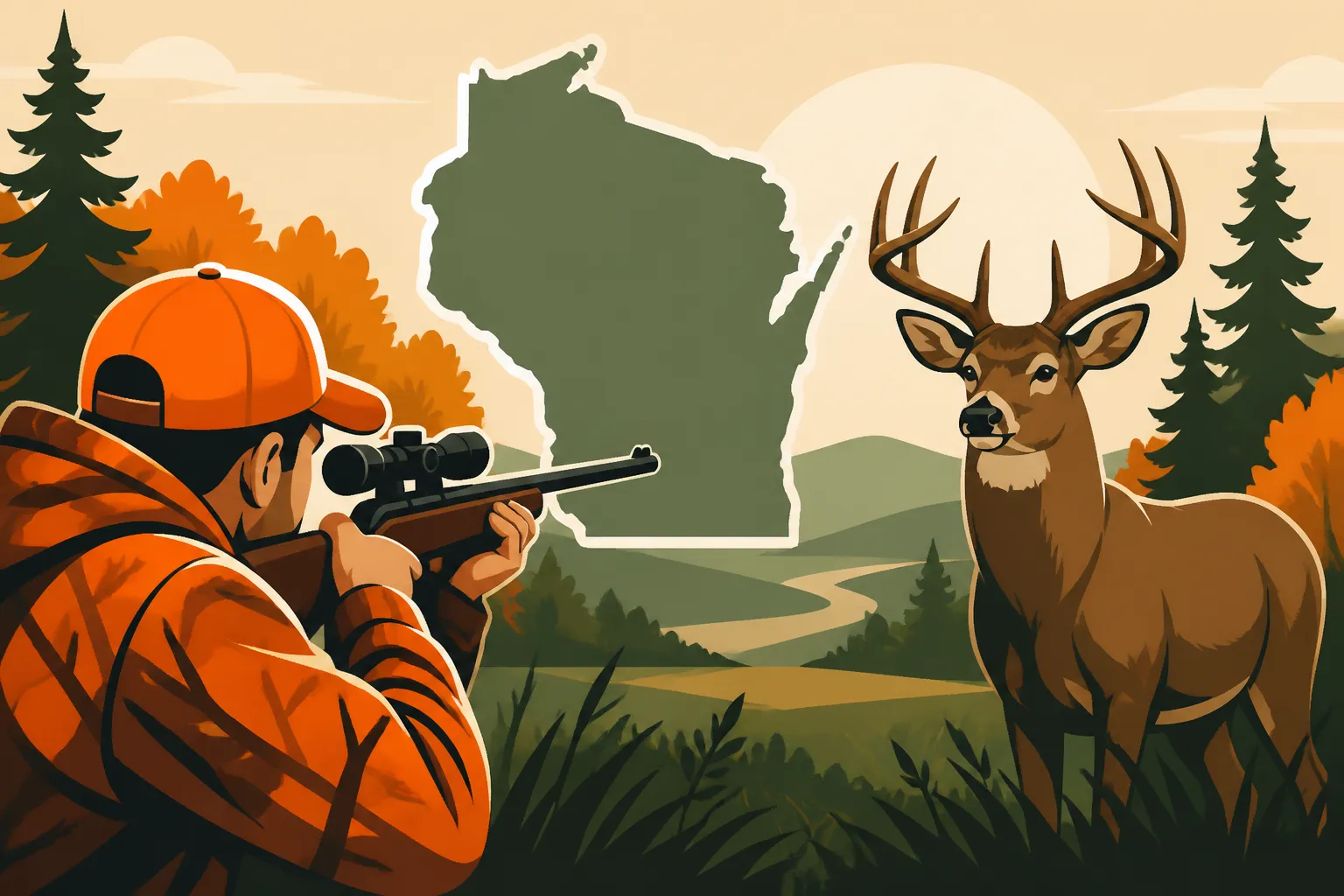
The Wisconsin nine-day gun deer season is more than just a hunt; it's a deeply ingrained tradition, a family reunion, and for many, the highlight of the entire year. But let's be honest, it can also be incredibly frustrating. The crowds, the unpredictable deer movement, and the often-brutal November weather can leave even the most seasoned hunter feeling defeated. This comprehensive guide is here to walk you through every aspect of this iconic season, offering practical advice, strategic insights, and a healthy dose of reality to help you navigate the challenges and maximize your chances of success.
Understanding the Nine-Day Gun Deer Season Structure
There’s a unique energy that fills the air in Wisconsin as November rolls around, a tangible buzz that hums through small towns and quiet rural roads. The nine-day gun deer season isn't just another hunting opportunity; it's a cultural phenomenon, a rite of passage, and for countless families, it's a sacred annual pilgrimage.
The Enduring Tradition and Its Importance
For generations, the gun deer season has been the cornerstone of Wisconsin's outdoor heritage. It's a time when cities empty out, schools grant "deer breaks," and families scattered across the country converge on cabins, farmhouses, and hunting camps. It's where stories are told and retold, where skills are passed down from grandparent to grandchild, and where bonds are forged over crackling campfires and shared meals. The collective excitement is palpable, a shared anticipation that builds for months.
Beyond the personal connections, this season injects a significant economic boost into the state, particularly in rural communities. Gas stations, diners, sporting goods stores, and small businesses all feel the positive impact of hunters stocking up on supplies, grabbing a hot meal, or celebrating a successful harvest. It’s a vital period for many local economies, demonstrating just how deeply integrated this hunt is into the fabric of Wisconsin life. The traditions surrounding it, from opening day breakfast to the communal processing of venison, are as important as the hunt itself, creating a shared identity that many Wisconsinites cherish. For a deeper dive into these customs, you might enjoy reading about Wisconsin Deer Camp Traditions.
Key Dates and Regulatory Framework
The excitement for the nine-day gun deer season really starts to build in late fall. This iconic season consistently kicks off on the Saturday before Thanksgiving, running for nine consecutive days. This consistent schedule allows families and friends to plan their annual trips with a degree of certainty, making it a fixed point on the calendar that most hunters eagerly anticipate. However, while the start date is predictable, the specific end date will shift slightly year to year. It's always a good idea to double-check the exact dates published by the Wisconsin Department of Natural Resources (DNR) annually, just to be absolutely sure you've got it right. You can find precise details on the official Wisconsin Gun Deer Season Dates.
To participate, you'll need the appropriate licenses, of course. A valid Wisconsin gun deer license is paramount. Residents and non-residents alike will need to ensure they've purchased their license well in advance through the Go Wild system. Don't wait until the last minute; technical glitches or unexpected queues can really throw a wrench in your plans. Beyond the general license, hunters will also need the proper harvest authorizations (tags) for the deer they intend to harvest. This usually includes a "buck tag" which is often part of your base license, and potentially antlerless tags specific to the county or Deer Management Unit (DMU) you're hunting in. These antlerless tags can vary greatly depending on local deer populations and management goals, so understanding the specific regulations for your chosen hunting area is critical. For a comprehensive overview of what you'll need to hit the woods legally, consult Wisconsin Hunting Licences and What They Cost. Always remember that staying informed about the current regulations is your responsibility as a hunter.
Pre-Season Preparation: Laying the Groundwork for Success
Success during the gun deer season isn't born in the nine days of the hunt itself; it's forged in the weeks and months leading up to it. The more thorough your pre-season preparation, the less you'll be scrambling when opening morning finally arrives, and the better your chances of filling that tag.
Intensive Scouting and Sign Interpretation
Scouting is your secret weapon. Seriously, I can't stress this enough. While many hunters rely on scouting during archery season, gun season presents a different set of challenges and opportunities. The leaves are down, the landscape looks different, and deer patterns may have shifted due to the pre-rut and early rut phases leading into November. What was a great archery spot might not be optimal for a rifle shot, or vice-versa. You're looking for fresh rubs, active scrape lines, and the most heavily used travel corridors. Pay close attention to pinch points, saddles, and funnels where deer movement is concentrated. These natural bottlenecks are prime locations for a stand during the gun season, especially with the increased hunter activity pushing deer into more predictable patterns.
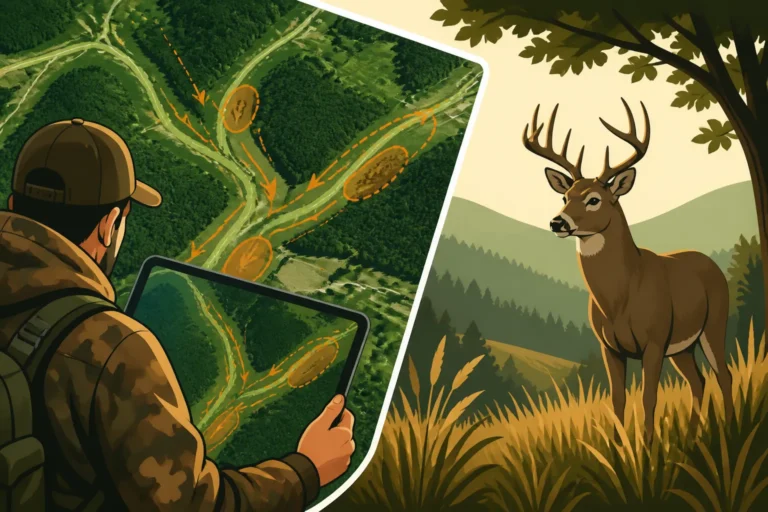
When you're out there, really read the woods. Are there fresh tracks indicating consistent deer use? Are the rubs shiny, revealing recent buck activity? Are the Scrape Lines Along a Logging Road freshly pawed and scented? Look for areas with dense thermal cover where deer will seek refuge when pressure increases. Cedar swamps, thick conifer stands, and impenetrable brush piles are not just bedding areas; they are sanctuaries where deer will hide out during daylight hours. Understanding where deer feel safe is paramount to intercepting them as they move between these areas and feeding zones. Modern tools can really help here; apps like GoHunt allow you to layer aerial imagery with public land boundaries and even topographical maps, making it easier to identify these key features from the comfort of your home, and then verify them on the ground. For more general advice on getting out there before the season, take a look at Scouting Wisconsin Public Land Before Season.
Gear Check and Firearm Familiarization
Imagine opening morning: you're finally settled in your stand, the air is crisp, and a magnificent buck steps into your shooting lane. You raise your rifle, only to find the scope is blurry, or worse, your safety is stuck. Don't let this nightmare become a reality! A thorough gear check is non-negotiable. Go through your hunting pack item by item. Are your binoculars clean? Is your rangefinder working? Do you have enough hand warmers? Beyond the small items, focus on your primary tool: your firearm.
Ensure your rifle, shotgun, or muzzleloader is clean, lubricated, and functioning flawlessly. This isn't just about performance; it's about safety. Take it to the range, not just to shoot a few rounds, but to re-zero it. Even if it was perfectly sighted in last year, bumps and jostles during storage or transport can throw it off. Practice shooting from various positions you might encounter in the field – sitting, kneeling, or even standing, if that's a realistic possibility from your chosen stand location. If you're switching ammunition types or bullet weights, absolutely re-zero your firearm. Knowing your gun's capabilities and your own limitations will give you the confidence you need when that shot opportunity finally presents itself. For more detailed information on specific firearms for Wisconsin's diverse terrain, check out Rifle Setups for Wisconsin Deer and Optics for Wisconsin Timber and Coulees. Make sure your blaze orange or blaze pink clothing is also clean and in good repair – visible, bright, and meeting the legal requirements for the season.
Tactical Approaches for Opening Weekend
Opening weekend of the Wisconsin gun deer season is a unique beast. The woods, normally quiet and peaceful, suddenly hum with human activity. Hunters are everywhere, and deer, well, they know it. Navigating this initial surge requires a clear strategy and a good dose of patience.
Navigating High Pressure and Hunter Density
The biggest challenge on opening weekend, especially on public land, is the sheer number of other hunters. It can feel like every square inch of accessible land has a hunter on it, and that's not far from the truth in some popular areas. This high pressure fundamentally alters deer behavior. Instead of their usual patterns, deer become wary, often moving only at dawn and dusk, or retreating into the thickest, nastiest cover they can find during daylight hours. This is where your pre-season scouting really pays off. If you've identified those hard-to-reach pockets of dense cover, or areas with difficult access that most hunters avoid, you'll have a significant advantage.
Don't be afraid to walk further, climb higher, or push deeper than others. Often, the best spots are just beyond where most hunters are willing to venture. Consider hunting during the middle of the day. While traditional wisdom dictates dawn and dusk, deer pressured off bedding areas might be moving discreetly at midday to new cover, or sneaking between small parcels. GoHunt maps can be invaluable here, helping you identify overlooked corridors or islands of public access that might provide a sanctuary for deer from the opening day crowds. To truly understand this dynamic and prepare for it, read Opening Weekend Crowds on Wisconsin Public Land and Finding Ground Others Walk Past. Embrace the solitude you might find by going just a little bit harder than the next guy.
Still-Hunting and Stand Hunting Strategies
When it comes to the gun season, most hunters fall into one of two camps: stand hunters or still-hunters. Both have their merits, and often, the most successful hunters employ a combination of both, adapting to the conditions and the deer's behavior.
Stand hunting involves picking a strategic location, setting up a treestand or ground blind, and patiently waiting for deer to come to you. This is particularly effective along known travel corridors, near food sources, or overlooking bedding areas. During opening weekend, when deer are pushed by other hunters, these travel routes can become highways. The key is to get into your stand long before daylight, minimize scent, and remain absolutely still and quiet. A good stand setup should offer clear shooting lanes while keeping you concealed. Remember to practice getting in and out of your stand quietly. For more in-depth advice on elevated hunting, check out Treestand Setups in Wisconsin Hardwoods.
Still-hunting, on the other hand, is a much more active approach. It involves moving incredibly slowly and deliberately through the woods, taking a few steps, stopping to scan, and listening intently. Think of yourself as a predator, flowing through the landscape. This method is excellent for covering ground, especially if you're exploring new areas or if deer movement is unpredictable due to pressure. It requires immense patience and keen observation skills. You're looking for flicking ears, a horizontal line in a vertical world, or the subtle twitch of a tail. Still-hunting is particularly effective in thick cover or areas with rolling terrain where deer might be bedded just out of sight. The wind is your absolute best friend when still-hunting; always move into it, or cross-wind, to keep your scent from preceding you.
Mid-Season Adjustments: Adapting to Changing Deer Behavior
The initial chaos of opening weekend quickly gives way to a new normal. Deer have been bumped, pressured, and they've learned lessons. As a hunter, your ability to adapt to these changes is what will set you apart.
Understanding Deer Movement After Opening Day
After the initial barrage of gunfire and human presence, deer patterns undergo a significant shift. The once-regular movement between feeding and bedding areas becomes far more secretive, often confined to the deepest cover and the darkest hours. You might find that deer have "gone nocturnal," only moving under the cover of darkness. This doesn't mean they're impossible to hunt during the day, but it does mean you need to change your approach. They'll also often revert to escape cover they know intimately – those thick cedar swamps, clearcuts with heavy regeneration, or isolated pockets of heavy brush that most hunters avoid.
Understanding this post-opening day pressure is crucial. Deer will utilize routes they deem safest, even if they're not the most direct. They'll often parallel roads or trails just inside the timber, using every bit of cover available. This is also when bucks, especially mature ones, become incredibly reclusive. They'll hunker down and move only when absolutely necessary, often trying to slip through the woods unnoticed. Looking at Hunting the Second Week of Gun Season can provide more context, but the bottom line is that the deer you're pursuing are now on high alert. You're no longer just hunting deer; you're hunting educated deer. Knowing Where Deer Go on Opening Weekend will help you predict where they might be hiding later on. Using tools like GoHunt to scout historical deer movement data or recent harvest locations can sometimes give you a leg up on understanding localized patterns after initial pressure.
Group Hunting and Deer Drive Considerations
When deer activity slows down and they're locked into dense cover, group hunting and deer drives can be incredibly effective strategies, especially on larger tracts of public land or private properties with enough hunters. This is a tactic that requires careful planning, excellent communication, and a strong emphasis on safety. The basic premise is simple: a group of "drivers" walks through a section of cover, pushing deer towards "standers" who are strategically positioned at escape routes or natural funnels.
The planning stage is paramount. Before ever stepping foot in the woods, everyone needs to know their role, their boundaries, and their shooting lanes. Communication is key, often utilizing two-way radios to coordinate movements and ensure safety. Standers must be placed in locations that offer clear, safe shots, away from other hunters or structures. Drivers need to move at a controlled pace, making enough noise to encourage deer movement without stampeding them past the standers too quickly. Safety is always the top priority; knowing what's beyond your target and having a clear understanding of where other hunters are is non-negotiable. For a thorough guide on conducting these operations, refer to Deer Drives on Wisconsin Public Land or Deer Drives With Three or Four Hunters. It’s a rewarding way to hunt, combining camaraderie with a proven method for getting deer moving when they’d rather be hiding.
Late Season Opportunities and Perseverance
As the nine-day gun season draws to a close, a new set of challenges and opportunities emerges. The woods are quieter, the weather often colder, and deer are focused on survival. Hunters who can endure these conditions and adjust their tactics often find success.
Focusing on Remaining Food Sources and Thermal Cover
By the late stages of the gun season, natural food sources like acorns might be largely depleted, especially if it's been a tough year or deer numbers are high. Deer shift their focus to whatever readily available calories they can find, which often means agricultural fields, leftover crop stubble, or browse in areas with less pressure. Think about standing corn, unpicked soybeans, or even winter wheat if it’s started to sprout. These become magnets for deer, drawing them out of dense cover, typically in the late afternoon.
Concurrently, thermal cover becomes even more critical for deer as temperatures drop. Thick conifer stands, especially cedar swamps or dense pines, offer crucial protection from harsh winds and heavy snow. Deer will bed in these areas, often on south-facing slopes that catch what little sunlight is available. Your late-season strategy should revolve around identifying these key food sources and the densest thermal cover, and then finding the travel routes that connect them. This is where you might find a mature buck moving in daylight, as his need for calories and warmth overrides some of his caution. Looking at Late-Season Food Sources for Whitetails can give you specific ideas on what to key in on during these colder days. Still-Hunting Wisconsin Cedar Swamps is also a technique that excels in these conditions. When using GoHunt maps for late season, focus on identifying areas with dark green canopy (conifers) and overlaying that with any known agricultural fields.
Tackling Challenging Weather Conditions
Wisconsin in late November can dish out some truly brutal weather, and you need to be prepared for anything Mother Nature throws at you. Snow, freezing rain, sleet, and bitterly cold temperatures are all fair game. While uncomfortable for us, these conditions can actually work in your favor by getting deer on their feet to feed and move to better thermal cover. They also often reduce hunter numbers, leaving more ground to you.
The key to hunting in challenging weather is proper layering. Start with a good base layer that wicks moisture away from your skin, followed by insulating layers like fleece or wool, and an outer layer that is waterproof and windproof. Don't forget insulated boots, warm hat, gloves, and a neck gaiter. Hand warmers and toe warmers can be a lifesaver on long sits. When heavy snow falls, tracking becomes a distinct possibility, turning you into a more active hunter. Fresh snow can also muffle your footsteps, aiding in still-hunting. However, be mindful of visibility in heavy snow or fog, and always prioritize safety. For advice on staying comfortable and effective in the cold, refer to Cold Weather Sitting Strategy and Hunting Deer in Deep Northern Wisconsin Snow. Don't underestimate the mental toughness required; staying focused and positive despite the cold is often the biggest hurdle.
Ethical Considerations and Post-Harvest Responsibilities
Hunting isn't just about the pursuit; it's also about responsibility and respect – for the animal, for the land, and for the hunting tradition itself. What happens after the shot is just as important as the shot itself.
Shot Placement and Tracking Wounded Deer
An ethical hunter always strives for a clean, humane kill. This means taking responsible shots within your effective range and only when you have a clear, unobstructed view of the animal. Aim for the vital organs – the heart and lungs – which offer the largest kill zone and the highest probability of a swift, ethical harvest. Avoid "hail Mary" shots or shots at a running animal unless you are absolutely confident in your ability and the situation demands it (like a deer already mortally wounded by another hunter).
Even with the best shot, deer can sometimes travel a significant distance. If there's any doubt about the shot, wait. Give the animal time. For a gut shot, waiting several hours, or even overnight if conditions allow, is often the best course of action. When you begin tracking, look for blood, hair, bone fragments, and disturbed ground. Mark the last spot you found sign, and proceed slowly, scanning ahead. Take photos of blood sign to help determine the type of hit. Losing a wounded animal is one of the most disheartening experiences in hunting, and every effort must be made to recover it. For practical advice, see Tracking a Deer in Wisconsin Snow and if night falls before you find your deer, consider Blood Trailing After Dark in Wisconsin. Always know the local laws regarding retrieving game from private property if your deer crosses a boundary.
Proper Deer Registration and Carcass Handling
Once you've successfully harvested a deer, your responsibilities continue. In Wisconsin, all harvested deer must be registered. This is done through the Wisconsin DNR's Go Wild system, either online or via phone. You'll need your customer ID and the deer harvest authorization number. The process is straightforward, but it's crucial to complete it before the deadline, typically by 5:00 PM the day after the harvest. This registration data is vital for wildlife biologists to monitor deer populations, track harvest trends, and make informed management decisions for future seasons. Registering a Wisconsin Deer Online will guide you through the digital process.
Beyond registration, proper carcass handling is essential for preserving the quality of your venison and minimizing disease transmission. Field dressing immediately after the kill helps cool the carcass and prevents spoilage, especially if temperatures are mild. In colder November weather, cooling happens naturally, but you still want to get the guts out promptly. If you're in a Chronic Wasting Disease (CWD) affected county, or if you're traveling from one, be aware of carcass movement restrictions and the importance of CWD sampling. Wisconsin offers numerous voluntary CWD sampling stations and kiosks where you can submit a deer head for testing. This helps the DNR track the spread and prevalence of the disease. Knowing Wisconsin CWD Sampling and Test Sites is crucial for helping manage this threat to our deer herd. For tips on processing your animal in the field, read Field Dressing a Deer in Cold Weather.
Regional Strategies Across Wisconsin's Diverse Landscapes
Wisconsin is a state of incredible topographical diversity, and what works in the sprawling Northern Forest might be completely ineffective in the rolling hills of the Driftless Area. Understanding these regional nuances is key to success.
Northern Forest Tactics
The vast Northern Forest of Wisconsin is a hunter's paradise, characterized by dense timber, numerous lakes and rivers, and sprawling public lands like the Chequamegon-Nicolet National Forest and extensive County Forests. Here, deer densities are often lower than in agricultural areas, and deer typically have much larger home ranges. Hunting the Northwoods requires a different mindset: it’s about covering ground, understanding vastness, and finding those secluded pockets where deer concentrate. Logging roads, old clearcuts, and aspen regeneration areas are prime spots. Deer will often relate to the edges of these clearcuts, especially where they transition into thicker cover.
Still-hunting is often very effective in the Northern Forest, allowing you to quietly cover miles of timber. Focus on natural funnels, creek bottoms, and subtle elevation changes that might guide deer movement. Look for islands of high ground in swamps or thick conifer stands where bucks might bed to escape pressure. The biggest challenge is simply the scale of the landscape; it's easy to get turned around, so reliable navigation tools like GoHunt with offline maps are indispensable. Don't be afraid to hunt further off the beaten path; the further you walk from a logging road, the less pressure you'll likely encounter. For more insight into these challenging but rewarding hunting grounds, read Hunting the Wisconsin Northern Forest for Deer and delve into Where Northern Forest Bucks Bed.
Driftless Area Challenges and Rewards
The Driftless Area, a region in southwestern Wisconsin untouched by glaciers, presents a dramatically different hunting landscape. Here, you'll find steep coulees, sharp ridge tops, and a patchwork of small woodlots interspersed with fertile agricultural fields. Deer densities are generally higher here, and the terrain naturally funnels deer movement. However, much of this land is private, making access a significant consideration.
Hunting the Driftless often involves glassing open fields from a high vantage point at dawn and dusk, trying to intercept deer moving between bedding cover in the coulees and feeding areas in the fields. Identifying key saddles and draws that connect ridge tops and coulee bottoms is crucial, as these are natural travel corridors. The swirling winds and thermals in this hilly terrain can be a huge challenge, often requiring careful stand placement and constant vigilance. Patience is paramount, as deer can seemingly appear and disappear into the intricate folds of the landscape. For an in-depth look at hunting this unique region, Driftless Area Deer Hunting in Wisconsin and Hunting Wisconsin Coulees and Ridge Tops are excellent resources.
Farmland Zone Specifics
The farmland zones of Wisconsin, primarily in the central and southern parts of the state, offer a mix of woodlots, creek bottoms, and vast agricultural fields. Deer here are often larger due to abundant food sources but are also highly pressured and exceptionally wary. Access to private land is often key, so knocking on doors and building relationships with landowners can open up incredible opportunities.
Hunting strategies in farmland areas often revolve around understanding how deer use the available cover. Woodlots, even small ones, can be sanctuaries, especially if they offer thick bedding. Deer will often stage in these woodlots before entering open fields to feed after dark. Look for subtle travel corridors along fence lines, ditch banks, or narrow strips of timber that connect these bedding and feeding areas. Standing cornfields are also deer magnets, offering both food and cover, and can be incredibly challenging but rewarding to hunt. Ground blinds can be highly effective on field edges, offering concealment for still-hunting or sitting. For more specific advice on this type of hunting, read Hunting Wisconsin Farmland Deer and Hunting a Standing Cornfield in Farm Country.
| Strategy | Description | Pros | Cons | Best Conditions |
|---|---|---|---|---|
| Stand Hunting | Positioned in a treestand or ground blind, waiting for deer movement. | Patient, low impact, effective for predictable deer movement. | Can be cold, requires long periods of stillness, dependent on deer movement within range. | Known travel corridors, food plots, pinch points, cold weather. |
| Still-Hunting | Moving slowly and deliberately through cover, stopping frequently to glass and listen. | Active, allows for covering more ground, good for locating pressured deer. | Requires immense patience and discipline, easy to spook deer, physically demanding. | Thick cover, lightly pressured areas, after a fresh snow, light wind. |
| Deer Drives | Group of hunters (drivers) push deer towards strategically placed hunters (standers). | Highly effective for moving deer out of dense cover, good for camaraderie. | Requires multiple hunters, extensive planning, high safety risk if not executed properly. | Mid-season slump, large tracts of thick cover, public land with high pressure. |
| Glassing | Using binoculars from a high vantage point to spot deer at a distance, particularly in open terrain. | Excellent for covering large areas, low impact, effective for scouting movement patterns. | Dependent on terrain, limited during dense cover, often requires long-range shooting capabilities. | Driftless Area coulees, large ag fields, power lines, early morning/late evening. |
Disclaimer
Hunting is an inherently dangerous activity. This guide provides general information and recommendations but cannot cover every variable or ensure safety. Always prioritize safety, adhere to all local, state, and federal hunting regulations, and be aware of your surroundings. The information provided is for educational purposes and should not replace proper hunter education, professional instruction, or consultation with local authorities. Always obtain appropriate licenses and permissions.