Opening Weekend Crowds on Wisconsin Public Land
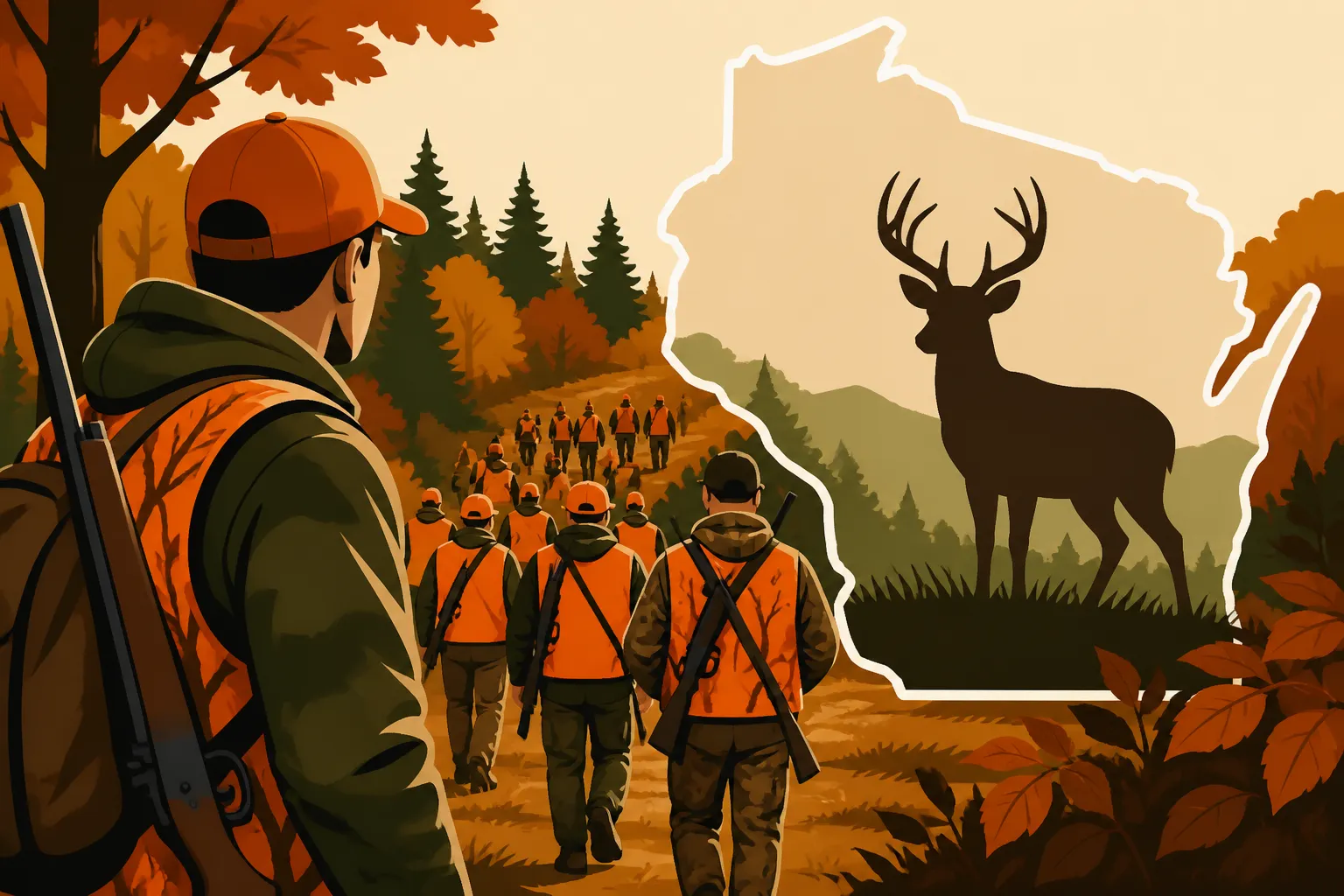
Opening weekend of deer season on Wisconsin public land can often feel less like a peaceful escape into nature and more like a crowded reunion with half the state's hunting population. The sheer number of hunters converging on accessible spots can lead to a frustrating experience, bumping deer, disturbing well-planned setups, and leaving many feeling like they're just part of the herd. This guide is dedicated to helping you understand why these crowds exist and, more importantly, how you can employ smart strategies, leverage technology, and shift your approach to find that coveted seclusion and enjoy a more successful, less stressful opening weekend.
The Irresistible Draw: Why Opening Weekend on Wisconsin Public Land is a Magnet
It’s no secret that Wisconsin’s deer season, especially the gun deer opener, is a cultural phenomenon. It’s ingrained in our heritage, a time when families gather, traditions are upheld, and the collective hope for venison fills the crisp November air. But what exactly transforms our vast public lands into bustling hubs on that particular weekend?
For starters, many hunters are constrained by work schedules and family commitments, making the opening weekend their prime, or sometimes only, opportunity to be in the woods. It’s seen as the "best chance" for many, especially those who believe the woods are teeming with deer just waiting to be harvested. There’s a psychological pull to be part of that collective excitement, to share stories at deer camp, and to not miss out on what feels like the biggest event of the year. This concentrated effort means that every easily accessible patch of public land, every well-known woodlot near a main road, and every state forest with obvious parking becomes a hot commodity. Hunters also often adhere to familiar patterns, returning to the same spots year after year, which can exacerbate crowding in certain areas. It's a cyclical effect where established tradition meets limited opportunity, funneling countless hopefuls into the same limited spaces.
Strategic Avoidance: Tactics to Outsmart the Opening Day Rush
Facing a sea of blaze orange can be disheartening, but it doesn’t mean your opening weekend is doomed. The key is to think differently, to embrace a bit more effort, and to look for the opportunities that others overlook. There are concrete steps you can take to put yourself in a better position, even when the woods seem alive with human activity.
Walk Further, Hike Deeper
This is probably the oldest trick in the book, and for good reason: it works. Most hunters are creatures of habit and convenience. They’ll park, walk a quarter to half-mile, and then set up shop. The moment you decide to push past that initial wave, deeper into the public land, your chances of finding undisturbed deer and fewer hunters skyrocket. This might mean adding an extra mile or two to your hike in, but the solitude and potential reward are often well worth the effort.
Consider public land parcels that require crossing a stream, navigating a particularly nasty swamp, or climbing a steep ridge. These natural barriers often act as effective filters, weeding out those less inclined to put in the physical exertion. When planning your route, use mapping tools to identify these less-traveled corridors. Think about how deer use these areas too – they're often seeking refuge in dense cover or remote pockets where human disturbance is minimal. The deer know where the pressure is, and they will gravitate towards areas that offer them sanctuary. How Far to Walk From a Logging Road is a great resource for understanding this dynamic.
Hunt the Unconventional Spots
While everyone else is heading for the "perfect" hardwood ridge or the classic pinch point, consider areas that might not immediately scream "deer hunting hotspot." This could include small, overlooked patches of timber surrounded by agricultural fields, thick cedar swamps that are a nightmare to navigate, or dense, thorny brush thickets that most hunters avoid. These are often places where deer will retreat to escape heavy pressure, especially after the initial shots ring out on opening morning.
Waterfowl hunting areas, after the duck and goose seasons have quieted down, can sometimes offer hidden gems for deer, particularly along their fringes where uplands meet wetlands. Similarly, dense conifer stands, especially those with some age to them, provide excellent thermal cover and visual security that deer crave when pressured. While not always the most comfortable hunting, these spots often hold mature deer that have learned to avoid the easily accessible areas. You might even discover that deer drives are pushing animals into these thickets, making them opportune ambush points for a still hunter.
Timing is Everything: Midday Movements and Late Season Pressure
Most hunters are out at first light and then again for the evening sit. The middle of the day, between 10 AM and 2 PM, often sees a significant lull in hunter activity. Many head back to camp for lunch, warm up, or simply take a break. This can be a prime window for deer movement, especially for mature bucks pushed out of their morning bedding areas by early pressure. Instead of joining the exodus, consider sticking it out. Pack a hearty lunch, extra layers, and be prepared to stay on stand or still-hunt slowly through dense cover during these quieter hours.
Another timing strategy involves looking beyond the opening weekend altogether. While the initial rush is intense, pressure typically wanes significantly by the second half of the gun season, and especially during the Late Antlerless Hunting in Wisconsin or muzzleloader hunts. If you have the flexibility, planning your hunt for later in the season can offer a much more serene experience with potentially higher success rates on less pressured deer.
| Strategy | Description | Typical Hunter Effort | Crowd Avoidance Potential |
|---|---|---|---|
| Walk Further | Hike significantly beyond easily accessible areas and parking lots. | High | High |
| Hunt Unconventional | Target dense thickets, swamps, small overlooked timber, non-traditional cover. | Medium-High | High |
| Midday Hunt | Stay in the woods from late morning through early afternoon. | Medium | Medium-High |
| Scout Aggressively | Use maps and boots-on-the-ground scouting to find hidden gems. | High | High |
| Utilize Public Land | Explore different types of public land for varied pressure. | Medium | Medium |
Mapping Your Escape: Using Technology and Terrain to Find Seclusion
In today's hunting world, technology isn't just a luxury; it's a vital tool for outsmarting crowds. Mapping apps, in particular, can be your secret weapon to uncovering those hidden pockets of public land that other hunters overlook.
Digital Scouting with Mapping Applications
Applications like onX Hunt have revolutionized how we approach public land hunting. Before you even set foot in the woods, you can digitally scout vast areas from the comfort of your home. You can identify public land boundaries, analyze topography, locate dense cover, and pinpoint potential bedding areas or travel corridors that are far from roads and easy access points. Look for natural funnels, secluded ridges, or drainages that lead away from main trails. These are the arteries deer use to escape pressure. The ability to switch between satellite imagery, topo maps, and even 3D views allows you to understand the lay of the land in incredible detail. You can drop pins on potential stand sites, mark possible entry and exit routes, and even record deer sign found during pre-season scouting.
Beyond just identifying public land, pay close attention to parcels that might be landlocked or have limited access points. Sometimes, a tiny strip of public land is only accessible by crossing another public parcel or by navigating through particularly rough terrain. These are the goldmines on opening weekend. Don’t be afraid to zoom in and spend hours studying these maps. The more you know about the terrain and access points, the more confidently you can plan your strategy to avoid the masses. The Using the Wisconsin Hunt Wild App post offers more insights into leveraging these digital tools. Similarly, services like GoHunt offer detailed mapping features that can highlight subtle terrain features that might lead to overlooked bedding areas or escape routes.
Understanding Topography and Deer Movement Under Pressure
Deer, especially mature animals, become incredibly adept at avoiding human pressure. They understand safety in depth and cover. When the guns start booming on opening morning, deer will often seek refuge in the nastiest, thickest, most uninviting cover they can find. This often means steep-sided coulees in the Driftless Area Deer Hunting in Wisconsin, dense cedar swamps in the Northwoods, or thick stands of young pines in clearcuts.
Your mapping app can help you identify these areas. Look for abrupt changes in elevation, tight draws, or areas with thick timber indicated by darker green on satellite imagery. Pay attention to how these areas connect to food sources or more open timber. Deer won't stay locked down forever; they'll eventually move, often under the cover of these dense security areas, or along the edges of them. Scouting these areas specifically for sign (tracks, rubs, droppings) before the season can give you a massive advantage. If you find heavy sign deep in a thicket far from any road, you’ve likely found a spot where deer feel safe and will head when pressure increases. The ability to analyze wind and thermals, especially in complex terrain like coulees, can be crucial for success in these pressured environments.
Beyond the Buzz: Finding Success Outside the Peak Pressure Cooker
Sometimes, the best strategy for dealing with opening weekend crowds is to simply shift your focus or adjust your expectations. While the gun opener holds a special place, Wisconsin offers a wealth of other hunting opportunities that see significantly less pressure, often leading to more enjoyable and potentially more successful outings.
Embracing Other Seasons and Methods
If the thought of wall-to-wall hunters fills you with dread, consider dedicating your prime hunting time to other seasons. Wisconsin's Bowhunting Wisconsin's Long Archery Season runs for many weeks, offering numerous opportunities for quiet, unpressured hunts. Early archery season, before the leaves drop and before the gun season frenzy, can be incredibly productive. Similarly, the late archery season, post-gun season, sees very few hunters, and deer are often returning to more predictable patterns as pressure subsides. Muzzleloader Deer Hunting in Wisconsin also presents a fantastic opportunity in December, after the gun season. The weather is often colder, which deters many, but deer are focused on food, making them easier to pattern for those willing to brave the elements.
Hunting smaller game species can also be a wonderful way to experience the outdoors with less competition. Grouse and Woodcock Hunting in Wisconsin is a vibrant tradition that takes place in entirely different coverts, far from the typical deer hunter's haunts. Even Squirrel Hunting Wisconsin Hardwoods in the early fall or Rabbit and Hare Hunting in Wisconsin during the snowy months offer enjoyable experiences without the crushing pressure of the deer opener. These seasons allow you to hone your tracking skills, understand animal behavior, and simply enjoy being afield in a more peaceful setting.
The Value of Small Private Tracts and Permission Hunting
While this guide focuses on public land, it's worth noting that the ultimate way to avoid crowds is often to secure private land access. Many small private woodlots, even just 20-40 acres, can hold significant numbers of deer, especially if they offer thick cover or proximity to good food sources. These smaller parcels often go unnoticed by hunters focused on large public tracts.
Don't underestimate the power of simply knocking on doors. Many landowners, especially farmers, are open to allowing respectful hunters access, particularly if deer are causing crop damage. Offering to help with chores, sharing some of your harvest, or simply being polite and responsible can open up opportunities that are completely free of public land pressure. Always ensure you understand What Wisconsin Trespass Law Requires and obtain explicit permission. Even if you only gain access to a small patch, it might be the sanctuary deer are using when the public lands surrounding it are bustling.
Ultimately, navigating opening weekend crowds on Wisconsin public land is about adapting. It’s about being willing to work harder, think smarter, and perhaps, look beyond the traditional. By understanding the forces that draw hunters, employing strategic avoidance tactics, leveraging modern technology, and considering alternative approaches, you can transform a potentially frustrating experience into a rewarding one. The woods are out there, and with a bit of planning, you can find your peaceful corner, even when everyone else is trying to find theirs.
Disclaimer
This article is for general informational purposes only and does not constitute professional advice. Laws, prices and regulations vary by location and change over time. Consult a qualified professional for guidance on your specific situation.