Scrape Lines Along a Logging Road
It’s a common frustration, isn't it? You spend hours walking through thick timber, climbing ridges, and busting through brush, searching for those elusive signs of a mature buck, only to feel like you're missing something obvious. Many hunters overlook one of the most consistent and often productive locations for deer activity: logging roads. These quiet, often overgrown paths can be absolute goldmines for scrape lines, and understanding how to identify and hunt them effectively can drastically improve your chances of encountering a Wisconsin whitetail. This guide will walk you through everything you need to know about finding and hunting scrape lines along logging roads in our great state.
Why Logging Roads Are Scrape Magnets for Wisconsin Whitetails
Logging roads, whether they’re actively used or long-abandoned, aren’t just convenient paths for humans. For deer, especially mature bucks, they represent predictable, efficient travel corridors that offer a blend of cover, open views, and strategic advantages. This unique combination makes them prime real estate for scrape lines, particularly as the rut approaches.
Natural Travel Corridors for Bucks
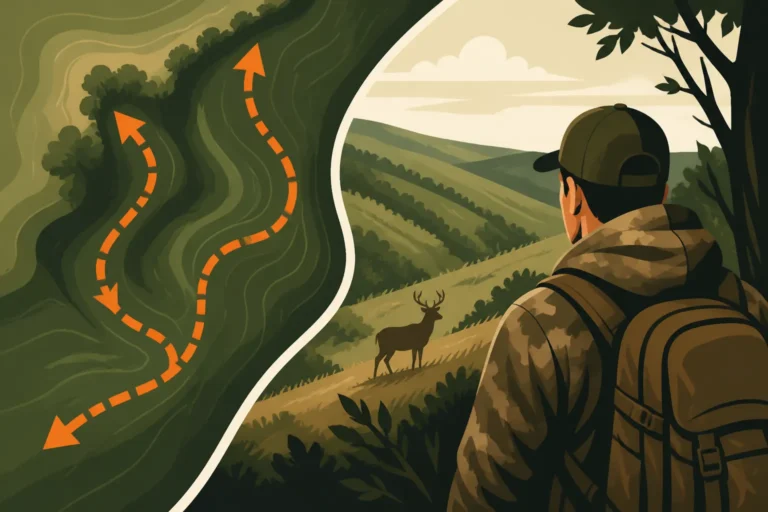
Think about it from a buck's perspective. Bounding through dense underbrush all day takes energy, especially when he's on the prowl for does. A logging road offers a relatively clear, easy path through the forest, connecting bedding areas to food sources, water, and other prime deer habitat. These roads often run along contours, through saddles, or connect larger clearings, essentially acting as a deer highway system. Bucks will use these routes to cruise, scent check for does, and patrol their territory with minimal effort.
Unlike heavily used hiking trails, logging roads often see less human disturbance, making them feel safer for deer. Even if they're used by the occasional ATV or logger, the deer quickly learn these patterns and adapt. The edges of these roads also create a natural funnel effect, concentrating deer movement into a more predictable corridor. Imagine a mature buck scent-checking every hundred yards, leaving his calling card as he quietly works his way through the timber. That easy travel makes it more likely he’ll pause to paw out a scrape or work an overhanging branch. This is especially true in areas like the Chequamegon-Nicolet National Forest, where old logging paths crisscross vast expanses of timber, offering hidden arteries for deer movement away from main roads.
Scent Communication Hubs
Scrapes are essentially a buck's billboard, a potent advertisement of his presence and readiness to breed. Logging roads, with their open canopy and well-defined edges, provide ideal locations for these communication hubs. An overhanging branch, often referred to as a "licking branch," becomes the focal point. Bucks rub their preorbital glands on these branches, leaving their unique scent, and then urinate over their tarsal glands into the pawed earth below. This creates a powerful cocktail of scents that other deer, both bucks and does, can detect and respond to.
The relatively open nature of a logging road means that these scent markers are more easily found and accessed by other deer. A doe passing through might pause to scent-check the branch, leaving her own scent. A younger buck might investigate, getting a sense of the dominant buck in the area. This constant exchange of information turns a simple logging road into a dynamic social media platform for deer. Understanding that these aren't just random acts, but purposeful communication, helps you appreciate the potential of a well-placed scrape line. When you're Rattling and Grunting in Wisconsin, you're mimicking some of this communication to attract bucks to these very spots.
Identifying Active Scrape Lines Along Logging Roads
Finding a scrape isn't always enough; you need to know if it's currently active and worth hunting. A fresh scrape is a sign of a buck's recent presence and commitment to that specific location. Learning to differentiate between old, abandoned scrapes and hot, active ones is crucial for effective hunting.
Reading the Ground and Overhanging Branches
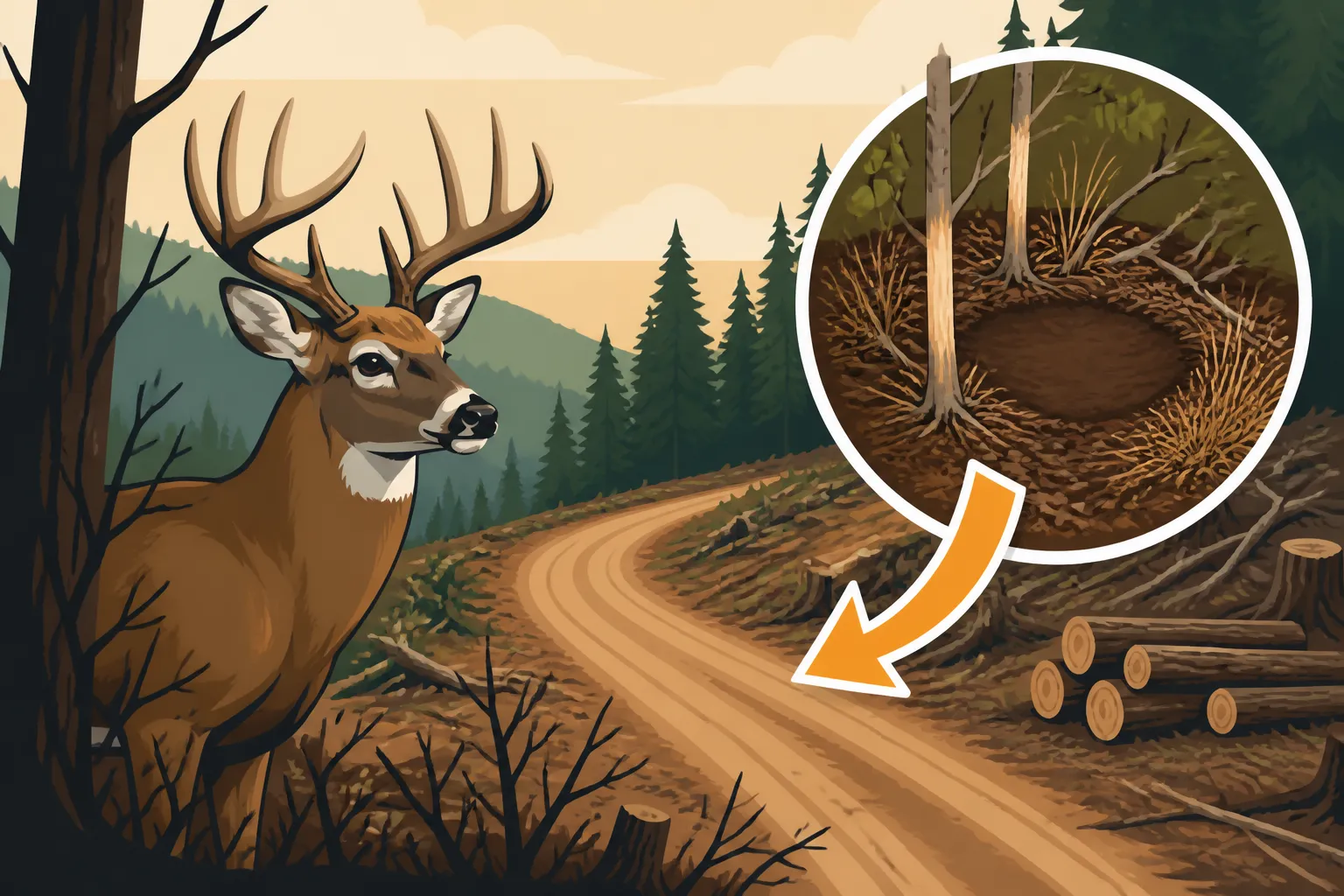
The most obvious sign of a scrape is the bare, pawed earth. A truly active scrape will have fresh, moist soil exposed, often with clear hoof prints from the buck that created it. You might even see a faint depression where he urinated. Look for a circular or oval patch, usually 18 inches to 3 feet in diameter, where all leaves and debris have been scraped away. The edges will be crisp, not faded or overgrown.
Equally important, or perhaps even more so, is the licking branch directly above the scrape. This branch should be low enough for a deer to reach, typically 3 to 6 feet off the ground, and will show signs of abuse. Look for broken twigs, frayed bark, and dark, moist spots where a buck has repeatedly licked and rubbed his preorbital glands. Sometimes, you'll even see a distinct "hairline" where the bark has been worn away. If the licking branch looks untouched, or if spiderwebs cover the scrape, it's likely an old, inactive sign. A good way to scout for these is to use resources like the Scouting With the Wisconsin Hunt Wild App or map layers in programs like GoHunt that show old logging roads. This allows you to identify potential travel corridors before you even step foot in the woods.
Patterning Scrape Activity
Once you've identified a scrape, the next step is to determine if it's a regular stop for a buck. This is where trail cameras become invaluable tools. Place a camera overlooking the scrape, making sure to position it to avoid spooking deer and to capture clear images of any activity. Monitor the camera regularly (but sparingly, to avoid contaminating the area with your scent). What you're looking for is consistent visits, especially during daylight hours.
Bucks tend to freshen scrapes most often during the pre-rut and peak rut phases, but they might visit them year-round. Pay attention to the timing of visits. If a buck is regularly hitting a scrape in the morning or late afternoon, it indicates a prime ambush opportunity. If all activity is strictly at night, it might mean the buck is nocturnal in that area or feeling pressured. You can often learn a lot about a buck's routine, including his travel direction and the time of day he prefers, by monitoring these communication hubs. This information is critical when planning your hunt, especially during the crucial weeks of Hunting the Pre-Rut in Late October and Hunting the Peak Rut Week in Wisconsin.
Hunting Strategies for Logging Road Scrapes
Now that you know how to find and identify active scrape lines on logging roads, it’s time to talk about turning that knowledge into a successful hunt. These spots offer unique challenges and opportunities that require careful planning and execution.
Stand Placement and Wind Considerations
Hunting a scrape line along a logging road requires strategic stand placement. Since bucks often cruise these roads, you want to be positioned for a shot at a traveling deer, but also close enough to the scrape itself. Consider hanging a treestand or setting up a ground blind slightly off the road, perhaps 15-25 yards into the timber, downwind of the scrape. This allows your scent to blow away from the approaching deer and gives you a good angle without being directly on top of the scrape. For a deeper dive into elevated setups, check out Treestand Setups in Wisconsin Hardwoods.
Always, always play the wind. A buck will almost invariably approach a scrape from downwind, circling to catch any incoming scent. If your scent cone blows over the scrape, you’re busted before he even gets there. Study the prevailing winds, as well as thermals if you're hunting in hilly terrain like the Driftless Area. For example, in the morning, thermals often drop down, making an elevated stand on a ridge point above a logging road ideal. In the afternoon, thermals rise, so being lower might be better. Using a quality app like GoHunt to mark wind direction and your stand locations can save you a lot of grief. For those hunting from the ground, Using a Ground Blind on Wisconsin Public Land can be a great option, allowing for more concealment and quicker setup in key locations.
Here's a quick comparison of active vs. inactive scrapes:
| Feature | Active Scrape | Inactive Scrape |
|---|---|---|
| Pawed Earth | Fresh, moist, visible soil, clear hoof prints | Dry, overgrown with leaves/grass, faded prints |
| Licking Branch | Broken twigs, frayed bark, wet/dark spots | Intact, no visible damage, might have spiderwebs |
| Scent | Strong musky odor, fresh urine often present | No discernable odor, or only faint, old scent |
| Camera Activity | Consistent visits, especially daylight | Infrequent or no visits, mostly nocturnal |
| Season | Primarily pre-rut to peak rut | Can be found year-round, but no fresh activity |
Calling and Scent Tactics
Once you're set up, you can enhance your chances by incorporating calling and scent tactics. Grunt calls can be very effective near a scrape line. A deep, drawn-out grunt can simulate a buck working the scrape, often bringing in curious deer. Don't be afraid to experiment with different calls, from subtle grunts to more aggressive snort-wheezes, especially when you think a mature buck is nearby. Remember that Grunt Calls in Mature Timber need to be realistic and not overdone.
When it comes to scent, a little goes a long way. You can use doe-in-estrus urine directly in the scrape or on the licking branch to mimic a doe checking the site. Using a dominant buck urine can also challenge a territorial buck to investigate. Just be mindful of how you apply it – avoid direct skin contact and use gloves to prevent transferring human scent. Some hunters prefer to use a cover scent like pine or cedar to mask their presence. Whatever you choose, deploy it subtly. The goal is to enhance the existing communication, not overwhelm it.
The Importance of Low Impact
Hunting logging road scrapes, especially on public land, requires a disciplined, low-impact approach. These areas, while productive, can also be prone to human pressure. Every time you walk in and out, you’re leaving scent and making noise. Try to limit your visits to the scrape line. Check trail cameras only every few days, and always approach your stand from a direction that minimizes disturbance to the core bedding or travel areas. Use a scent-control regimen, from scent-eliminating sprays to clean hunting clothes, to reduce your footprint.
Furthermore, understand that intense pressure can quickly turn a daylight-active scrape into a nocturnal one. If you see consistent daytime activity, try to capitalize on it quickly. If the activity shifts to night, it might be time to back off and let the area cool down, or scout for alternative locations. For more insights on this, refer to Hunting Pressure on Wisconsin Public Land. The goal is to integrate seamlessly into the deer's world, not disrupt it. Patience and a light touch are your best allies when hunting these nuanced locations.
Disclaimer
Hunting is an inherently risky activity. Always prioritize safety, understand and follow all Wisconsin Department of Natural Resources regulations, and ensure you have the proper licenses and landowner permissions before heading afield. The information provided here is for educational purposes and should not replace professional guidance or personal due diligence.