Wisconsin Deer Camps and Clubs
For many hunters in Wisconsin, the dream extends beyond just a successful harvest; it often includes the camaraderie and shared experience of a deer camp or joining a hunting club. However, the path to finding or creating such a community can seem daunting, filled with questions about logistics, costs, and group dynamics. This comprehensive guide will explore the ins and outs of Wisconsin deer camps and clubs, helping you understand their appeal, how they operate, and what it takes to be a part of these cherished traditions.
The Enduring Tradition of Wisconsin Deer Camps
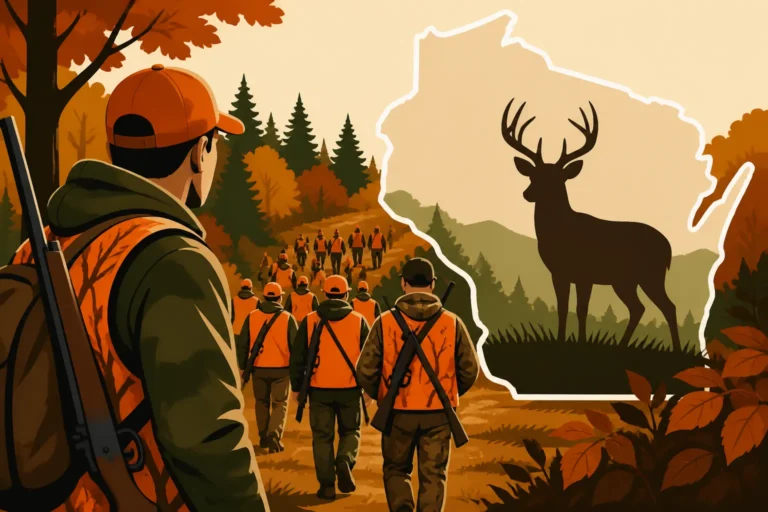
There's something uniquely special about a Wisconsin deer camp. It's more than just a place to sleep during the season; it's a hub of stories, laughter, shared meals, and the passing down of knowledge. For generations, these camps have been the beating heart of the hunting experience for countless families and friends across the state.
What Defines a Wisconsin Deer Camp?
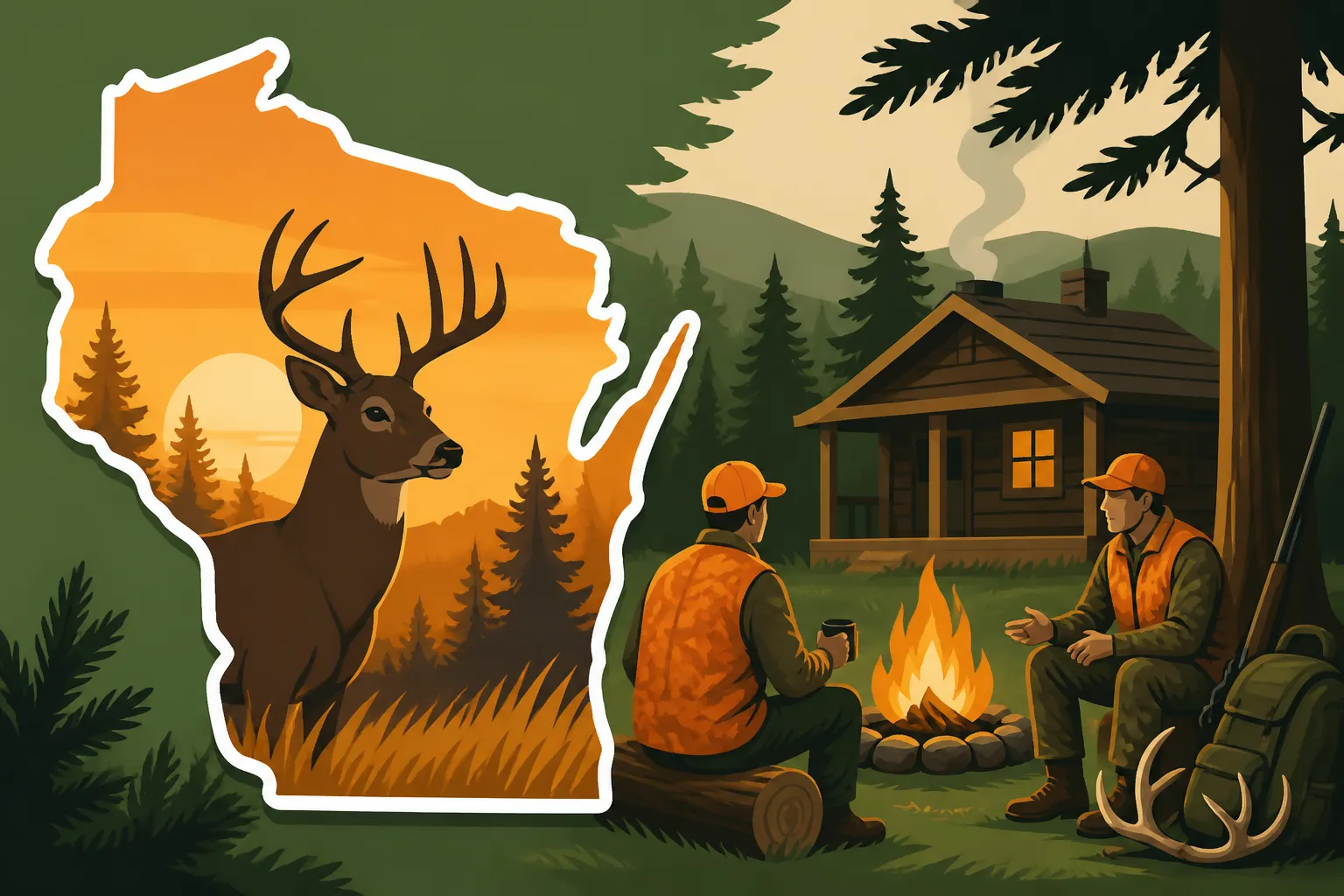
At its core, a Wisconsin deer camp is a temporary or permanent gathering point for hunters during the deer season, particularly the nine-day gun season. It can range from a rustic shack tucked deep into the Northern Forest Deer Density in Wisconsin to a sprawling lodge with all the amenities, or even a collection of RVs parked on a farmer's back forty. The common thread is that it’s a dedicated space where hunters come together to plan their days, process game, eat hearty meals, and relive the day's events around a warm fire or kitchen table. It’s a place where the pursuit of whitetails becomes a communal effort, strengthening bonds and forging new memories with every sunrise and sunset spent afield.
The definition isn't just about the physical structure; it's also about the spirit. It's the place where the coffee is always on, where the deer drives are mapped out on crinkled paper, and where the tales of the "one that got away" grow taller with each retelling. It's the central nervous system for a group of hunters operating as a unit, sharing resources, information, and above all, the experience. This shared endeavor often makes the camp as memorable, if not more so, than the deer actually taken.
The Social and Generational Aspect
One of the most profound aspects of a deer camp is its role in fostering social connection and intergenerational learning. Grandparents hunt alongside grandchildren, fathers teach their sons and daughters the nuances of tracking, and seasoned veterans share their hard-earned wisdom with newcomers. These camps are often multi-generational affairs, with traditions passed down through families, from specific morning rituals to the way certain dishes are prepared for camp supper. It's a living history, connecting current hunters to those who came before them and ensuring the traditions endure.
Imagine a scene: a young hunter, perhaps on their Hunting the Wisconsin Youth Deer Hunt, listening intently as an elder describes how to read subtle changes in terrain or how wind currents affect deer movement in a specific block of timber. Or seeing a new hunter’s face light up as they learn how to Butchering a Deer at Camp for the first time, guided by steady, experienced hands. These aren't just practical skills; they're rites of passage embedded within the social fabric of the camp. They build character, teach patience, and instill a deep respect for both the game and the land.
Why Deer Camps Remain Popular
Despite the increasing availability of individual hunting opportunities and advanced technology, deer camps continue to thrive. Part of their enduring popularity lies in the primal human need for community and shared purpose. Hunting, especially deer hunting, is a deeply personal pursuit, but it's also historically a communal one. Camps provide a refuge from the solitary aspects of the hunt, offering a place to debrief, celebrate, or commiserate. They're also practical, allowing hunters to pool resources for equipment, lodging, and food, making the overall experience more affordable and accessible.
Furthermore, camps often become repositories of local knowledge. Hunters who have spent decades in a particular area know the local deer patterns, the best pinch points, and where deer go on Where Deer Go on Opening Weekend. This collective knowledge base is invaluable, especially when encountering Hunting Pressure on Wisconsin Public Land or adapting to changing conditions. The camp environment encourages this exchange of information, making everyone a more informed and effective hunter. It’s a testament to the idea that some experiences are simply better when shared.
Joining an Existing Deer Club
For those who don't have an established family camp or the resources to start one from scratch, joining an existing deer club can be an excellent entry point into the world of shared hunting experiences. These clubs offer a structured environment, often with established land access and a set of rules designed to ensure fair hunting and good camaraderie.
How Deer Clubs Operate
Deer clubs typically operate with a formal or informal structure, often involving an annual membership fee and a set of bylaws or shared agreements. They might lease private land, have access to a large tract of private timber, or collectively manage a property for optimal deer habitat. Members usually share responsibilities for maintaining the property, camp, and managing the deer herd according to a unified strategy. This could include tasks like maintaining trails, building food plots, or repairing stands.
Many clubs have a designated camp boss or president who handles administrative duties, coordinates workdays, and facilitates communication among members. They also often have specific regulations regarding stand placement, hunting zones, harvest limits beyond what the state dictates, and even what calibers are preferred for safety on shared land. The goal is to create a harmonious hunting environment where everyone feels respected and has an equal opportunity to enjoy the season.
Finding Available Clubs and Membership
Finding an open spot in a well-established deer club can sometimes feel like trying to find a needle in a haystack, as membership often passes down through generations. However, opportunities do arise. Networking within your local hunting community, visiting sporting goods stores, or checking online hunting forums and local classifieds can sometimes reveal openings. Landowners who lease their property for hunting might also have information about clubs seeking new members. Some clubs even maintain waiting lists.
When you do find a potential club, it’s crucial to do your due diligence. Ask about the club's history, its members, its rules, and its philosophy on deer management. You might consider asking for a tour of the property during the off-season to see the setup and meet some of the current members. A good fit is essential for a positive experience. You want to ensure your hunting style and expectations align with the club's culture, whether it's focused on trophy management, meat hunting, or a mix of both.
Understanding Club Rules and Expectations
Every deer club will have its own unique set of rules and expectations, and it's vital to understand them thoroughly before committing. These rules often cover everything from quiet hours at camp to specific antler restrictions that go beyond state law, like a minimum spread or tine count. Some clubs might have strict work-hour requirements, expecting members to contribute a certain number of hours to camp maintenance or habitat improvement. Others may have specific guidelines for guests, ensuring that member access remains paramount.
For example, a club might require all members to attend two workdays in the spring and one in the fall, where tasks like Setting Up on an Aspen Cut Edge or clearing shooting lanes are completed. They might also enforce a "one buck, two does" rule, even if state regulations allow more, as part of their herd management strategy. Being clear on these points from the outset prevents misunderstandings and ensures you can fully commit to the club's shared vision. If you're utilizing mapping tools like onX Hunt to scout or navigate the club's property, understanding how these rules apply to specific boundaries or stand locations is paramount.
| Feature | Joining an Existing Deer Club | Starting Your Own Deer Camp |
|---|---|---|
| Land Access | Often established, potentially leased or owned. | Requires securing private land or extensive public land scouting. |
| Initial Cost | Membership dues, potentially a one-time initiation fee. | Significant upfront investment for land, infrastructure. |
| Infrastructure | Usually existing camp, stands, food plots. | Requires building or acquiring everything from scratch. |
| Rules/Structure | Defined bylaws, established traditions, hierarchy. | You set the rules; evolves with group consensus. |
| Social Dynamic | Integrating into existing group culture. | Building a group dynamic from scratch. |
| Workload | Shared responsibilities, often scheduled workdays. | You and your initial group bear all initial burden. |
| Flexibility | Less flexible due to established rules. | Highly flexible to adapt to your group's needs. |
Starting Your Own Wisconsin Deer Camp
If joining an existing club isn't quite the right fit, or if you have a specific vision for your hunting experience, starting your own Wisconsin deer camp with a trusted group of friends or family can be an incredibly rewarding endeavor. This path offers maximum flexibility but also requires a significant commitment of time, effort, and resources.
Securing Land or Access for Your Camp
The first and most critical step in establishing your own deer camp is securing the land or access to it. This might mean purchasing a parcel of land, entering into a long-term lease agreement with a private landowner, or even committing to extensive Scouting Wisconsin Public Land Before Season to find suitable ground. For public land, remember that while you can camp, you generally can't build permanent structures. Using an app like GoHunt or onX Hunt can be incredibly helpful here, allowing you to identify land ownership, property boundaries, and potential habitat features like funnels or bedding areas that would be ideal for a camp setup.
Consider the type of hunting you want to do. If it's primarily Driftless Area Deer Hunting in Wisconsin, you'll be looking for coulees and ridge tops. If it's Hunting the Wisconsin Northern Forest for Deer, thick timber and cedar swamps might be your focus. Securing permission from a farmer for Hunting Wisconsin Farmland Deer could lead to opportunities for a temporary camp setup during the season. The key is to find land that not only holds deer but also offers a suitable, legal, and safe location for your camp. This initial phase requires patience and often a good amount of negotiation and research to find the perfect spot that meets your group's needs and budget.
Setting Up the Infrastructure
Once you have your land, the real work begins: setting up the actual camp infrastructure. For private land, this could involve building a cabin, bringing in a travel trailer or RV, or even just setting up robust wall tents. You'll need to consider basic amenities like water, power (generator or solar), and sanitation. Beyond living quarters, think about game processing areas, fire pits, and storage for equipment. For public land, "infrastructure" might be limited to a comfortable, well-organized tent setup and a portable cooking station.
The infrastructure isn't just about shelter; it's about making the camp functional and comfortable for everyone. This includes establishing clear areas for parking, a designated spot for Field Dressing a Deer in Cold Weather, and a safe place to store firearms. It's also where the traditions begin to take root – perhaps a specific type of campfire grill, a designated "storytelling" chair, or a unique sign that marks your camp's presence. Every piece of infrastructure contributes to the overall character and efficiency of your deer camp.
Establishing Camp Traditions and Rules
Without the pre-existing framework of an established club, you and your founding members will need to establish your own camp traditions and rules. This is your chance to create the ideal hunting experience for your group. What are your collective goals for the season? Is it purely about harvesting deer, or is the social aspect equally, if not more, important? Will there be specific chore assignments, a rotating cook schedule, or a "potluck" approach to meals? How will disagreements be resolved?
These rules and traditions become the backbone of your camp. They might include guidelines for Deer Drives With Three or Four Hunters, expectations for cleaning up, or specific protocols for handling successful harvests. The beauty of starting your own camp is that these traditions can evolve organically, reflecting the personalities and values of your group. They are what make your deer camp unique and special, fostering a sense of ownership and shared history among all members.
Financial Realities of Deer Camps and Clubs
Let's be real: hunting can be an expensive hobby, and adding a deer camp or club membership to the mix introduces its own set of financial considerations. Understanding these costs upfront is crucial for managing expectations and ensuring the long-term viability of your hunting home away from home.
Membership Dues and Shared Costs
If you're joining an existing deer club, you'll almost certainly pay annual membership dues. These dues cover a variety of expenses, such as the lease of private land, property taxes if the club owns land, insurance, maintenance of trails, food plots, and possibly utilities for a camp cabin. The cost can vary wildly depending on the location, amenities, and acreage involved. Some clubs might have a one-time initiation fee in addition to annual dues.
Beyond the formal dues, there are often shared costs for consumables. This might include propane for heating, generator fuel, communal food supplies, or shared tools. Members typically contribute to a "camp fund" or split these bills as they arise. Transparency in these financial matters is key to maintaining harmony within the group. For example, some clubs budget for a specific number of deer tags or a general fund for shared Deer Camp Costs and supplies, ensuring everyone knows what to expect.
Upfront Investment for New Camps
Starting your own deer camp from scratch involves a much larger upfront investment. If you're buying land, that's the most significant cost. Even leasing requires an initial outlay for the lease agreement. Then there's the cost of any infrastructure: a cabin kit, a used travel trailer, tents, generators, water tanks, septic systems, tools, and all the initial supplies needed to make a camp functional. This can easily run into thousands, or even tens of thousands, of dollars.
Consider also the time and labor as part of that investment. Building a cabin, clearing land, or putting in food plots requires sweat equity. While not a direct monetary cost, it's a significant commitment that needs to be factored in. For those who can commit to it, the reward is a custom-built camp tailored exactly to their needs. You might also want to factor in the cost of various Wisconsin Hunting Licences and What They Cost for all members, particularly if you are coordinating group purchases.
Hidden Costs and Long-Term Maintenance
Beyond the obvious, deer camps and clubs can have "hidden" or less apparent costs that accumulate over time. These include unexpected repairs to camp facilities, replacement of communal equipment (ATVs, tractors, processing tools), and the ongoing expense of habitat improvements like fertilizer for food plots or tree planting. There's also the cost of licenses, tags, and travel to and from the camp, which can add up significantly over a season.
Long-term maintenance is crucial. A well-maintained camp and property will serve the group for years, but neglect can lead to costly problems. Regular workdays are not just about fun; they're essential for preserving the investment. For instance, if you have permanent treestands on your property, ensuring they are regularly inspected and maintained for safety is an ongoing, often unnoticed, cost. Over time, these consistent small investments protect the larger asset of the camp itself.
Navigating the Logistics of a Shared Hunting Experience
A deer camp, by its very nature, is a shared space and a shared endeavor. This means that successful operation hinges on effective communication, clear division of labor, and a strong sense of mutual respect among all participants. Without these elements, even the most promising camp can quickly descend into frustration.
Communication and Conflict Resolution
Open and honest communication is the bedrock of a successful deer camp or club. Before the season, hold regular meetings (in person or virtual) to discuss plans, assign tasks, and address any concerns. During the season, maintain clear lines of communication regarding hunting plans, safety protocols, and any game seen or harvested. Use a group chat or a whiteboard at camp to keep everyone informed. For clubs with multiple members, especially those covering large areas, utilizing a shared mapping platform like onX Hunt can help coordinate movements, mark stand locations, and communicate safety zones.
Despite best efforts, conflicts can arise. Perhaps one member consistently shirks duties, or there's a disagreement over a prime stand location. Establishing a clear process for conflict resolution beforehand can prevent small issues from escalating. This might involve a designated camp leader or a democratic voting process. The goal isn't to eliminate all disagreements, but to have a fair and agreed-upon method for working through them, always prioritizing the harmony and safety of the group.
Dividing Responsibilities and Workload
A deer camp functions best when responsibilities are clearly defined and equitably distributed. Before the season, create a list of tasks that need doing, from cleaning the cabin to stocking firewood, preparing meals, or maintaining equipment. Assign these tasks on a rotating basis or based on individual strengths and availability. Some camps have a dedicated cook, while others might rotate kitchen duty.
Consider tasks like setting up and taking down stands, maintaining trails, cleaning game processing areas, and ensuring the general upkeep of the camp. During the hunt itself, there are also shared responsibilities, especially if you're participating in group activities like Deer Drives With Three or Four Hunters. Everyone needs to understand their role and execute it reliably. A shared online calendar or chore chart can be incredibly effective in keeping everyone accountable and ensuring that no one feels unfairly burdened.
Camp Safety and Etiquette
Safety should always be the absolute top priority in any hunting camp. This means adherence to all Wisconsin Hunter Safety and Mentored Hunting guidelines, state hunting regulations, and any additional rules the camp or club has in place. Establish clear firearm safety rules within the camp, designated shooting lanes on the property, and communication protocols for when hunters are in the woods. Ensure everyone knows how to handle a firearm safely, both in the field and around camp.
Beyond safety, camp etiquette is about respecting the shared space and the experience of others. This includes keeping noise to a minimum during quiet hours, cleaning up after yourself, respecting communal supplies, and being mindful of other hunters' space and preferences. A good rule of thumb is to always leave things better than you found them and to treat fellow hunters with the same respect you'd expect. Knowing the Wisconsin Legal Shooting Hours and adhering to them as a group also promotes safety and respect for game.
Beyond the Hunt: The Broader Benefits of Deer Camps
While the primary goal of a deer camp is, of course, deer hunting, the benefits extend far beyond the pursuit of game. These communal spaces foster personal growth, deep relationships, and a vital connection to the heritage of hunting.
Skill Sharing and Mentorship
Deer camps are natural incubators for skill sharing and mentorship. New hunters can learn invaluable lessons from experienced veterans, observing how they scout, track, call, or field dress game. It's a hands-on learning environment where techniques are demonstrated and knowledge is freely exchanged. Whether it's perfecting a grunt call, understanding Reading a Ridge Point for Deer Movement, or properly Blood Trailing After Dark in Wisconsin, the collective wisdom of the camp is a powerful educational tool.
This mentorship isn't just about hunting skills; it's also about woodsmanship, ethical hunting practices, and respect for the environment. Younger generations learn not just how to hunt, but why we hunt, and the responsibility that comes with it. This passing of knowledge is critical for ensuring the future of hunting and the preservation of traditions.
Community and Lifelong Friendships
Perhaps the most cherished aspect of deer camps is the strong sense of community and the lifelong friendships forged within their walls. Sharing the triumphs and frustrations of the hunt, laughing around a campfire, and supporting each other through challenging moments creates bonds that last long after the season ends. These are the people who become like family, understanding a part of your passion that others might not.
Imagine sitting around a warm stove after a cold, unproductive day, sharing stories and jokes with friends who have become like brothers or sisters over decades of shared hunts. These relationships are the true trophies of the deer camp experience, enriching lives far beyond the venison in the freezer. It’s a place where differences melt away, and a shared passion brings people together in a unique and powerful way.
Preserving Hunting Heritage
In an increasingly urbanized world, deer camps serve as vital bastions of hunting heritage. They actively preserve traditions, stories, and a way of life that connects us to our past. They ensure that the rituals, skills, and values associated with hunting are not lost but are instead celebrated and passed on to future generations. From the specific campfire songs to the way a successful hunt is celebrated, these camps are living museums of hunting culture.
By participating in a deer camp, you're not just going hunting; you're taking part in a legacy. You're contributing to a tradition that teaches patience, resilience, respect for nature, and the importance of self-sufficiency. It's a powerful way to ensure that the spirit of the hunt, and the deep connection to the land and its wildlife, continues to thrive in Wisconsin for years to come.
Disclaimer
This article is for general informational purposes only and does not constitute professional advice. Laws, prices and regulations vary by location and change over time. Consult a qualified professional for guidance on your specific situation.