Douglas County Barrens Public Ground
Finding expansive, unique public hunting grounds in Wisconsin can feel like a never-ending quest, especially when you're looking for something beyond the typical hardwoods or agricultural fringes. Many hunters overlook or simply don't know how to approach the distinct challenges and rewards offered by specialized landscapes. This guide is dedicated to unpacking the opportunities and strategies for successfully hunting the vast and wild Douglas County Barrens public ground, helping you navigate its unique terrain and pursue the diverse game it holds.
Understanding the Douglas County Barrens Landscape for Hunting
The Douglas County Barrens isn't just another patch of northern Wisconsin forest; it's an ecosystem unto itself, shaped by specific geology, vegetation, and historical events. For hunters, understanding this unique environment is the first step toward a successful outing.
The Unique Ecology of Barrens Habitat
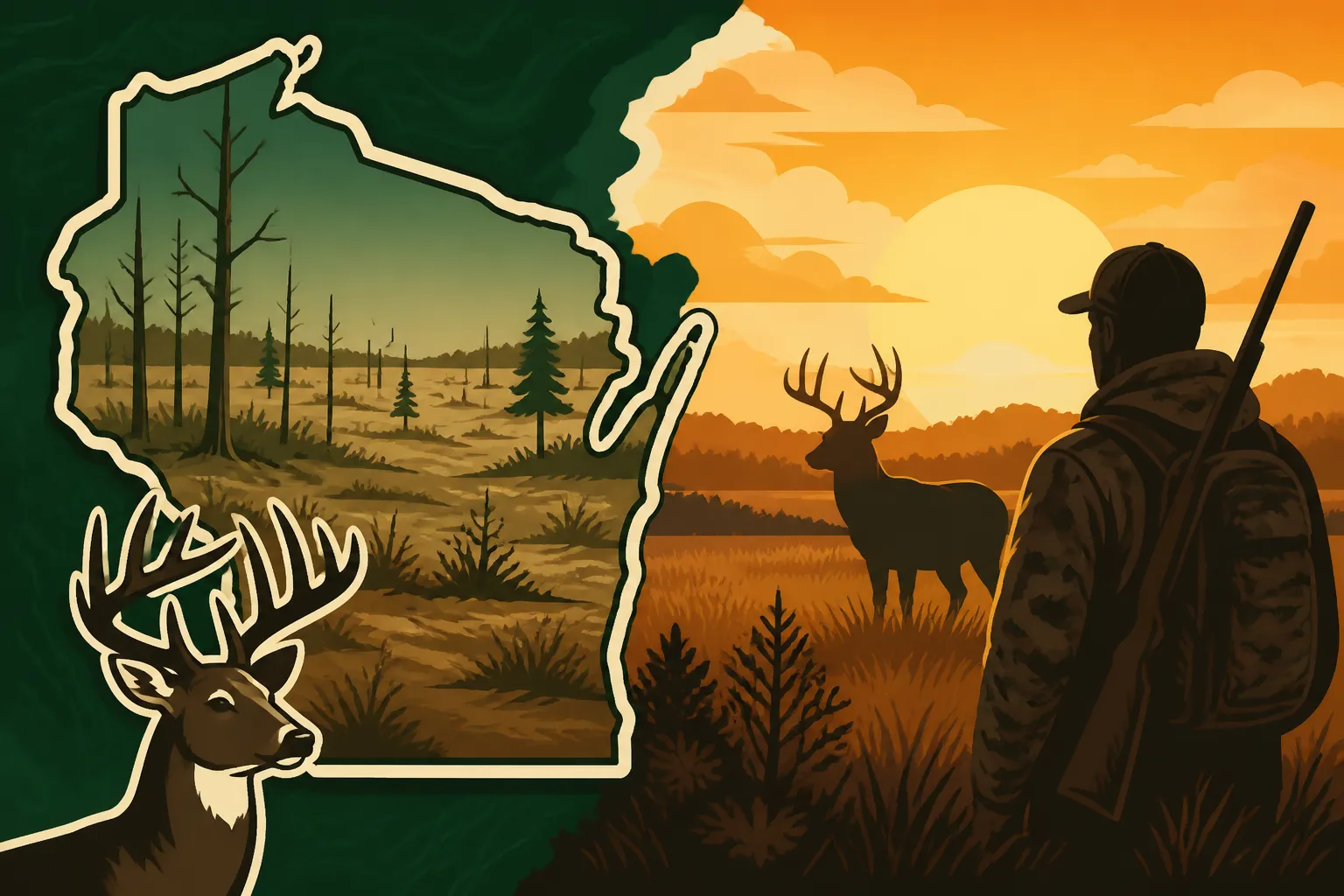
When you hear "barrens," don't picture a desolate wasteland. Instead, envision a mosaic of open grasslands, scattered stands of jack pine and red pine, scrubby oak woodlands, and pockets of aspen and birch. The soil here is often sandy, a legacy of ancient glacial lakes, which contributes to its unique flora. This sandy base, combined with a history of natural wildfires (and controlled burns today), has prevented dense, continuous forest from taking hold. These fires are crucial, clearing out undergrowth, promoting new growth that game species relish, and maintaining the open character of the land. It’s a landscape that constantly renews itself through disturbance, creating diverse age classes of vegetation from seedling to mature trees. This dynamic environment means that what was excellent cover five years ago might be too thick or too sparse today, requiring regular scouting and adaptability from the hunter. You might find areas dominated by waist-high blueberries and sweet fern, creating incredibly dense cover in some spots, while a short walk away opens into nearly prairie-like expanses.
Key Game Species Attracted to Barrens
The diverse structure of the barrens makes it a magnet for several key game species, each thriving on different aspects of the habitat.
Deer: While not typically known for the massive bucks of the Driftless Area, the Douglas County Barrens offers excellent deer hunting, particularly for those who appreciate a more rugged, less pressured experience. Deer here often gravitate towards the edges where open barrens meet denser pine plantations or oak pockets. These transition zones provide both browse and security cover. They'll feed on the abundant blueberries and acorns when available, and the thicker patches of jack pine offer vital thermal cover during harsh winters. Tracking in the sandy soil can be excellent after a light snow, revealing exactly where deer are moving between feeding and bedding areas. Don't expect to see deer at every turn, but rather target those small pockets of dense cover nestled within the more open landscape.
Bear: The barrens habitat is prime bear country. The extensive wild berry crops – blueberries, raspberries, chokecherries – provide crucial food sources for bears in late summer and fall. The mix of dense pine and scrubby oak also offers ample bedding and escape cover. Hunters often find good success pursuing bears here, whether through baiting (where legal and permissible) or with hounds, taking advantage of the vast, relatively unfragmented landscape. The sandy soil also makes for easier tracking for hound teams.
Upland Birds (Grouse, Woodcock, Sharp-tailed Grouse): This is where the Douglas County Barrens truly shines for many hunters.
- Ruffed Grouse: You'll find ruffed grouse in areas with younger aspen and birch regeneration, particularly where these stands border thicker pine or oak. Look for drumming logs in these transitional zones. While not as dense as some northern hardwood forests, the aspen pockets created by logging or fire are key.
- American Woodcock: These migratory birds love the moist, rich soils found near alder thickets and along the edges of small wetlands that dot the barrens. They're often found in the same areas as grouse, making for exciting mixed-bag opportunities. Their camouflage is incredible, so a good dog is a huge asset.
- Sharp-tailed Grouse: This is perhaps the signature bird of the barrens. Sharp-tails require large expanses of open, brushy grassland with scattered shrubs and trees, precisely what the managed barrens provide. Hunting sharp-tails is a unique experience, often involving long walks and keen eyesight. They are wary birds and will flush wild, so quick shooting is paramount. Finding suitable sharp-tailed grouse habitat, which is often actively managed through prescribed burns and cutting, is key to success. This area is one of the few places in Wisconsin where you can truly focus on Hunting Sharptails on Wisconsin Barrens.
Navigating Public Access in Douglas County Barrens
Successfully hunting the Douglas County Barrens means understanding how to access and move through its extensive public lands. It's a vast area, and while public, it requires smart navigation.
Identifying Public Lands Within the Barrens
The Douglas County Barrens is a patchwork of public ownership, primarily managed by the county, state, and sometimes federal agencies. The majority is Douglas County Forest land, interspersed with state-owned wildlife areas and occasionally other types of public access. It's crucial to correctly identify these parcels before you hunt. Your trusty onX Hunt app will be invaluable here, showing property lines, ownership types, and even topographical features. Services like GoHunt also offer comprehensive land ownership data that can be critical for pre-season scouting. Take the time to delineate public from private land, as trespassing, even accidentally, can ruin a hunt and lead to legal trouble. Always cross-reference your digital maps with physical maps and signs on the ground. When in doubt, assume it's private and seek clarification or avoid the area. You'll find that many of the open barrens areas are indeed publicly accessible, but small private parcels can be tucked away within them.
Access Points and Travel Considerations
Accessing these expansive barrens often means utilizing a network of logging roads, utility corridors, and older two-track trails. Many of these roads are unpaved, sandy, and can become quite challenging after heavy rain or during periods of snow and ice.
- Vehicle Access: While many primary county forest roads are well-maintained, secondary trails may be gated, seasonally closed, or require a high-clearance vehicle. Pay close attention to signage. Some areas are specifically designated for foot traffic only.
- Foot Access: Prepare for long walks. The true beauty of the barrens often lies a mile or more from the nearest accessible road. This is where you'll find less pressured game. Plan your routes, carry enough water, and be prepared for variable terrain—from flat, sandy stretches to brushy hillsides and boggy depressions. Walking through dense patches of sweet fern or blueberry bushes can be exhausting, but these are often the places where game seeks refuge.
- Planning: Always inform someone of your hunting plans, including your route and estimated return time, especially when venturing deep into remote sections of the barrens. Cell service can be spotty to non-existent in many parts, so don't rely on your phone for emergency communication. A dedicated GPS unit or using offline maps on an app like Scouting With the Wisconsin Hunt Wild App is highly recommended. Understanding Finding Wisconsin Property Lines precisely is even more critical when you're miles into the backcountry.
Hunting Strategies for Douglas County Barrens
The unique barrens habitat demands specific hunting strategies that differ from those you might employ in more traditional Wisconsin environments.
Deer Hunting Tactics in Barrens Cover
Hunting deer in the barrens is a game of patience, observation, and understanding how deer use the available cover. You won't find the dense, continuous timber of the northern forest or the consistent food sources of the farmland zones.
- Still-Hunting and Spot-and-Stalk: These are often the most effective methods. The patchy nature of the cover means you can often see a fair distance in some spots, then quickly enter dense scrub. Move slowly, using the slight undulations in the terrain and the varied vegetation for cover. Pause frequently, scanning ahead with binoculars. The sandy soil makes for quiet walking, especially if the ground is damp. After a fresh snow, tracking becomes incredibly productive, as deer sign stands out against the white backdrop.
- Focus on Edges and Pockets: Deer will travel along the edges where open barrens meet thicker pine stands or oak islands. Look for rubs and scrapes along these edges, indicating travel corridors. Pockets of dense jack pine or thick hazel brush within the barrens are often bedding areas, especially on sunny, protected slopes. Small, isolated swampy areas can also hold deer, offering both water and dense cover.
- Using the Wind and Thermals: Even in relatively flat terrain, subtle changes in elevation or proximity to water can create thermals. Always hunt with the wind in your favor. In the morning, expect thermals to rise, carrying your scent upwards. In the evening, they'll fall, carrying scent downwards. Understanding this can help you position yourself effectively, particularly on slight rises or near drainages.
Upland Bird Hunting in the Barrens Ecosystem
For bird hunters, the Douglas County Barrens is a dream, especially if you're targeting sharptails.
- Ruffed Grouse and Woodcock: These birds thrive where there's a mix of young, regenerating forest (especially aspen and birch) and dense low cover. Focus your efforts on the edges of recent clear-cuts, areas recovering from fires, or along the margins of alder runs and wetlands. Walking these transition zones with a good bird dog is incredibly effective, as the dog can root out birds holding tight in the dense undergrowth. Without a dog, you'll need to work slowly and be ready for explosive flushes. Remember that Woodcock Hunting Wisconsin Alder Runs specifically targets those wetter pockets.
- Sharp-tailed Grouse: This is a distinct challenge. Sharptails prefer large, open grasslands with scattered shrubs and low-growing pines. They are exceptionally wary. Often, hunters will "block" an area with a few walkers, pushing birds towards others positioned further down. Spotting and stalking can also work in the most open areas, especially in the early morning or late evening when birds might be visible feeding. Again, a wide-ranging bird dog can be invaluable for finding these elusive birds, though they often flush out of range. Focus on areas that have recently undergone prescribed burns, as the fresh growth provides excellent feeding.
Bear Hunting Opportunities
The Douglas County Barrens offers substantial opportunities for bear hunters. The abundant natural food sources, like berries and acorns, and the vast, often remote nature of the public land make it an ideal habitat.
- Baiting: Where legal, setting up a bear bait site can be very effective. The key is finding a secluded spot, often deep in the pine or oak barrens, where bears feel secure. Consistency in baiting and understanding bear travel patterns are critical. Be sure to check current regulations on baiting, including any bans in CWD-affected counties, though this typically applies more to deer hunting.
- Hound Hunting: The open nature of some barrens, combined with pockets of dense cover, can be excellent for running hounds. Dogs can track bears across the sandy terrain, and the mixed cover allows for both open-country chases and treeing in denser timber. It's a physically demanding style of hunting, requiring extensive knowledge of the area and coordination with a team. Bear Hunting With Bait and Dogs in Wisconsin provides a broader context for this challenging pursuit.
Essential Gear and Preparation for Barrens Hunting
Hunting the Douglas County Barrens requires specific gear and preparation to ensure safety, comfort, and success in this unique, often remote environment.
Navigation and Communication
Getting lost in the barrens is a real possibility if you're not prepared. The landscape can look deceptively similar over vast stretches, with subtle changes that are easy to miss.
- GPS and Maps: A reliable GPS unit (like a Garmin InReach or a dedicated handheld) is non-negotiable. Don't rely solely on your phone, as battery life can be an issue, and cell service is often nonexistent. Load your GPS with detailed topographic maps and satellite imagery. Always carry a physical map of the area (a waterproof, tear-resistant one is best) and a compass as a backup. Know how to use them both. Mark your vehicle's location and any key waypoints like potential bedding areas, water sources, or clear-cuts you want to check. Many hunting apps like onX Hunt allow you to download maps for offline use, which is critical here.
- Communication: A satellite communicator or two-way radio can be a lifesaver, especially if you're hunting with a partner or in a group. For solo hunters, a satellite messenger allows you to send check-in messages or call for help even without cell service. Ensure your device is charged and test it before heading out.
Clothing and Footwear
The barrens terrain and weather can be tough on gear, so choose wisely.
- Durable Clothing: Brush pants or chaps are a must. You'll be pushing through dense hazel brush, prickly pine seedlings, and thorny brambles, which can quickly shred thinner fabrics. Look for heavy-duty cotton duck, canvas, or synthetic blends designed for upland hunting. Layering is key, as temperatures can fluctuate wildly, especially during the shoulder seasons. A good base layer, insulating mid-layer, and a waterproof/windproof outer shell will keep you comfortable.
- Footwear: Sturdy, comfortable, and waterproof boots are essential. You'll be walking long distances over sandy, uneven terrain, through wet pockets, and potentially across small streams. Good ankle support is crucial to prevent twists and sprains. Consider boots that are breathable but can handle moisture from dew, rain, or wet brush. Many hunters opt for rubber boots to keep their feet dry, especially if they anticipate encountering swampy areas or morning dew.
- Blaze Orange/Pink: Wisconsin law requires a certain amount of blaze orange or fluorescent pink during specific hunting seasons, especially gun deer season. Even outside those seasons, when upland bird hunting, wearing highly visible clothing is a smart safety precaution, especially given the open nature of some barrens areas where hunters might be spread out. Make sure your outer layers meet the legal requirements and are highly visible.
Here's a quick look at some popular game animals in the Douglas County Barrens and when to pursue them:
| Game Species | Primary Habitat in Barrens | Ideal Hunting Period | Common Methods | Notes |
|---|---|---|---|---|
| White-tailed Deer | Edges of pine/oak, dense scrub, small swamps | Early Archery, Gun Season | Still-hunting, spot-and-stalk, tracking | Focus on transition zones and thickets for bedding and feeding. |
| Black Bear | Areas with abundant berries, dense cover | Late Summer/Early Fall | Baiting (if legal), hound hunting | Extensive wild food sources make this prime bear country. |
| Ruffed Grouse | Young aspen/birch, thick edges | Fall (Oct-Nov) | Walking with/without dog, targeting regeneration | Look for active cuts and areas recovering from fire. |
| American Woodcock | Alder runs, moist thickets, wetland edges | Early Fall (peak migration) | Walking with/without dog, targeting wet areas | Often found with grouse; listen for their peent call. |
| Sharp-tailed Grouse | Open grasslands, scattered shrubs, barrens | Fall (specific season) | Spot-and-stalk, "blocking" with groups, wide-ranging dog | Requires specialized habitat; check for permit requirements. |
| Coyote | Throughout the open barrens, edges | Year-round | Calling, incidental encounters | Abundant prey base supports a healthy coyote population. |
Disclaimer
This article is for general informational purposes only and does not constitute professional advice. Laws, prices and regulations vary by location and change over time. Consult a qualified professional for guidance on your specific situation.