Where CWD Was First Found in Wisconsin
For many Wisconsin deer hunters, the discovery of Chronic Wasting Disease (CWD) felt like a punch to the gut, fundamentally altering the landscape of deer management and hunting practices. The initial identification of this devastating neurological illness sent shockwaves through the hunting community, bringing an invisible threat front and center. This guide will explore precisely where CWD was first identified in Wisconsin, delving into the immediate fallout, the subsequent challenges, and the ongoing efforts to manage its presence in our cherished deer herds.
The First Unsettling Signs: Where CWD Began in Wisconsin
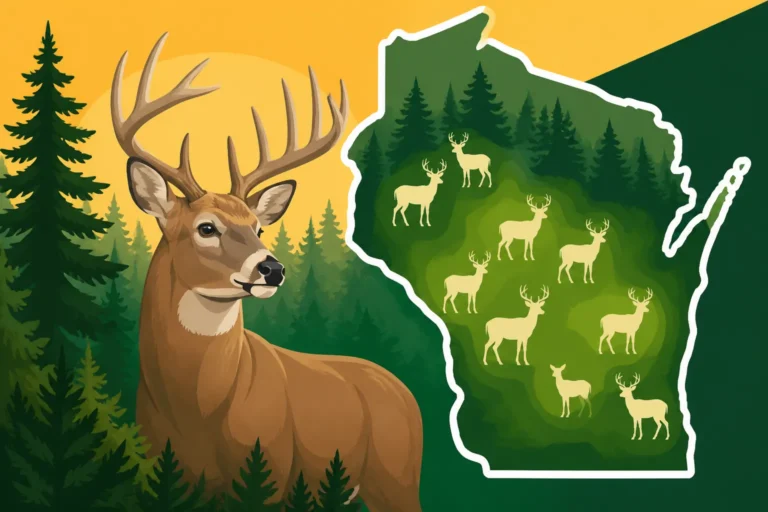
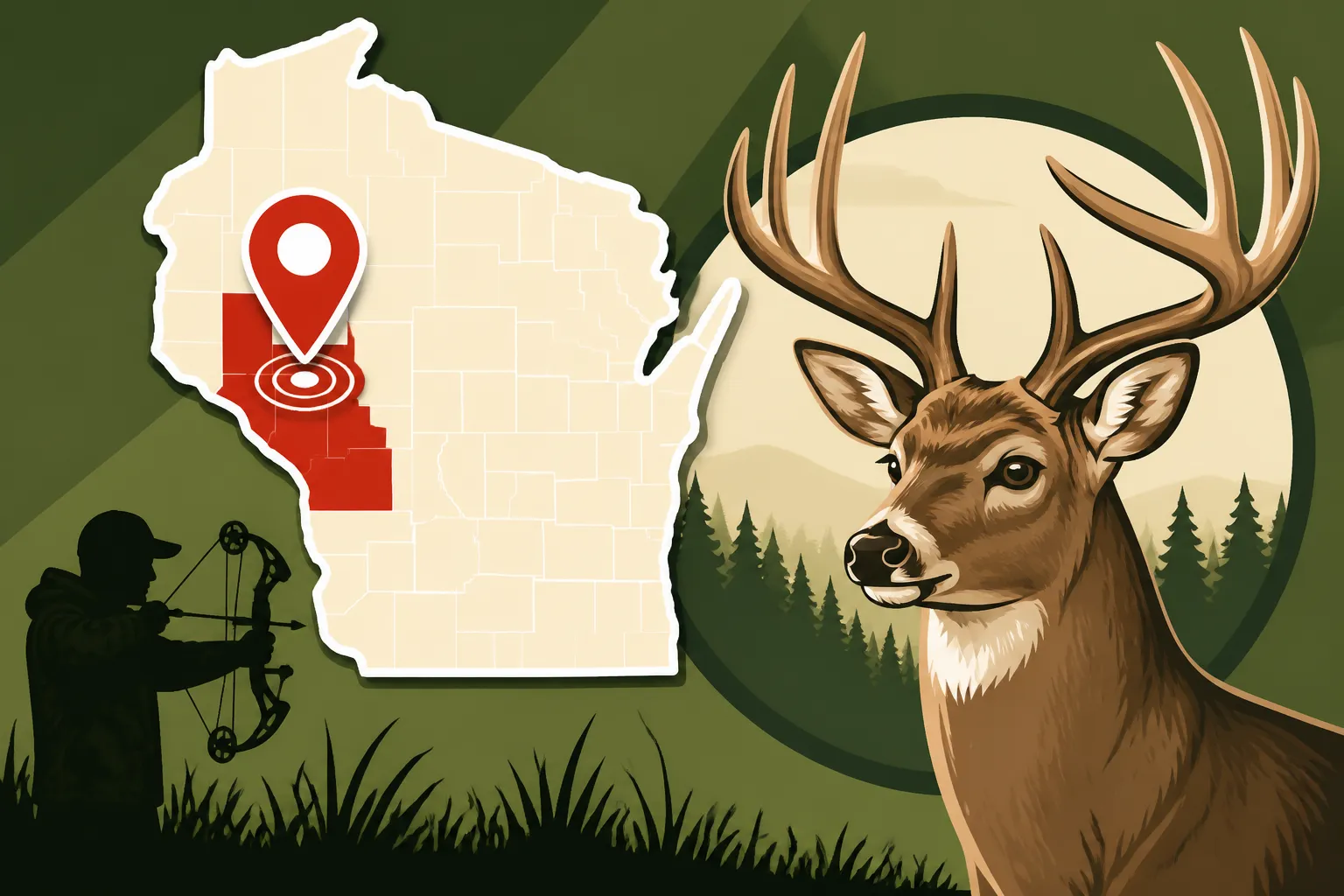
The year 2002 stands as a watershed moment in Wisconsin hunting history. It was then that Chronic Wasting Disease was unequivocally identified in our wild deer population, shattering a long-held belief that the state's robust deer herds were immune. The initial discovery was made in three adult deer harvested during the firearm season in what was then Deer Management Unit (DMU) 70A, located primarily in southwestern Dane County. This wasn't a gradual, creeping realization, but rather a sudden and stark confirmation that the disease, previously thought to be isolated to states further west, had arrived.
The news landed like a bombshell, prompting immediate and widespread concern among hunters, landowners, and wildlife officials alike. Before this, CWD had been a topic discussed in hushed tones, often associated with game farms or distant states, never something many Wisconsin hunters believed they would face on their home turf. The discovery in wild deer triggered an intensive response, marking the beginning of a complex and often contentious chapter in Wisconsin's storied hunting legacy. The implications were vast, extending beyond just deer health to encompass hunting regulations, social dynamics, and the economic impact on rural communities.
Understanding Chronic Wasting Disease and Its Silent Spread
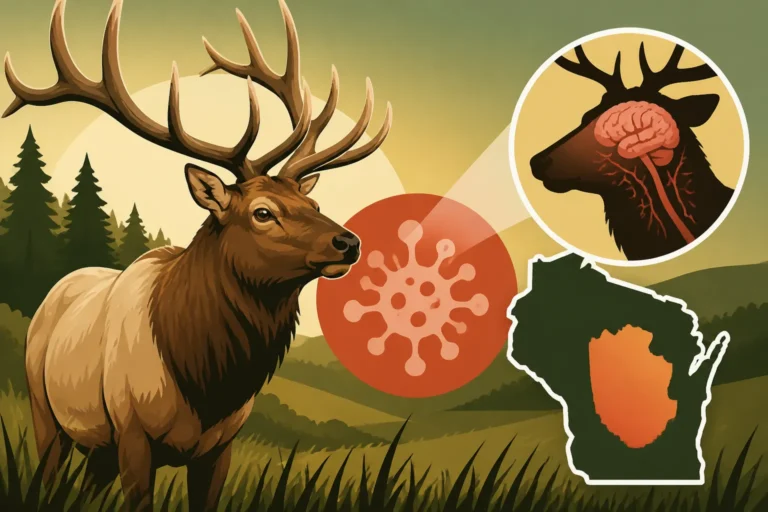
Chronic Wasting Disease is a transmissible spongiform encephalopathy (TSE), a neurological disease that affects cervids, which include deer, elk, and moose. Unlike bacterial or viral infections, CWD is caused by abnormal proteins called prions. These rogue proteins gradually accumulate in the brain and nervous system of infected animals, leading to a slow, debilitating decline that is always fatal. The symptoms often include severe weight loss (hence "wasting"), behavioral changes, excessive salivation, difficulty walking, and a general lack of awareness. It’s a truly heartbreaking disease to witness, as infected animals slowly lose their vitality.
What makes CWD particularly insidious is how it spreads and its remarkable persistence in the environment. Prions are shed by infected animals through saliva, urine, and feces, contaminating the soil, water, and vegetation. This means that a healthy deer can contract the disease simply by grazing in an area where an infected deer once roamed, even long after that animal has gone. Additionally, the prions can remain viable in the environment for years, if not decades, making eradication incredibly challenging once the disease takes root. The long incubation period also means that an infected animal can appear perfectly healthy for an extended time, shedding prions and spreading the disease unknowingly before symptoms even begin to show. This silent spread poses a significant challenge for monitoring and control efforts, as it’s nearly impossible to identify infected animals by sight in the early stages.
Wisconsin's Evolving Response to a Persistent Threat
Following the initial CWD detection in DMU 70A, Wisconsin embarked on an aggressive, albeit often controversial, management strategy. Early efforts focused on reducing deer densities in the affected areas, primarily through intense culling and special hunts, with the hope of containing and even eradicating the disease. While these initial measures were met with mixed results and considerable debate within the hunting community, they laid the groundwork for long-term strategies.
One of the most significant and visible changes has been the implementation of Wisconsin Baiting and Feeding Bans in affected counties and those adjacent to them. The rationale behind these bans is to reduce artificial concentrations of deer at bait sites, which minimizes direct contact between animals and the sharing of bodily fluids, thereby slowing down prion transmission. While not universally popular, these bans are a direct response to the scientific understanding of how CWD spreads. For hunters in these areas, adapting to Hunting Without Bait in a Banned County became a new necessity, pushing them to explore different scouting and hunting methods.
The Role of Hunter Participation and Monitoring
Wisconsin hunters have become crucial partners in the state's CWD monitoring efforts. Voluntary deer testing is encouraged, allowing wildlife agencies to track the disease's prevalence and geographic spread. Hunters can bring deer heads to various collection sites, including self-service kiosks and participating meat processors. Websites and apps, including tools offered by platforms like GoHunt, provide up-to-date information on CWD sampling locations and results. This data is vital for understanding Chronic Wasting Disease in Wisconsin and how Wisconsin CWD Prevalence Rates are changing over time.
The state has established specific Wisconsin Deer Management Zones and counties with varying levels of CWD prevalence, influencing local hunting regulations and antlerless harvest opportunities, often determined by factors like How Farmland Zone Quotas Are Set in affected areas. Understanding the specific rules for your hunting location is paramount. The information gathered through hunter-submitted samples helps paint a clearer picture of How CWD Spread Across Southern Wisconsin and informs future management decisions, demonstrating the invaluable contribution of every hunter who participates in testing.
Adapting to a New Reality: Hunting in a CWD-Positive Landscape
Living and hunting in a state with CWD requires a shift in mindset and a commitment to responsible practices. While the initial shock of the 2002 discovery has softened somewhat over the years, the reality of CWD persists, demanding ongoing vigilance from hunters.
Hunter Responsibility and Carcass Management
One of the most critical aspects of preventing further CWD spread is responsible carcass handling. This includes adhering to Wisconsin Carcass Transport Rules, which often restrict the movement of certain deer carcass parts out of CWD-affected areas. The general rule of thumb is to bone out your deer in the field or at a designated processing facility within the CWD zone, leaving high-risk materials (brain, spinal cord, lymph nodes) behind. This minimizes the chance of inadvertently transporting prions to new areas. When planning your hunt, whether using traditional maps or digital tools like GoHunt, it's wise to review the current CWD regulations for your chosen hunting grounds.
For those curious about the health of their harvested deer, participating in voluntary CWD testing remains a powerful tool. Knowing the CWD status of your animal provides peace of mind and contributes valuable data to wildlife management efforts. Information on Wisconsin CWD Sampling and Test Sites is readily available through the state's wildlife resources and often highlighted by hunting community platforms.
Long-Term Implications and the Future of Wisconsin Hunting
CWD continues to be a complex challenge, impacting everything from deer population dynamics to the future of hunting regulations and traditions. The presence of CWD reinforces the importance of ethical hunting practices and staying informed. Hunters should regularly consult official Wisconsin wildlife resources for updates on Wisconsin Wildlife Disease Monitoring and changes to regulations. The data collected from tests, often presented in reports like Reading a Wisconsin Harvest Report, helps us collectively understand the disease's trajectory and adapt our strategies accordingly. While CWD presents an undeniable hurdle, the resilience of Wisconsin's hunting community and a commitment to responsible stewardship remain vital in navigating this ongoing reality.
| CWD Key Facts for Wisconsin | Details |
|---|---|
| First Detected | 2002, in wild deer in DMU 70A (primarily Dane County) |
| Cause | Abnormal proteins (prions) |
| Affected Species | White-tailed deer, elk, moose (cervids) |
| Symptoms | Weight loss, behavioral changes, drooling, difficulty walking |
| Prognosis | Always fatal |
| Transmission | Direct contact, environmental contamination (saliva, urine, feces) |
| Environmental Persistence | Prions can remain infectious in soil for many years |
| Management Efforts | Deer density reduction, baiting bans, hunter sampling |
| Hunter's Role | Voluntary testing, responsible carcass transport, adherence to rules |
Disclaimer
This article is for general informational purposes only and does not constitute professional advice. Laws, prices and regulations vary by location and change over time. Consult a qualified professional for guidance on your specific situation.