Hunting Without Bait in a Banned County
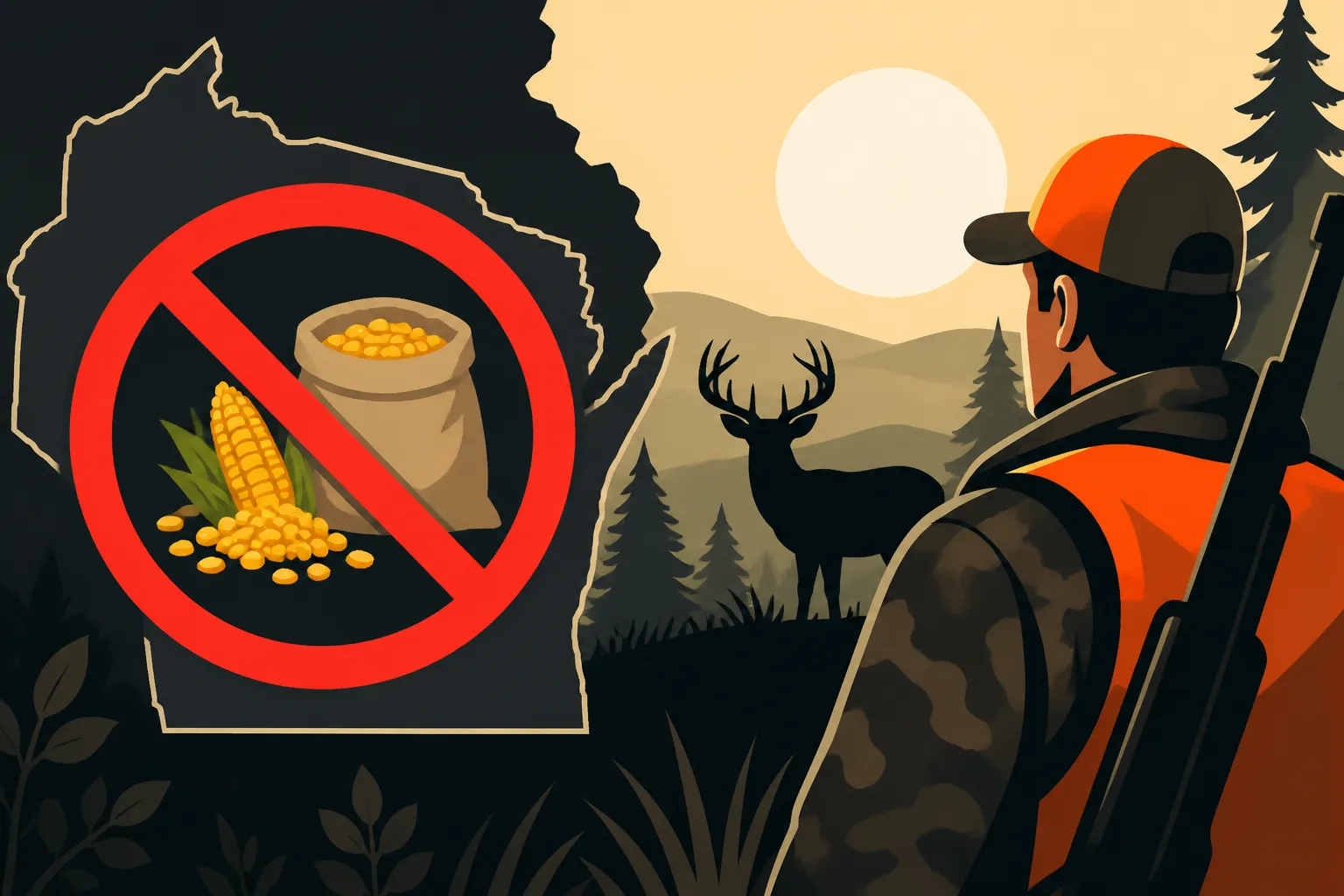
It's incredibly frustrating when you've honed your hunting approach over years, perhaps relying on baiting for deer, only to have the rules change right out from under you. Many Wisconsin hunters find themselves in counties where baiting and feeding deer are banned, leaving them feeling like they've lost a crucial tool in their arsenal. This guide is here to walk you through successful strategies for hunting deer in these restricted areas, focusing on natural behaviors and adapting your methods for consistent success.
Understanding Wisconsin's Baiting and Feeding Bans
For many of us, the news of a baiting or feeding ban in our favorite hunting county can feel like a punch to the gut. It changes everything you thought you knew about setting up a successful deer hunt. But these regulations aren't arbitrary; they stem from a very real and serious concern: the spread of Chronic Wasting Disease (CWD).
Why Bans Are in Place
The primary reason Wisconsin implements baiting and feeding bans is to curb the spread of CWD. This neurological disease is fatal to deer, and unfortunately, it's highly contagious, primarily transmitted through direct contact between animals or indirectly through contaminated environments. When deer congregate at a bait pile or feeding station, the risk of disease transmission skyrockets. Saliva, urine, and feces can all contaminate the site, turning a gathering spot into a potential hotspot for CWD. The Wisconsin Department of Natural Resources (DNR) monitors CWD closely, and when the disease is detected in a county, or even in an adjacent county, a baiting and feeding ban is often triggered. It's a tough pill to swallow for hunters, but it's a necessary measure to protect the overall health of the herd we all cherish. Understanding How Wisconsin Baiting Bans Are Triggered helps to shed light on the scientific reasoning behind these decisions.
Navigating County-Specific Regulations
It's not enough to know why the bans exist; you also need to know where they apply. Wisconsin's CWD situation is dynamic, meaning the list of banned counties can change. What might be legal in one county could be strictly prohibited just across the county line. This creates a real headache for hunters, especially those who hunt in multiple locations or near county borders. Always double-check the current regulations before heading out. The DNR website is the official source for up-to-date information on Which Wisconsin Counties Ban Baiting. It's crucial to understand that "baiting" typically refers to placing food or minerals to attract deer, while "feeding" generally refers to providing food for deer outside of established hunting seasons. Both are usually included in CWD-related bans. Ignorance of the law is never an excuse, and violations can lead to hefty fines and loss of hunting privileges.
Common Misconceptions About Baiting
Many hunters hold onto a few common misconceptions about baiting, which can make the transition to bait-free hunting feel even more daunting. One big myth is that deer won't be as concentrated without bait. While bait piles do draw deer in, deer still have natural congregating points based on food, water, and cover. Another misconception is that baiting guarantees a deer. While it can increase opportunities, deer still must move during shooting hours and present a shot.
The reality is that deer are constantly moving in search of natural forage, water, and safety. They follow predictable patterns, and a skilled hunter can learn to intercept these movements. Moving away from baiting actually forces us to become better woodsmen, to truly understand the deer we pursue and the landscapes they inhabit. It's an opportunity to sharpen our skills and get back to the roots of hunting.
Scouting and Locating Deer Without Bait
Hunting without bait forces you to become a true detective of the woods. You have to shift your focus from creating an attractive spot to finding the spots deer naturally find attractive. This means more time scouting and really learning the land.
Reading the Landscape for Natural Food Sources
Without a corn pile to draw them in, deer rely entirely on what nature provides. This makes identifying natural food sources paramount. Think about what deer eat during different times of the season. Early archery season might see them hitting acorns, soft mast like apples and berries, or lush green fields. As the season progresses into fall, they'll be keying in on hard mast (oaks, beechnuts if you're lucky), agricultural fields like corn and soybeans, and even browse in timber cuts.
Take the time to walk potential hunting areas and look for signs of feeding. Are there fresh droppings under an oak tree? Are corn stalks browsed down at the edges of a field? Are there rub lines leading into an abandoned apple orchard? These are all clues. A prime example is hunting after an acorn crop failure; deer will quickly shift their focus to other food sources, and knowing what those are (and where they are) is critical. Utilize tools like mapping apps (more on that in a moment) to identify different types of timber and agricultural fields, which can give you a head start on where to focus your ground scouting efforts.
Identifying Key Travel Corridors and Funnels
Deer are creatures of efficiency. They take the path of least resistance between bedding areas, food sources, and water. These paths become natural travel corridors and funnels, and they are goldmines for bait-free hunters. A funnel could be a narrow strip of timber connecting two larger woodlots, a saddle between two ridge tops in the Driftless Area, or a pinch point where a creek bends close to a field edge.
Spend time walking these areas. Look for well-worn deer trails, rubs, and scrapes. These are signs of consistent deer traffic. Imagine you're a deer: where would you walk to get from this thick bedding cover to that tasty food plot without exposing yourself too much? That's your travel corridor. Paying attention to details like Reading a Ridge Point for Deer Movement or understanding how deer use a creek bottom can be game-changers. Deer will often utilize natural cover like swamps or dense briar patches as safe travel routes. Finding a funnel between two swamps, for instance, can be an excellent ambush point.
Leveraging Technology for Enhanced Scouting
Modern technology has become an indispensable tool for hunters, especially when baiting isn't an option. Satellite imagery and topographic maps available through apps like GoHunt can help you scout from your couch, identifying potential food sources, bedding areas, and funnels before you even step foot in the woods. You can mark waypoints, measure distances, and visualize terrain changes that might otherwise go unnoticed.
The Wisconsin DNR's "Hunt Wild" app is another fantastic resource for public land hunters, showing property boundaries and public access points. Using Scouting With the Wisconsin Hunt Wild App can save you countless hours of walking and prevent accidental trespassing. When combining these apps with actual boots-on-the-ground scouting, you create a powerful strategy. For example, you can use an aerial photo to identify a hidden field or thicket, then verify it in person, looking for actual deer sign like tracks, droppings, rubs, and scrapes. Reading Aerial Photos for Coulee Deer can reveal subtleties in terrain that are vital for predicting deer movement.
Strategies for Hunting Natural Deer Movement
Once you've done your scouting homework and identified key areas, it's time to put those insights into action. Hunting without bait requires a more dynamic and adaptive approach, focusing on intercepting deer as they go about their daily routines.
Still-Hunting and Stalking Techniques
Still-hunting is perhaps the most traditional and purest form of hunting, and it's incredibly effective in bait-banned areas. This involves moving slowly and deliberately through the woods, pausing frequently to observe, listen, and scan for deer. The key is to blend in, move with the wind in your face, and use the terrain to your advantage. It’s not about covering ground quickly; it’s about hunting every step.
Imagine working your way through a cedar swamp after a fresh snow, trying Still-Hunting Wisconsin Cedar Swamps as you look for tracks and subtle movements. In the dense cover of northern Wisconsin, still-hunting allows you to slowly approach bedding areas or transition zones where deer feel secure. Stalking is a more aggressive form of still-hunting, used when you spot a deer and need to close the distance for a shot. Both require immense patience, keen observation skills, and the ability to move silently, almost like a shadow. This takes practice, but the rewards are immense.
Setting Up Near Natural Funnels and Bedding Areas
Instead of creating a focal point with bait, you're now identifying existing focal points. This means setting up your stand or blind where deer are already moving naturally. This could be along a well-used trail that acts as a highway between bedding and feeding, or positioned strategically in a natural funnel. For instance, Hunting a Funnel Between Two Swamps can be a highly productive strategy as deer are forced through a narrow opening.
Bedding areas are also prime locations, especially during the rut. Deer will often bed on south-facing slopes to catch the sun, or in dense thickets for security. Setting up on the downwind side of these areas, or on a travel route leading into or out of them, can yield encounters. For hunters in the Northwoods, understanding Where Northern Forest Bucks Bed is crucial to intercepting mature animals. Always approach your stand silently, well before daylight, and leave quietly after dark to avoid spooking deer.
Utilizing Calls and Scents Effectively
Even without bait, you can still influence deer movement with calls and scents, especially during the rut. Grunt calls can pique a buck's curiosity, making him think another buck or doe is in the area. Rattling antlers can simulate a fight between two bucks, potentially drawing in an aggressive buck looking for a challenge or a chance with a nearby doe.
Using Rattling and Grunting in Wisconsin during the pre-rut and peak rut can be very effective. However, context is key. Over-calling or calling at the wrong time can alert deer to your presence. Start with soft grunts or doe bleats, especially if you're in mature timber where sound carries well, as discussed in Grunt Calls in Mature Timber. Scents, particularly dominant buck urine or estrus doe urine, can also be used to draw deer in or create mock scrapes, mimicking natural deer activity. Always place scents downwind of your position so that any deer investigating the scent will move into your shooting lane.
Adapt Your Setup and Tactics
Success without bait often comes down to adapting your physical setup and refining your in-the-field tactics. It's about being in the right place at the right time, minimizing your impact, and letting the deer come to you naturally.
Choosing the Right Stand Locations
Your stand location becomes even more critical when you're relying on natural deer movement. Instead of placing a stand over a bait pile, you're now placing it along a natural travel route, overlooking a food source, or near a bedding area. This requires meticulous scouting and a good understanding of deer patterns. A good stand location will offer:
- Cover: Enough concealment to break up your silhouette.
- Wind Advantage: A consistent wind direction that carries your scent away from where you expect deer to approach. This is where understanding Wind and Thermals in a Coulee becomes vital.
- Clear Shooting Lanes: Lanes to your target areas without excessive limb trimming that could alert deer.
- Low-Impact Entry and Exit: A route to your stand that minimizes disturbance to the area.
Consider mobile setups, like a saddle or lightweight treestand system, allowing you to react quickly to changing deer patterns or sign. In areas with steep terrain, knowing Hanging a Stand in a Wisconsin Coulee effectively can make all the difference. Always be prepared to move your stand if a spot isn't producing, or if deer shift their patterns due to pressure or changing food availability.
Ground Blind Placement and Concealment
Ground blinds offer another excellent option, especially for hunters who prefer not to use treestands or in areas where suitable trees are scarce. Their main advantage is excellent concealment and the ability to hunt in almost any terrain. When using a ground blind without bait, placement is everything.
You'll want to place your blind along a natural travel corridor, overlooking an agricultural field, or tucked into the edge of thick cover. Brush in your blind extensively to make it disappear into the surroundings. This means gathering local vegetation – branches, dead grass, leaves – and attaching it to the blind. The more natural it looks, the less likely deer are to notice it. A common mistake is to set up a blind and leave it, expecting deer to get used to it. While they might, it's often more effective to brush it in thoroughly. For tips, consider how you might approach Brushing In a Blind on a Field Edge to maximize its effectiveness. When selecting a spot, think about your shooting lanes and background. You want a clear shot, but also a good backdrop to hide your movements inside the blind.
The Importance of Wind and Thermals
Without bait, deer aren't confined to a specific spot, so they have more freedom to use their primary defense: their nose. This makes understanding and playing the wind absolutely critical. A deer will almost always approach a suspected threat or investigate a new scent from downwind. If your scent cone blows towards where you expect deer, your hunt is likely over before it begins.
Thermals are also important, particularly in hilly or mountainous terrain like the Wisconsin Driftless Area. In the mornings, cool air sinks, carrying your scent downhill. In the evenings, air warms and rises, carrying your scent uphill. This phenomenon, detailed in Wind and Thermals in a Coulee, means you might need different stand locations for morning and evening hunts, or adjust your approach based on the time of day. Always check the wind direction before you head out, and have a plan B if it shifts unexpectedly. Scent control is a vital component of this, including clean clothes, scent-eliminating sprays, and storing gear properly.
Overcoming Challenges and Maintaining Persistence
Hunting without bait in a banned county can certainly present new hurdles, but it also provides a deeper connection to the hunt. It requires resilience and a commitment to learning and adapting.
Dealing with Increased Hunter Pressure
In many popular hunting areas, public land can feel like a busy park on opening day, especially during the gun season. Without bait, deer become more responsive to hunter pressure. They quickly learn to avoid areas with heavy human activity, often going nocturnal or retreating to thick, hard-to-reach cover. This means that Hunting Pressure on Wisconsin Public Land is a significant factor to contend with.
To counter this, you need to be willing to work harder than the average hunter. Walk further, explore rougher terrain, and seek out areas that others might overlook. Sometimes, the best deer are just a quarter-mile further than where most people stop. Look for sanctuaries – those hidden pockets of cover where deer feel safe. These could be small island thickets, steep ravines, or dense conifer stands. Learning to find Finding Ground Others Walk Past is a skill that will consistently put you on deer.
Learning from Every Outing
Every time you step into the woods, whether you see a deer or not, is an opportunity to learn. Pay attention to everything: the wind direction, where you saw tracks, what food sources seem to be getting hit, and how other hunters might be affecting deer movement. Did you bump deer on your way in? Was your scent carried into a bedding area?
Keep a detailed log of your hunts. Note the date, time, weather conditions, wind direction, stand location, and any deer sightings or sign you encountered. Over time, these observations will reveal patterns and help you refine your strategies. For example, you might discover that deer in your area consistently move along a particular ridge on clear, cold mornings, or that they avoid certain fields during full moons. Embrace the mindset that even unsuccessful hunts provide valuable data for future success.
Embracing the "True Hunt" Mentality
Let's be honest, baiting can simplify things. It concentrates deer and makes them more predictable. Hunting without it, especially in a banned county, is a return to a more primitive, challenging, and ultimately, rewarding form of hunting. It forces you to become a better woodsman, to connect with the landscape and the animals on a deeper level.
You learn to rely on your woodcraft, your scouting abilities, and your understanding of deer behavior rather than an artificial attractant. This shift in mentality is empowering. It cultivates patience, resilience, and a profound appreciation for the natural world. It might take more effort, and success might not come as easily, but the satisfaction of harvesting a deer on its own terms, through your skill and understanding, is an unparalleled feeling. It truly is about enjoying the journey and the challenge, not just the destination.
What Replaced Bait Piles for Wisconsin Hunters
When baiting bans hit, one of the first questions on every hunter's mind is, "What am I supposed to do now?" It’s a valid question, and the good news is that there are plenty of effective, legal alternatives to bait piles that can help you attract and hold deer on your property or focus your efforts on public land. This isn't about giving up; it's about innovating.
Natural Food Plot Alternatives
For those with access to private land, food plots have become a primary alternative to bait piles. These aren't just patches of clover; they're strategically planted areas designed to provide highly nutritious and attractive forage for deer throughout the year. Instead of dumping a bag of corn, you're planting a living, growing food source that benefits deer health and can concentrate them naturally.
Think about brassicas for late season, clover for spring and summer protein, or diverse mixes that offer something for every season. The key is to match the food plot to your soil, climate, and deer's nutritional needs. While bait piles are temporary, food plots offer sustained attraction. You can learn more about Food Plots Instead of Bait as a long-term habitat improvement and hunting strategy. Even on public land, identifying natural clearings or old fields that revert to beneficial browse can serve a similar function as a private land food plot.
Mineral Sites and Mock Scrapes
Even though mineral blocks are often considered "bait" by many, Wisconsin DNR regulations distinguish between baiting (food) and mineral licks in many areas. However, in CWD-banned counties, any attractant, including minerals, is typically prohibited. Always check current regulations.
When legal, mineral sites provide essential nutrients for deer, particularly for antler growth in bucks and overall health for does and fawns. They create a consistent draw. However, when banned, you'll need to rely on natural minerals in the soil or those found in specific plants.
Mock scrapes, on the other hand, are a different story. These involve creating an artificial scrape under an overhanging branch, mimicking a natural deer scrape. You can use a stick to clear away leaves and expose bare earth, then apply some dominant buck urine or doe estrus scent (when legal and appropriate for the season). These work by tapping into a buck's territorial and breeding instincts, especially during the pre-rut and rut. Bucks are constantly checking scrapes for signs of other deer, making a well-placed mock scrape an excellent ambush point. Focus on creating them along natural travel corridors or the edges of bedding areas. Finding Scrape Lines Along a Logging Road can give you ideas of where deer naturally create these communication hubs.
Focusing on Water Sources
Water is essential for all wildlife, including deer. In many areas, particularly during dry spells or late season when other water sources might be frozen, a reliable water source can be a major draw. Deer need water daily, and they will travel to get it. This makes natural springs, small ponds, creeks, or even low, marshy areas excellent places to focus your attention.
During your scouting, identify any consistent water sources. Look for tracks and droppings around these areas. Deer will often bed close to water, or move to and from water throughout the day, often at dawn and dusk. Setting up a stand or ground blind along a trail leading to a water source can be incredibly effective, especially if that water source is somewhat secluded or hard to access for other hunters. It’s a basic need that deer cannot ignore, making it a powerful natural attractant that's always legal.
| Feature | Traditional Baiting (Prohibited in Banned Counties) | Bait-Free Hunting Focus (Legal & Effective) |
|---|---|---|
| Primary Attraction | Concentrated, artificial food (corn, apples, etc.) | Natural food sources (acorns, browse, agriculture), water, cover |
| Deer Behavior | Deer attracted directly to bait site | Intercept deer along natural travel routes and feeding patterns |
| Scouting Focus | Finding a good spot for a bait pile | Identifying bedding areas, natural funnels, fresh sign, diverse habitat |
| Hunter Skillset | Patience, consistent bait placement | Woodsmanship, map reading, understanding deer ecology, persistence, scent control |
| Environmental Impact | Potential for CWD transmission, altered deer patterns | Promotes natural deer behavior, reduces disease risk |
| Technology Use | Trail cameras on bait piles | Mapping apps (GoHunt, Hunt Wild), aerial photography, weather forecasts |
| Cost | Cost of bait | Time, fuel for scouting, habitat improvements (food plots on private land) |
Disclaimer
Please be aware that hunting regulations, including baiting and feeding bans, can change frequently. It is the responsibility of every hunter to check the latest Wisconsin Department of Natural Resources (DNR) regulations and local ordinances before engaging in any hunting activities. This guide provides general information and should not be considered a substitute for official legal guidance.