CWD Risk to the Wisconsin Elk Herd
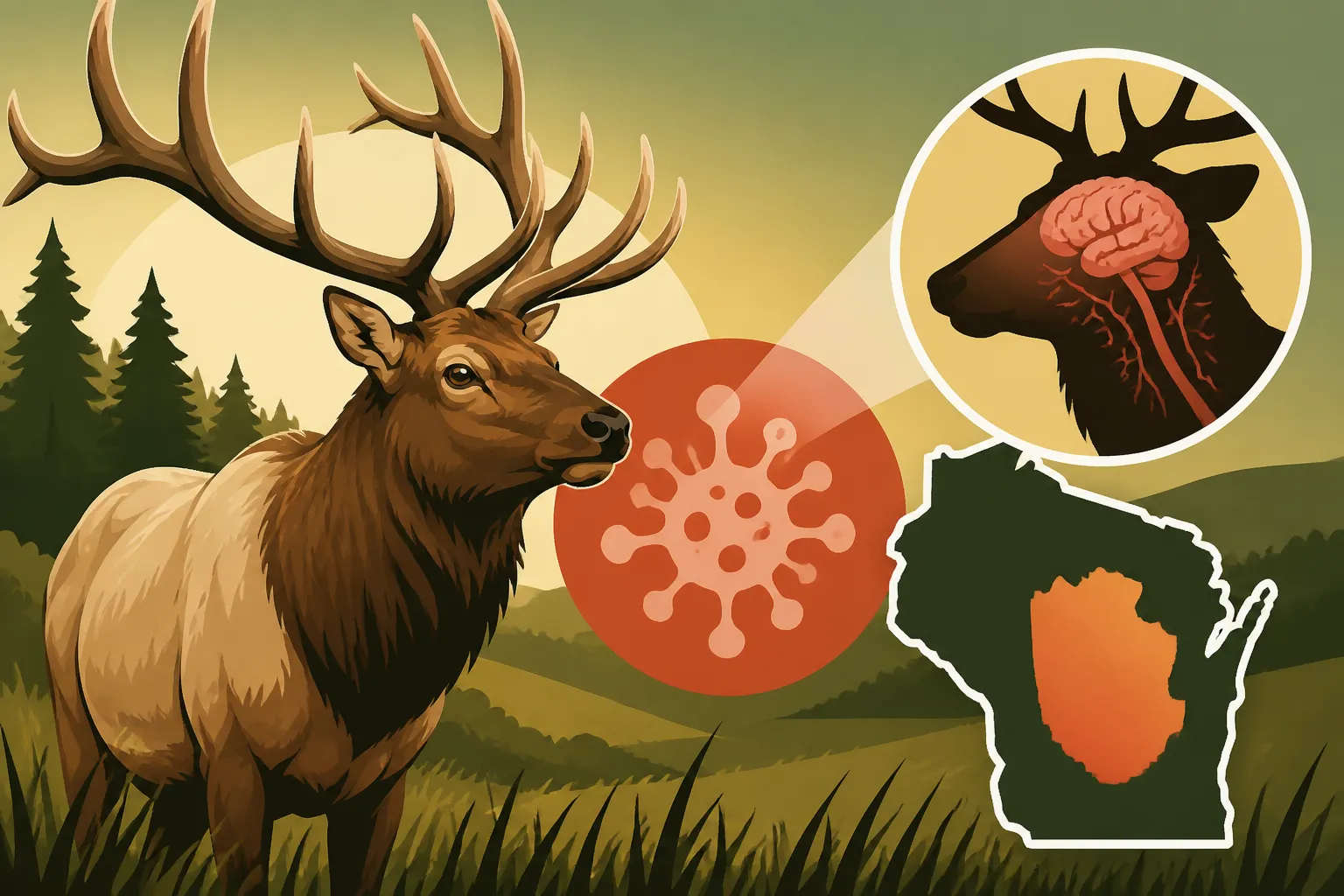
The very thought of Chronic Wasting Disease (CWD) is enough to send a shiver down any Wisconsin hunter's spine. We've seen the struggle it presents for our deer herd, the changes it forces on management, and the constant worry it casts over our woods. But imagine that threat extending to our majestic, recovering elk herds – the magnificent animals that symbolize such a monumental conservation success story in our state. The risk is real, and understanding how CWD could impact Wisconsin's elk is crucial for every hunter, conservationist, and wildlife enthusiast who cherishes these animals. This guide dives deep into that concern, exploring what CWD is, why it's a threat, and what's being done to protect our elk from this insidious disease.
Understanding CWD and its Threat
Let's face it, CWD is a scary topic because it's so mysterious and, frankly, so devastating. It's not like other diseases we can treat or vaccinate against; it's a slow, progressive neurological illness that, once established, is incredibly difficult to eradicate. For a state like Wisconsin, which has poured so much effort into bringing back its elk, the idea of CWD entering those herds is a nightmare scenario.
What is Chronic Wasting Disease?
Chronic Wasting Disease is part of a family of diseases known as transmissible spongiform encephalopathies (TSEs), which also includes scrapie in sheep and mad cow disease in cattle. What makes CWD unique is that it affects cervids – deer, elk, and moose. It's caused by an abnormal protein called a prion, not a bacteria or virus. These prions accumulate in the brain and nervous tissue, causing a spongy degeneration that leads to severe neurological symptoms.
The terrifying thing about CWD is its insidious nature. It doesn't strike quickly like an acute illness. Instead, it slowly takes hold, sometimes for years, without any outward signs. During this long incubation period, an infected animal might look perfectly healthy, yet it's silently shedding infectious prions into the environment. Eventually, the disease manifests with clinical signs like drastic weight loss (wasting), stumbling, drooling, excessive thirst, and a general lack of awareness. There is no vaccine, no treatment, and it is always fatal.
Once these prions are shed, they're incredibly resilient. They can persist in the soil for years, possibly even decades, remaining infectious. This environmental persistence is one of the biggest challenges in managing CWD, making it incredibly difficult to contain or remove from an affected area. It's a permanent stain on the landscape, capable of infecting new animals long after the original carrier is gone.
How CWD Spreads in Deer Populations
The primary way CWD spreads is through direct animal-to-animal contact, but indirect contact plays a massive role too. When an infected deer sheds prions through saliva, urine, feces, or even decaying carcasses, those prions contaminate the environment. Other deer then pick them up by grazing on contaminated forage, licking contaminated soil, or drinking from tainted water sources.
Congregation points are major hotspots for CWD transmission. Think about bait piles, mineral licks, or even areas with natural food sources where deer gather frequently. These places become concentrated zones of prion contamination, increasing the likelihood of healthy animals encountering the infectious prions. This is why many states, including Wisconsin, have implemented Wisconsin Baiting and Feeding Bans in affected areas – to reduce these high-contact opportunities. Hunters, unknowingly, can also contribute to the spread by moving infected carcasses, gut piles, or other deer parts from a CWD-positive area to a CWD-negative one.
The persistence of prions in the environment is a game-changer. It means that even if every single CWD-infected deer in an area were removed, the ground itself could still be infectious. This makes eradication virtually impossible once the disease takes root. It's a long-term problem that requires long-term, sustained management efforts, and frankly, a shift in how we think about deer management in some areas.
The Silent Killer: Why CWD is Such a Concern
The long incubation period of CWD is what makes it so dangerous. An infected animal can appear completely normal for months, even years, while it's actively spreading prions. This means you can't easily identify and remove sick animals early on, allowing the disease to gain a significant foothold before anyone even realizes there's a problem. This "silent phase" makes detection incredibly difficult until the disease is already widespread.
Adding to the concern is the fact that CWD affects the most important game animal in Wisconsin, the white-tailed deer. The sheer numbers of deer, their widespread distribution, and their social behavior create a perfect storm for rapid CWD transmission. While it hasn't been definitively proven to transmit to humans through consumption of venison, public health agencies strongly advise against eating meat from CWD-positive animals. This uncertainty further complicates things for hunters and raises questions about the future of hunting if prevalence rates continue to climb.
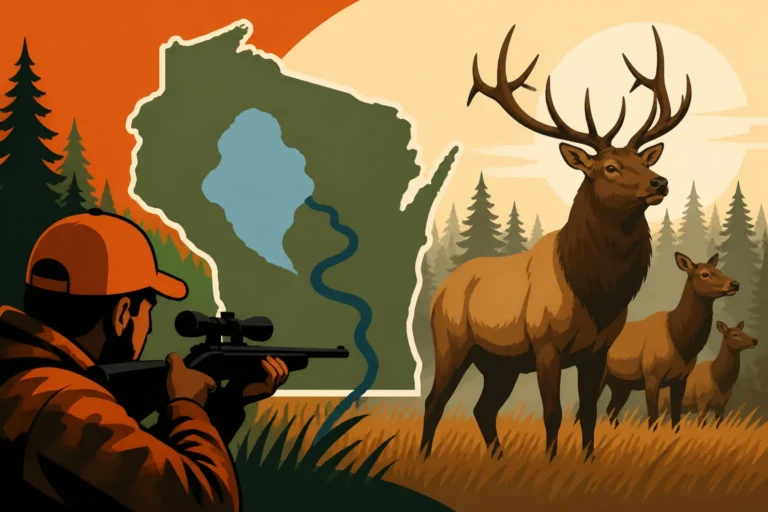
For Wisconsin's elk, the concern is amplified. These herds are relatively small and isolated, making them particularly vulnerable to a disease that could rapidly decimate their populations. Unlike deer, elk are not as numerous, and their reintroduction has been a hard-fought battle. A widespread CWD infection in elk could undo decades of conservation work, leading to tragic population declines and potentially ending hunting opportunities for a generation. The stakes couldn't be higher.
Wisconsin's Elk Recovery and CWD's Shadow
Wisconsin's elk herds are a source of immense pride and a testament to dedicated conservation efforts. From a complete absence for over a century, these majestic animals now roam parts of our state. However, the shadow of CWD, already impacting our deer, looms large over their hard-won recovery.
The Journey of Wisconsin's Elk Herds
The return of elk to Wisconsin is a truly inspiring story. After being extirpated in the 1880s due to habitat loss and unregulated hunting, the first reintroduction effort began in 1995 with 25 elk released in the Clam Lake area of Sawyer County. This initial herd slowly but surely grew, navigating the challenges of adapting to a new environment, dealing with predation, and establishing a stable population. You can read more about How Elk Returned to Wisconsin and the specific details of these efforts.
Over time, this original herd, now known as the Clam Lake Herd, thrived, leading to a second reintroduction effort. In 2015, additional elk from Kentucky were released in the Black River Falls area, establishing the Black River Herd. Today, both herds are growing, and their presence adds an incredible dimension to Wisconsin's wild landscapes. Hunters now have the rare opportunity to participate in a limited Wisconsin's Record Elk Hunt, a dream come true for many. However, the inherent vulnerability of these still-recovering populations makes any significant disease threat, especially one as persistent as CWD, a major cause for concern.
Seeing these animals flourish, witnessing the bugle of a bull elk echo through the northwoods, or catching a glimpse of a cow and calf, makes the thought of CWD infecting them particularly heartbreaking. The state and its partners have invested so much, and hunters have supported these efforts through license purchases and dedicated advocacy. It's a journey that everyone wants to see continue successfully. You can often find opportunities for Elk Viewing in Wisconsin that showcase the success of these programs.
Geographical Proximity: Where CWD and Elk Overlap
Currently, Wisconsin's known CWD-positive areas are primarily concentrated in the southern and central parts of the state, particularly in the Chronic Wasting Disease in Wisconsin endemic area of the Driftless Region and extending into some central counties. The two main elk herds – the Clam Lake Herd in the north and the Black River Herd further south – are generally outside the core CWD endemic zone. However, this doesn't mean they are entirely safe.
The Black River Herd, in particular, is situated in a region that, while not currently a CWD hotbed, is closer to areas where CWD has been detected in deer. Deer movements are unpredictable, and CWD has shown a tendency to slowly but surely spread. It's not a matter of if CWD will expand its geographical range, but when and where. The potential for CWD-positive deer to migrate into or through areas adjacent to elk ranges, or for contaminated carcasses to be moved, represents a clear and present danger to the elk.
While the Clam Lake Herd is further north and seems more isolated from the immediate CWD threat, the continuous expansion of the disease in deer populations across the state is a constant worry. A single CWD-infected deer wandering into an elk zone, or the improper disposal of an infected deer carcass near elk habitat, could be catastrophic. Monitoring these interfaces and understanding deer movement patterns is paramount to protecting the elk.
Lessons from Other States: Elk and CWD
Wisconsin is not alone in facing the CWD challenge, and other states provide sobering lessons about what can happen when CWD infects elk populations. In states like Colorado, Wyoming, and Nebraska, CWD has been found in wild elk for years, and the impact has been significant. In some areas, CWD prevalence rates in elk have climbed, leading to management challenges, altered hunting seasons, and concerns about herd health and recruitment.
For example, some western states have seen localized declines in elk populations where CWD prevalence is high, primarily due to increased mortality rates among adult animals. The disease also affects elk behavior, making them more susceptible to other forms of mortality, like predation or vehicle collisions. This translates directly to reduced hunter opportunities and a less robust, less healthy elk herd overall. The management strategies employed in these states often involve increased harvest quotas in affected areas to reduce population density and slow the spread, a difficult and unpopular decision for many hunters and wildlife managers alike.
These examples underscore the critical need for proactive measures in Wisconsin. We have the advantage of learning from others' experiences, giving us a clearer picture of the potential devastation and motivating us to implement robust prevention and monitoring strategies. The conservation community and hunters in Wisconsin are highly motivated to keep The Clam Lake and Black River Elk Herds free of this devastating disease, making vigilance and smart management absolutely essential.
Mitigating the Risk: Strategies and Hunter Involvement
Protecting Wisconsin's elk from CWD is a multifaceted challenge that requires constant vigilance from wildlife managers and dedicated participation from hunters. It's not just about what the state agencies do; it's about what we, as hunters and conservationists, do every time we step into the field.
Surveillance and Monitoring Efforts
Wisconsin's Department of Natural Resources (DNR) has established a robust CWD surveillance program for both deer and elk. For deer, this involves voluntary hunter submissions for CWD testing, particularly in CWD-affected counties. The program relies heavily on hunters bringing deer heads to designated kiosks or cooperating meat processors. This data helps the DNR track the spread and prevalence of the disease. You can find out more about Wisconsin CWD Testing for Hunters through the DNR's resources.
For elk, the surveillance is even more intense due to their smaller numbers and the high value placed on their health. All hunter-harvested elk are tested for CWD. Additionally, any elk found dead in the wild, whether from natural causes, vehicle collisions, or other incidents, is collected and tested. This comprehensive approach helps ensure that any potential CWD presence in the elk herd is detected as early as possible. Early detection is absolutely critical to implement rapid response measures, potentially saving the entire herd from widespread infection. This involves continuous monitoring in the elk management zones and careful examination of all harvested or deceased animals.
The data collected through these surveillance efforts informs management decisions, from setting harvest quotas to implementing specific regulations in certain areas. It's a dynamic process that adapts as new information becomes available, always with the goal of protecting both our deer and our precious elk. Every hunter who submits a deer head for testing is contributing to this vital effort.
Carcass Transport and Disposal Rules
One of the most effective ways to prevent the spread of CWD is by carefully managing deer carcasses. If you harvest a deer in a CWD-affected county, there are strict rules about what parts you can move out of that county. These rules are in place for a very good reason: to prevent hunters from inadvertently moving CWD prions into uninfected areas, including our elk zones. For comprehensive details, refer to the Wisconsin Carcass Movement Restrictions.
Essentially, certain high-risk parts, such as the brain, spinal cord, lymph nodes, and spleen, are most likely to contain CWD prions. Hunters are generally allowed to transport deboned meat, clean skull plates, antlers, hides, and taxidermy-ready mounts. However, the entire carcass, especially the bone-in head and spinal column, must either remain in the county of harvest, be taken directly to a licensed meat processor or taxidermist within the CWD-affected area, or be disposed of in an approved landfill.
This might seem like a hassle, especially after a successful hunt, but it's a small price to pay for protecting our wildlife. Imagine harvesting a beautiful buck in a CWD-positive county, then driving it whole back to a cabin near the elk range. If that deer was infected, and you dispose of the carcass parts there, you could unknowingly introduce CWD to a brand-new, vulnerable area. It's a critical point of responsibility for every hunter to understand and follow these rules meticulously.
The Hunter's Role in Protecting the Elk Herd
Hunters are, without a doubt, the frontline guardians of Wisconsin's wildlife. Our dedication, our boots on the ground, and our love for these animals make us indispensable partners in CWD management and elk protection. Beyond following carcass transport rules, there's so much more we can do.
First and foremost, be informed. Stay up-to-date on the latest CWD regulations and recommendations from the Wisconsin DNR. Use tools like the GoHunt app or the DNR's online resources to understand CWD zones, submission sites, and any changes in rules. Being knowledgeable ensures you're making responsible choices in the field. If you're planning on Hunting the Wisconsin Northern Forest for Deer or pursuing other game in areas near elk habitat, your awareness is especially vital.
Second, practice ethical and responsible hunting. This includes reporting any sick or unusual-acting deer or elk you observe. While a deer showing CWD symptoms might be rare, reporting it can provide critical early detection data. The DNR has specific channels for reporting sick animals. This vigilance is a key part of the broader effort to monitor animal health across the state. Remember, you might be the first person to spot a potential problem, and your report could make all the difference.
Third, consider submitting your deer for CWD testing, even if you're not in a mandatory testing zone. The more samples the DNR collects, the clearer picture they have of the disease's distribution and prevalence. This data directly helps inform strategies to protect both deer and elk. It's a simple act that has a profound impact on conservation efforts. Finally, avoid baiting or feeding deer, especially in areas where CWD is present or near elk habitat. This practice concentrates animals and facilitates the spread of prions, making our job of keeping the elk healthy much harder.
Here's a quick reference for recognizing CWD symptoms, though remember, many infected animals show no signs for a long time:
| Symptom | Description | Common in Deer? | Common in Elk? |
|---|---|---|---|
| Wasting/Emaciation | Significant weight loss, appearing severely thin despite eating | Yes | Yes |
| Changes in Behavior | Stumbling, lack of coordination, listlessness, altered interaction with others | Yes | Yes |
| Excessive Salivation | Drooling, often with saliva around the mouth and chin | Yes | Yes |
| Difficulty Swallowing | May lead to drooling or food retention in the mouth | Yes | Yes |
| Increased Thirst/Urination | Drinking and urinating more frequently than normal | Yes | Yes |
| Lowered Head/Ears | May appear depressed or unaware of surroundings, head often held low | Yes | Yes |
| Repetitive Walking | Pacing or walking in set patterns | Less Common | Less Common |
| Pneumonia | Aspiration pneumonia can be a secondary complication in later stages | Yes | Yes |
The Future of Wisconsin Elk Hunting with CWD
The specter of CWD in our elk herds is a heavy burden, but it's one we face with determination. The long-term health of these populations, and the cherished hunting opportunities they provide, depend on our collective efforts and adaptability.
Potential Impacts on Elk Management and Harvest
Should CWD ever be detected in Wisconsin's elk herds, the management implications would be profound and immediate. The DNR would likely implement enhanced surveillance measures, potentially increasing mandatory testing, and might consider localized herd reduction strategies to slow the spread, similar to what's been seen in deer management. This could mean increased hunting opportunities in specific areas, or, conversely, highly restricted hunts to protect critical breeding populations if the disease proved devastating.
The current system for Wisconsin Elk Application Rules and harvest quotas would undoubtedly be reevaluated. Management goals might shift from pure population growth to disease containment and herd health maintenance. This could impact hunter preference points and the overall rarity of drawing an elk tag. It's a tough pill to swallow, but these are the hard realities that CWD presents. Our goal, however, remains to prevent this scenario from ever coming to pass, preserving the health and vibrancy of these magnificent animals.
Beyond direct harvest impacts, CWD in elk could also influence public perception and tourism. Elk viewing is a popular activity, and a diseased herd could diminish that appeal. The economic contributions of elk hunting and tourism would also be at risk. It's a cascading effect that touches many facets of rural Wisconsin life and conservation funding.
Maintaining Vigilance and Adapting to the Challenge
The battle against CWD is an ongoing one, a marathon rather than a sprint. For Wisconsin's elk, this means maintaining a high level of vigilance, continuous research, and adapting management strategies as new information emerges. We cannot afford to become complacent. The disease's slow, persistent nature means we must always be on guard, pushing for proactive measures rather than reactive ones.
This adaptation might involve exploring new technologies for detection, refining carcass disposal methods, or even studying elk behavior more closely to identify potential risk factors unique to their ecology. It also means consistent education for hunters and the general public. The more people understand CWD, its transmission, and the importance of responsible practices, the stronger our defense will be. This is a challenge that demands continuous learning and collaboration from all stakeholders. For example, knowing When Elk Were Reintroduced at Clam Lake and their initial challenges helps us appreciate how much more we need to protect them now.
The DNR, with input from hunters and conservation groups, will continue to make tough decisions, always with the best available science and the long-term health of the elk in mind. Our role as hunters is to support these efforts, understand the reasoning behind regulations, and be part of the solution.
Hope on the Horizon: Research and Future Solutions
While CWD presents a formidable challenge, there is hope. Scientists around the world are actively engaged in research to better understand prions, CWD transmission, and potential solutions. Studies are exploring everything from improved detection methods in live animals to ways of deactivating prions in the environment. Genetic research is also underway to identify if some cervids have natural resistance to the disease, which could eventually play a role in selective breeding programs to enhance herd immunity.
Here in Wisconsin, researchers are contributing to this global effort, often in collaboration with universities and federal agencies. While a "cure" for CWD might be a distant dream, advancements in management techniques, a deeper understanding of prion ecology, and the development of new tools offer glimmers of hope. Organizations and platforms like GoHunt that provide updated regulatory information and biological insights can be valuable resources for hunters to stay informed about these developments and contribute to the conversation.
Ultimately, the future of Wisconsin's elk herd in the face of CWD depends on our collective resolve. It's a reminder that conservation is never truly "finished." It's an ongoing commitment, a promise to future generations that we will protect these incredible animals and the wild places they call home, ensuring that the bugle of the bull elk continues to echo through our northwoods for years to come.
Disclaimer
This article is for general informational purposes only and does not constitute professional advice. Laws, prices and regulations vary by location and change over time. Consult a qualified professional for guidance on your specific situation.