Wisconsin Wildlife Disease Monitoring
For hunters in Wisconsin, the health of the deer, turkeys, and other game we pursue isn't just about successful tags; it's about the vitality of our traditions and the safety of the meat we bring home. It's truly disheartening to see an animal that looks unhealthy, or to worry about what impact widespread disease might have on your hunting grounds. This guide aims to shed light on Wisconsin's crucial wildlife disease monitoring efforts and, most importantly, how you, as a responsible hunter, fit into the picture to help safeguard our cherished wildlife resources.
Why Wildlife Disease Monitoring Matters to Hunters
When we talk about wildlife disease monitoring, it’s not just an academic exercise for biologists behind a desk. It’s a boots-on-the-ground effort that directly impacts every single hunter in Wisconsin. Diseases can decimate populations, change animal behavior, and even make game meat unsafe to consume. For those of us who spend countless hours scouting and preparing, understanding these dynamics is crucial to the future of hunting.
Protecting Game Populations for Future Generations
Imagine putting in the effort, year after year, only to find your favorite hunting spot eerily quiet, or the deer herd noticeably diminished. Diseases can do exactly that. They don't just kill individual animals; they can weaken entire populations, making them more susceptible to harsh winters, predation, or even car collisions. When a disease like Epizootic Hemorrhagic Disease (EHD) sweeps through a localized deer population, you might see a significant drop in deer numbers, especially mature bucks and does, which can take years for the herd to recover from.
This monitoring isn't just about counting sick animals; it's about providing the data that wildlife managers use to make informed decisions. When they understand the prevalence and spread of diseases, they can adjust antlerless quotas, special hunts, or even season lengths to help a struggling population recover. It's a proactive approach to ensure that our children and grandchildren will still have robust, healthy game populations to hunt, just as we do today. Without monitoring, we'd be flying blind, and the consequences could be severe for future hunting opportunities.
Ensuring the Health and Safety of Your Harvest
One of the most immediate and personal concerns for any hunter is the health of the animal they harvest. Nobody wants to fill their freezer with meat that might pose a health risk. Wildlife disease monitoring directly addresses this by tracking pathogens that could be transmitted to humans, or simply make the meat unpalatable or unsafe. This is particularly true for diseases like Chronic Wasting Disease (CWD), which, while not definitively shown to infect humans, is still advised against consuming infected meat as a precautionary measure.
Beyond CWD, identifying other health issues in harvested game is important. A deer showing signs of severe emaciation or unusual lesions might be battling a disease, and knowing about regional outbreaks helps hunters make informed decisions about whether to submit an animal for testing or even to pass on a shot if an animal appears visibly ill. Taking careful steps during field dressing, like wearing gloves and minimizing contact with brain and spinal tissue, are also good practices that monitoring efforts reinforce, protecting both the hunter and the quality of the venison.
Key Wildlife Diseases Under Surveillance in Wisconsin
Wisconsin's diverse landscapes host a wide array of wildlife, and with that comes the natural occurrence of various diseases. Some of these diseases are relatively common and cause minimal impact, while others pose significant threats to specific game species and demand rigorous monitoring. As hunters, being aware of the most prominent diseases helps us understand their impact and how we can contribute to their management.
Chronic Wasting Disease CWD – A Persistent Threat
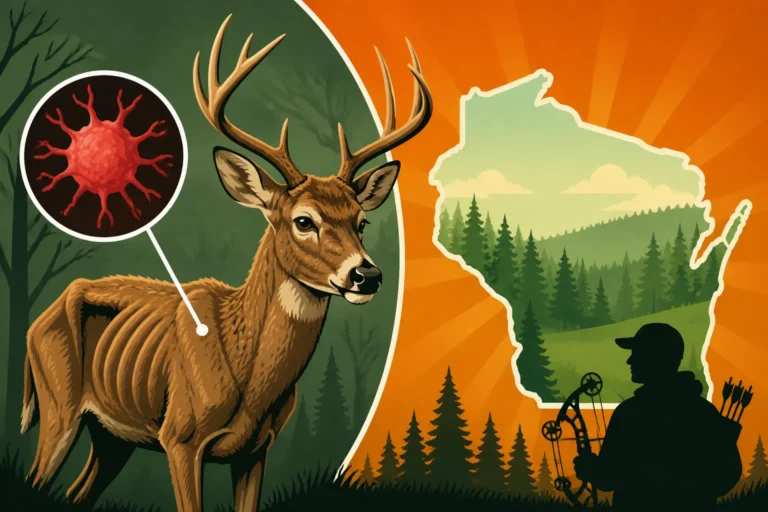
Chronic Wasting Disease (CWD) is perhaps the most talked-about and concerning wildlife disease in Wisconsin, especially for deer hunters. It's a fatal neurological disease that affects cervids, including white-tailed deer, elk, and moose. CWD is caused by abnormal proteins called prions, which slowly damage the brain and nervous system, leading to emaciation, abnormal behavior, and eventually death. The disease is highly contagious and can spread through direct animal-to-animal contact or indirectly through contaminated environments, as prions can persist in soil for years. Learning about Chronic Wasting Disease in Wisconsin is a crucial step for any deer hunter in the state.
The insidious nature of CWD lies in its long incubation period; a deer can be infected for months or even years before showing any outward symptoms. This makes early detection and containment incredibly challenging. For hunters, this means that even a deer that appears perfectly healthy could be carrying the disease. This uncertainty is why robust CWD surveillance, including mandatory or voluntary testing in certain areas, is so vital. Understanding Wisconsin CWD Testing for Hunters and Wisconsin Carcass Movement Restrictions is paramount for helping to control the spread, especially given how Which Wisconsin Counties Have CWD has unfortunately grown over the years. Hunters play a pivotal role by submitting samples for testing and adhering to carcass transport rules to prevent unknowingly spreading prions to new areas.
Other Significant Concerns: EHD, Avian Flu, and Mange
While CWD often takes center stage, several other diseases are closely watched by Wisconsin wildlife officials because of their potential impact on game populations and, sometimes, hunter success. Epizootic Hemorrhagic Disease (EHD) is another significant one for deer. EHD is a viral disease transmitted by biting midges, often called "no-see-ums." It causes fever, internal bleeding, and swelling, leading to death, often near water sources as affected deer seek relief from the fever. EHD Die-Offs in Wisconsin Deer are typically seen in late summer and early fall, particularly during drought conditions, and while outbreaks can be severe and localized, the disease usually doesn't persist through winter. Deer that survive develop immunity, and the disease is not known to affect humans.
Avian Influenza, or bird flu, is a concern primarily for waterfowl hunters and those who interact with wild birds. While often circulating at low levels, certain strains can be highly pathogenic, causing widespread illness and death in bird populations. Hunters are advised to exercise caution when handling waterfowl that appear sick or lethargic, and to practice good hygiene during field dressing. Finally, sarcoptic mange, a parasitic skin disease caused by mites, is commonly observed in furbearers like coyotes and foxes. It causes severe hair loss, skin lesions, and intense itching, often leading to emaciation and death in severe cases. You can read more about Avian Influenza in Wisconsin Birds and Mange in Wisconsin Coyotes and Foxes to be better prepared. While mange doesn't typically pose a direct threat to humans, it can significantly impact the health and fur quality of affected animals. Monitoring these diseases helps wildlife managers understand population health and intervene when necessary to prevent widespread devastation.
The Hunter's Role in Wisconsin's Disease Monitoring Efforts
As hunters, we are often the eyes and ears on the ground, witnessing wildlife behavior and conditions firsthand. This unique position makes us indispensable partners in Wisconsin's wildlife disease monitoring efforts. Our active participation, from reporting unusual observations to submitting samples, provides crucial data that informs management decisions and helps protect our game populations.
Reporting Observations and Submitting Samples
One of the most powerful contributions a hunter can make is simply being observant and knowing when and how to report unusual sightings. If you encounter an animal that appears sick, disoriented, or exhibiting abnormal behavior—such as walking in circles, being unafraid of humans, or having obvious lesions—it's vital to report it. Similarly, finding unexplained dead animals, especially multiple animals in a small area, warrants attention. Don't hesitate to use the contact information provided by the Wisconsin DNR to report these observations. You can learn more about the specifics of Reporting a Sick Animal in Wisconsin. This early warning system, powered by hunters, can sometimes be the first indicator of a new or escalating disease outbreak.
Beyond general observations, deer hunters play a direct and critical role in CWD surveillance by submitting deer heads for testing. In designated CWD-affected areas, the DNR often sets up sampling stations or provides kits for hunters to submit lymph node samples. This data is painstakingly collected and analyzed to track the disease's prevalence and geographic spread. Programs like GoHunt often integrate maps showing current CWD sampling locations and regulations, making it easier for hunters to find the nearest drop-off point. Even if it's voluntary in your area, consider contributing a sample; every test provides a piece of the puzzle that helps protect the herd.
Responsible Practices in the Field and Beyond
Our responsibility extends beyond reporting and sampling; it includes practicing good stewardship to prevent disease transmission. One key area is carcass disposal. Never simply leave deer or bear carcasses where they can be accessed by scavengers, which could potentially spread diseases to new areas. The safest methods often involve burying the carcass on the property where it was harvested, or taking it to a designated landfill. Check the specific Wisconsin Carcass Movement Restrictions for your hunting area, especially if you're taking your harvest across county lines.
Another critical practice is thoroughly cleaning all hunting gear – including boots, clothing, knives, and ATV tires – before moving between different hunting areas, especially if you've been in a CWD-affected zone. Prions can be tough and survive in the environment, so minimizing the chance of mechanically transporting them is important. Finally, understanding and adhering to Wisconsin Baiting and Feeding Bans is absolutely essential. These bans are put in place not to restrict your hunting pleasure, but specifically to reduce unnatural congregation of deer, which dramatically increases the risk of disease transmission, particularly CWD. Good field dressing hygiene is always recommended, and you can pick up some great tips in articles like Field Dressing a Deer in Cold Weather or Handling Bear Meat Safely.
Tools and Resources for Informed Hunters
Staying informed about wildlife diseases and the regulations designed to combat them can feel like a moving target. However, thanks to dedicated state agencies and innovative technology, hunters have more resources than ever to keep up-to-date and contribute meaningfully to conservation efforts.
Leveraging Online Platforms for Information
The Wisconsin DNR website is an invaluable first stop for information on wildlife diseases, current CWD zones, and baiting bans. They provide detailed maps, frequently asked questions, and updates on disease outbreaks. However, navigating government websites can sometimes be a bit clunky. This is where modern hunting apps and platforms like GoHunt really shine. GoHunt often layers essential DNR data onto interactive maps, allowing hunters to quickly visualize CWD zones, carcass disposal sites, and baiting ban boundaries right on their phone or computer. It's an excellent way to see how specific regulations, like those for different Wisconsin Deer Management Zones, apply to the exact parcel of land you're interested in.
Beyond just CWD, these platforms can sometimes provide information on recent EHD outbreaks or other localized wildlife health concerns. Using such a mapping tool can streamline your pre-season scouting, helping you identify areas with specific regulations or where you might need to take extra precautions. For instance, before heading out, checking an app like GoHunt for current conditions and regulations can save you a lot of hassle and ensure you're hunting ethically and legally. Similarly, when you're thinking about Scouting With the Wisconsin Hunt Wild App, remember that many of these digital tools can work together to give you a comprehensive picture of your hunting area.
Staying Up-to-Date on Regulations and Best Practices
Wildlife disease management is a dynamic field; new research emerges, disease fronts shift, and regulations are adjusted accordingly. What was true last season might have changed this year, so it's critical to make an annual check of all relevant regulations part of your hunting preparation. This includes reviewing the current hunting season pamphlets, checking online DNR resources, and even looking at news updates from reliable outdoor publications or platforms like GoHunt. The rules around baiting, for instance, can change quickly if a new CWD positive is detected in a county, creating a Wisconsin Baiting and Feeding Bans situation in that area.
Beyond just regulations, continuous education on best practices for field dressing, meat handling, and disease prevention empowers hunters to be more responsible. Attending hunter safety courses, even if you’re a seasoned veteran, or engaging with educational content found on sites focused on Wisconsin hunting, can reinforce good habits and introduce you to new techniques. Remember, being an informed hunter is not just about knowing where the game is; it's about understanding the entire ecosystem you're a part of. Learning about topics such as Wisconsin Hunter Safety and Mentored Hunting are integral parts of being a responsible steward of our wildlife.
| Disease | Primary Species Affected | Key Symptoms | Transmission Methods | Hunter Actions Recommended |
|---|---|---|---|---|
| Chronic Wasting Disease (CWD) | Deer, Elk, Moose | Emaciation, neurological signs, excessive drooling, abnormal behavior | Direct animal contact, environmental (prions in soil/saliva) | Harvest in affected areas requires mandatory or voluntary testing; adhere to carcass movement restrictions; proper disposal of carcass waste; clean gear between hunting sites. Avoid baiting/feeding in banned areas. |
| Epizootic Hemorrhagic Disease (EHD) | White-tailed Deer | High fever, swelling of head/neck, lameness, often found near water, rapid death | Biting midges (no-see-ums) | Report sick or dead deer to DNR, especially if multiple animals are found; generally no human health risk from consuming meat of healthy-appearing deer from affected areas; avoid areas with active outbreaks. |
| Avian Influenza (Bird Flu) | Waterfowl, various birds | Lethargy, neurological signs, respiratory distress, sudden death | Direct contact with infected birds, contaminated surfaces | Avoid handling visibly sick or dead birds; wear gloves during field dressing; cook game meat thoroughly; wash hands and disinfect gear after handling game birds. Report clusters of dead waterfowl. |
| Sarcoptic Mange | Coyotes, Foxes | Hair loss, crusty skin lesions, intense itching, emaciation | Direct contact between animals | Report severely affected animals to DNR; avoid direct contact with infected animals; proper disposal of carcasses; generally not a significant human health risk, but good hygiene is always recommended. |
Disclaimer
This article is for general informational purposes only and does not constitute professional advice. Laws, prices and regulations vary by location and change over time. Consult a qualified professional for guidance on your specific situation.