How Severe Winters Hit Northern Deer
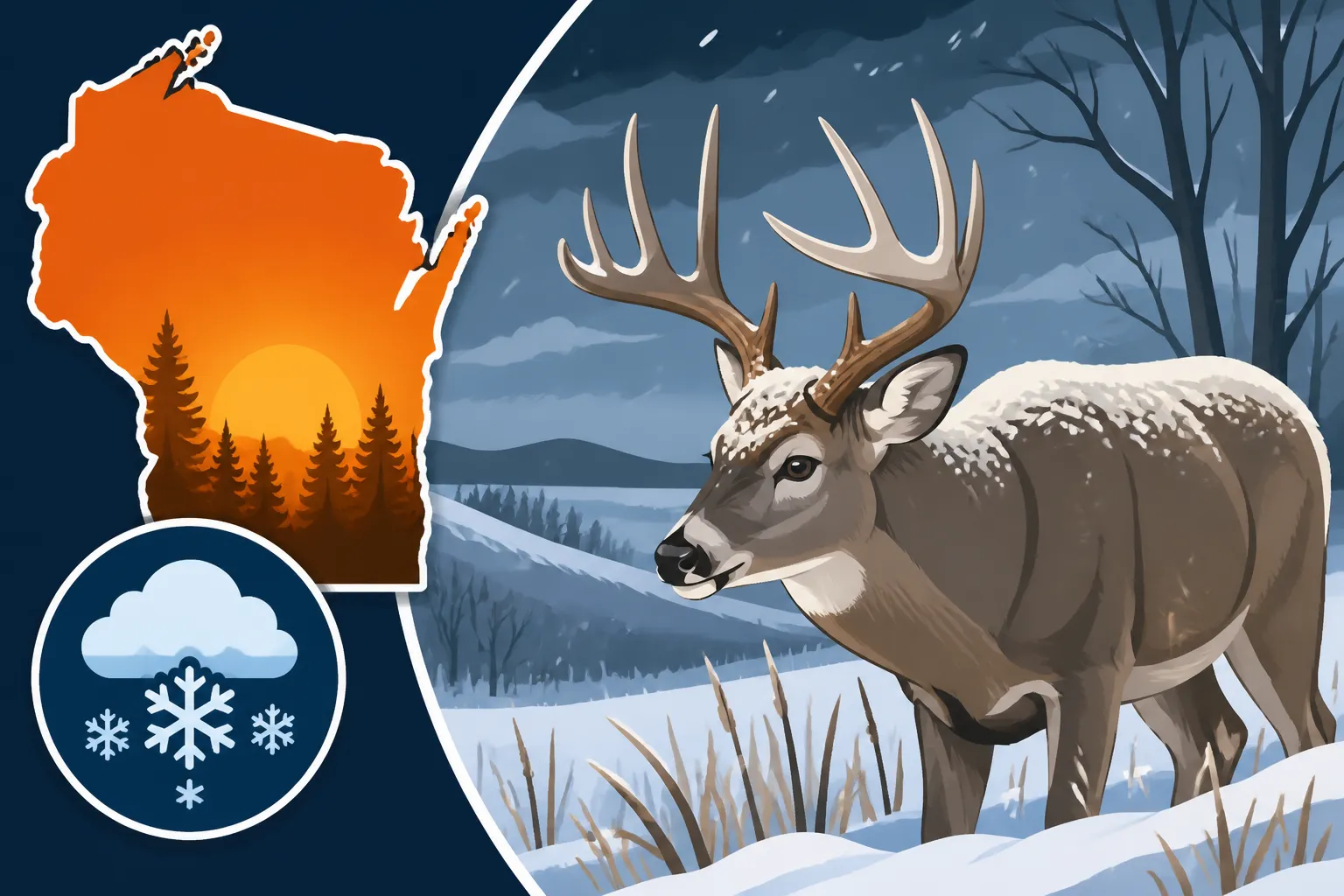
Northern Wisconsin winters are legendary for their beauty, but for the white-tailed deer living within the deep woods, they represent an annual trial of survival. When the snow piles high and the temperatures plummet, deer face immense challenges that can dramatically impact their health and population. This guide will explore the specific ways severe winters hit northern deer, delving into the immediate stresses, long-term consequences, and what these natural events mean for hunters and wildlife management.
The Immediate Battle: Deep Snow and Bitter Cold
Imagine navigating your daily life with snow up to your chest, every step a monumental effort. That's essentially the reality for a northern Wisconsin deer when a severe winter blankets the landscape. The combination of deep snow and relentless cold creates an immediate, life-or-death struggle, testing the limits of even the hardiest whitetails.
Energy Depletion and Movement Restriction
The most obvious impact of heavy snow is the sheer physical effort it demands. When snow depths consistently exceed 18-20 inches, deer must expend an incredible amount of energy just to move. Every step becomes a wade through dense, often crusty, snow that drains their caloric reserves at an alarming rate. This isn't just about escaping a predator; it's about getting from a bedding area to a food source, or simply moving through their established territory. They might try to use deer trails, but even those can fill in quickly, requiring constant re-breaking. This struggle means less time foraging and more energy burned simply existing.
As snow deepens, deer tend to "yard up" or congregate in specific areas, typically dense conifer stands like cedar swamps. These areas offer thermal cover, blocking wind and intercepting snow, creating slightly shallower conditions. While these yards provide some refuge, they also concentrate deer, leading to intensified competition for the dwindling food resources within that confined space. Hunters planning their approach to areas like the Chequamegon-Nicolet National Forest, or other public lands often covered in dense stands, can use mapping tools, like those found on GoHunt, to identify these potential wintering yards during their Scouting Wisconsin Public Land Before Season efforts, though finding deer in these conditions can be exceptionally tough.
Impact of Extreme Cold on Metabolism
Beyond the physical exertion of moving through snow, the bitter cold itself is a relentless enemy. Prolonged periods of sub-zero temperatures, especially when accompanied by wind, force deer to dramatically increase their metabolic rate just to maintain a core body temperature of around 102 degrees Fahrenheit. This is an internal furnace working overtime, constantly burning calories.
Their thick winter coats provide excellent insulation, but even the best wool blanket has its limits. If a deer is already compromised by lack of food or excessive energy expenditure, its ability to generate enough internal heat can be overwhelmed. Fawns are particularly vulnerable here, having smaller body masses and less fat to insulate them. For many, hypothermia becomes a very real threat, eventually leading to death by exposure, even if they manage to find some shelter from the wind. This intense energy drain early in the winter can mean that deer start drawing down their critical fat reserves much sooner than they should, making the later months even more perilous.
Nutritional Strain and Its Devastating Consequences
A deer's ability to survive a harsh northern Wisconsin winter is almost entirely dependent on the fat reserves they've accumulated during the abundant fall months. A severe winter directly assaults these reserves, leading to a critical nutritional deficit with cascading negative effects on their health and the future of the herd.
Scarce Food Resources Under the Snow
When deep snow covers the ground for extended periods, it effectively buries most preferred food sources. Acorns, fallen leaves, forbs, and even the lower branches of palatable shrubs become inaccessible. Deer are forced to rely on what's known as "winter browse," which consists primarily of the twigs and buds of woody plants like dogwood, hazelnut, and even young maples or oaks.
The problem is, much of this woody browse is significantly less nutritious and harder to digest than their preferred summer and fall forage. It lacks the caloric density needed to replace the immense amount of energy they're burning just to stay warm and move. They might be eating constantly, but if the food isn't providing sufficient calories, it's a losing battle. This forces them to dip deeper and deeper into their precious fat reserves. Identifying Late-Season Food Sources for Whitetails that might still be accessible, such as standing conifer needles or the tips of specific woody plants, becomes vital for their survival.
The Lifeline of Fall Fat Reserves
Think of a deer's fall fat reserves as their emergency fuel tank. A healthy deer entering winter will have layers of fat insulating its body and providing a stored energy source for the lean months. This is why a mild fall, or one with a poor mast crop, can be a precursor to a devastating winter, even if the winter itself isn't exceptionally brutal. If deer don't get enough to eat in the fall, they start the winter already behind, with a half-empty tank.
As the winter drags on and food remains scarce, these fat reserves are slowly, then rapidly, depleted. First goes the subcutaneous fat, then fat around the organs, and finally, even the fat in the bone marrow. Once the bone marrow fat is gone, the deer is essentially at the point of starvation. This is a common and tragic end for many deer during severe winters, especially the young, old, or already weakened individuals. Understanding the factors that influence the overall Wisconsin Deer Population Estimate often requires looking at how well deer fared in the preceding fall and winter.
Intensified Competition in Wintering Yards
While wintering yards offer critical thermal cover, they also create a concentrated environment where competition for limited browse becomes fierce. As more and more deer pile into these relatively small areas, the available forage is quickly consumed. Dominant deer – typically older, healthier does and bucks – will push out younger or weaker individuals, denying them access to the best remaining browse.
This social hierarchy, while natural, is brutally efficient at culling the herd during tough times. The weakest deer are forced to the peripheries of the yard, where cover is less dense and food is even scarcer, or they may be driven out entirely. This can lead to increased stress, faster depletion of reserves, and higher mortality rates for those marginalized animals. It also means that even if a hunter finds a yard, the deer inside might already be in a weakened state, highlighting the severe challenge they face. Hunters who use mapping resources like those found on GoHunt can sometimes identify historical yarding areas, but they must remember that these are critical survival zones, not just hunting grounds.
Long-Term Impacts on Deer Population Dynamics
The immediate mortality and stress from a severe winter are just one part of the story. The ripple effects can be felt for years, fundamentally altering the age structure, reproductive success, and overall density of the deer herd in northern Wisconsin. These shifts have profound implications for future hunting seasons and wildlife management.
Fawn Survival and Future Recruitment
Severe winters are particularly devastating for fawns. Their smaller body size means they have less fat storage and a higher surface-area-to-volume ratio, making them more susceptible to cold and starvation. Even if they manage to survive the immediate cold, they are often malnourished and weakened. This directly impacts "recruitment," which is the addition of new deer to the adult population. Following a harsh winter, fawn survival rates can plummet, sometimes by 50% or more.
The long-term consequence of this reduced fawn survival is a significant dip in the deer population count two years down the line when those fawns would have matured. Fewer young deer means fewer future breeders and fewer legal bucks for hunters. The Wisconsin DNR closely monitors these metrics, using methods such as How the DNR Counts Wisconsin Deer, to understand the health and trajectory of the herd, especially in areas with very low Northern Forest Deer Density in Wisconsin.
Reduced Reproductive Success in Does
The does that manage to survive a severe winter often emerge in incredibly poor physical condition. Their bodies have prioritized basic survival, burning through all available resources. This can have direct consequences on their reproductive capabilities in the spring. Malnourished does may experience:
- Lower pregnancy rates: Their bodies might not be healthy enough to conceive.
- Smaller litter sizes: Instead of twinning, which is common in healthy does, they might only carry a single fawn, or none at all.
- Fetal reabsorption: In extreme cases of stress or starvation, a doe's body can reabsorb the developing fetuses to conserve energy, sacrificing future offspring for her own survival.
Even if fawns are born, those from stressed mothers may be smaller, weaker, and have a lower chance of surviving their first few months. This "biological carrying capacity" limitation following a tough winter means the herd's ability to bounce back quickly is severely hampered, influencing future quotas and How Northern Forest Quotas Are Set.
Altered Age Structure and Antler Quality
A severe winter acts as a natural culling mechanism, but it doesn't discriminate based on age or antler size. While fawns are most vulnerable, older, weaker, or injured adult deer are also often casualties. This can lead to a shift in the herd's age structure, potentially reducing the proportion of older, more mature bucks and does.
For bucks, body condition directly impacts antler development. Antlers are a secondary sexual characteristic, meaning their growth is prioritized after the buck's body has met its basic survival and maintenance needs. If a buck spends the winter fighting starvation and cold, his body will allocate resources to survival, not to growing a large rack. Consequently, in the years following a severe winter, hunters might observe a decrease in average antler size and overall antler quality, even among surviving mature bucks. This is a natural reflection of the herd's struggle for recovery. Using detailed public land maps from providers like GoHunt can help hunters visualize areas that might offer better habitat for recovering deer, and therefore potentially better antler quality, over time.
Implications for Hunters and Management Strategies
Understanding the profound impact of severe winters isn't just an academic exercise; it has very real consequences for Wisconsin hunters and how the state manages its deer herd. These natural population fluctuations often lead to adjustments in hunting opportunities and a renewed focus on habitat.
Lower Deer Densities and Tougher Hunting
Perhaps the most tangible impact for hunters is the noticeable decrease in deer densities in the years immediately following a harsh winter. This isn't just anecdotal; it's often reflected in DNR surveys and harvest reports. Fewer deer simply means tougher hunting. You might walk further, sit longer, and see fewer deer moving, especially in the more remote reaches of the northern forests. This can be frustrating, especially for hunters accustomed to more liberal harvest opportunities.
When planning your hunts, especially in the northern zones, it's wise to consider the severity of the previous winter. Resources from the Wisconsin DNR and tools like GoHunt can often provide historical context and current population estimates that help set realistic expectations. Hunters might need to adapt their strategies, focusing more on quality sign and less-pressured areas to increase their chances of success. Understanding your Finding Your Wisconsin Deer Management Unit and its specific history with winter severity is key.
Focusing on Winter Habitat Improvement
Wildlife managers recognize that they can't control the weather, but they can influence habitat to help deer better withstand severe winters. This often translates into management strategies that prioritize and improve wintering areas. Key efforts include:
- Promoting Conifer Regeneration: Encouraging the growth of dense conifer stands (like cedar, balsam fir, and spruce) provides critical thermal cover and intercepts snow, creating those vital yarding areas.
- Strategic Timber Harvests: Carefully planned logging operations can create clearings that promote young, accessible browse (like aspen suckers or maple sprouts) that deer can reach even under moderate snow depths. However, these need to be balanced with the need for mature timber cover.
- Oak Management: Preserving and enhancing oak stands ensures a consistent mast crop, allowing deer to build those crucial fat reserves during the fall, which directly impacts their ability to survive the winter. Hunters might adjust their Hunting Wisconsin Farmland Deer strategies to focus on these types of areas where food sources are more consistent.
Regulatory Adjustments and Hunter Patience
Following a severe winter, the Wisconsin Department of Natural Resources (DNR) often makes regulatory adjustments designed to help the deer herd recover. This typically involves reducing antlerless quotas, which means fewer opportunities for hunters to harvest female deer. The goal is to allow more does to survive and reproduce, boosting the population over time. Hunters might find fewer bonus antlerless tags available, or stricter rules on what they can harvest.
These adjustments can sometimes lead to frustration among hunters who want more liberal seasons, but they are a critical part of sustainable wildlife management. Patience from the hunting community is essential for the long-term health of the herd. Understanding these decisions often requires looking at the broader context of Wisconsin Deer Management Zones and the specific conditions affecting each.
| Factor Affecting Deer | Mild Winter Impact | Severe Winter Impact |
|---|---|---|
| Snow Depth | Minimal | Restricts movement, buries food |
| Cold Stress | Manageable | High energy drain, hypothermia risk |
| Fat Reserves | Maintained | Rapidly depleted, leading to starvation |
| Food Access | Readily available | Buried, poor quality browse only |
| Fawn Survival | High | Very low |
| Doe Reproduction | High twinning rates | Reduced rates, single fawns or none |
| Antler Quality | Good | Stunted, smaller |
| Deer Population | Stable/Growing | Significant decline |
These challenges underscore the delicate balance of nature in Wisconsin's Northwoods. While severe winters are undeniably tough on the deer herd, they are also a natural part of the ecosystem, shaping the resilience and adaptability of these iconic animals. For hunters, it means adapting, understanding, and supporting management efforts that prioritize the long-term health of the resource.
Disclaimer
This article is for general informational purposes only and does not constitute professional advice. Laws, prices and regulations vary by location and change over time. Consult a qualified professional for guidance on your specific situation.