How CWD Spread Across Southern Wisconsin
The insidious creep of Chronic Wasting Disease (CWD) across Wisconsin's southern landscape has been a heartbreaking and frustrating reality for hunters, landowners, and wildlife enthusiasts alike. It’s a challenge that complicates everything from deer management to your annual hunting traditions, making you question the health of the herd you cherish. This guide will meticulously unpack how CWD infiltrated and spread throughout Southern Wisconsin, offering a clear, in-depth understanding of this persistent threat and what it means for the future of deer hunting in our state.
The Alarming Arrival: How CWD First Showed Up
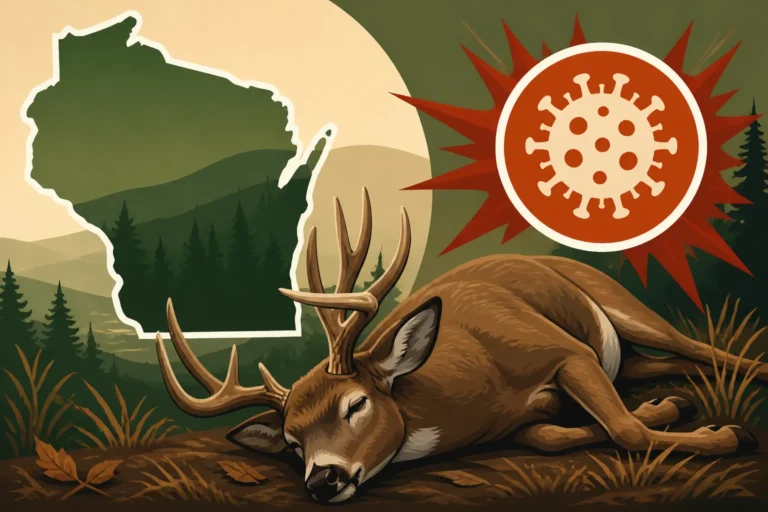
The news hit like a gut punch back in 2002. For years, CWD had been a distant concern, something talked about in other states, primarily Colorado and Wyoming. But suddenly, it was in our backyard, right here in Wisconsin. The initial discovery fundamentally altered the trajectory of deer management and hunting in the state, kicking off an ongoing struggle that continues to shape our strategies today.
The Initial Discovery in Southwestern Wisconsin
The very first confirmation of CWD in Wisconsin came from a cluster of deer found in Mount Horeb, in the heart of southwestern Dane County. Imagine the shock – going from a disease mostly associated with the Rocky Mountains to finding it in the rolling hills and farmland just outside Madison. This wasn't just one isolated case; it was multiple animals. This suggested the disease had been silently circulating for a while, already establishing a foothold before anyone even knew it was present. The initial cases quickly spread to include parts of Iowa County and Rock County, drawing a stark line on the map of where this new, unwelcome guest had decided to reside. The fear was palpable: if it was here, where else might it be lurking, undetected? Hunters, conservationists, and the DNR had to rapidly shift gears from simply monitoring distant outbreaks to containing a very real, very local crisis. This area, with its mix of agricultural land and wooded pockets, offered ideal conditions for deer to interact, potentially accelerating the spread.
Tracing the Early Footprints
Once CWD was confirmed, a massive effort began to understand its prevalence and distribution. The Department of Natural Resources (DNR) initiated extensive testing, asking hunters to submit deer heads for sampling, especially within the established CWD zones. This was crucial for understanding how widespread the disease truly was. The initial data showed pockets of infection, but also highlighted the challenge of accurately mapping a disease that could be present for years before showing clinical signs. The early spread wasn't a neat, linear progression; instead, it seemed to pop up in seemingly disconnected areas. This led to intense speculation and research into how the disease might be moving, beyond just deer-to-deer contact. Factors like deer movement patterns, habitat use, and even human activities were immediately scrutinized. Understanding Where CWD Was First Found in Wisconsin was just the first step; tracking its subsequent movement was an even greater challenge, requiring unprecedented cooperation from the hunting community.
Understanding the Mechanisms of Spread
CWD isn't a simple flu virus; it's caused by prions, misfolded proteins that are incredibly resilient and can persist in the environment for years. This unique characteristic means its spread is multifaceted, influenced by both the natural behaviors of deer and, unfortunately, by human actions that inadvertently aid its dispersion. It’s a complex puzzle, and understanding each piece is vital to appreciating the scale of the challenge.
Natural Deer Movement and Range Expansion
Deer, especially bucks during the rut, are travelers. They follow established trails, cross agricultural fields, and move between woodlots in search of food, water, and mates. This natural movement is arguably the primary engine for CWD's expansion. An infected deer, even one not yet showing symptoms, sheds prions through saliva, urine, and feces. As these deer move through the landscape, they contaminate the soil, vegetation, and water sources. A healthy deer then comes along, ingests those prions, and the cycle continues. Consider a young buck dispersing from its birth area; if that buck is infected, it can introduce CWD to a previously uninfected population miles away. Over time, these individual movements add up, pushing the disease's frontier further and further. The interconnectedness of habitat in southern Wisconsin, with its patchwork of farms and fragmented forests, creates ample opportunity for deer to interact and for prions to accumulate in high-traffic areas like feeding sites or bedding cover.
Human Influence on CWD Dispersal
While deer are certainly responsible for much of the natural spread, human activities have unfortunately played a significant, if unintentional, role in accelerating CWD's reach. One of the most critical factors has been the movement of infected deer carcasses. A hunter might harvest a deer in a CWD-positive county, process it at home in a CWD-free county, and then dispose of the remains (bones, entrails) in a local landfill or even on private land. If that carcass was from an infected animal, those prions can then contaminate new areas. This is why strict Wisconsin Carcass Movement Restrictions were put in place, outlining what parts of a deer can be transported out of CWD zones. Another subtle human vector is the transportation of hay or other agricultural products from contaminated areas. While less direct, it's a reminder of how easily these resilient prions can hitch a ride. The DNR and other agencies have worked tirelessly to educate hunters on these risks, but it remains a constant battle to ensure compliance and awareness.
The Role of Baiting and Feeding
Perhaps one of the most contentious topics in CWD management is the role of baiting and feeding. Hunters often relied on these practices to draw deer in for a shot or simply for observation. However, when deer congregate in high numbers at a bait pile or feeder, the risk of disease transmission skyrockets. Picture it: multiple deer, potentially including infected ones, sharing a limited food source, slobbering, urinating, and defecating in the same small area. This creates a "hot zone" for prion accumulation and direct deer-to-deer contact. The prions, once deposited on the ground, can remain infectious for many years, meaning that even after a bait site is removed, the risk of transmission lingers. This reality is why How Wisconsin Baiting Bans Are Triggered has become a critical management tool, often extending beyond the immediate CWD-positive counties to create buffer zones. While these bans are often met with frustration from hunters, they are a direct response to scientific understanding of how CWD spreads most efficiently when deer are artificially concentrated.
The Ripple Effect Across Southern Counties
The initial discovery in the southwest wasn't an isolated incident that could be simply contained. Instead, CWD began to spread, slowly but surely, into more and more counties, turning what was once a localized concern into a regional crisis for Southern Wisconsin. This expansion has forced a continuous reevaluation of management strategies and brought new challenges to communities reliant on the hunting economy.
Identifying High-Prevalence Areas
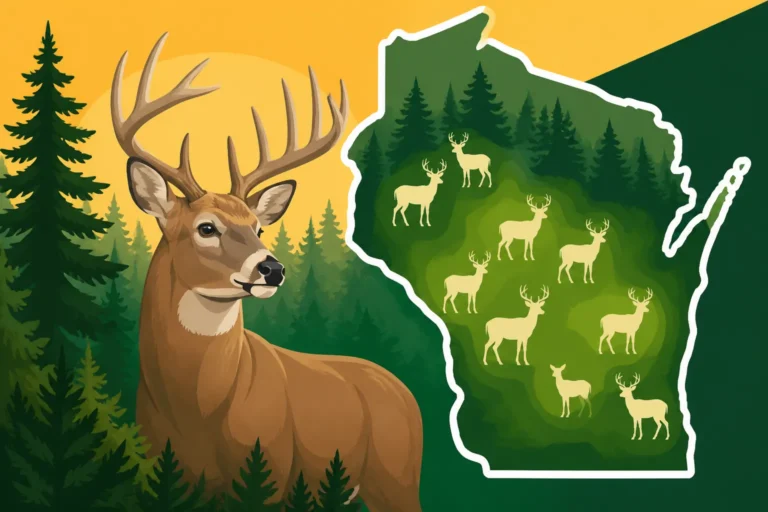
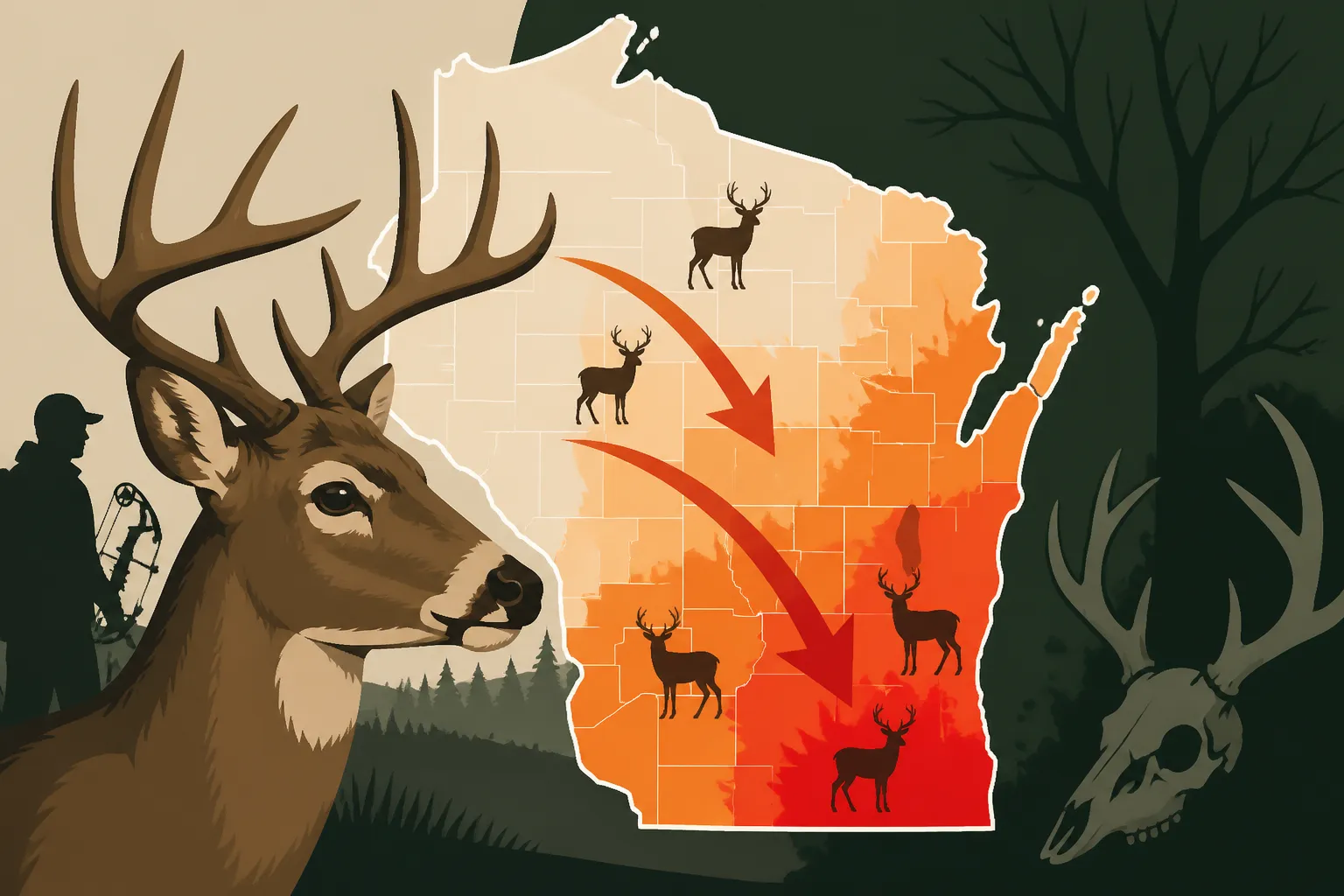
Over the two decades since CWD was first found, persistent monitoring has painted a clear, albeit grim, picture of its spread. The disease has primarily intensified and expanded within the Southwestern CWD Management Zone, encompassing much of Dane, Iowa, Grant, Lafayette, Green, and Rock counties. Within these areas, the prevalence rates can be disturbingly high, especially in mature bucks. For instance, in some parts of Iowa and Dane counties, prevalence rates in adult bucks can be over 40%, and in adult does, it can exceed 20%. These figures are stark and highlight the severity of the challenge. The expansion hasn't been uniform; it often follows river systems and preferred deer habitats, creeping along corridors where deer naturally travel. Understanding Wisconsin CWD Prevalence Rates in these specific areas is crucial for hunters planning their season, as it dictates everything from carcass handling to the decision of whether to harvest a deer. GoHunt's mapping features can be incredibly useful for overlaying CWD prevalence data with public hunting lands, allowing hunters to make more informed decisions about where they choose to pursue deer and what to expect in terms of CWD testing.
CWD's Impact on Hunter Behavior and Management
The relentless spread of CWD has fundamentally altered the hunting landscape in Southern Wisconsin. Many hunters, faced with the prospect of harvesting an infected animal, have become more cautious. Some have reduced their deer harvest, while others have simply stopped hunting in affected areas altogether. This change in hunter behavior can complicate management efforts, as reduced harvest means less opportunity to remove infected animals from the population. The state has responded with adaptive management strategies, including encouraging greater antlerless harvest in CWD zones to reduce deer densities and thus the potential for transmission.
The emotional toll on hunters has been significant. Many feel a deep connection to the land and the deer herd, and the presence of CWD introduces an unsettling uncertainty. The traditional deer camp experience, for some, is now tinged with worry about the disease. This has prompted many to seek out information about Wisconsin CWD Testing for Hunters and to learn about safe meat handling practices. Moreover, the long-standing debate over baiting and feeding has intensified, with hunters in affected counties grappling with regulations designed to curb CWD spread, even if those regulations feel restrictive or counter to tradition.
Collaborative Efforts and Ongoing Challenges
Confronting a disease like CWD demands a united front. The Wisconsin Department of Natural Resources (DNR), alongside various conservation organizations, universities, and individual hunters, has engaged in a continuous battle to monitor, manage, and understand CWD. It's a testament to the resilience of our hunting community, even as frustrations mount.
Monitoring, Testing, and Research Initiatives
The backbone of CWD management in Wisconsin is a robust system of monitoring and testing. Each year, thousands of deer heads are submitted by hunters across the state for CWD testing. These efforts are particularly concentrated in the CWD-affected regions of Southern Wisconsin. The DNR sets up Where to Find a Wisconsin CWD Kiosk at various locations, making it convenient for hunters to drop off samples. This data is invaluable; it helps track the disease's progression, identify new areas of concern, and evaluate the effectiveness of management strategies. Beyond simple testing, Wisconsin's universities and research institutions are at the forefront of CWD research, exploring everything from prion detection methods to potential vaccines (though a vaccine remains a distant hope). They investigate CWD Risk to the Wisconsin Elk Herd and other species, and study how CWD prions persist in the environment and how they are transmitted. This scientific dedication is critical because CWD is an evolving challenge, and our understanding of it must evolve too.
Hunter Participation in Management Strategies
The success of any CWD management plan hinges significantly on hunter cooperation. Hunters are truly the frontline in this fight. Their willingness to submit deer for testing provides the essential data needed to understand the disease's landscape. Furthermore, complying with carcass movement restrictions, participating in targeted antlerless harvest initiatives, and adhering to baiting and feeding bans are all crucial actions. While these measures can sometimes feel burdensome or restrictive, they are designed to protect the very resource hunters cherish. Many hunters actively engage in discussions with their County Deer Advisory Councils (CDACs), voicing their concerns and contributing to localized management decisions, such as setting How Farmland Zone Quotas Are Set. Organizations like the Wisconsin Conservation Congress also play a vital role in advocating for science-based management policies and communicating the importance of hunter involvement.
Adapting Your Hunting Strategy in CWD Zones
Hunting in a CWD-affected area can feel daunting. The worries about the health of the herd and the safety of venison can cast a shadow over what should be an enjoyable experience. However, with a proactive mindset and a commitment to best practices, you can continue to enjoy hunting in Southern Wisconsin while doing your part to manage CWD.
Best Practices for Hunters in Affected Areas
If you're hunting in a county where CWD is present, especially in high-prevalence areas, adopting certain best practices is non-negotiable. First and foremost, get your deer tested. It's the only way to know if the animal you harvested is positive. The DNR provides easy access to testing and information on Wisconsin CWD Testing for Hunters. If your deer tests positive, consider proper disposal of the carcass in a landfill or designated collection site, and do not consume the meat. Second, practice safe carcass handling: wear gloves, minimize contact with brain and spinal cord tissue, and thoroughly clean knives and surfaces with a bleach solution. Third, adhere strictly to all baiting and feeding bans. These regulations are in place for a reason – to reduce deer congregation and thus the potential for CWD transmission. Finally, consider helping to manage deer populations by harvesting antlerless deer, particularly in areas identified for herd reduction. This can help lower overall deer densities, which is a key component of slowing CWD spread.
Scouting and Planning with CWD in Mind
Your scouting and hunt planning might need a fresh perspective when hunting in Southern Wisconsin's CWD zones. Instead of solely focusing on finding the biggest buck, you might also factor in herd health. Utilize resources like the DNR's CWD prevalence maps, which can often be integrated into digital scouting tools like GoHunt to identify areas with higher or lower prevalence rates within your desired hunting grounds. This can help inform your decision-making. When scouting, pay attention to signs of deer illness, although CWD-infected deer can appear perfectly healthy for a long time. Consider hunting properties that have historically low prevalence rates if that information is available through local CDACs or long-term testing data. Also, when thinking about Hunting Deer Without Bait in Wisconsin, focus on natural food sources, bedding areas, and travel corridors, which is a more sustainable and disease-conscious approach. This type of thoughtful planning, leveraging all available data and tools, empowers you to be a more effective and responsible hunter in the face of CWD.
Disclaimer
The information provided in this article is for general guidance and informational purposes only. Hunting regulations, CWD management zones, and prevalence rates are subject to change. Always consult the most current Wisconsin Department of Natural Resources (DNR) regulations and guidelines before planning any hunting activities. Hunters are responsible for understanding and adhering to all applicable laws and regulations.