When Wisconsin Bucks Shed Antlers
Every year, as the crisp days of the rut give way to the deep chill of a Wisconsin winter, deer hunters across the state start wondering: when will those hard-earned antlers finally hit the snow? It’s a question that sparks countless debates at deer camp and drives us out into the frozen woods, searching for those shed treasures. This guide is here to unravel the mystery of antler shedding, offering insights into the factors that influence when Wisconsin bucks drop their headgear and how you can maximize your chances of finding them.
The Biology Behind Antler Shedding in Wisconsin Bucks
Understanding why antlers are shed is the first step to knowing when it happens. It's a fascinating biological process, intricately linked to a buck's hormonal cycle and overall health. It’s not just a random event; it's a precise, annual cycle driven by internal chemistry.
Hormonal Shifts and the Annual Cycle
The journey of antler shedding begins long before the actual drop, kicking off with the peak of the rut, typically in November. During the rut, a buck's testosterone levels are at their absolute highest, fueling their aggressive behavior, breeding drive, and keeping their antlers firmly attached. However, once the breeding season winds down, often around late November or early December, those testosterone levels begin to plummet dramatically. This drop in testosterone is the primary trigger for antler shedding.
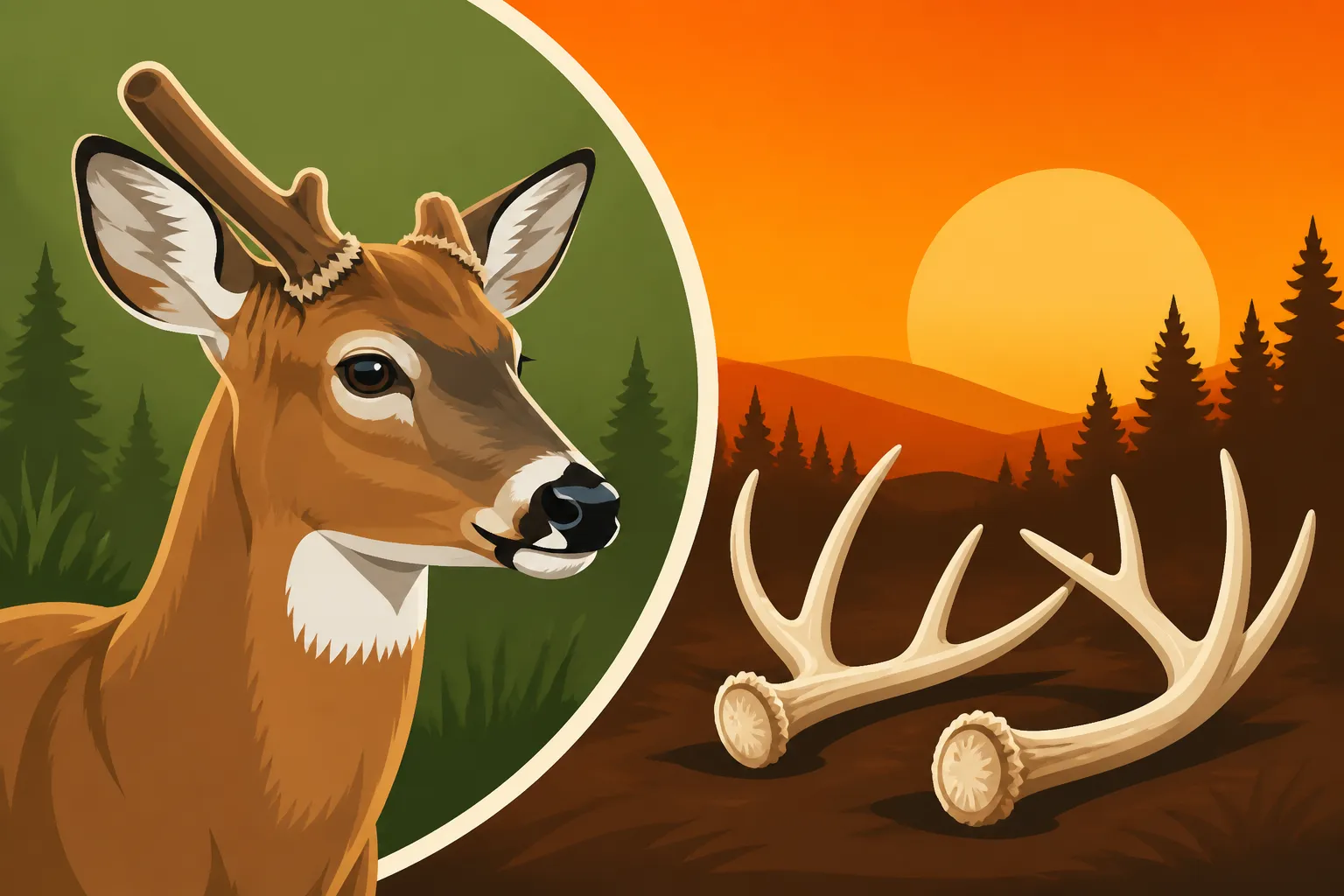
As testosterone levels decline, a specialized layer of cells called osteoclasts begins to resorb the bone tissue at the pedicle – the attachment point between the antler and the skull. Think of it like a natural weakening of the connection, slowly dissolving the bond. This process typically takes a few weeks, making the antler unstable until it eventually detaches. It's a completely natural and painless process for the deer, essentially preparing them for a fresh set of antlers to grow in the spring. If you’ve ever wondered why bucks are so focused during the rut, know that their entire hormonal system is geared toward this critical time. For more on this, check out our piece on The Wisconsin Rut in November.
Impact of Buck Age and Health
While the hormonal shift is universal, individual factors like a buck's age and overall health play a significant role in determining the exact timing of the drop. Generally speaking, older, more mature bucks, especially those that exerted a tremendous amount of energy during the rut defending does and chasing rivals, tend to shed their antlers earlier than younger bucks. Their bodies are simply more depleted, leading to a quicker decline in testosterone and thus, an earlier shedding process.
Conversely, yearling bucks (1.5 years old) or younger bucks might hold onto their antlers longer. Their bodies haven't been subjected to the same intense demands of the rut, and their hormonal drop may be less pronounced or delayed. However, this isn't a hard and fast rule. A very healthy, well-fed older buck in a low-stress environment might actually hold his antlers longer than a young buck struggling with poor nutrition or high stress. The overall condition of the deer, reflective of the resources available in its habitat, is a key determinant. Understanding the Wisconsin Buck Age Structure can give you further insights into these dynamics.
Typical Timeline for Antler Drop in Wisconsin
So, when can you expect to start finding those coveted sheds on the forest floor? The short answer is: it varies! While there's a general window, Wisconsin's diverse landscapes and deer populations mean you'll find a range of dropping times.
Early Droppers and Late Holders
The vast majority of Wisconsin bucks will shed their antlers between late December and late March. However, within this broad window, there are definite patterns. Some bucks, often older and rut-weary animals, might start dropping as early as late December or early January. These "early droppers" are usually the exception rather than the rule, but finding a December shed is certainly a thrilling start to the winter. For many hunters, the peak of shedding activity typically occurs from mid-January through mid-February. This is when the bulk of Wisconsin's buck population will be letting go of their headgear.
Then you have the "late holders." These bucks, sometimes younger animals or those that experienced a less intense rut and remained in excellent physical condition, can hold their antlers well into March, and sometimes even into April. It's not uncommon to see a buck in April with both antlers still intact, though by then they are usually quite loose. I've personally seen bucks in May still carrying one side, which is certainly a rare sight! If you're using a mapping app like GoHunt to track historical buck movement, you might notice patterns that can hint at early or late shedding tendencies in specific areas.
Regional Differences Across Wisconsin
Wisconsin is a state of varied habitats, and these regional differences can absolutely influence when bucks shed. In the northern forest zones, where winters are often longer and more severe, and food resources can be more scattered, bucks tend to shed earlier. The harsher conditions put greater stress on their bodies, accelerating the post-rut recovery process and the associated hormonal drop. Deer in these northern counties, where Northern Forest Deer Density in Wisconsin can be lower, rely heavily on their fat reserves, and those reserves can be quickly depleted.
Contrast this with the agricultural regions of southern Wisconsin or the fertile river bottoms of the Driftless Area. Here, access to abundant food sources like leftover corn, alfalfa, or even food plots often means bucks are in better post-rut condition. This improved nutrition can allow them to hold their antlers longer. You might find that bucks in the rich farmland of the southern counties or the complex terrain of the Driftless Area Deer Hunting in Wisconsin hold their antlers a bit later into the winter season, potentially pushing peak shedding into late February or early March. It's all about how well the deer can recover and sustain themselves after the exhausting rut.
Factors Influencing When Bucks Shed Their Antlers
Beyond the basic biology, several environmental and external factors play a significant role in fine-tuning the antler shedding timeline. These can cause variations from year to year, or even from one property to the next.
Nutrition and Food Availability
One of the most critical factors influencing antler drop is a buck's nutritional status. The rut takes a massive toll on a buck's body. They lose significant weight, deplete fat reserves, and are generally run down. After the rut, their body immediately goes into recovery mode, trying to rebuild those reserves. If quality food sources are abundant and easily accessible, the buck can recover more quickly and efficiently. This robust nutritional intake often allows them to retain their antlers for a longer period.
However, if food is scarce, or of poor quality, the buck's body must prioritize survival. Holding onto antlers, which are essentially bone structures, becomes a lower priority. In such scenarios, the body will accelerate the shedding process to conserve energy and direct resources towards essential survival functions. For instance, a year with an Hunting After an Acorn Failure might see earlier antler drops across a broad area, as deer struggle to find high-energy food. Conversely, areas with consistent Late-Season Food Sources for Whitetails, like standing corn or well-maintained food plots, might observe bucks holding their antlers longer.
Weather Extremes and Winter Severity
The severity of winter weather can also have a profound impact on when bucks shed. Prolonged periods of extreme cold, deep snow, and icy conditions force deer to expend more energy to simply stay warm and move through their habitat. This increased energy expenditure, combined with potentially limited access to food under deep snow, creates significant stress. When a buck is under severe winter stress, its body often responds by shedding antlers earlier to conserve vital energy. The body signals that it's time to lighten the load and focus on survival.
A mild winter, on the other hand, can lead to bucks holding their antlers longer. With less energy required for thermoregulation and easier access to whatever food is available, the deer's overall condition remains better. This reduces the physiological stress that triggers earlier shedding. So, if you're wondering about the timing for a particular year, consider the early winter conditions. A harsh November and December could mean earlier shedding, whereas a mild one might push the timeline back. Our article on How Severe Winters Hit Northern Deer delves deeper into how these conditions affect the overall deer herd.
Hunting Pressure and Stress
The psychological and physical stress caused by hunting pressure can also influence antler drop. Bucks that have been heavily pursued during the archery, crossbow, or gun seasons might experience elevated stress levels. Constantly being on edge, moving more than usual to avoid hunters, and having their normal routines disrupted can contribute to a compromised physical state after the rut. A buck that has been "run ragged" during the rut and then continues to be pressured into late December or January might shed earlier than a buck that has been left undisturbed.
Think about a heavily hunted piece of public land versus a quiet, private sanctuary. Bucks in high-pressure areas may exhibit different shedding patterns due to this chronic stress. While the direct link isn't as clear-cut as nutrition or weather, the cumulative effect of stress can certainly contribute. Using mapping tools like GoHunt can help you identify areas of high and low hunting pressure, which might offer clues to local shedding patterns. Observing post-season buck behavior, such as deer moving more cautiously or spending less time in open areas, might indicate higher stress levels that could precede an earlier drop. Understanding how Hunting Pressure on Wisconsin Public Land affects deer can provide further context.
Finding Shed Antlers: Tips for Wisconsin Hunters
Now that you understand the "why" and "when," let's talk about the "how." Shed hunting is a fantastic way to extend your time in the woods, learn more about deer movement, and maybe even find a piece of a buck you recognized during the season.
When and Where to Start Your Search
The prime time for shed hunting in Wisconsin usually begins in mid-January and extends through March. However, don't rush it too much. If you go out too early, before many bucks have dropped, you risk pushing deer off the property, potentially causing them to drop their antlers elsewhere. A good rule of thumb is to wait until about 75% of the local bucks have likely shed. This often coincides with periods after significant snowmelt, which makes finding sheds much easier. Keep an eye on local buck sightings; if you start seeing a lot of bucks with only one antler or no antlers, it's a good sign to start hitting the woods.
When it comes to where to look, focus your efforts on areas where deer spend the most time recovering and feeding after the rut. This means:
- South-facing slopes: These areas receive more sunlight, melt snow quicker, and offer warmer bedding sites during cold winter days.
- Food sources: Check crop fields (especially corn and beans), food plots, natural browse areas, and oak ridges where acorns might still be present. Deer will spend a lot of time feeding to regain lost weight.
- Bedding areas: Look in thick cover – cedar swamps, dense conifer stands, brushy clearcuts – where deer seek shelter from wind and cold. Check the fringes and trails leading into and out of these areas.
- Travel corridors: Deer often drop antlers when jumping fences, crossing creeks, or navigating dense brush along established trails. The impact can jar a loose antler free.
- Pinch points and funnels: Areas where deer naturally congregate or are forced into narrower pathways.
Scouting these areas during the late archery season can give you a head start for finding sheds, as you'll already have an idea of where deer are concentrating. Our article on Shed Hunting on Wisconsin Public Land offers more location-specific advice.
Tools and Tactics for Successful Shed Hunting
Successful shed hunting isn't just about walking around aimlessly; it's a strategic endeavor that benefits from the right tools and a smart approach. Here’s what you’ll need and how to make the most of your time:
| Tool/Tactic | Description | Why It Helps in Wisconsin |
|---|---|---|
| Good Boots | Waterproof, insulated boots suitable for walking long distances in snow, mud, and uneven terrain. | Essential for comfort and warmth during long treks in varied winter/spring conditions. |
| Binoculars | 8x or 10x magnification for scanning distant areas and thick cover. | Saves countless steps by allowing you to distinguish sheds from sticks or rocks from afar. |
| Mapping App (GoHunt) | A reliable GPS mapping app on your phone with aerial imagery, property lines, and tracking features. | GoHunt allows you to mark potential spots, track your route, and navigate public/private land. |
| Backpack | To carry water, snacks, extra layers, and, hopefully, your finds! | Stay hydrated and prepared for hours in the woods, with room for sheds. |
| Walking Stick/Trekking Poles | Aids balance on uneven ground, helps push apart brush, and can be used to poke at suspicious objects. | Especially useful in the hilly Driftless or thick northern woods. |
Tactics:
- Grid Search: Don't just wander. Pick an area and systematically walk it in a grid pattern. This ensures thorough coverage and prevents you from missing spots.
- Go Slow and Scan: Resist the urge to rush. Walk slowly, constantly scanning ahead and to the sides. Antlers can blend in incredibly well with leaves, sticks, and snow. Use your binoculars regularly.
- Focus on Contrast: Look for the subtle curve of an antler or a lighter color against the darker forest floor.
- Follow Trails and Beds: Pay close attention to deer trails, especially where they enter or exit thick bedding areas, cross fencelines, or navigate dense cover. Deer often jostle a loose antler free in these spots.
- Look for Buck Sign: Fresh rubs from the previous fall, old scrapes, and large tracks can indicate areas that were frequented by mature bucks. Our article on Scouting Wisconsin Public Land Before Season provides excellent year-round tips for finding these key spots.
- Weather Conditions: A light dusting of snow that has melted off everything but the sheds can be a dream scenario, making sheds pop against the white. Overcast days are also better than bright, sunny days for reducing glare and eye strain.
- Bring a Friend or a Shed Dog: A partner can help cover more ground and spot sheds you might miss. A well-trained shed dog can be an absolute game-changer, using their superior nose to find sheds buried in leaves or light snow.
- Respect Private Land: Always obtain permission before shed hunting on private land. Just like hunting, trespassing for sheds is illegal and gives all hunters a bad name. Utilize mapping apps like GoHunt to clearly identify property boundaries.
Shed hunting is a rewarding pursuit that connects you deeper to the deer herd and the land. Even if you don't find a monster, every walk in the winter woods offers a chance to observe nature and learn something new. Good luck out there, and happy shed hunting!
Disclaimer
This article is for general informational purposes only and does not constitute professional advice. Laws, prices and regulations vary by location and change over time. Consult a qualified professional for guidance on your specific situation.