Whether Wisconsin Will Hunt Sandhill Cranes
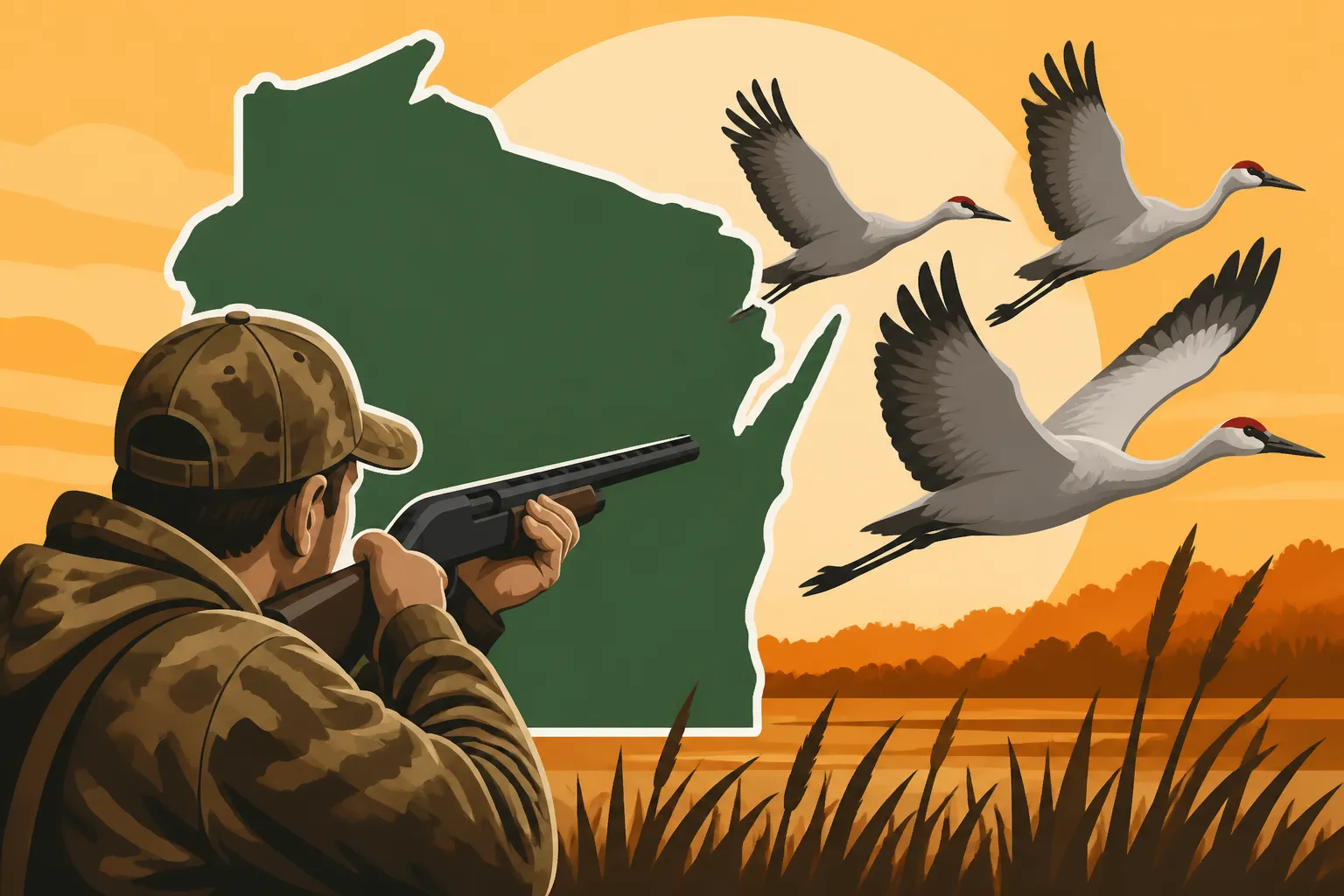
Many Wisconsin hunters have watched with a mix of awe and anticipation as the sandhill crane population has blossomed across the state. These magnificent, vocal birds are a testament to conservation efforts, but their growing numbers also spark a frequent question: when will Wisconsin open a hunting season for sandhill cranes? It's a complex issue, steeped in biology, public opinion, and regulatory hurdles, and it’s a conversation that has been ongoing for years, leaving many wondering what the future holds for these elegant birds and the hunters who wish to pursue them. This guide will delve into the current status of sandhill cranes in Wisconsin, explore the ongoing debate about a hunting season, and shed light on the challenges that stand in the way.
The Resurgence of Sandhill Cranes in Wisconsin
The story of the sandhill crane in Wisconsin is nothing short of a conservation triumph. These iconic birds, with their distinctive trumpeting calls, were once on the brink of extirpation from the state. Years of unregulated hunting and habitat loss pushed them to dangerously low numbers, with only a handful of nesting pairs remaining in Wisconsin by the early 20th century. Thanks to dedicated efforts in habitat restoration, legal protection, and public awareness, their population has rebounded dramatically, spreading across much of the state.
A Conservation Success Story
The comeback of the sandhill crane began in earnest during the mid-20th century. Conservationists, state agencies, and private landowners worked tirelessly to protect and restore the wetland habitats that are crucial for crane nesting and foraging. Wetlands were drained historically for agriculture, leading to significant habitat loss, but as awareness grew, many of these vital ecosystems were either protected or actively restored. Strict legal protections against hunting also allowed the remaining small population to slowly rebuild. It took decades of consistent effort, but the results are clear: what was once a rare sight is now a common, welcome presence across Wisconsin's landscape. These efforts exemplify how focused conservation can bring a species back from the brink, providing a powerful lesson in ecological stewardship.
Current Population and Distribution
Today, sandhill cranes are a widespread and thriving species in Wisconsin. Their numbers have grown to a point where they are frequently seen in agricultural fields, wetland complexes, and even suburban areas. You can hear their unforgettable calls ringing through the air in spring, summer, and fall, a stark contrast to the silence that once dominated their former haunts. They utilize everything from expansive wild marshes to smaller pockets of wetlands interspersed with cornfields, demonstrating their adaptability. While accurate population counts for such a widely dispersed bird can be challenging, state biologists generally agree that the Wisconsin population is robust and healthy, easily meeting the criteria for a stable or growing population. This success story is part of a larger pattern for the species, as Sandhill Cranes Across Wisconsin Wetlands have seen population increases throughout their North American range, allowing several other states to successfully manage limited hunting seasons. Their presence is particularly noticeable in central and southern Wisconsin, though they nest and forage in suitable habitats throughout much of the state.
The Debate: Hunting vs. Non-Hunting
The remarkable recovery of the sandhill crane has inevitably led to discussions about potential management strategies, including the possibility of a hunting season in Wisconsin. This isn't a simple yes or no question; it involves passionate arguments from both sides, each with valid points rooted in conservation, economics, ethics, and tradition. It’s a classic example of wildlife management balancing competing interests and values.
Arguments for a Hunting Season
Proponents of a sandhill crane hunting season often point to several key factors. First and foremost is the biological argument: with a robust and growing population, a carefully regulated hunting season would be sustainable and could even be a tool for population management in certain localized areas where cranes might be causing agricultural damage. Many species, from deer to waterfowl, are successfully managed through hunting, and proponents argue cranes are no different. Secondly, there's the hunter opportunity aspect. Sandhill cranes are a prized game bird in other states, known for their challenging nature and excellent table fare. Opening a season would provide a new and unique hunting experience for Wisconsin's sportsmen and women. Furthermore, a hunting season would generate revenue through license and stamp sales, which directly funds conservation efforts, habitat acquisition, and wildlife research in Wisconsin, much like funds generated from other pursuits listed in Wisconsin Hunting Licences and What They Cost. There's also an argument that hunters, as primary funders of conservation, should have the opportunity to participate in the harvest of a recovered species. Finally, some agricultural producers express concerns about crop damage caused by large flocks of cranes foraging in fields, suggesting a hunting season could help alleviate these issues by dispersing birds or reducing localized densities.
Arguments Against a Hunting Season
On the other side, opponents of a sandhill crane hunting season raise equally compelling points. Many people, including a significant portion of the non-hunting public, view sandhill cranes as majestic and aesthetically pleasing birds that should not be hunted. For them, the cranes represent a conservation success story that should remain untouched, a symbol of nature's resilience. There's also concern that despite their rebound, a hunting season might introduce unnecessary risk to a species that was once endangered, potentially undoing years of conservation work. The fear is that even a conservative season could lead to misidentification with other crane species or unintended consequences. Furthermore, some argue that the slow reproductive rate of sandhill cranes makes them more vulnerable to hunting pressure compared to other waterfowl, which typically have higher reproductive output. The "sport" of hunting these birds is also questioned by some, who feel their beauty and intelligence make them inappropriate game animals. Lastly, the sound of the sandhill crane, often described as primeval or wild, is cherished by many, and the idea of interrupting that experience with hunting can be a significant emotional barrier.
| Aspect | Arguments For a Hunting Season | Arguments Against a Hunting Season |
|---|---|---|
| Population | Robust, growing, sustainable harvest possible. | Vulnerable due to slow reproductive rate; risk to recovery. |
| Conservation | Revenue from licenses funds conservation; responsible management. | Unnecessary risk to a conservation success story; ethical concerns. |
| Hunter Interest | Provides new, challenging hunting opportunity; good table fare. | Aesthetic value outweighs hunting desire; "trophy" hunting. |
| Economic Impact | Generates revenue for wildlife agencies and local economies. | Potential negative impact on tourism for bird watchers. |
| Agriculture | Can help mitigate crop damage in localized areas. | Non-lethal deterrents (e.g., hazing) are preferred and effective. |
| Public Opinion | Hunters deserve opportunity on recovered species. | Large non-hunting public values cranes for aesthetic/ethical reasons. |
The Legislative and Management Hurdles
Before any hunting season for sandhill cranes could ever be established in Wisconsin, there are significant legislative and management hurdles that must be cleared. This isn't just a decision for the Wisconsin Department of Natural Resources (DNR); it involves federal agencies, public input, and a complex web of regulations that govern migratory bird management. It’s a long and often contentious road, marked by scientific assessment and public discourse.
Federal and State Regulations
First and foremost, sandhill cranes are a migratory bird species, meaning they fall under the jurisdiction of the U.S. Fish and Wildlife Service (USFWS) and the Migratory Bird Treaty Act. This federal oversight means that even if Wisconsin decided it wanted a season, it would need federal approval to do so. The USFWS manages crane populations on a continental scale, often setting broad frameworks for seasons based on flyway-specific population data. Wisconsin is part of the Eastern Population of Sandhill Cranes, which has shown significant growth and expansion. Several states within this flyway, such as Kentucky and Tennessee, already have limited hunting seasons, demonstrating that federal approval is possible.
However, federal approval is just the first step. The Wisconsin DNR would then need to propose specific hunting regulations, including season dates, bag limits, and zones. This proposal would undergo a rigorous review process, including public hearings and opportunities for comment, much like the process for setting other seasons outlined in Wisconsin Waterfowl Seasons and Zones. Biologists would need to demonstrate that a hunting season would not negatively impact the long-term health of the state's crane population and that it aligns with broader management goals. This scientific assessment is critical and would involve extensive data analysis on population trends, harvest potential, and potential impacts. The DNR must ensure any proposed season adheres to sound biological principles and respects the ethical considerations that Wisconsin residents hold for their wildlife.
Public Opinion and Political Will
Beyond the scientific and regulatory framework, public opinion and political will play an enormous role in whether a sandhill crane hunting season will ever become a reality in Wisconsin. As discussed, there are strong, deeply held views on both sides of the issue. The non-hunting public, in particular, often views sandhill cranes as a symbol of conservation success and may be resistant to the idea of hunting them. This sentiment is often communicated to elected officials and the DNR through various channels, from letters and emails to public demonstrations.
Any move towards a hunting season would likely be met with significant public debate and lobbying efforts from various interest groups. The DNR, as a state agency, is beholden to the citizens of Wisconsin and must consider their diverse perspectives. Crafting a proposal that satisfies both the desire for hunting opportunity and the broader public's conservation ethic is a delicate balancing act. Without a strong consensus or clear political mandate, it can be challenging for state agencies to push forward with such a potentially controversial change. This dynamic often means that even if a hunting season is biologically justifiable, it might not be politically feasible. The conversation isn't just about the birds themselves, but also about how Wisconsin society values and chooses to interact with its wildlife.
What Hunters Can Do Now (and in the Future)
For those Wisconsin hunters who eagerly await the day they might pursue sandhill cranes, it can feel like a frustratingly slow process. While there's no immediate prospect of a season, there are concrete steps you can take to engage with the issue and ensure your voice is heard, both now and as the conversation evolves. It’s about being an informed and active participant in wildlife management.
Advocating for Future Opportunities
If you believe a sustainable sandhill crane hunting season is a good idea for Wisconsin, the most important thing you can do is engage constructively with the process. This means staying informed about the discussions, attending public hearings when they arise, and communicating your perspective to the Wisconsin DNR and your elected officials. Platforms like GoHunt, for example, can be an excellent resource for staying up-to-date on wildlife policy debates and finding contact information for relevant agencies. Clearly articulate your reasons, focusing on the biological sustainability, economic benefits for conservation, and the opportunity for hunters. Emphasize that you support responsible, regulated hunting that respects the species' conservation success. Joining hunting and conservation organizations that actively participate in these discussions can amplify your voice. For instance, organizations like the Wisconsin Waterfowl Association or other groups focused on waterfowl and upland birds often weigh in on these types of issues. Participating in these groups ensures that the hunting community's perspective is well-represented in policy discussions, and helps to demonstrate that hunters are serious about conservation. This active participation is crucial, as decisions are often influenced by the volume and quality of public input.
Alternative Hunting Opportunities
While you might be waiting for a sandhill crane season, Wisconsin offers a wealth of other fantastic hunting opportunities for migratory birds and small game that can provide similar challenges and experiences. If you enjoy hunting birds in wetland and agricultural settings, there are robust seasons for various duck species, Canada geese, and even mourning doves. You can explore Wisconsin Duck Season Dates by Zone or learn about Hunting Horicon Marsh Waterfowl to find some fantastic opportunities. These hunts provide excellent opportunities to hone your waterfowl calling and decoy placement skills, and they contribute to the same conservation funding streams that would benefit cranes.
For upland bird enthusiasts, Wisconsin boasts strong populations of ruffed grouse, woodcock, and pheasants, depending on the habitat. Grouse and Woodcock Hunting in Wisconsin offers a different type of challenge, requiring keen observation and fast reflexes. Many hunters find that diversifying their hunting pursuits not only makes them better all-around outdoorsmen and women but also helps them connect with different aspects of Wisconsin's diverse ecosystems. Exploring these other options can provide fulfilling experiences while the discussion around sandhill cranes continues. Remember that for any migratory bird hunting, you'll need to ensure you have the proper licenses and stamps, including federal and state waterfowl stamps, and register with the Harvest Information Program (HIP), as detailed in Wisconsin HIP Certification for Bird Hunters. This ensures you are legally compliant and contributing to the data used for managing these valuable resources.
Disclaimer
This article is for general informational purposes only and does not constitute professional advice. Laws, prices and regulations vary by location and change over time. Consult a qualified professional for guidance on your specific situation.